BOARD GAME / RETRO ARCHIVE

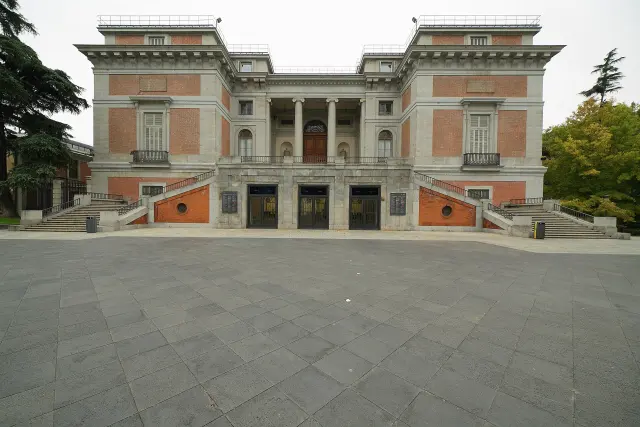
Museum

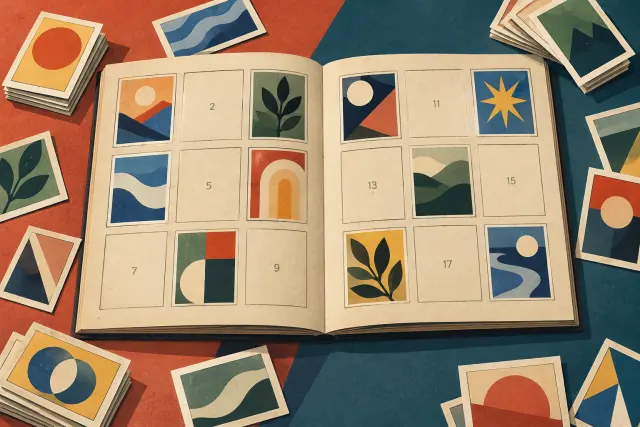
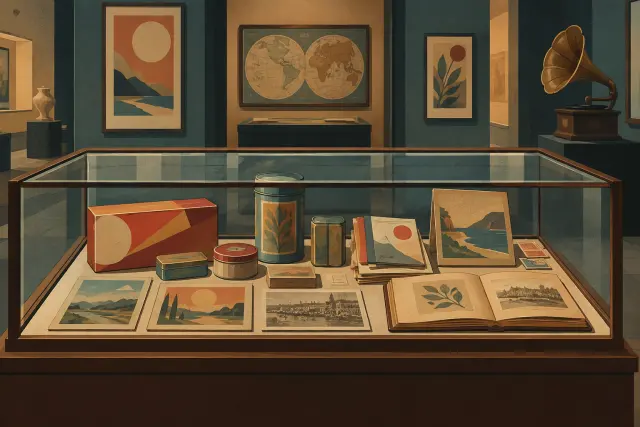
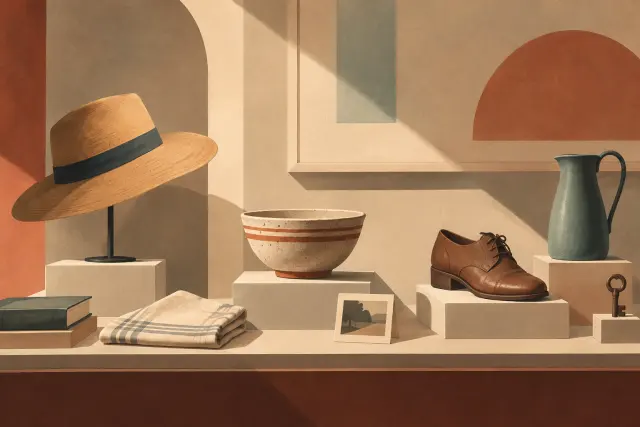
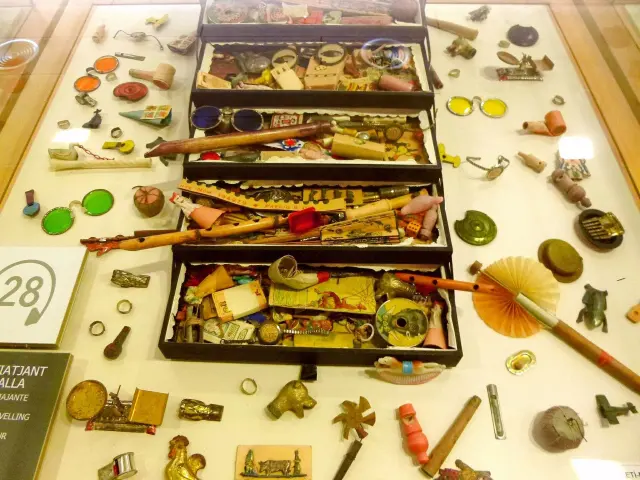
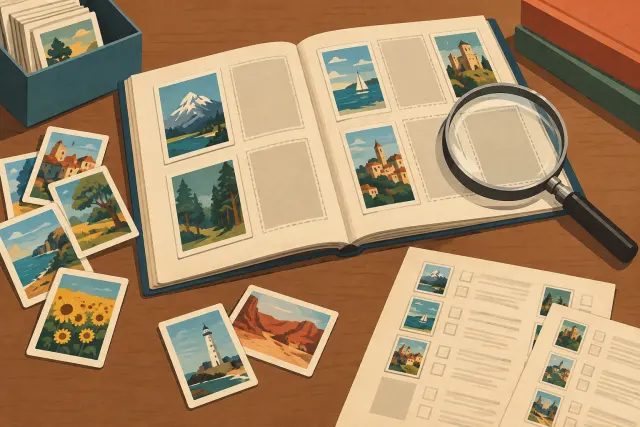
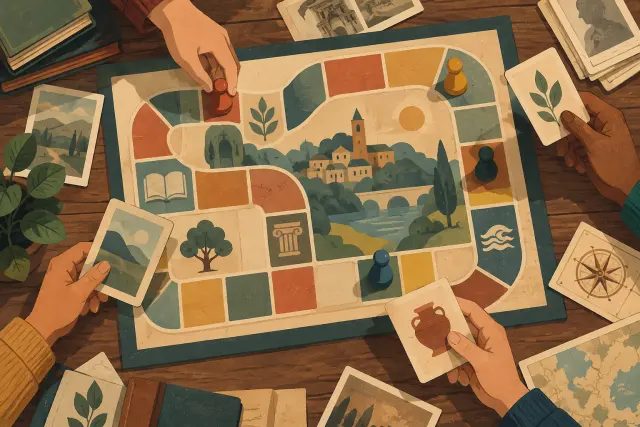
A drafting and set-collection board game first published in 2019. Players build and arrange object collections on personal boards to gain prestige points.

Selected excerpts from our archive offer more context on this subject. Each reading links to the original article and its sources.

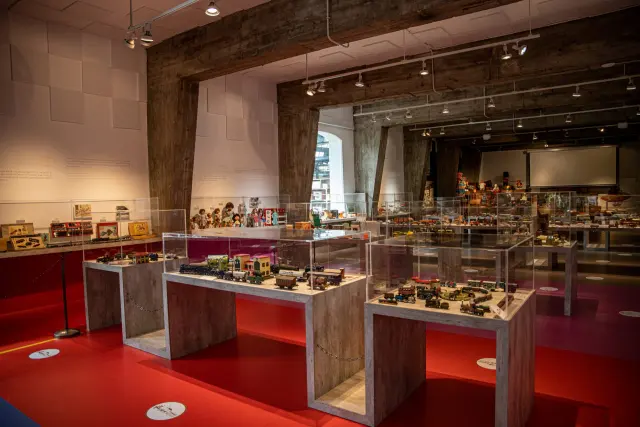
At the Rafa Gorrotxategi Museum, machinery traces chocolate’s history

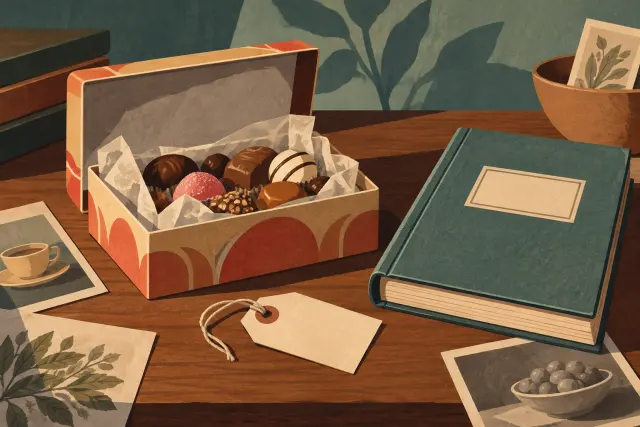
Chocolate often survives in memory as a small thing: a cup, a bar, a wrapper, or the smell of a workshop. Its material history is far broader. The Rafa Gorrotxategi Museum, located in the confectioner’s own workshop in Tolosa, asks visitors to approach chocolate through the objects that made it possible to process, serve and consume it. Trade coverage and reporting describe the venue as Rafa Gorrotxategi’s initiative to explain changes in chocolate production and culture.

The museum does not begin with an abstract chronology or an accumulation of familiar sweets. Sweet Press reports fourteen metates of national and international origin, together with mortars, roasters and a complete workshop. Metates direct attention to grinding: before becoming a drink, an ingredient or a confection, cacao demanded labour and specific tools.

Naiz mentions pre-Columbian hand mills from the Guadalajara area of Mexico among the older objects. That does not turn the whole collection into a total history of cacao, but it does clarify the route’s approach: preparation objects are connected with ways of consuming chocolate. The museum presents not only a finished food, but part of the infrastructure behind it.

For a retro-industrial reading, the most striking piece is the workshop from the family of Ignacio Garmendia of Tolosa. Sweet Press says it began operating in 1919 with an engine and transmission pulleys and remained active until 1950. Its importance lies in that specificity: this is not merely one detached machine, but a documented production ensemble.

Museums collect automobiles and make the wider story of mobility visible

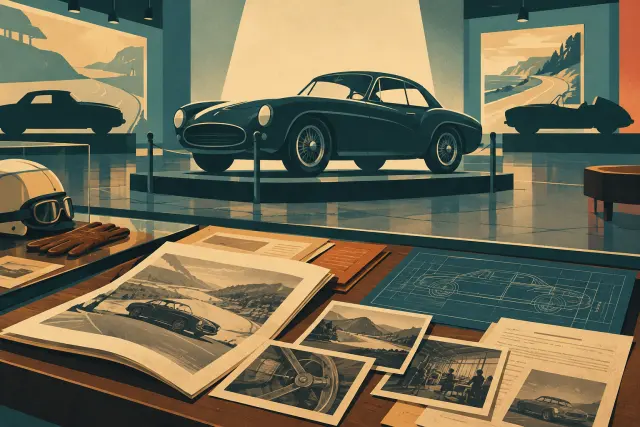
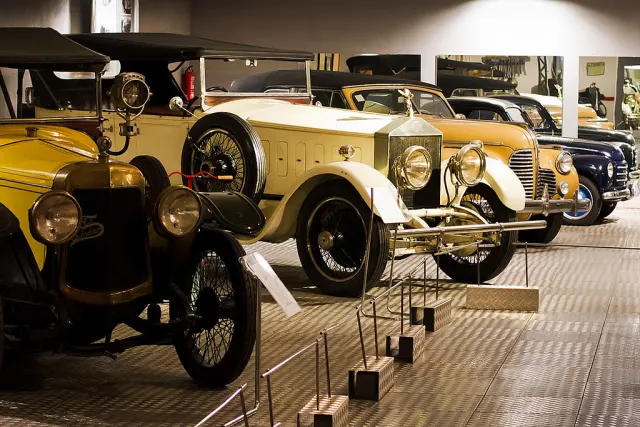
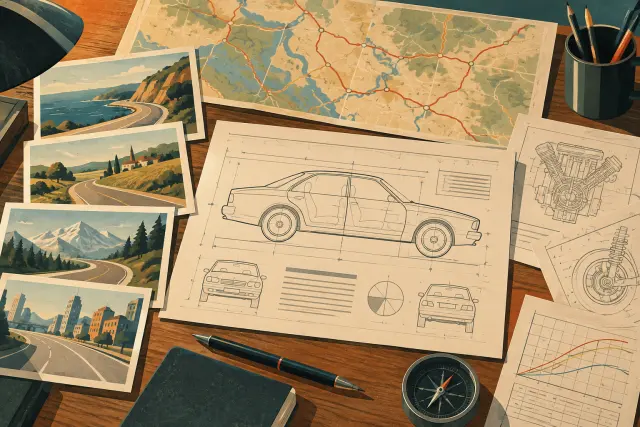
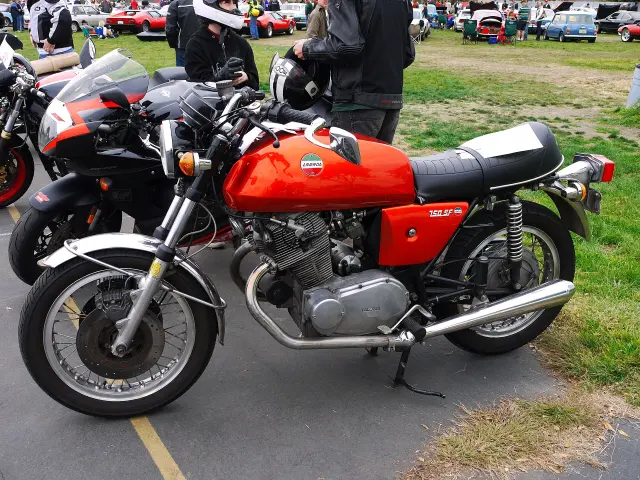
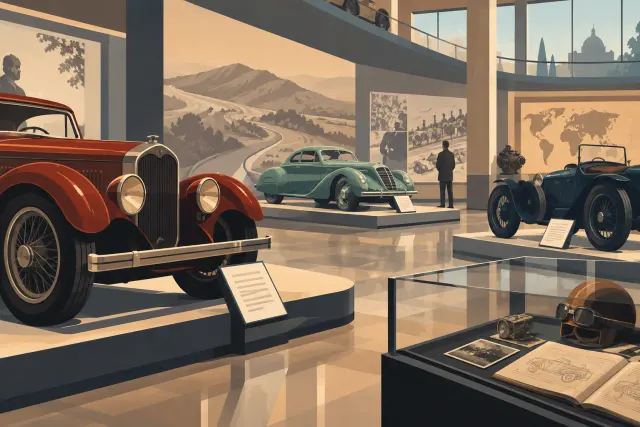
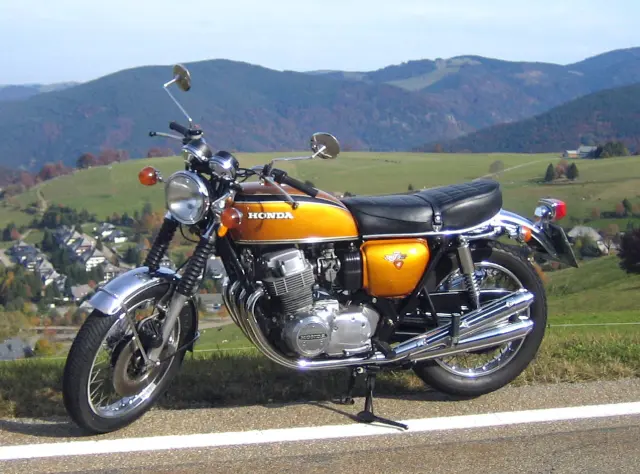
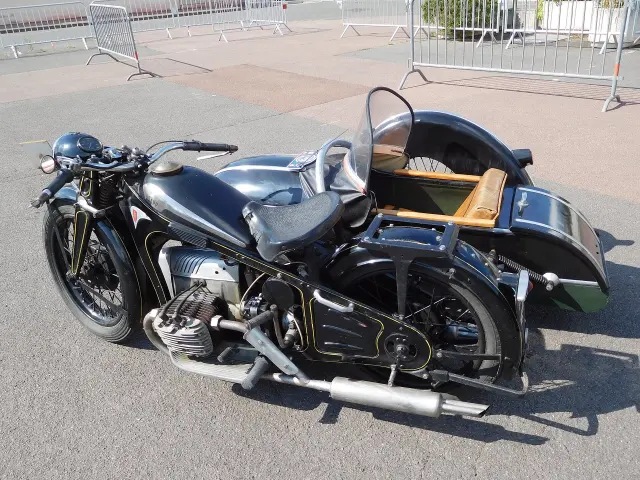
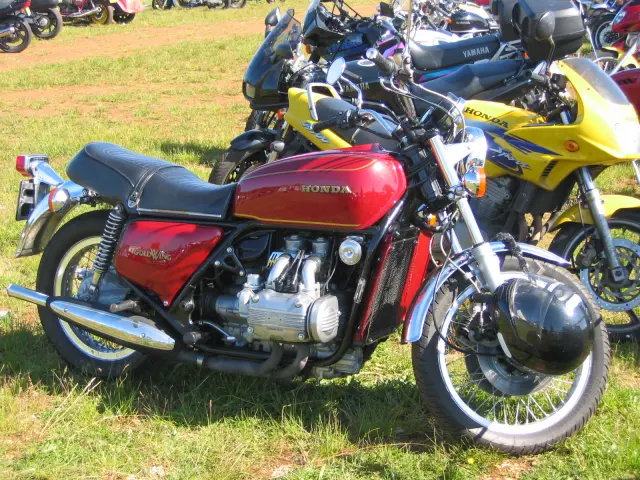
A car or motorcycle may enter a collection because of its rarity, engineering or appearance. Once displayed, however, it is no longer just a mechanical object. It becomes a way to discuss labour, tourism, public administration, design, repair and shifts in everyday life. The institutions and collections in the available sources make that transformation visible with due caution: they do not provide a complete history of motoring, but they do document several ways of turning mobility into heritage.

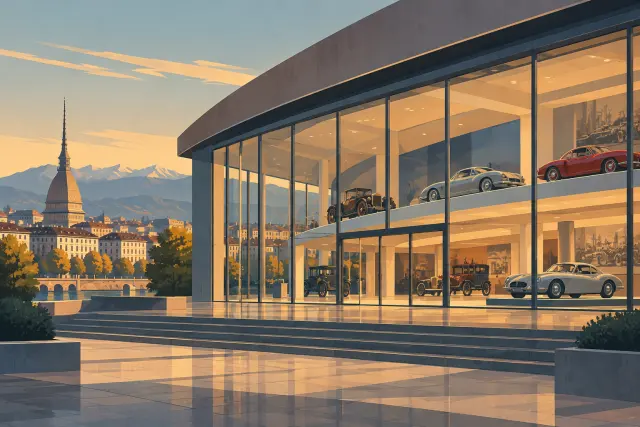
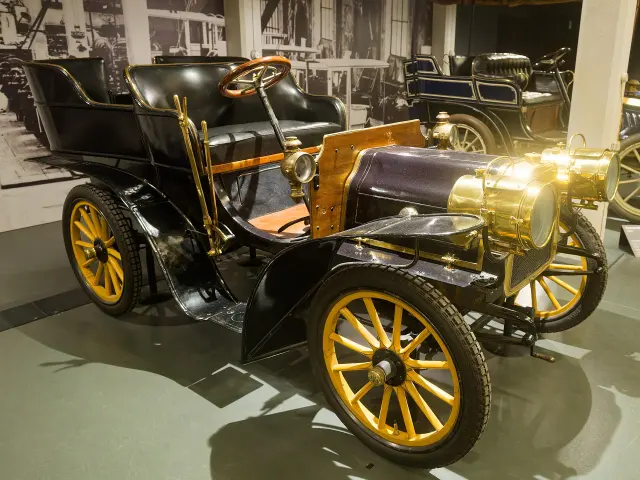
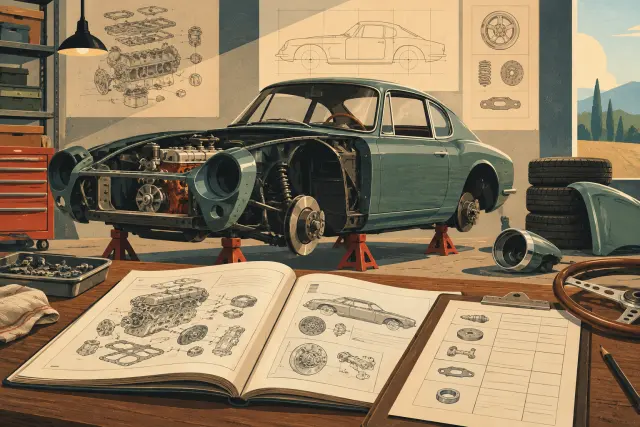
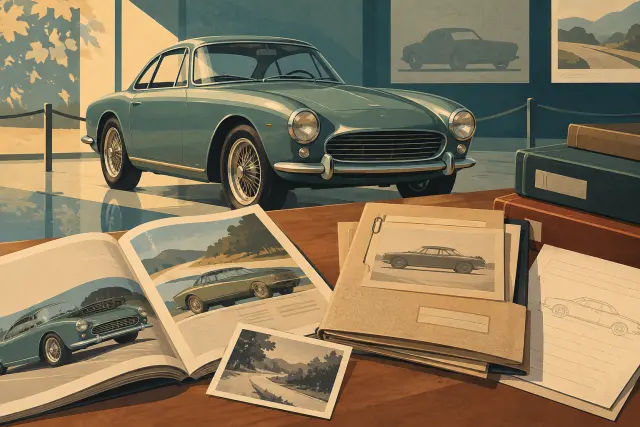
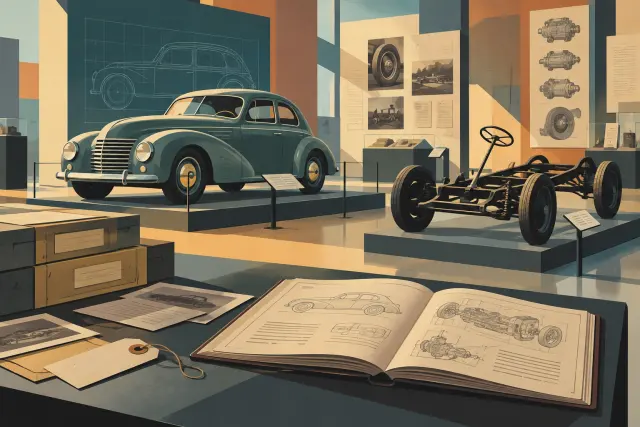
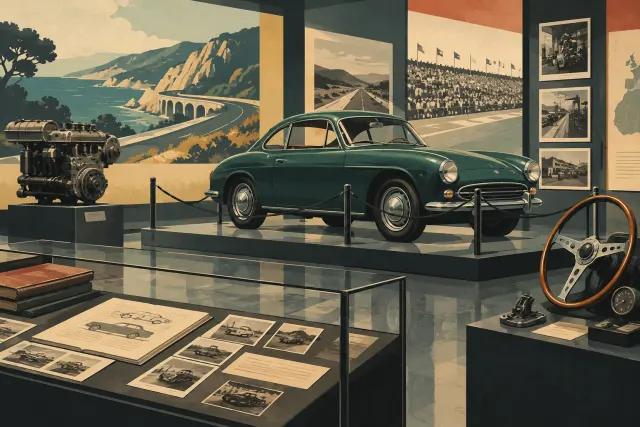
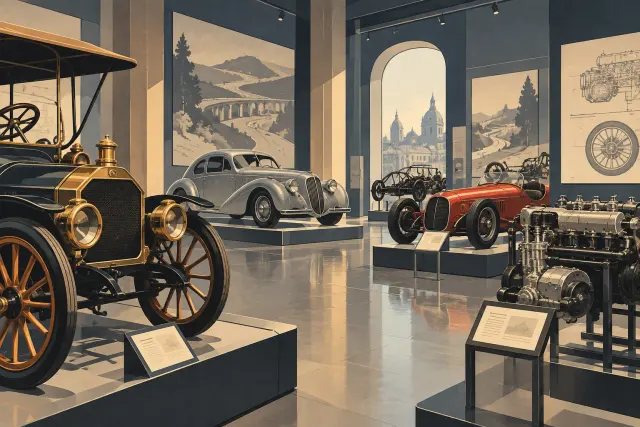
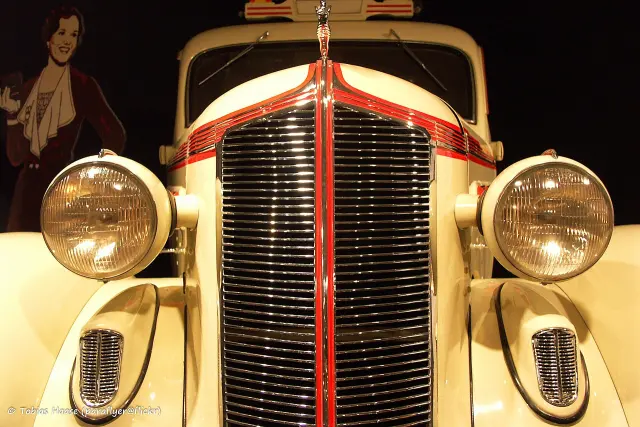
Turin’s MAUTO is particularly revealing. The museum links its oldest holdings to Carlo Biscaretti di Ruffia, who began collecting cars, chassis and engines in 1933. According to the institution, it opened to the public in 1939 in rooms beneath the municipal stadium stands, with 181 pieces dated from 1854 to 1939. Its stated make-up—55 cars, 62 engines and 30 chassis, among other items—already conveys an important point: an automobile museum need not display complete bodies alone.

Including engines, chassis and manuals changes how a vehicle is read. A body may first draw attention through its outline; an engine or chassis makes visible the industrial and maintenance decisions behind it. The brochure for the Automobile Museographic Collection at San Cristóbal barracks in Torrejón de Ardoz describes holdings of cars, motorcycles and numerous manuals. It traces them to the former Spanish Army Automobile School, created in 1931.

That fact does not allow us to reconstruct every class or workshop practice without further records. It does show that vehicles were preserved alongside material for learning and consultation. The distinction matters: showing a motorcycle or car in isolation can inspire admiration, whereas accompanying documentation reveals that driving, repairing and managing a fleet were also organised and taught activities.

KEY FACTS
Type
Board game
Year
2019
DOCUMENTARY SOURCES

References

  1. Museum | Juegos de Mesa | Warmus Gameswarmusgames.com
  2. Museum ~ Juego de mesa • Ludonauta.esludonauta.es
  3. Reseña: Museum | Misut Meeplemisutmeeple.com
  4. [Reseña] Museum - Siempre al margen de la noticiaelcornetin.es
Related stories

Analysis · pre-1950

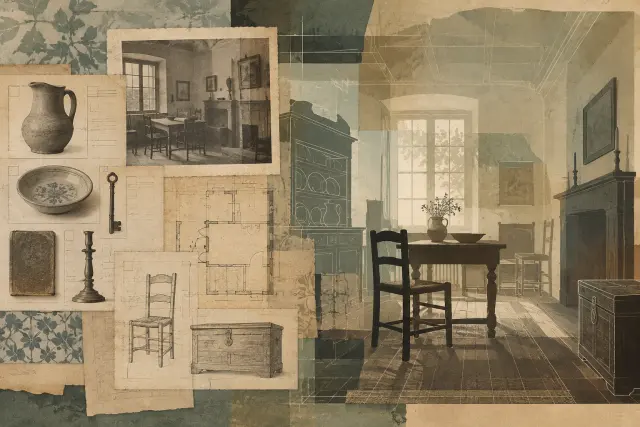
A Bourgeois Berlin Home, Read Through 355 Objects

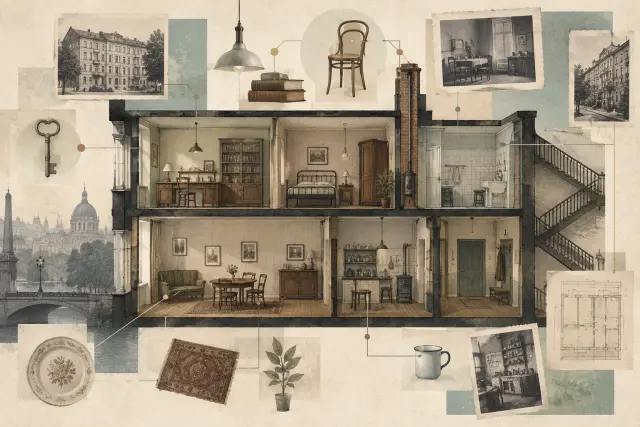
Donated by Wulf Köpke to Madrid’s National Museum of Anthropology, a collection of 355 objects offers a way to explore rooms in a bourgeois Berlin home from the early twentieth century. Its value lies in the furniture and utensils, but also in the relationships between objects, documents and museum decisions that make it possible to reconstruct a domestic space without claiming to reproduce it completely.

Open story
Analysis · pre-1950

A Berlin home in the museum: reconstructing its rooms

A group of 355 everyday objects at Madrid’s National Museum of Anthropology offers a way to study rooms in an early-twentieth-century bourgeois Berlin home. Photographs, inventories and archives help connect the objects, while also revealing the limits of reconstruction and the role provenance plays in the histories museums can tell.

Open story
Analysis · NOW

Costa Rica’s MADC: A Hybrid Museum of Art, Design and Cultural Policy

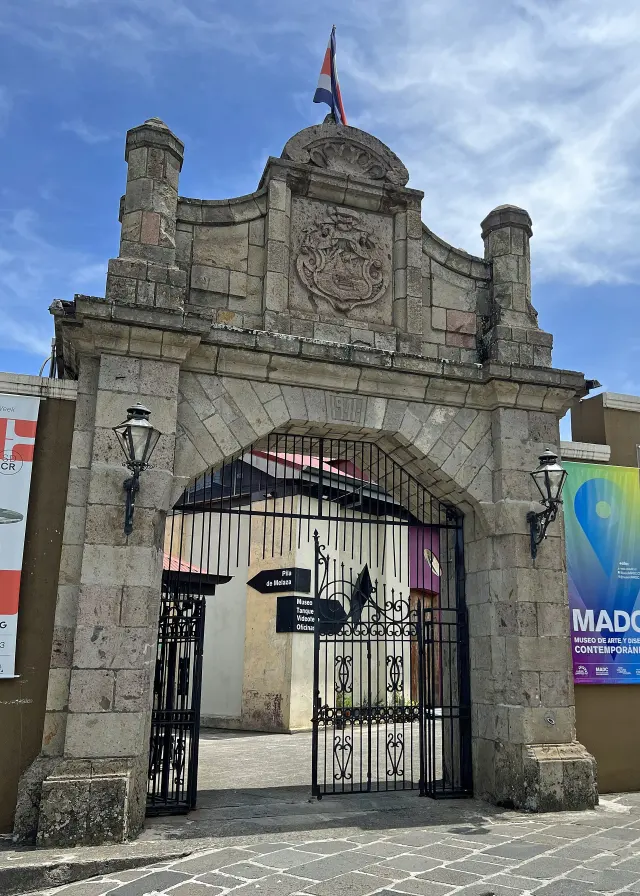
Founded in San José in 1994, the Museo de Arte y Diseño Contemporáneo built its identity around the relationship—and tensions—between two disciplines. Daniel Soto Morúa’s study traces the institution’s development and curatorial practices from 1994 to 2019, showing both the regional influence of its model and its structural vulnerabilities.

Open story
Analysis · pre-1950

The Toy as a Play Object: Materials, Uses and the Stories Collections Tell

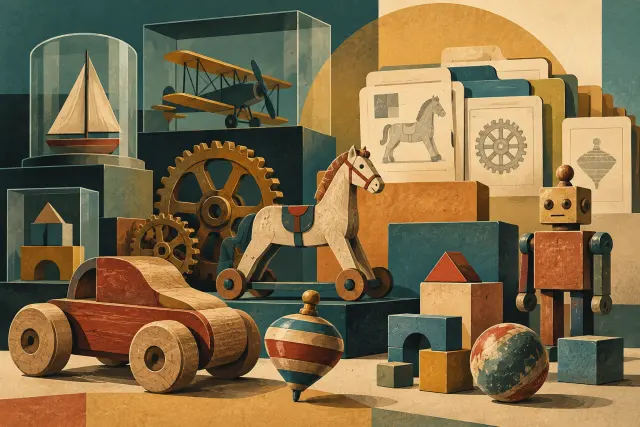
Wear, materials and collecting histories help us understand toys without reducing them to rare curiosities. From pedal vehicles made by Valencia’s Sauquillo factory to a toy cradle in Madrid’s National Museum of Anthropology, these objects reveal possibilities for play as well as ideas about childhood, education and everyday life.

Open story
Analysis · 2000

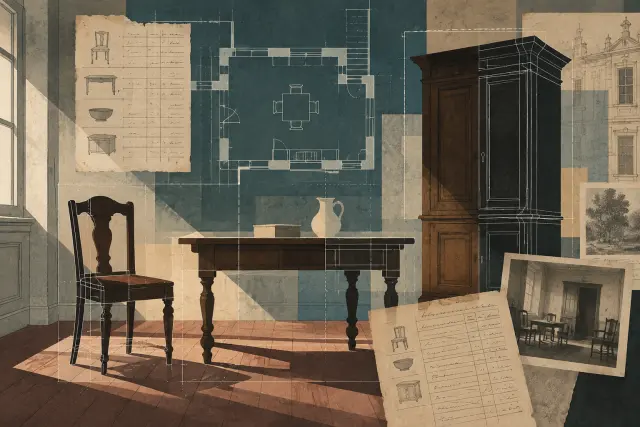
How to Reconstruct a Historic Home Through Its Objects

Furniture, photographs and inventories offer different clues to domestic life. Read alongside archival records and the history of a collection, they help researchers study an interior without mistaking a plausible interpretation for a complete reconstruction.

Open story
Analysis · 2000

Reading a Historic Home Through Its Furniture and Archives

Furniture, photographs and inventories can help explain how a home was organized, but no object tells its whole story on its own. Collections at Madrid’s National Museum of Anthropology and Colombia’s National Museum show why sources must be read together—and why historical evidence should be distinguished from museum display.

Open story
Analysis · 2000

Restoration Also Meant Learning to Document

Records of work at the Prado, the Cerralbo Museum and the National Archaeological Museum show how documentation and institutional coordination form part of conservation history, although the available sources do not describe the techniques used in detail.

Open story
History · pre-1950

The car museum that began beneath the stands

The MAUTO’s story began with a collection assembled from 1933 and a first venue opened beneath a stadium’s stands in 1939. Its history shows how a museum can tell more than the technical story of the automobile.

Open story
Analysis · NOW

The Fabric of Memory: Clothing as a Social Archive

Beyond aesthetics, garments preserved in museums and archives function as documents recording social practices. This analysis examines how academic and cultural institutions reinterpret fashion as material culture, distinguishing everyday use from advertising narratives.

Open story
Analysis · NOW

Conserving comics as material heritage

Comics have ceased to be ephemeral objects to become cultural documents requiring specific archival practices. This analysis explores how institutions manage the physical integrity of these works to ensure future access.

Open story
Analysis · 1990

The everyday object as a historical document

The inclusion of industrial design in museum collections has redefined cultural heritage. This analysis examines the curatorial criteria, the role of original advertising, and the conservation challenges that arise when transforming commercial products into archival pieces.

Open story
History · 2000

Comics as a historical lens in the Prado's bicentennial

In 2019, the Prado Museum published 'Historietas del Museo del Prado' by Sento, a 97-page work adapting historical anecdotes to graphic language. This analysis examines how the institution used comics to reinterpret its collection during its 200th anniversary, setting a precedent in Spanish museum outreach.

Open story
Analysis · 1990

Beyond the code: the complexity of preserving old software

Digital preservation requires ensuring the functionality and integrity of information against technological obsolescence. This analysis examines how formats, manuals, and usage contexts define the viability of preserving historical programs as cultural objects, distinguishing backup from active conservation.

Open story
Analysis · 2000

The film archive as a space of active memory

Beyond technical custody, film archives function as institutions that reinterpret the past. This analysis examines how restoration and musealization transform the film into a living cultural document, integrating social contexts and preservation challenges across various regions.

Open story
Analysis · NOW

Table museums and intangible memory

Examines how ethnographic museums manage the perishability of food through packaging and graphic documents, shifting the focus from the physical product to the surrounding cultural practices.

Open story
Analysis · 2000

The Fragility of Narrative Paper: Conserving Comics as Memory

Comics have moved beyond their status as ephemeral products to become recognized cultural heritage. This analysis examines the technical and museum challenges institutions face in preserving originals and archives, highlighting the need for specific criteria for a medium that combines art, history, and a delicate physical support.

Open story
Analysis · NOW

What a Museum Can Preserve About Food—and What It Cannot

Food brings together material, sensory, and social dimensions that cannot fit completely in a display case. Archives and museums document them through objects, images, texts, and context, without fully reconstructing an experience or proving habits for which evidence is lacking.

Open story
History · 1950

When paper became an instruction

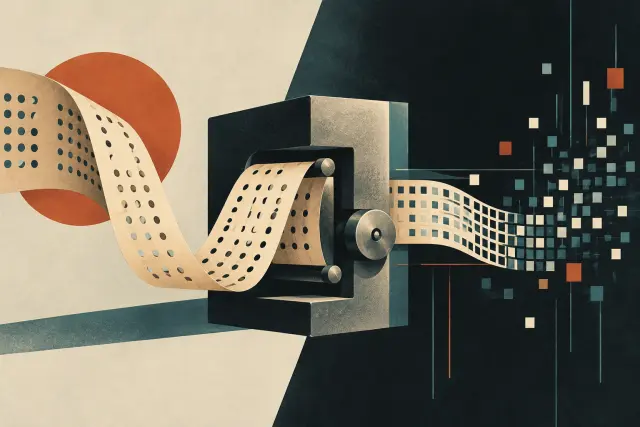
Perforated tape turned a strip of paper into a medium that could guide machines and carry data. Its passage from typesetting to early computers reveals a technical continuity, though some details of that history call for caution.

Open story
History · 1980

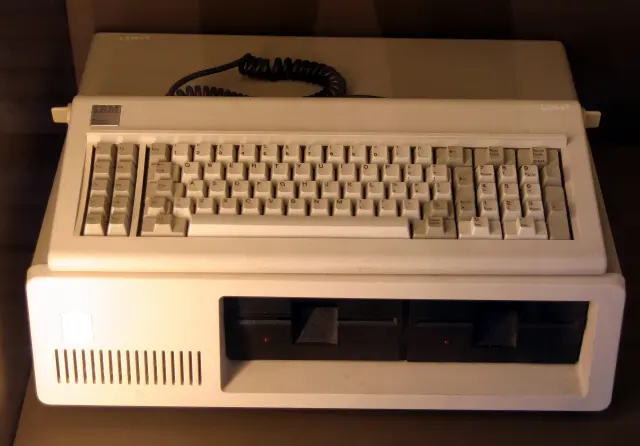
How the IBM PC 5150 became a platform

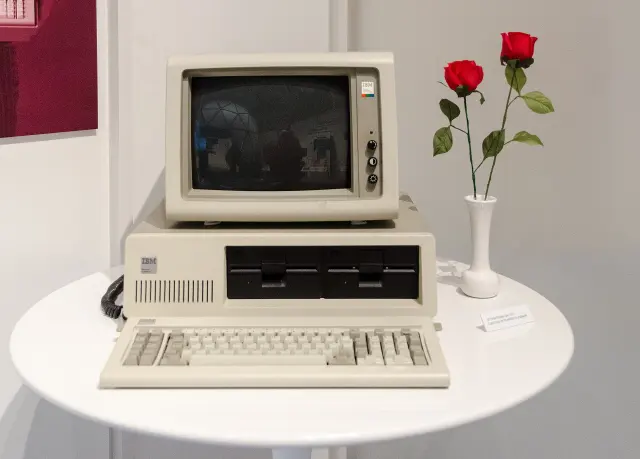
Introduced in 1981, the IBM PC 5150 paired a recognisable configuration with choices that helped compatible machines emerge. Its influence can be outlined, but these sources do not establish what everyday use was like.

Open story
Analysis · 1990

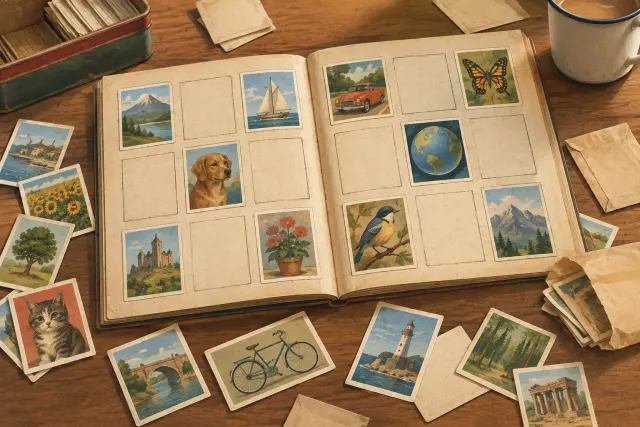
The Album as Document: What the Archive Reveals and What It Silences

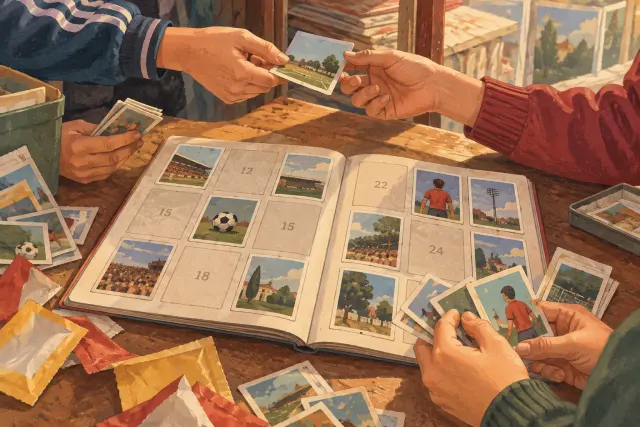
Analyzes how sticker albums, when moving from the domestic sphere to the institutional one, transform into historical sources. It examines the limitations of digital catalogs and visual documentation in identifying variants, highlighting that conservation does not always guarantee an understanding of the original cultural context.

Open story
Analysis · NOW

The album as object and archival clue

Catalogues can help identify objects and variants, but they cannot by themselves tell us how items were gathered, exchanged, or preserved. CER.es records and museum documentation help distinguish what is known—and what remains to be investigated—about sticker albums.
Open story
Analysis · NOW

What remains of a film after the lights go out

Posters, programmes, photographs and production documents help us study how cinema was presented and preserved. They also reveal the limits of what can be said about reception, especially when trying to connect theatrical exhibition with home video.

Open story
Analysis · 1990

Paper that holds childhood

Explores how sticker albums transition from toys to historical documents, analyzing conservation challenges and museum management of these ephemeral objects.
Open story
Analysis · 1980

Reading a Toy Beyond Its Rarity

An object, its documentation and signs of use raise questions about play. The available sources support this approach, but do not identify instructions or uses for a particular toy.

Open story
Analysis · NOW

A biscuit tin cannot tell us who opened it

Preserved tins, food-related archives and projects on the history of eating document different aspects of the table. Reading them together helps separate commercial imagery from what we can actually establish about domestic habits.

Open story
Analysis · 1970

A comics magazine changes meaning when its setting changes

Spanish comics magazines of the 1970s and 1980s can be studied not only through their pages, but also through the places where they were read and are remembered. The available evidence supports that approach, but does not identify specific format or editorial changes for individual titles.

Open story
Analysis · NOW

Format also shapes the rhythm of reading

Magazines, fanzines, mini-comics, albums and graphic novels name different formats. Drawing on a study devoted to these categories, this piece cautiously explores how support, length and page organization can guide reading, while distinguishing those questions from what the available sources cannot establish.

Open story
Analysis · 2000

A Brand Leaves More Traces Than Its Logo

Advertising archives can preserve more than campaign images. The available documentation offers a way to explore how brands become legible as visual systems and collections of records, without mistaking a graphic identity for the whole story.

Open story
Analysis · 2000

Television history is also written through what is missing

Research on audiovisual preservation and institutional archives raises an important question: what can we reconstruct about television when recordings are not enough? The available sources help define the limits and questions of such research, but do not by themselves reconstruct specific schedules or recording habits.

Open story
Analysis · NOW

A device leaves more than one kind of trace

Science and technology museum archives preserve documents that help researchers examine how an object was described and managed. But a manual, advertisement or catalogue record cannot, on its own, reconstruct how people used it in everyday life.

Open story
Analysis · NOW

A Genre in the Catalogue Does Not Tell the Whole Film

Film archives bring together identification data, production documents and visual materials. Reading them together can illuminate how a film was classified and preserved without confusing that documentation with the work itself or with the audience’s experience.

Open story
Analysis · NOW

What a Sweets Tin Can Tell Us—and What It Cannot

Tins, labels, cookbooks and archival documents are different kinds of evidence for studying food. Reading them together helps distinguish commercial presentation from domestic practice without asking any one object to prove more than it can.

Open story
Analysis · 1990

What a Package Cannot Tell on Its Own

Recipes, packaging and archival documents offer different kinds of evidence about food. Separating them helps distinguish commercial promotion from everyday practice without asking any one source to prove more than it can.

Open story
Analysis · 1970

Design also decides what we read first

A reading of graphic design and advertising as ways of organizing messages: form is not interchangeable decoration, but it alone cannot prove how an item was used. Archives help separate visible choices from interpretations that need further evidence.

Open story
Analysis · NOW

Devices Have a Documentary History Too

Archives in science and technology museums preserve documents that help contextualize their collections. The available evidence supports explaining the value of this work, but not reconstructing the specific uses of particular devices.

Open story
Analysis · 2000

A Sweet Box Does Not Tell the Whole Story of Food

The biscuit, sweet and chocolate boxes held by the Museum of the History of Madrid document presentation and sale. To discuss eating habits, they should be compared with cookbooks, social histories and other sources, without mistaking advertising promises for what people ate at home.

Open story
Analysis · NOW

Comics change when their format changes

Magazines, fanzines, minicomic books, albums, and graphic novels are distinct formats, not mere containers. The available sources support asking how format and circulation shape reading, but they do not establish specific editorial changes without examining the publications themselves.

Open story
Analysis · NOW

A Video Game Does Not End at the Screen

Preserving video games means attending both to the game and to the sources that help explain how it was designed, presented and played. Museums, archives and educational projects offer different ways to study this heritage without confusing documentation with memory.

Open story
Analysis · 1970

Graphic Design and Advertising: What Form Helps Us Understand

Graphic design is not merely an appearance applied to a message: it organizes visual elements so that the message can be interpreted. Looking closely at advertising and its documentation raises a useful question: which decisions guide reading, and which are primarily aesthetic choices?

Open story
Analysis · 1970

The archive also shapes what we can see

Archives and exhibitions do more than preserve design and advertising: their choices of selection and description shape how we interpret them. The available evidence supports asking that question, but not attributing specific findings to the collections cited.

Open story
Analysis · NOW

A Song Leaves Traces Beyond Its Sound

Scores, multimedia archives and recordings are not interchangeable forms of evidence. The available sources offer a way to explore what each record preserves and why distinguishing a work, an edition and a medium matters when reconstructing music history.

Open story
Analysis · 1970

Completing the album also meant learning to trade

Sticker albums organize collecting around gaps, duplicates and trades. The available sources make it possible to examine this ritual and its social dimension, but they do not by themselves identify a reliable catalogue of series and variants.

Open story
Analysis · 2000

Advertising is designed to be read in an archive, too

Posters, advertisements and publicity documents do more than communicate messages: they also structure a reading experience. Archives and museums make that visual function available for study, provided we distinguish what they document from what we can only interpret.

Open story
Analysis · NOW

A Film Is More Than Its File

Posters, catalog records, production documents and academic studies can help reconstruct how cinema was recorded and presented. Each source describes a different part of the story, however: reading them together means distinguishing the documentary trace from the film and from the experience of watching it.

Open story
Analysis · NOW

Format also guides how we read comics

Magazine, fanzine, mini-comic, album and graphic novel are not merely containers. The cited studies and collections offer ways to examine how publication and circulation shape reading, without mistaking clues for certainties.

Open story
Analysis · NOW

Reading a Room Through Its Traces

Photographs, catalogues and museum archives can offer different clues about interiors and their objects. Careful reading connects them without confusing what they document with what they merely suggest.

Open story
Analysis · NOW

The Page Tells a Story Too: How Format Changes the Reading of Comics

Magazines, fanzines, minicomic books, albums and graphic novels are not merely containers: their formats can shape a comic’s pacing, sequence and material relationship with its reader. Drawing on the supplied scholarship and resources, this analysis explains what to examine—and where interpretation must remain cautious.

Open story
Analysis · NOW

Technology’s history is more than a list of inventions

Historical overviews help organize major changes and milestones, but they do not by themselves explain how each device was used. A careful reading separates what the sources document from questions that still require verifiable manuals, advertisements and testimony.

Open story
Analysis · NOW

A catalogue can identify an album; a variant needs evidence

CER.es brings together records and images of a selection of cultural objects and offers a starting point for locating documented sticker albums. The available information does not, however, show that the catalogue records every series or its variants. Rigorous research should distinguish catalogue identification from material comparison and preserve gaps as part of the archive.
Open story
Analysis · 2000

An automobile museum can also be read through its documents

The Museo de Historia de la Automoción de Salamanca offers an opportunity to distinguish what a vehicle preserves as an object from what its documents can help explain. The available sources confirm an archive associated with the museum, but do not detail its individual records here—a distinction that matters both for research and display.

Open story
Analysis · NOW

Reading the album without filling in its gaps

Catalogues help identify albums and variants, but they do not by themselves prove that two cards belong to the same series. A careful reading separates what each source records from what still requires comparison and evidence.

Open story
Analysis · NOW

Reading a home through its traces

Photographs, catalogues and records describe different aspects of an interior. Comparing their roles helps frame useful questions without mistaking a partial image for a complete reconstruction of a room.

Open story
Analysis · 1970

Material also sets the limits of play

The spread of plastic and the persistence of wooden toys appear in the sources as material changes, not as a complete account of how children played. Comparing that evidence helps ask what an object can reveal—and what its instructions would need to add.

Open story
Analysis · 1970

One 1970s photograph cannot tell the story of everyday life

Photographs can bring us close to everyday gestures and settings, but they do not turn one experience into a general rule. Drawing on projects about photography and daily life, alongside Spanish archives, this analysis considers what an image documents and what it leaves open.

Open story
Analysis · 2000

A story changes when its format does

Magazine, fanzine, mini-comic, album and graphic novel are distinct publishing formats. Treating them as formats raises questions about how narrative is experienced, without confusing what a medium might allow with established facts about a particular work.

Open story
Analysis · NOW

A catalogue can guide the search; a variant needs evidence

CER.es brings together information and images of cultural objects, and one search record identifies a “Cromo Album” titled “Colección Zoológica,” dated 1907. The example helps explain what a catalogue can offer—and what information is still needed before claiming that variants exist.

Open story
Analysis · NOW

Museum graphics also guide the eye

Signs, labels and catalogues are not merely decoration added to an exhibition: they organise information and suggest ways of moving through it. Archives make this work available for study, though they do not always reveal how it was used.

Open story
Analysis · 2000

Reading an Advertisement Beyond Its Style

A look at advertising design that separates aesthetic impression from the decisions that organize a message. Archives make it possible to study individual pieces, while also prompting questions about which contexts they preserve and which they leave out.

Open story
Analysis · NOW

A Device Cannot Tell Its Own Story of Use

Archives in science and technology museums make it possible to study the records that accompany objects. Manuals, registers and other documents can help distinguish what a device promised from what its use allows us to claim—provided the limits of each source are acknowledged.

Open story
Analysis · 1970

A Garment Alone Cannot Tell Us Who Wore It

Photographs, publications and preserved garments offer different kinds of evidence about fashion. Reading them together helps distinguish documented uses from promotional imagery and generalisations about everyday life.

Open story
Analysis · NOW

What food archives can tell us—and what they cannot

Cookbooks, packaging and archival documents can help study food culture, but they do not by themselves prove what a family ate or how it ate. A careful reading distinguishes surviving objects, commercial promotion and everyday practices that still require other sources.

Open story
Analysis · NOW

The Museum Computer Is Part of the Story, Too

In a museum, a computer can be more than an administrative tool: it can connect an object with its history, condition and the documents that help explain it. Technology serves a collection when it makes that context accessible, not when it replaces it.

Open story
Analysis · 2000

What Changes When Video Games Enter the Museum

Displaying video games in a museum is not just a matter of exhibiting machines: it also shapes which aspects of this culture become visible. The available sources point to a history of institutional interest and different ways of addressing design and industry, though they are not enough to reconstruct a complete chronology on their own.

Open story
Analysis · NOW

A Photograph Never Enters the Archive Alone

Photographic holdings at several Spanish institutions show that a preserved image also has a history of provenance, description and use. What can be said about that context—and what should remain open—is part of reading it.

Open story
Analysis · 2000

Music survives in more than the sound

Archives and museums show that preserving music also means keeping scores, images, documents and records of activity. A look at what these materials can—and cannot—tell us about musical life.

Open story
Analysis · NOW

Every Device Has an Archive

Archives in science and technology museums are not merely appendices to their collections: they preserve documentation that helps contextualize, describe and communicate objects. What the available sources establish—and what they do not.

Open story
Analysis · 1990

Before the web became an archive

A museum’s early presence on the internet and the later preservation of websites raise a shared question: what deserves to remain when digital material changes or disappears?

Open story
Analysis · 1970

Comics change when their format does

Magazines, fanzines, mini-comics, albums and graphic novels are more than containers: studying their formats helps us understand how comics are presented, circulated and remembered. The available evidence raises useful questions, but cannot by itself support a comprehensive history.

Open story
Analysis · 1980

A Toy, Many Lives: What a Collection Can Tell Us

Toy museums make it possible to look at objects beyond personal memory. Collections and archives offer clues about manufacture, use and preservation, while the available sources also show why documented facts must be distinguished from questions that still need research.

Open story
Analysis · NOW

Music is preserved in its documents, too

Scores, music archives and multimedia records offer different ways of documenting music. The available sources show what these institutions preserve and what questions the archive leaves open in the streaming era.

Open story
Analysis · 1980

When the comic magazine changes place

A cautious look at how the newsstand, exhibition and archive offer different frames for seeing and remembering Spanish comic magazines. The available evidence points to a shift in perspective, but does not support a comprehensive account of titles, readership or circulation.

Open story
Analysis · NOW

When Food Becomes a Document

A reading of food as material history: foods, sweets and posters can help tell the past, provided we distinguish what the sources show from what we can only interpret.

Open story
Analysis · 1990

Everyday life leaves an archive too

Museum and archival documents can open a history of everyday life, but they do not tell it by themselves. A careful reading distinguishes what they record, what they leave out, and what we can only interpret.

Open story
Analysis · NOW

Old software cannot be kept like a box

Preserving software means more than keeping a storage medium: the information, its legibility and the conditions that make it interpretable also matter. What the available sources can—and cannot—establish.

Open story
Analysis · NOW

What a Photograph Leaves Outside the Frame

Photographic archives preserve more than images: they invite questions about who made them, how they were organized and which accounts became visible. A cultural reading of collections and repositories described by Spanish institutions and scholarship.

Open story
Analysis · NOW

Comic format is part of the story

Magazines, fanzines, minicomic booklets and albums are not interchangeable containers: format shapes how a comic is read and how it can be studied and preserved. The available evidence supports a careful discussion of that relationship, but not a complete history of materials described here only in part.

Open story
Analysis · NOW

A preserved car also needs a documentary history

Motor museums preserve vehicles, but historical interpretation also depends on archives and information that place them in context. The Museo de Historia de la Automoción de Salamanca shows what the available evidence supports—and what should remain open.

Open story
Analysis · 1980

Behind the Glass, a Toy Enters a Different Story

When a toy moves from play into a collection, its function changes: it becomes evidence of a period, cultural practices and decisions about what to preserve. The display case also imposes limits; understanding the object means separating what is documented from what is interpreted.

Open story
History · 1970

From institutional computer to home: the rise of the personal computer

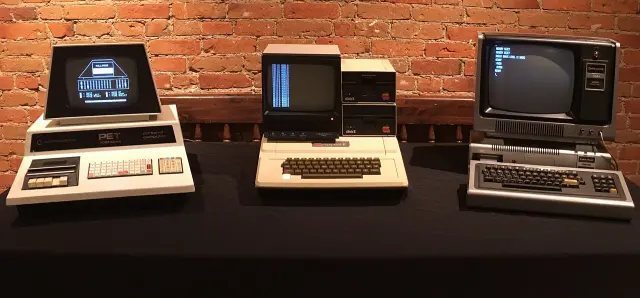
The history of the personal computer cannot be reduced to a single machine or year. The sources place its consolidation in the 1970s and identify 1977 as a key moment, when Apple, Commodore and Tandy formed the so-called “1977 Trinity.” This overview explains what can be established about that shift and where the available evidence leaves questions open.

Open story
Analysis · 2000

A Decorative Object Does Not Tell Its Whole Story

Furniture, lamps, tableware and textiles can seem self-contained, but historical interpretation also depends on the records that situate them. Museum archives help explain why preserving context matters as much as preserving the object.

Open story
Analysis · 1950

Comics are shaped by the pages that contain them

A look at comics through their publishing formats: magazines, fanzines, mini-comics, albums and graphic novels. The evidence supports some distinctions and questions about circulation and memory, but not a universal history or comparable figures.

Open story
Analysis · NOW

Decoration can also be read as industrial history

The Museo Nacional de Artes Decorativas offers a way to think about decoration beyond taste: as material culture, design and production. The available sources support this approach, but not the attribution of specific objects or a complete institutional history.

Open story
Analysis · NOW

What a music archive preserves when music no longer fits in a box

Scores, photographs and multimedia records preserve different parts of musical history. The available sources show how several institutions describe their holdings and point to a contemporary challenge: preserving and making songs findable in the streaming era without mistaking documents for the music itself.

Open story
Analysis · pre-1950

A Photograph Needs More Than a Date and Names

An image may identify a place and its subjects and still leave one essential question unanswered: who produced it, and in what context? An archival photograph becomes a historical document when it is preserved alongside the relationships that explain its origin, use and history.

Open story
History · 2000

A photographic archive is not a straight line

Spanish photographic archives bring together images from different periods and uses. Their collections show how cataloguing, preservation and context turn individual photographs into historical memory without erasing gaps in what has survived.

Open story
Analysis · NOW

A Film Is Also What Remains Beyond the Screen

Film archives and cinema museums preserve films, but also the materials, documents and equipment that help explain how they were made, circulated and reached us. Spain’s planned Cinema Museum offers a starting point for thinking about this heritage as both material memory and public access.

Open story
Analysis · 1970

Seventies fashion was never one uniform

Disco often stands in for seventies fashion, but sources also point to the coexistence of bohemian, punk and androgynous styles. A look at what can be said—and what the available references do not allow us to generalize—about clothing, accessories and diversity.

Open story
Analysis · 1970

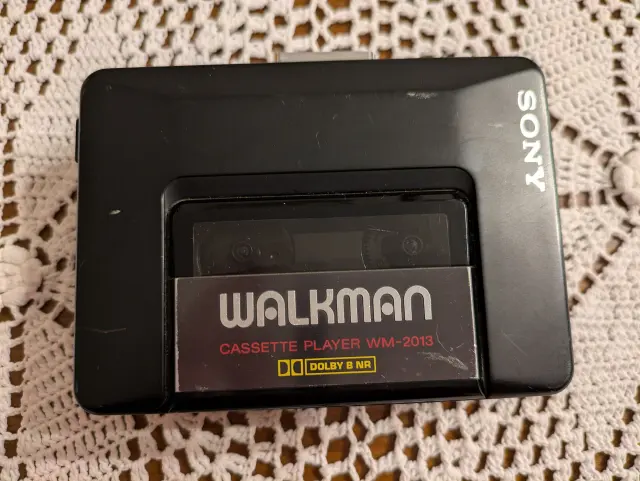
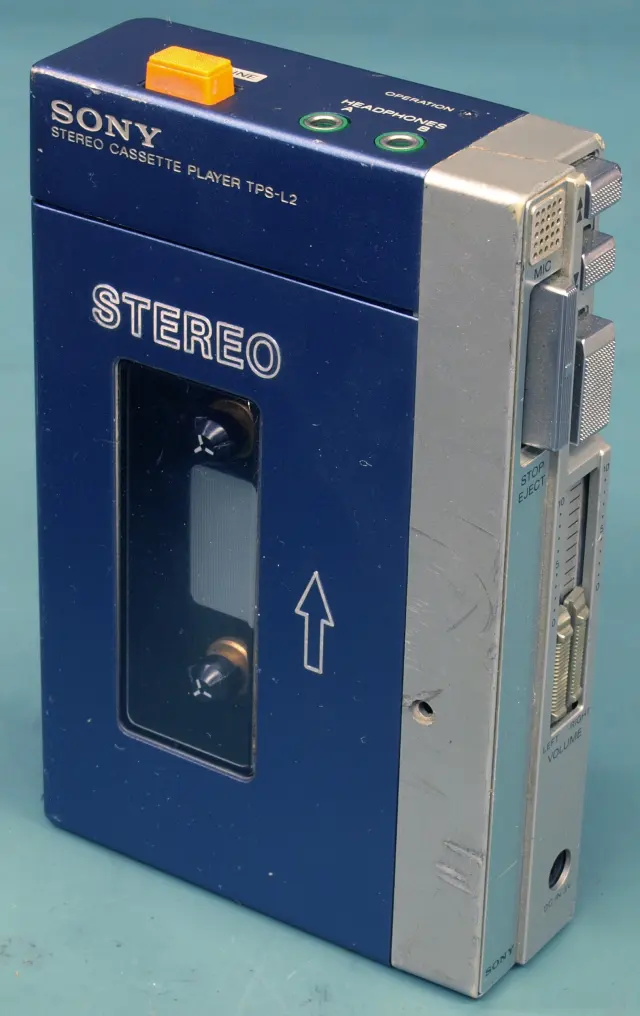
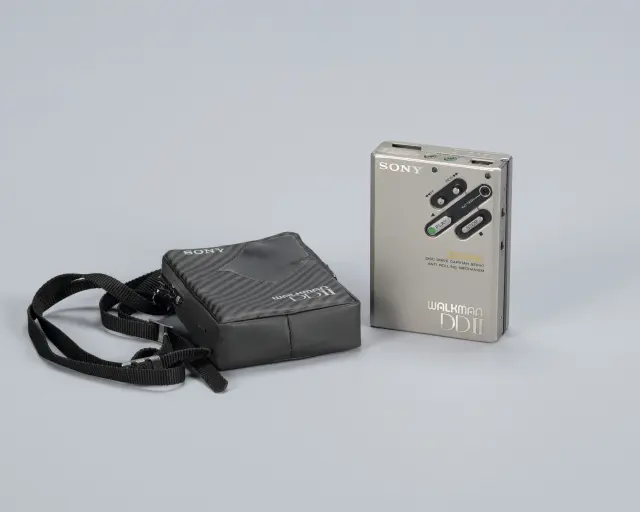
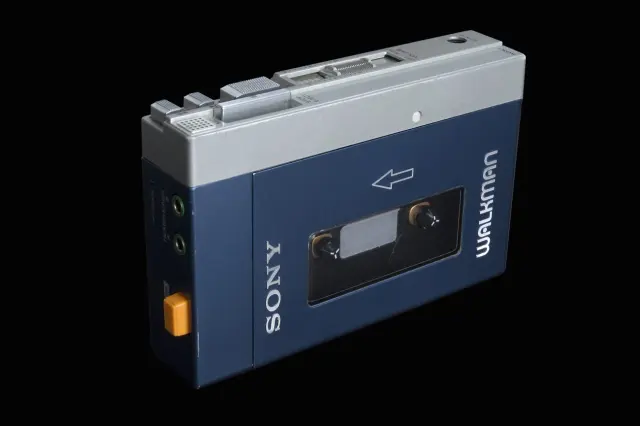
The Walkman took music beyond the room

The Walkman is remembered as a turning point in portable listening, but the available sources place that change within a broader history of sound recording, personal devices and digital distribution. They also show why documented dates should be distinguished from retrospective accounts.

Open story
Analysis · 2000

A Digital Museum Still Needs Context

Digitizing collections can broaden access, but it does not replace the work of documenting objects, organizing their records, and preserving the links that make them interpretable. A look at museum digitization through its less visible tasks.

Open story
Analysis · NOW

A museum’s identity is designed on its walls, too

A museum’s graphic design is more than decoration or signage: it guides attention, communicates an identity and can contribute to an educational experience. Research on museums in Valencia and guidance on museum archives offer ways to consider what should be documented—and what the available evidence does not establish.

Open story
Analysis · NOW

An Old Program Is More Than Its File

Preserving old software means looking beyond its data to include documentation, context of use and the conditions that make it intelligible. Archives and museums offer useful principles, but they cannot replace research into each individual program.

Open story
Analysis · 2000

When a City Sees Itself in Its Photographic Archive

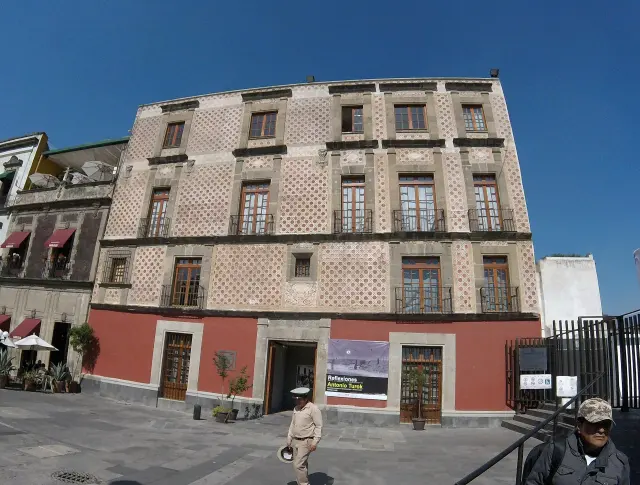
Mexico City’s Museo Archivo de la Fotografía invites us to see an image not only as a visual memory but as a document connected to institutions, places and urban change. Its history also shows why preserving a photograph means safeguarding the information that gives it context.

Open story
Analysis · 1990

Museum decoration is part of what must be preserved

Caring for a collection is not limited to its objects: it also depends on documentation, accessibility and the conditions of the spaces that house them. Institutional sources help explain what can—and cannot—be said about decoration as part of the museum experience.

Open story
Analysis · 2000

An Archive Photograph Needs Context, Too

An image can tell us about people, places and activities, but its documentary value also depends on knowing who made it, why, and within which collection it survives. Photographic archives become easier to understand when we consider both what was photographed and the circumstances that produced the image.

Open story
Analysis · 2000

Clothing takes on a new meaning in the museum

Fashion on display is more than clothing removed from everyday life. Collections, archives and conservation decisions turn garments and accessories into cultural documents, while raising questions about what is shown and why.

Open story
Analysis · NOW

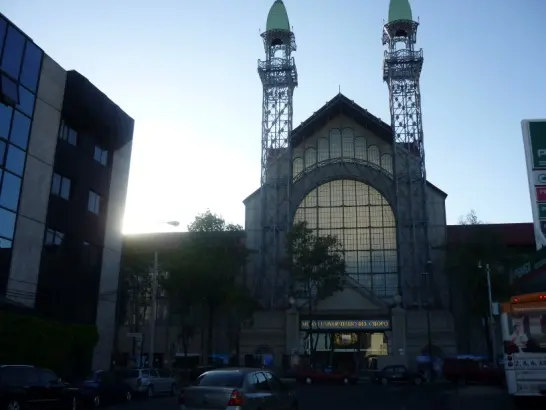
Cinema survives beyond the screen

Films, documents and equipment help us understand cinema as material and cultural heritage. The planned Cinema Museum in the former NO-DO building raises a central question: how can this memory be preserved and made accessible?

Open story
History · 2000

A museum’s story is written in its rooms

Architecture, decoration and successive exhibition-design interventions are part of a museum’s history. The Museo Nacional del Romanticismo offers a case for examining how an institution adapts its spaces without erasing earlier phases.

Open story
History · pre-1950

The automobile did not begin with a single idea

The available sources foreground Karl Benz’s 1886 patent, while also describing parallel developments and distinct industrial trajectories. Telling this history means distinguishing between a patent, a vehicle, an engine and a company.

Open story
History · NOW

Fashion Was Read on Paper Too: Inside “¡Extra, moda!”

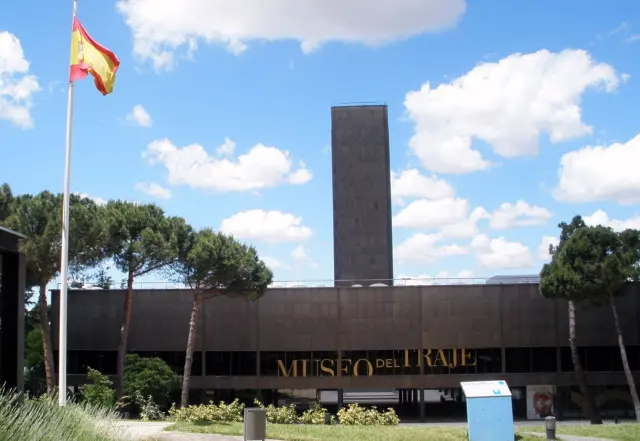
The Museo del Traje exhibition brought together magazines, fashion plates, patterns, garments and accessories to explore how the press helped circulate fashion in Spain. Its documented objects and figures offer an entry point, though they cannot by themselves reconstruct the whole history.

Open story
Feature · 1950

What Remained After the Broadcast

In post-war Spain, demonstrating television and preserving its images were different tasks. The 1948 trials and the use of film recording until 1956 offer a few traces, but cannot fully establish what was broadcast or what was lost.

Open story
Analysis · NOW

A Tin and a Recipe Book Tell a Story Too

Tins, labels and recipe books offer a way into food culture beyond the dishes themselves: as objects and documents connected to habits, images and memory. The Museo da Conserva and research on food heritage provide a starting point for exploring what a collection can tell us—and what it cannot establish on its own.

Open story
Analysis · 1980

From Newsstand to Display Case: Comics Change Places

In Spain, exhibitions, magazines and original drawings make it possible to trace how comics moved from newsstands into cultural spaces. The sources document specific milestones and figures, while also showing how much the story depends on what is preserved and displayed.

Open story
Analysis · 2000

Furniture Leaves a Paper Trail: Reading Design Through the MNAD Archive

The National Museum of Decorative Arts archive preserves plans, photographs, watercolours and business records that make it possible to approach design as a process, not just as a finished object. A careful reading of these holdings also reveals which aspects of material history remain undocumented in the available evidence.

Open story
Analysis · 2000

Vehicles also tell us who preserved them

The Automobile Museographic Collection in Torrejón de Ardoz grew from holdings connected to the former Army Automobile School. Its history offers a way to consider how vehicles become heritage—and why documented facts should be distinguished from interpretation.

Open story
Analysis · NOW

A Film’s Life Doesn’t End on Screen

Film archives preserve more than copies for screening. Related documents and objects help us understand cinema as artwork, material object and cultural record, even though conservation, preservation and restoration are not interchangeable terms.

Open story
History · pre-1950

Before cars, Peugeot made coffee mills

Peugeot’s story did not begin with a car. The available evidence places its origins in a workshop making coffee mills and other utensils, before it moved into bicycles and, eventually, motor vehicles. That journey invites us to distinguish a brand’s continuity from the changing products it actually made.

Open story
Analysis · NOW

The museum communicates too: graphic design, visual attention and promotion

A cautious reading of the available evidence on how graphic design forms part of the museum experience and of the way museums present themselves to the public. The located academic study examines graphic resources in seven museums in Valencia; other sources help place design within interpretation, documentation and institutional communication.

Open story
Analysis · NOW

Old software needs somewhere to run, too

Virtual software museums and libraries do more than gather programs: they offer ways to run and explore them again. The Virtual OS Museum, WinWorld and resources mentioned in user communities illustrate different routes to access, while the available evidence also makes it important to distinguish a collection from a working installation or a complete historical experience.

Open story
History · 2000

From Decorative Object to Design: The Museum’s Changing Mission

The history of Spain’s National Museum of Decorative Arts traces a change in perspective: from promoting industrial and craft products to studying objects in their contexts of production, consumption and meaning. Its archives and institutional accounts also show which parts of that story can be established—and which require further documentation.

Open story
Analysis · 2000

The Car as a Document: What Vehicle Collections Can Tell Us

A look at several Spanish collections shows that an automobile museum preserves more than vehicles: it can also bring together engines, components, documents and context to explain the history of technology and society. The available information allows a comparison between MAUTO and the Torrejón de Ardoz automobile collection without conflating their origins or aims.

Open story
Analysis · 1970

From Phonograph to Walkman: What Changes When Music Becomes Portable

A cautious reading of two documented moments in the history of recorded music: the Museu de la Música de Barcelona’s acquisition of phonographs and gramophones in 1970, and the Walkman’s introduction as a portable stereo player in 1979. The comparison highlights changes in scale and use without mistaking the available evidence for a complete history of the format.

Open story
History · 1970

1977 and the personal computer: from promise to a visible market

The so-called “1977 Trinity”—Apple, Commodore and Tandy—offers a way to examine how the personal computer began to consolidate as a commercial category. The available evidence also shows the limits of that story: there was no single inventor, nor an instantaneous shift from large institutions to the home.

Open story
Analysis · NOW

Preserving Music Is Not Just Storing Sound

Archives, scores, recorded media and documentation of musical activity form a heritage that requires context, cataloguing and routes of access. Drawing on institutional and academic sources, this analysis explains why preserving music is not simply a matter of digitisation.

Open story
Analysis · 1960

Madrid 1940–1970: How an Exhibition Turned Fashion into a Document

Drawing on documented Spanish exhibitions and collections, this analysis examines Madrid fashion from the post-war period to the 1970s as a material and visual source. Garments, photographs, fashion drawings, magazines and accessories can reveal changing customs, without mistaking a museum exhibition for a complete portrait of an era.

Open story
Analysis · 1970

From Intervention to Documentation: The Professionalisation of Museum Restoration in Spain, 1970–2009

Between 1970 and 2009, restoration in Spanish museums can be read as a shift from poorly documented interventions towards coordinated projects combining historical research, conservation, the recovery of interiors and renewed museum displays. The Prado, Museo Cerralbo, MAN and National Library make it possible to trace that change without reducing it to a merely technical timeline.

Open story
Analysis · NOW

A Film Museum Does Not Preserve Films Alone

The planned new Film Museum in the former NO-DO building offers a way to reconsider what preserving film heritage means: not merely safeguarding copies, but also caring for media, documentation, cultural uses and the conditions of access that make audiovisual history intelligible.

Open story
Analysis · pre-1950

When a Toy Enters the Museum: Childhood, Material Culture and Memory

Toys do more than evoke an individual childhood: they make it possible to study crafts, materials, educational models, consumption and everyday life. Drawing on documented collections and exhibitions in Spain and Colombia, this analysis examines what changes when an object of play is preserved and interpreted as heritage.

Open story
Analysis · NOW

Digitisation Is Not Enough: Context as a Museum’s Central Piece

Technology can broaden access to collections, support their documentation and reduce handling of some originals. Yet an isolated image or record does not, by itself, preserve an object’s history. This analysis explains why inventories, identifiers and contextual metadata are essential parts of cultural preservation.

Open story
Analysis · NOW

Household Recipe Books and Food Heritage: Preserving Everyday Life Without Reducing It to Nostalgia

Recipe books, tins, labels and food-industry documents can be read as cultural heritage when they are preserved alongside their contexts of use. Drawing on the work of Museo da Conserva and sources on museums and food, this article examines what these materials can reveal, what cannot be claimed from them, and why nostalgia should be an entry point rather than a conclusion.

Open story
Analysis · NOW

Virtual OS Museum: Preserving Operating Systems So They Can Be Used

Andrew Warkentin’s project brings together more than 1,700 installations of over 600 operating systems for more than 250 platforms in a museum that runs on current computers. Its importance lies in turning software archiving into a usable experience, although the available evidence leaves questions about provenance, licensing, and specific coverage unanswered.

Open story
Profile · 1950

Museo del Traje: a collection for reading Spanish fashion

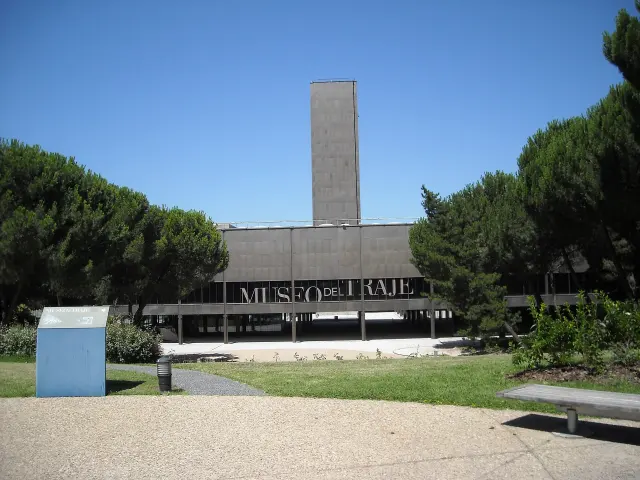
The Museo del Traje collection brings together regional dress, jewellery and accessories, works by Mariano Fortuny y Madrazo, and holdings representing Cristóbal Balenciaga and Pedro Rodríguez. Using the available institutional information, we examine what this concentration of objects allows us to say and the limits of a collection description.

Open story
On this day · 1980

12 August 1981: IBM introduces the PC 5150

On 12 August 1981, IBM introduced the 5150. Its importance lies not only in the machine itself: the later opening of its ecosystem, the spread of compatibles, and the presence of MS-DOS helped make “PC” a central reference in personal computing.

Open story
History · pre-1950

Before Tape: How Early Television Was Preserved

Early regular broadcasts faced a fundamental problem: how to keep a programme designed to vanish once it had aired. The available evidence identifies motion-picture film as the only recording medium until 1956, making it possible to examine what that limitation meant for delayed transmission, archives and television memory.

Open story
Analysis · NOW

Digitisation Is Not Enough: The Context a Museum Must Preserve

A digital copy can broaden access to a collection, but it cannot by itself replace the documentation explaining what an object is, where it came from, and how it reached a museum. This editorial guide examines the value of metadata, archives, and digital narratives in preserving technology and material culture without losing meaning.

Open story
Analysis · NOW

Everyday Life in the Museum: Why Context Is Preserved Too

Museum archives and collections do not only gather exceptional objects: they also make it possible to study everyday activities, customs, and relationships. Drawing on documented holdings in Spain and Latin America, this article examines what can be stated about that work and its limits.

Open story
Analysis · 1970

From Intervention to Record: Documenting Restoration in Spanish Museums

Between 1969 and 2009, museum restoration in Spain can also be read as a transformation in its records: from practices with limited documentation to projects in which research, photographs, reports and follow-up became part of the work. The Prado, the MAN, the National Library and the Cerralbo Museum help place that change without turning it into a linear or universal history.

Open story
Analysis · 1970

The 1970s and the Arrival of the Personal Computer

The collected sources place the emergence, growth, and early consolidation of the personal-computer market in the 1970s. This analysis separates the claims supported by the evidence—microprocessors, the “1977 Trinity,” the Unix era, and the later compatible-PC ecosystem—from the usual simplifications of milestone-based narratives.

Open story
Analysis · 1950

Spanish Fashion as Document: From Garment to Fashion Illustration in Public Collections

Collections and exhibitions at the Museo del Traje and other institutions make it possible to read fashion as material culture: garments, accessories, photographs, magazines, patterns and fashion illustrations preserve traces of production, circulation and use. A tour of what these sources allow us to state—and what they do not—about Spanish fashion from the post-war years to the 1970s.

Open story
History · 1970

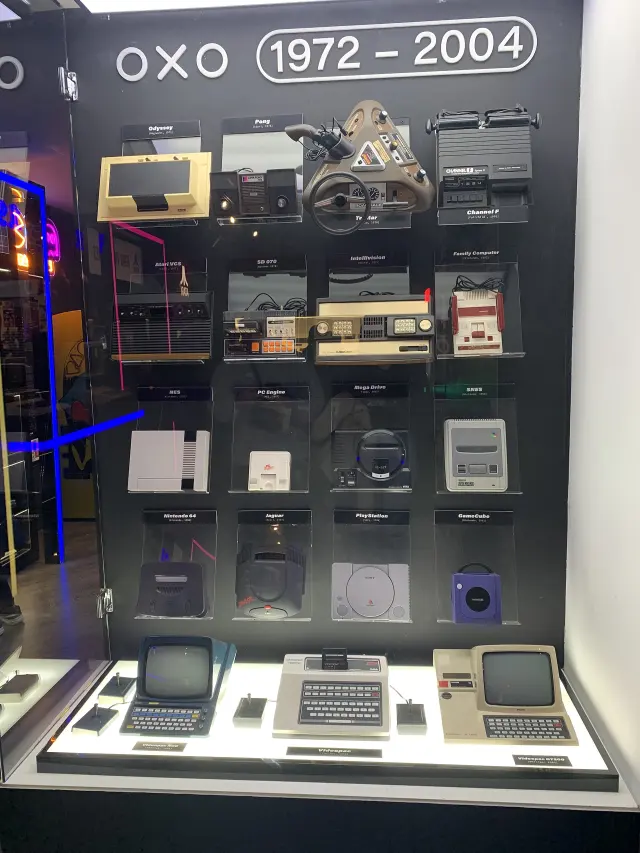
Magnavox Odyssey: the 1972 console and the limits of its founding story

The Magnavox Odyssey is often placed at the beginning of home-console history. The available evidence allows us to place its commercialization in 1972, link its creation to Ralph Baer, and recognize the Brown Box as an antecedent preserved by the Smithsonian; it also requires separating those facts from broader or imprecise later narratives.

Open story
Analysis · 2000

Museum Archive of Photography: When Images Enter the Public Archive

The creation of Mexico City’s Museum Archive of Photography in 2006 makes it possible to examine photography not only as an image, but as a document that must be organized, preserved, and made accessible. Its case is in dialogue with Spanish institutions that safeguard long-running photographic collections.

Open story
Comparison · 1990

From FTP to the Networked Museum: What Early Online Museums Gained and Risked

A comparison of two milestones cited for 1992 and 1994 and today’s debates on digitisation, access, and loss of context. The available evidence traces a move from cultural content distributed through FTP to a museum’s presence on the Internet, while requiring a distinction between putting materials online and preserving their documentary meaning.

Open story
Analysis · pre-1950

Stickers: From Commercial Incentive to the Ritual of Completing an Album

Stickers did not begin as isolated toys. In Spain, the evidence gathered places their antecedents in commercial wrappers from the late nineteenth century, their spread through consumer products in the 1920s, and the sale of packets in the post-war period. This history explains why the album, the duplicate, and swapping form a cultural system of their own.

Open story
Timeline · 2000

2006: When Mexico City’s Urban Photography Gained a Museum Archive

On 6 December 2006, the creation of Mexico City’s Museo Archivo de la Fotografía was published. Drawing on the available institutional information, this article places that milestone within a broader history: photography as a record of urban administration, the challenge of describing large holdings, and the role of museums and photo libraries in preserving visual memory.

Open story
Verified curiosities · 1960

Puerto Cristal: What an Everyday Archive Can Tell Us About a Mining Camp

The Historical Archive of the Puerto Cristal Museum in Chile holds records from the 1960s to the 1990s concerning a mining camp and the lives of its residents. It offers a way to explain why an archive is not a collection of isolated memories: it preserves provenance, activities, and links among the school, radio, port warehouses, laboratory, and mine, although the available evidence does not describe every record or its physical condition.

Open story
Timeline · 1950

Before Tape: How Television Was Recorded Until 1956

The available evidence identifies motion-picture filming and film processing as the only means of recording television programmes from the start of regular broadcasts in the mid-1940s until 1956. This timeline explains what that process involved and the limits that must be acknowledged.

Open story
Collecting · NOW

Household Recipe Books: When a Recipe Is Also an Archive

The Museo da Conserva’s #ComidaViejuna campaign invites us to read household recipe books as objects that preserve recipes, visual habits and cultural memory. Drawing on that initiative and sources on food heritage, this piece examines what can—and cannot—be documented when collecting, describing and interpreting everyday papers.

Open story
Timeline · 1950

1954–1957: Rebuilding the Alcázar de Colón to Present Historic Decoration Again

The Archivo del Palacio Virreinal Museo Alcázar de Colón records a precise turning point: after years in ruins, the building began to be rebuilt in 1954 and reopened as a museum in 1957, with 22 public rooms decorated in a sixteenth-century style. This timeline considers what that information allows us to state and why preserving documents, photographs, and context is essential when interpreting a historic setting without turning it into fiction.

Open story
Collecting · 2000

From Album to Archive: Why Stickers Are Also Heritage

The 2006 opening of Modena’s Museo della Figurina offers a way to examine the sticker as a printed object, a domestic collection, and a cultural document. This guide proposes a careful approach to viewing, cataloguing, and preserving it, while separating established evidence from questions requiring further research.

Open story
Guide · 1990

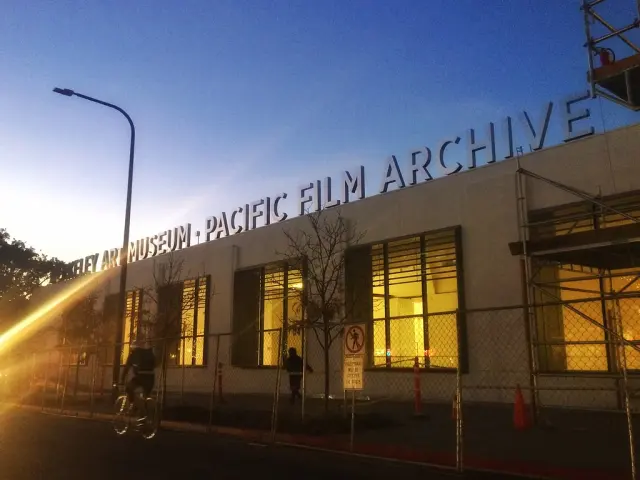
Preserving the 1994 online museum means keeping its context

The Berkeley Art Museum and Pacific Film Archive’s Internet presence in 1994 offers a way into a central question of the early Internet: preserving a digital experience is not merely a matter of saving files. It also requires recording its relationship to the institution, its collections, its uses and its limits.

Open story
Analysis · 1980

How the IBM PC 5150 Made Compatibility the Basis of an Ecosystem

Launched by IBM in mid-August 1981, the IBM PC 5150 entered an already active personal-computing market. Its importance does not lie in being the first personal computer, but in the expansion of an architecture that other manufacturers could adopt and that helped establish the PC as an industry reference.

Open story
Technical sheet · 1980

1980 and the Prado Restoration Archive

In 1980, the creation of the Museo del Prado Bulletin coincided with the systematic preparation of reports for every treated work and the organisation of a dedicated archive. More than an administrative detail, this process made conservation a consultable part of the museum’s memory.

Open story