The physical integrity of an object has been the unmovable standard of conservation for decades. However, recent evidence suggests that this paradigm is in transition. In the realm of retro objects and contemporary art, preservation no longer limits itself to keeping matter intact, but incorporates the active management of cultural context and accessible documentation. This shift in focus redefines what it truly means to keep an object in time.
The object as an information vector
Reference institutions, such as the Reina Sofía Museum, have integrated conservation and the transmission of works as central objectives of their mission. This dual condition of museum and art center implies a vision where the piece is not an end in itself, but a vector of information. Conservation, in this framework, does not seek only to stop material deterioration, but to ensure that the meaning and experience associated with the object remain legible for future generations. Matter is the support, but the cultural content is the message that must be preserved.
Digitization as an access layer
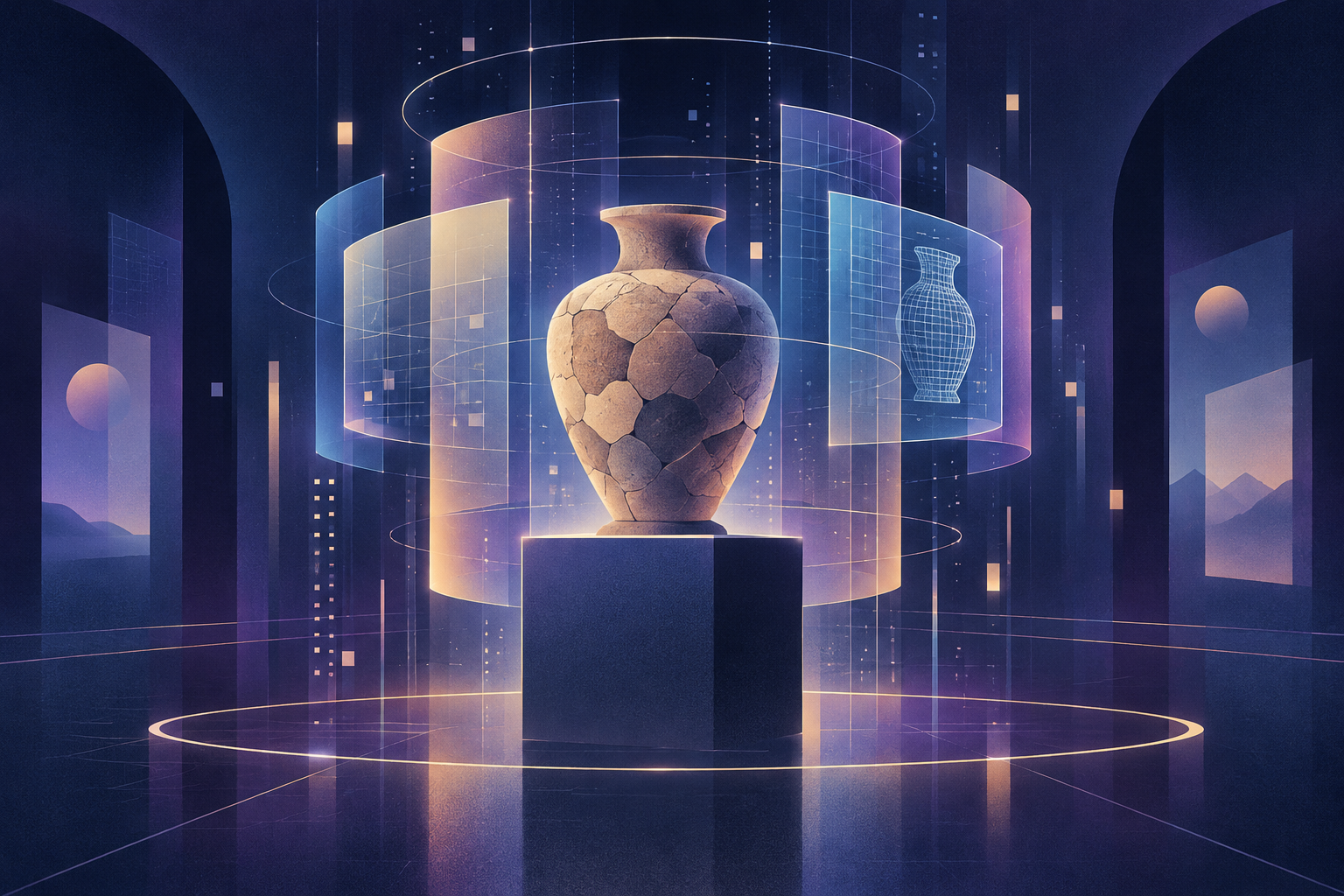
Projects like the digital conservation of the Ipiranga Museum in Brazil illustrate this new direction. The creation of large-scale 3D models does not replace the physical object, but offers an additional access layer. This technology allows studying, visualizing, and understanding the piece from angles and scales impossible in the traditional display case. The digital model thus becomes a mediation tool that enriches the experience of the visitor and the researcher, without erasing the inherent differences between the original and its digital representation.
Matter and experience
The fundamental question in this new era of conservation is what is actually preserved: matter or experience. Evidence indicates that both are necessary, but that experience gains relative weight. A retro object, by itself, may lose relevance if its historical and cultural context is not documented and updated. Digitization allows capturing that context, creating an archive that acts as a living space where information is updated and connected to new interpretations. It is not about replacing the object, but expanding its horizon of meaning.
The digital archive as a living space
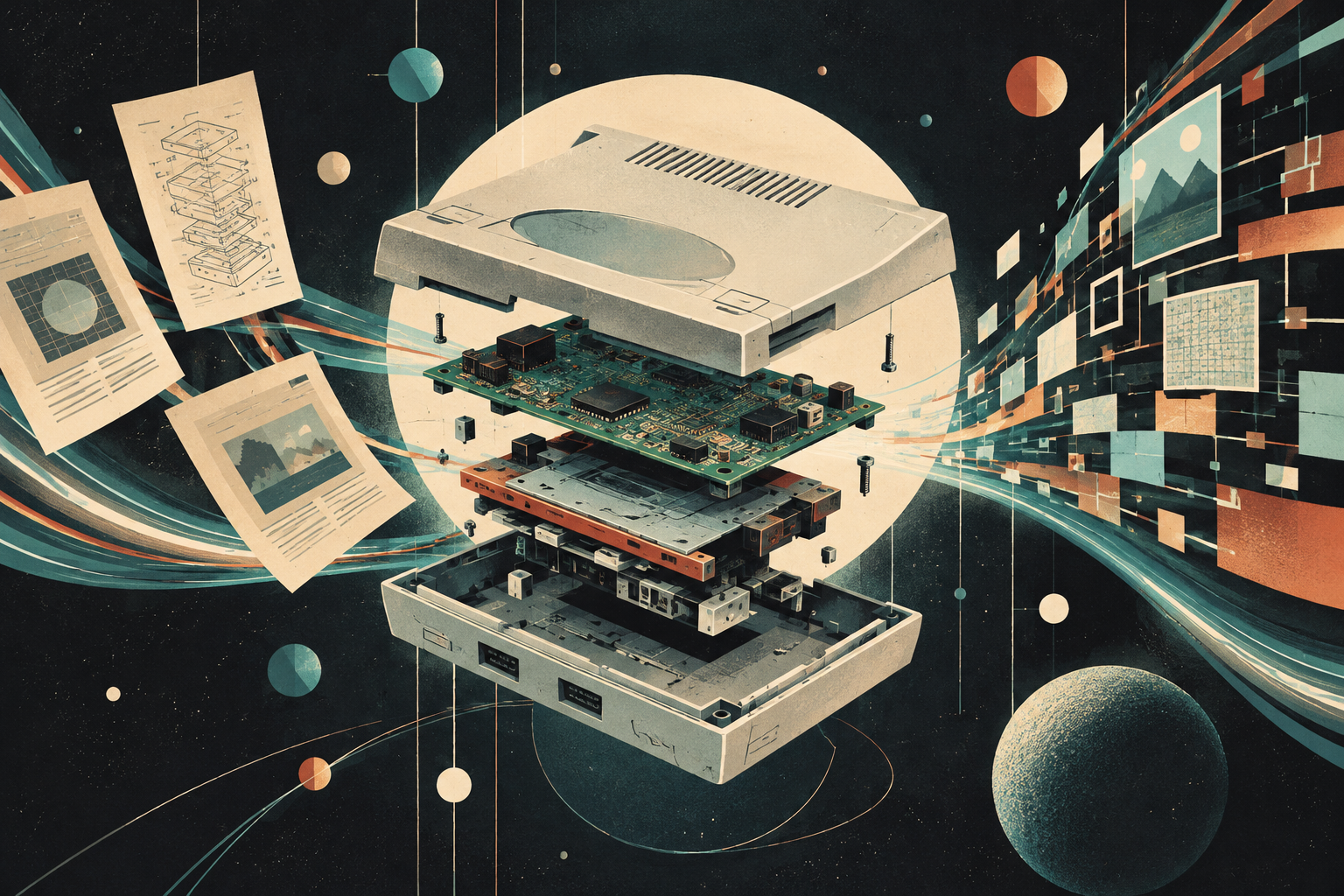
Unlike a static archive, the contemporary digital archive functions as a dynamic organism. In the case of electronic art collections, conservation involves managing information flows, bibliographic and audiovisual archives that provide context and access to primary sources. This approach recognizes that technology changes, and that preservation must adapt to those changes. The digital archive is not a faithful copy, but a continuous interpretation that allows the retro object to remain relevant in a constantly transforming world.
Sustainability and flow management
Sustainability in museums and the management of digital collections reinforce the idea that conserving is also managing the flow of information. This involves decisions about which data are prioritized, how they are stored, and how they are made accessible. The management of electronic art collections, for example, requires a deep understanding of obsolete technologies and how to emulate their functioning. This technical complexity underscores that contemporary conservation is an active and continuous process, not a final state.
Dialogue between history and technology
Contemporary retro is therefore understood as a dialogue between historical matter and the digital tools that allow its current reading. This dialogue is not unidirectional; digital technology also influences how we perceive and value objects from the past. Digitization is not just a preservation tool, but a means of reinterpretation. By integrating the physical and the digital, museums and conservation institutions create a space where history and technology meet, generating new layers of meaning and access.
Limits of verification
It is important to recognize the limits of what can be verified in this process. Digitization introduces new variables, such as technological obsolescence and dependence on specific platforms. Furthermore, the interpretation of cultural context can vary depending on the perspective of the researcher or the institution. Available evidence suggests that, although digitization offers powerful tools, it does not eliminate the need for rigorous human curation. The preservation of cultural context requires a continuous effort of documentation, analysis, and updating, which goes beyond the simple capture of data.
Conclusion
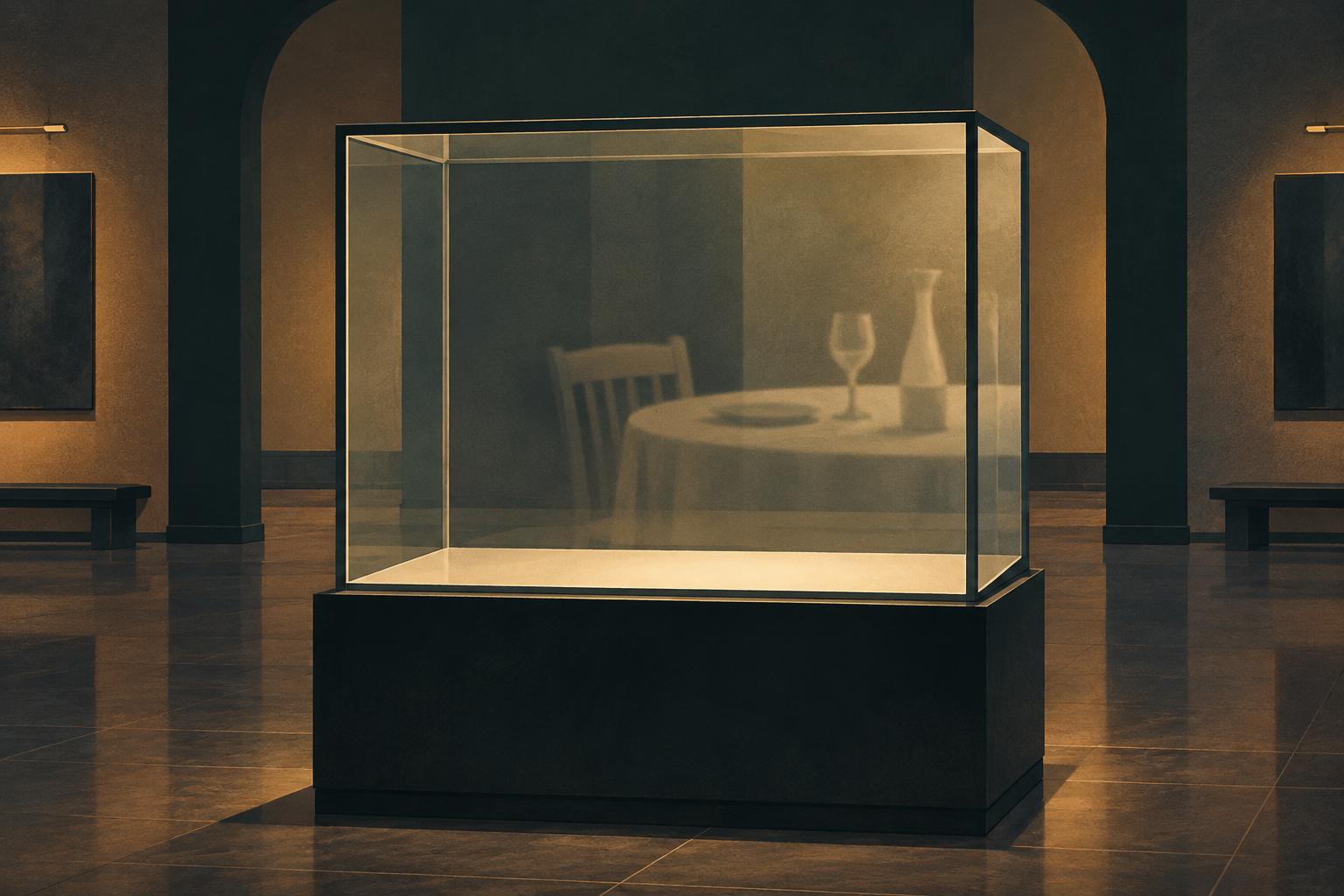
The conservation of retro objects has evolved from a practice centered on matter to one that integrates the management of cultural context and digital documentation. This shift does not discard the importance of physical integrity, but places it in a broader framework where experience and meaning are equally crucial. The digital archive acts as a living layer that complements the physical display case, allowing retro objects to remain relevant in the present. The key is to understand that conserving is a dynamic process, which requires a constant dialogue between history, technology, and culture.
- Decade
- Contemporary
- Region
- Global
- Level
- Enthusiast
- Entities
- Museum, Museo Reina Sofía
Sources and references
- DEPARTAMENTO DE CONSERVACIÓN-RESTAURACIÓN ...www.academia.edu · 2026-10-16
- Conservación del patrimonio y sostenibilidad en museosdoi.org · 2026-10-16
- Conservación digital del Museo Ipiranga en Brasilwww.autodesk.com · 2026-10-16
- Museo del Carmen Altowww.facebook.com · 2026-10-16
- conservación del arte electrónico: ¿qué preservar y cómo ...www.annetteweintraub.com · 2026-10-16