A history without a single beginning
Telling the history of the personal computer as if everything began on one specific date is convenient, but it narrows the picture. The Universitat Politècnica de València’s Computer Museum places the emergence, growth and consolidation of the personal-computer market in the 1970s. An encyclopedic summary among the supplied sources, meanwhile, says the mass-market history began in 1977. These claims need not conflict: one describes a process with several stages; the other offers a reference point for the expansion into mass consumption.
The distinction matters because the home computer did not arrive fully formed, with a settled purpose and audience. There was a transition from the development of a market to the normalization of a device for the home. Rather than look for a miraculous instant, it is more useful to consider how computing changed scale: who could approach it, what people expected it to do and where it began to make sense.
From an emerging market to a consumer object
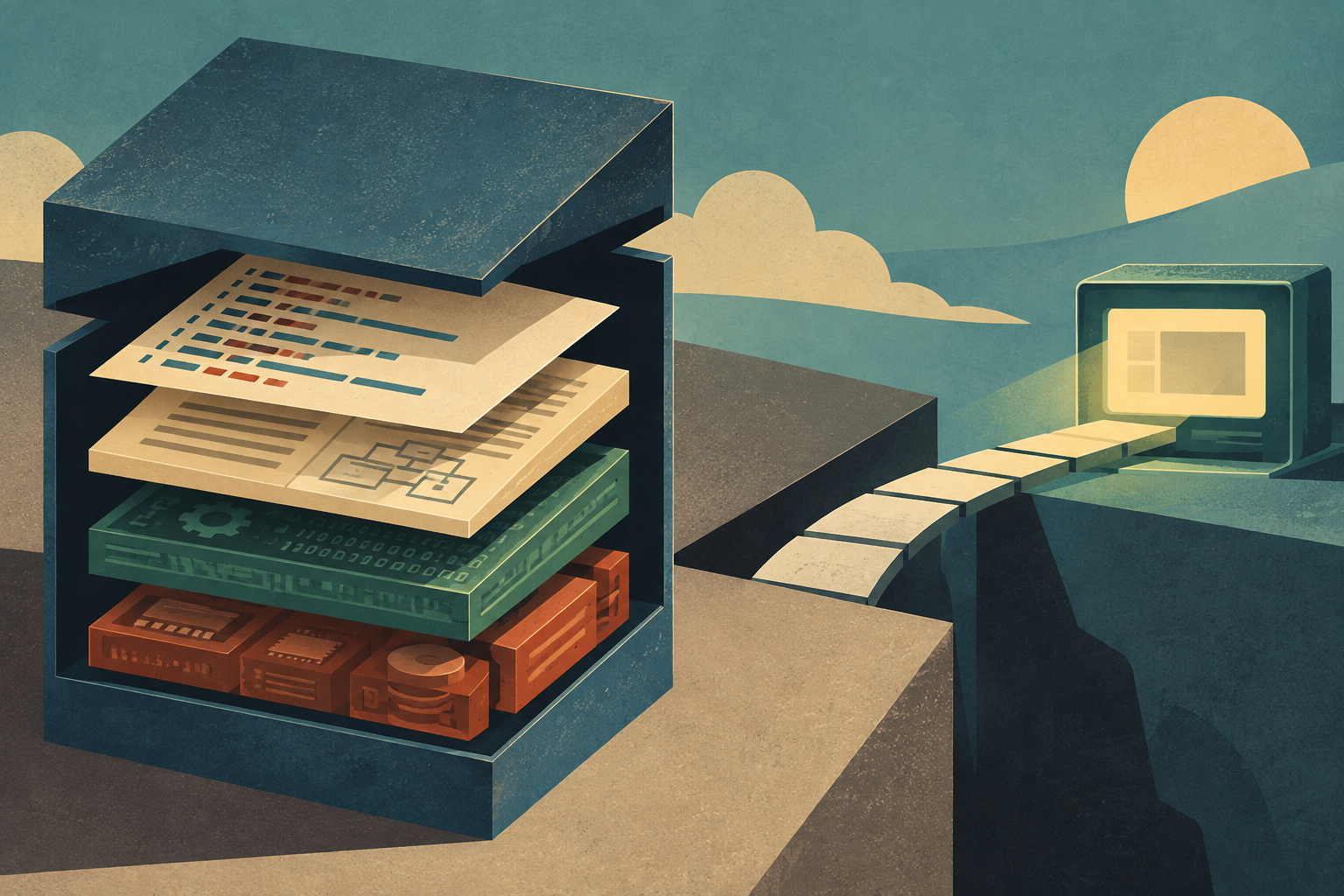
The available sources support a general argument, not a complete reconstruction of every model, manufacturer or sales figure of the decade. The UPV museum describes the 1970s as a period of emergence, growth and consolidation for the market. That sequence—not one isolated product—is the central point. It suggests that the category “personal computer” took shape as computing’s place expanded beyond its earlier settings.
A broad economic account published by CaixaBank notes that computers became especially familiar in everyday life during the 1980s, even though their economic influence went back decades. Read alongside the UPV chronology, this helps separate two phenomena: the existence of a market and a society’s experience of becoming accustomed to these devices. A technology can have a history without everyone using it at once or adopting it at the same pace.
The promise of making computing accessible
A teaching resource on the personal-computer revolution identifies the 1981 IBM Personal Computer as a low-cost, easy-to-use machine designed for the general public. This wording documents an important aspiration: to present computing as something closer to the ordinary user. But a description of design or market positioning does not, by itself, prove that everyone could afford, understand or use the machine without barriers.
That is why phrases such as “easy to use” deserve careful reading. They may describe an intention to bring a machine closer to a wider audience; they are not a substitute for evidence about different users or their actual experiences. Popularization is better understood as the sum of changes in the market, presentation and interfaces than as the automatic result of a device being advertised to more people.
The interface changes the scale too
The supplied entry on Macintosh gives the Macintosh 128K, launched on January 24, 1984, a prominent role in the commercial introduction of the graphical interface and mouse on a personal computer. The same source describes it as the first personal computer of this kind to be marketed successfully. This lets us see that the history of personal computing is not only about making machines smaller or placing them in the home. It is also about how people interact with them.
An interface changes what a machine appears to ask of its user. Moving from a command line to graphical elements and a mouse can be interpreted as an effort to make interaction more visible. It does not follow, however, that a new interface removed every difficulty or that all computers followed the same path. This example points to a documented change; it cannot stand in for the entire industry’s evolution.
What the record can and cannot tell us
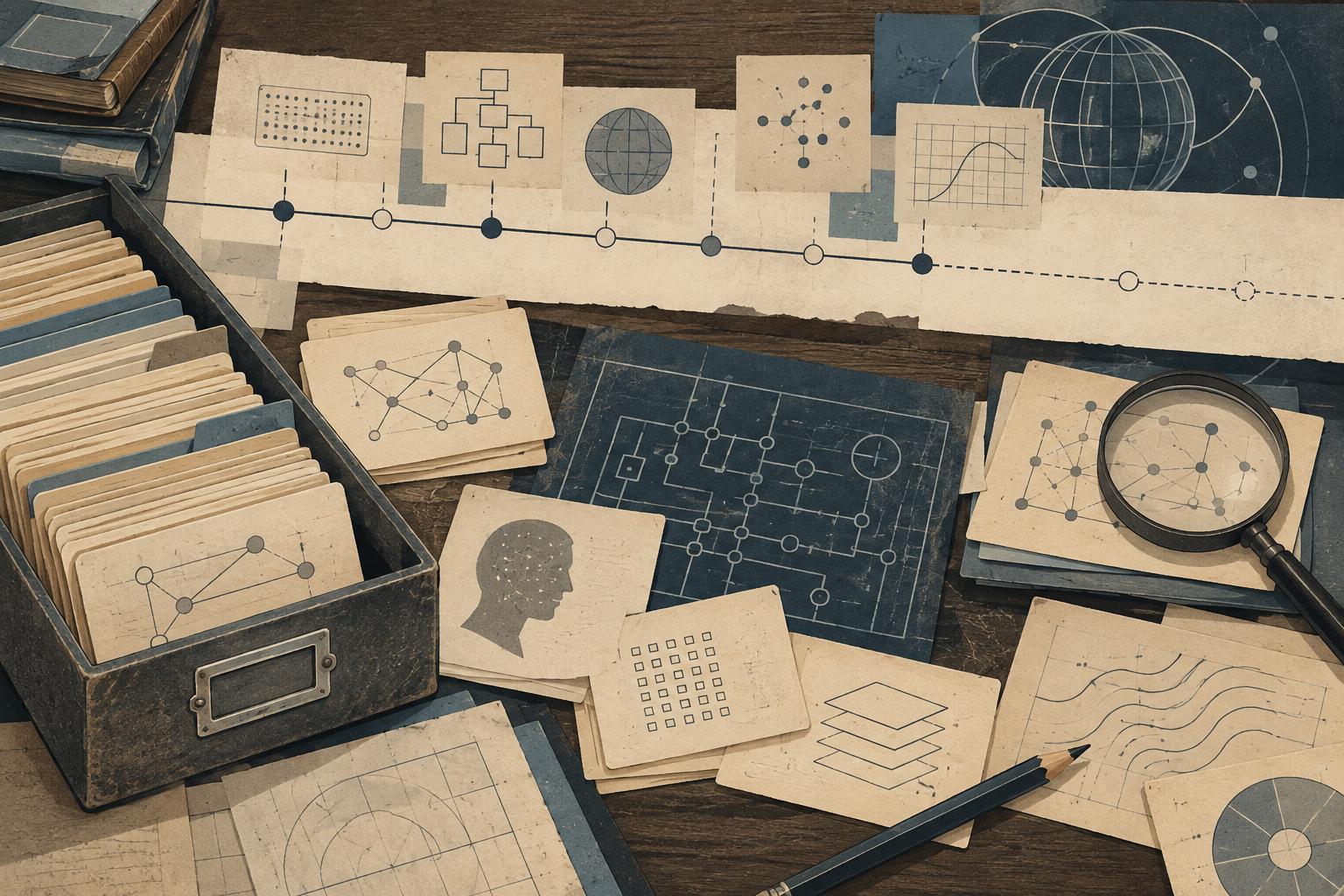
The sources sketch a clear sequence: market consolidation in the 1970s, a reference to the mass market in 1977, a product presented to the general public in 1981 and a highly visible commercial interface in 1984. This is a useful map, but it cannot fully explain regional diversity, everyday practices, unequal access or each manufacturer’s history. Nor does it, on its own, provide comparable sales figures or user testimony.
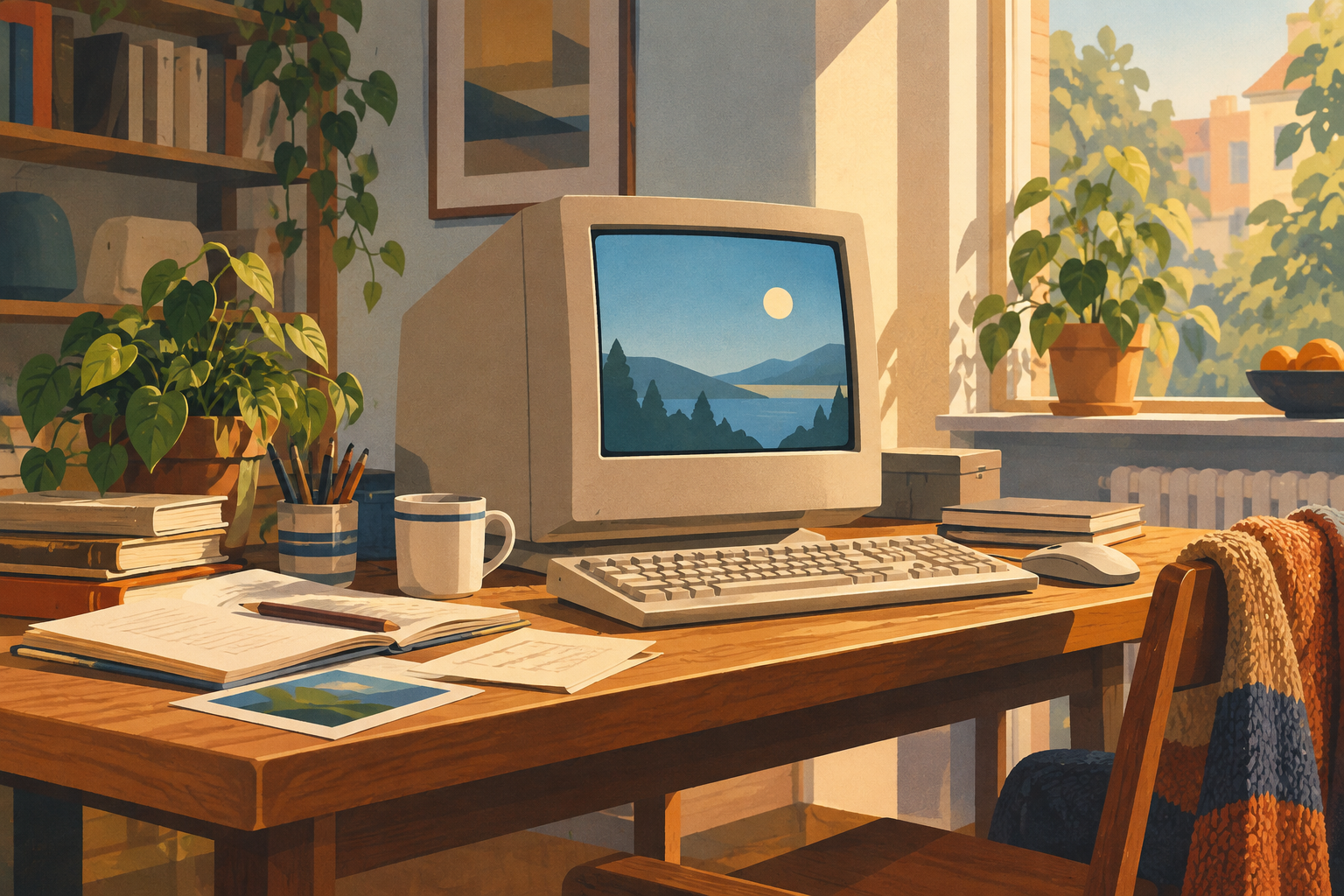
On the evidence available here, the personal computer’s legacy lies in a gradual change of scale: from a market category to a technology that became increasingly familiar in economic and domestic life. The shift was not identical for everyone. It was an evolution shaped by markets, promises of accessibility and interfaces, moving at different speeds and with limits that a general account should not conceal.
- Decade
- 1970s
- Region
- Global
- Level
- Introduction
- Entities
- Museum
Sources and references
- Historia del Ordenador Personalmuseo.inf.upv.es · 2026-09-30
- Historia de las computadoras personaleses.wikipedia.org · 2026-09-30
- El ordenador: el invento con más impacto en economía y so...www.caixabank.com · 2026-09-30
- El ordenador en el museo: herramienta de documentación y ...www.retropause.com · 2026-09-30
- La revolución de los ordenadores personalescourses.minnalearn.com · 2026-09-30
- Macintoshes.wikipedia.org · 2026-09-30