A record is a starting point
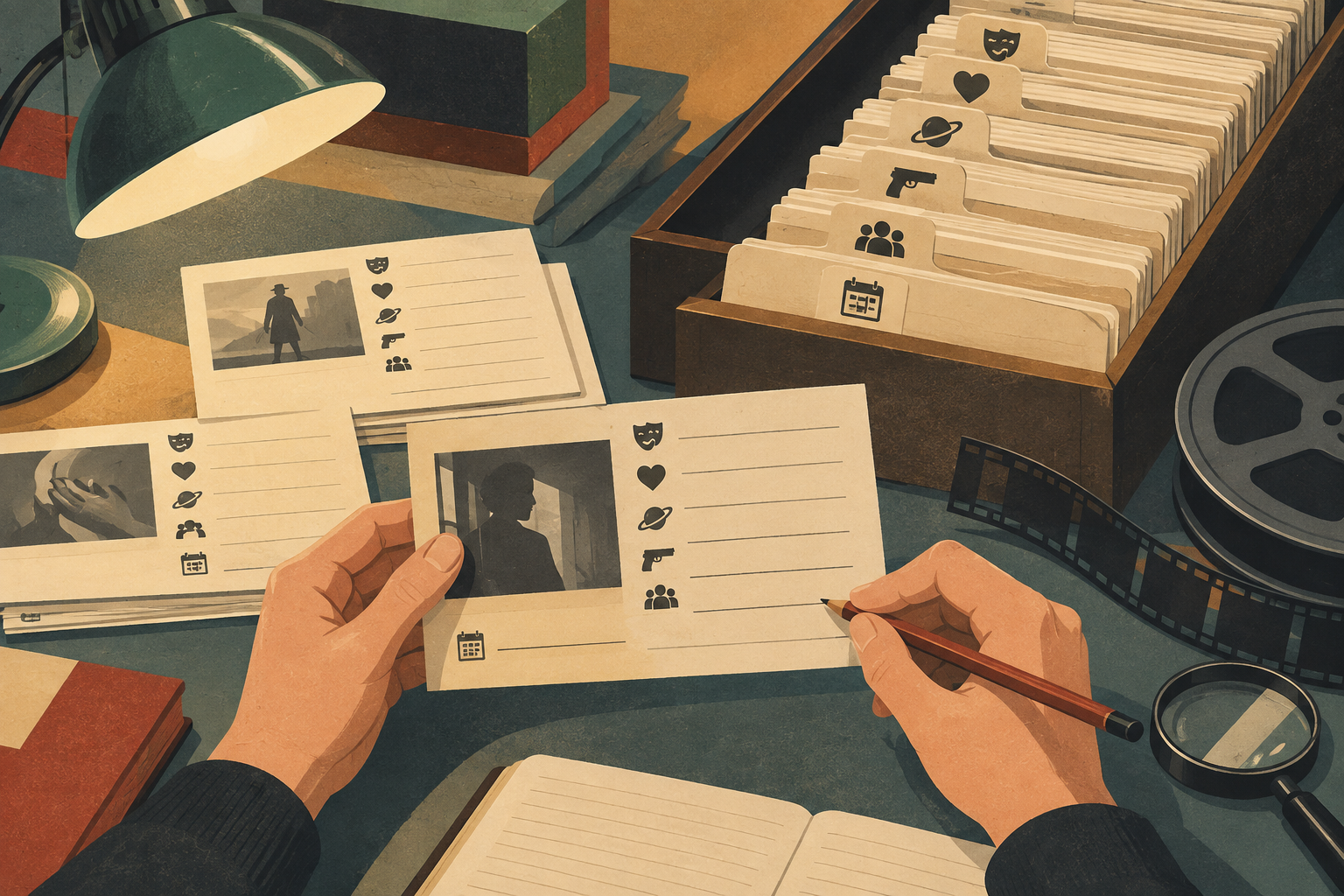
Searching for cards and albums by a remembered title may lead to a related object, but not necessarily to the exact edition. A catalogue helps move from intuitive searching to documented identification: it provides a name to search, places an object within a collection and may bring images together with descriptive information. CER.es describes itself as an online collective catalogue bringing together information and images of a significant selection of cultural objects. It can therefore guide research, but it does not automatically guarantee that every edition or variant of popular collectibles has been identified.
The distinction matters. A record can confirm that an object is catalogued under a particular title and date. By itself, it does not prove that the title was used for every edition, that surviving cards make up a complete series, or that two visually different copies are manufacturing variants.
What the 1907 example establishes
The CER.es result for the search “Álbum de cromos” identifies a record titled “Colección Zoológica,” dated 1907, with the cultural context or style “Reinado de Alfonso XIII,” document number 7 and the Museo Pedagógico as its museum. This is a concrete basis for describing the record and recognising that the catalogue groups an object under that title and those details.
However, the supplied result does not list the album’s cards, describe differences between copies or offer a list of editions. It therefore cannot establish how many variants the album had, how its pieces were distributed, or whether different versions were marketed. Caution does not diminish the record’s value; it defines its scope precisely.
Which fields help with comparison
To determine whether a catalogue helps identify series and variants, examine what it records at each level. In this example, the title, date, context, document number and institution are explicit in the search result. The search locates a specific record; the supplied extract does not provide a detailed inventory of its contents.
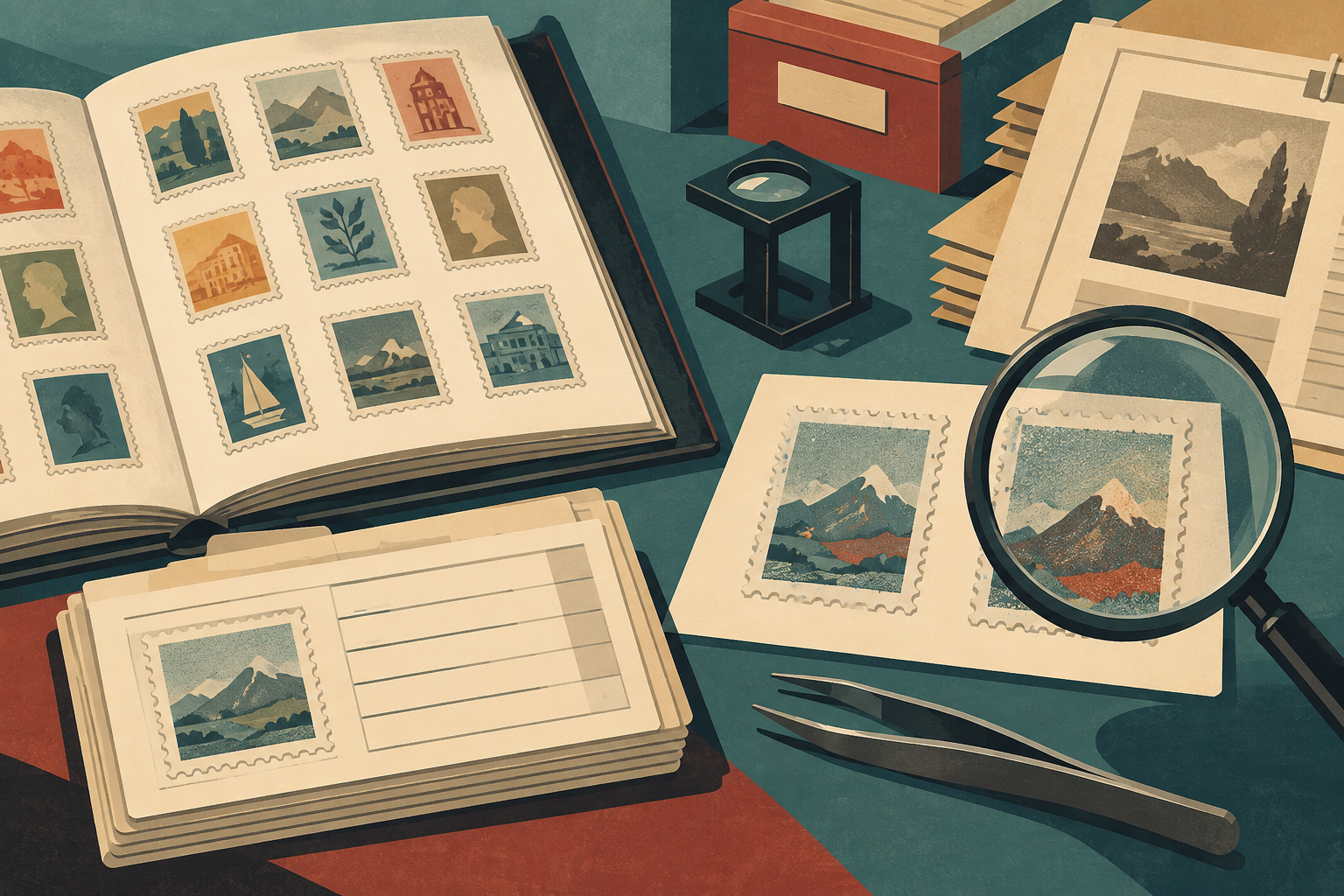
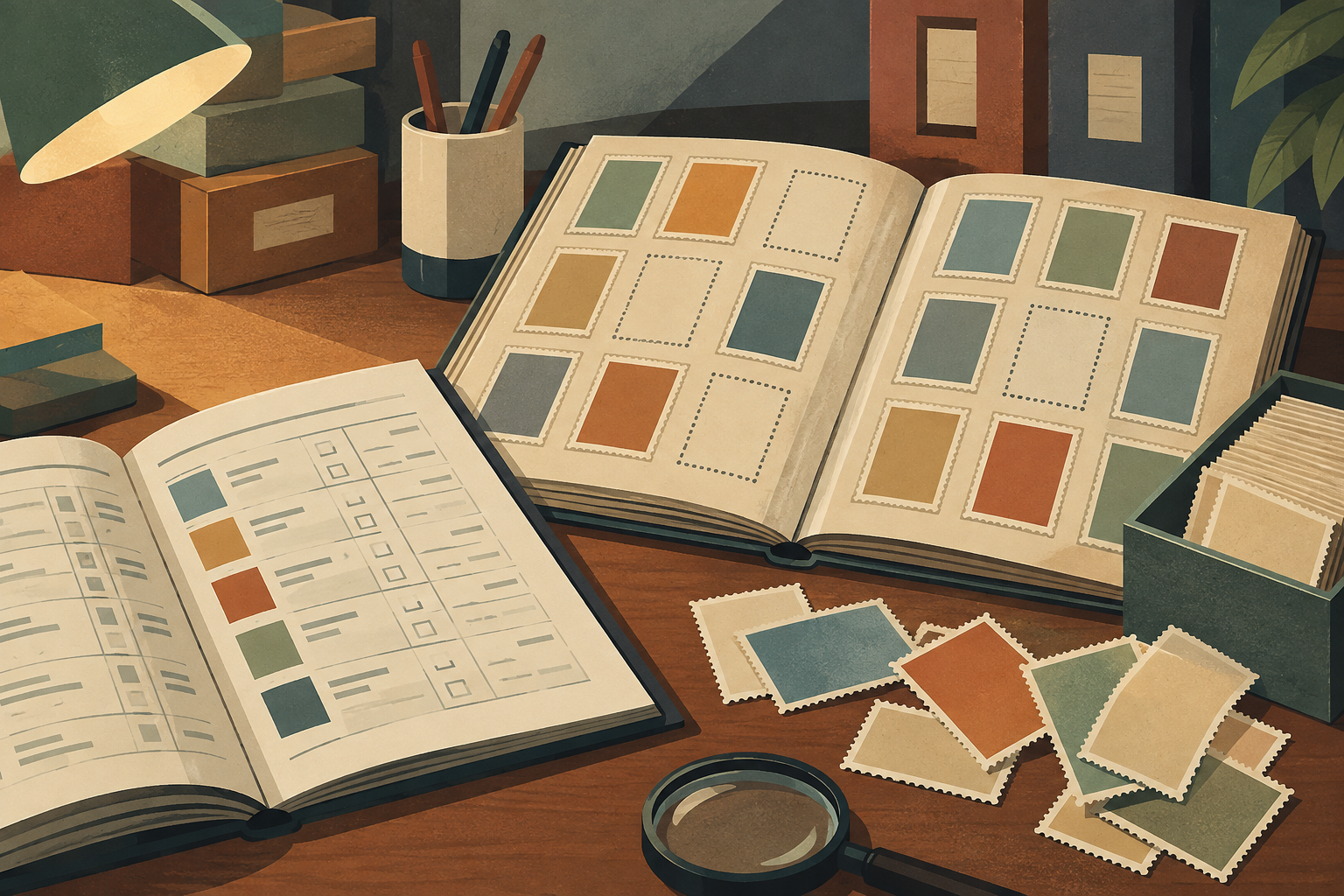
A responsible comparison would begin by separating identification of the album from identification of each card. It would then look for documented similarities and differences: printed titles, numbering, sequence, format or publisher marks, but only where sources or examination of the objects actually provide such information. Fields should not be filled in by analogy, and signs of wear should not be mistaken for edition differences. If a description is missing, that absence should remain visible.
From object to archive
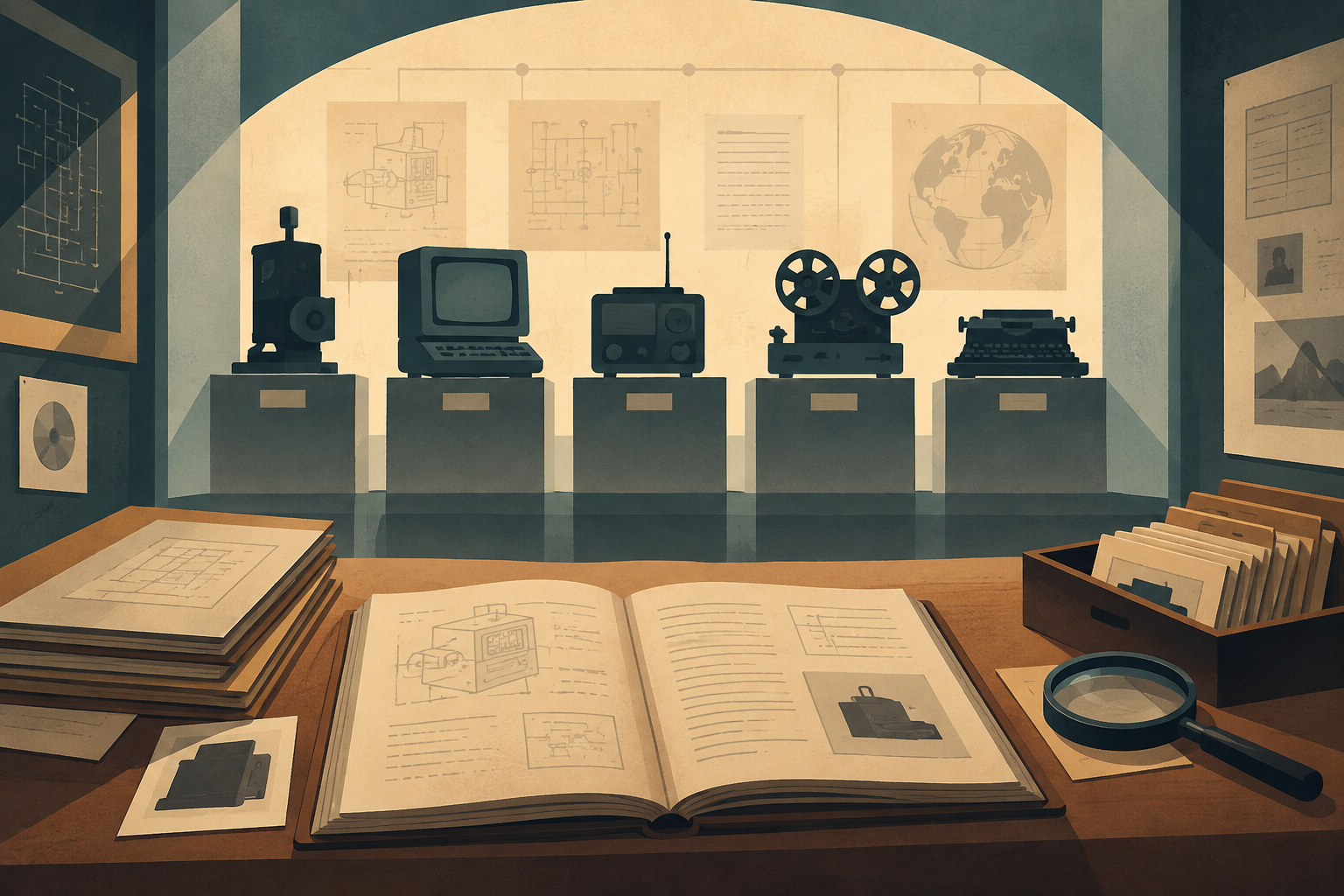
Museum archives can provide a different institutional context from a public catalogue. Spain’s Ministry of Culture says that state museum archives preserve documentation relating to objects from the moment they are deposited. The National Archaeological Museum describes its historical archive as reflecting the people associated with the museum, the history of its collections and its intellectual activities. These descriptions support treating archives as a complementary research route; they do not prove that specific documentation about this album is held there.
Visual documentation matters too. Ibermuseos’ protocol describes visual documentation of collections as photographic recording intended to identify objects. For collectible cards, comparable images could help identify visible features, but a photograph does not automatically replace information about provenance, edition or context. Images allow observation; catalogues and documents support arguments about what is being observed.
Identification is not valuation
The Museo del Álbum de Cromos Villa de Estadilla, inaugurated in 2023 according to Aragón’s cultural authority, is an example of an institution dedicated to collectible albums and frames its programme around a period running from 1900 to 2000. This establishes a museum context for the subject; it does not establish which series the museum holds or prove that it has a catalogue of variants.
For collectors, the practical lesson is simple: record what the source says, distinguish it from what the object shows and keep uncertainties visible. A catalogue helps locate and name objects; an archive may offer further documentation; a photograph supports visual comparison. None of these tools, on its own, justifies inventing an edition or inferring a price. For “Colección Zoológica,” what can be verified is a record with a stated title, date and context. Research into possible variants remains open until specific evidence is found.
- Decade
- Contemporary
- Region
- Spain
- Level
- Introduction
- Entities
- Museum, Museo Arqueológico Nacional
Sources and references
- Archivo histórico - | Ministerio de Culturawww.man.es · 2026-10-02
- CER.es Colecciones en Red - Ministerio de Culturaceres.mcu.es · 2026-10-02
- ARCHIVOS DE LOS MUSEOS ESTATALESwww.cultura.gob.es · 2026-10-02
- protocolo-documentacion-visual.pdfwww.ibermuseos.org · 2026-10-02
- MACVE. Museo del Álbum de Cromos Villa de Estadillaculturadearagon.es · 2026-10-02
- CER.es Colecciones en Red - Resultados de la búsquedaceres.mcu.es · 2026-10-02
- Del álbum al archivo: qué puede enseñar la museología a ...www.retropause.com · 2026-10-02