A change in material does not tell the whole story
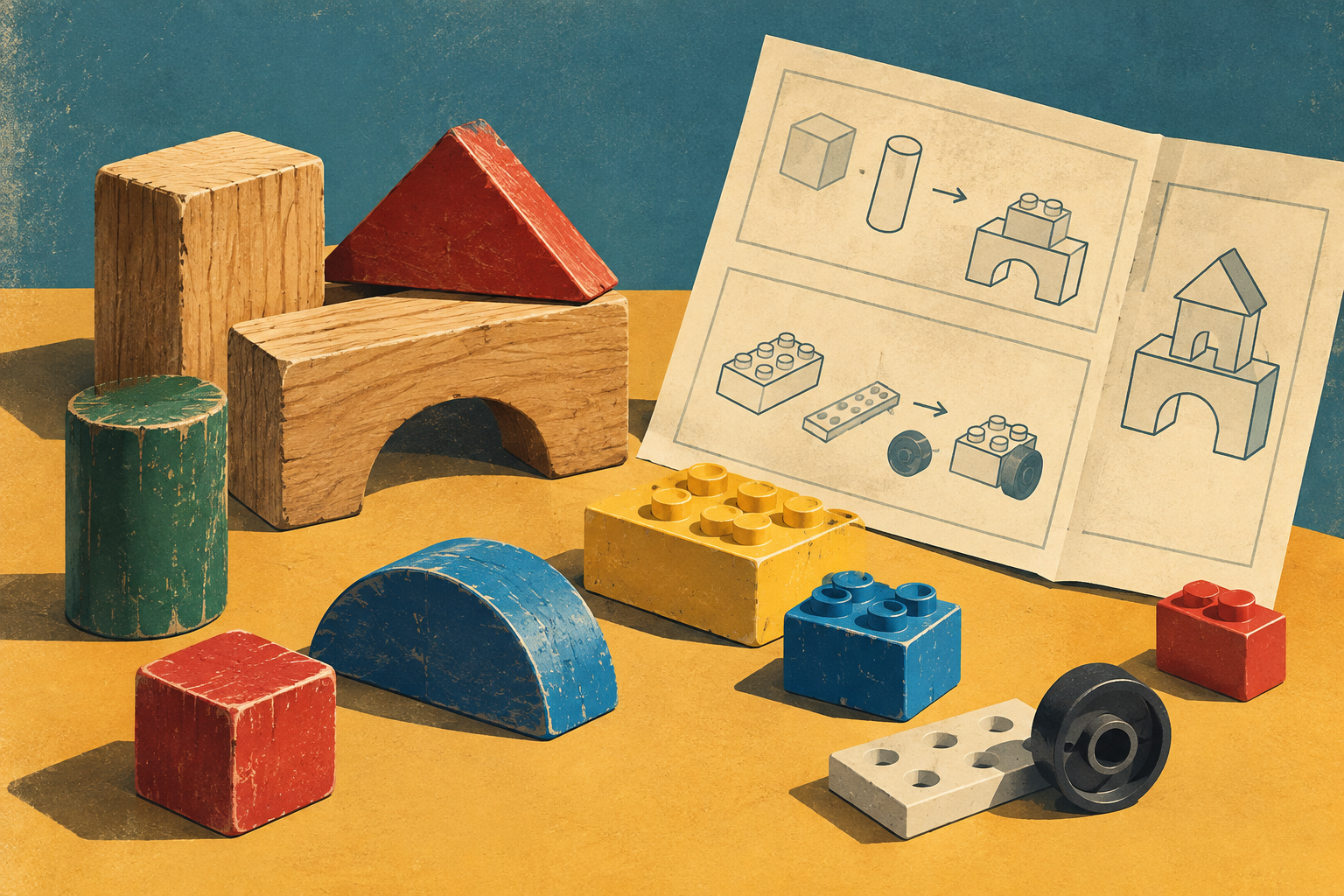
Sources gathered on Spanish toys in the 1970s describe the growing presence of plastic. Other materials and contexts add nuance: a study of popular toys in Guadalajara places plastic’s arrival around 1950; research on Ciudad Rodrigo links its advance in the second half of the twentieth century to a decline in certain crafts. These are signs of change, not a single chronology for all toys or an automatic explanation of play.
Wood allows comparison, not idealisation
An academic article on wooden toys names yo-yos, spinning tops, wheeled animals, hobbyhorses, dolls and rocking toys. This list identifies forms and objects; by itself, it does not establish how they were used, who made them or how long they lasted. It does provide a basis for specific comparisons: which parts were held, spun or moved? To answer, one would need to consult the objects, their instructions and further documentation, rather than infer a complete mechanism from the material alone.
Plastic as a historical clue
A source on material culture from the Colombian Pedagogical Museum warns that many plastic toys of the period used pigments made with elements such as lead and cadmium. The available excerpt does not identify particular toys, precise dates or the scope of the claim. It should be treated as a limited documentary warning, not as a feature attributable to every plastic toy. Material evidence can raise questions about conservation and safety, but it cannot replace examination of each object.
What to look for on a box and in its instructions
This piece’s editorial focus begins with a useful question: what uses can instructions help reconstruct? The sources available here do not reproduce instructions, packaging or signs of use for an individual toy. They therefore cannot establish a product’s recommended age, assembly sequence, intended audience or specific rules. In object research, those elements would be primary evidence: they would need to be described and compared with the object, without assuming that the box records every real use.
Traces of use and their limits
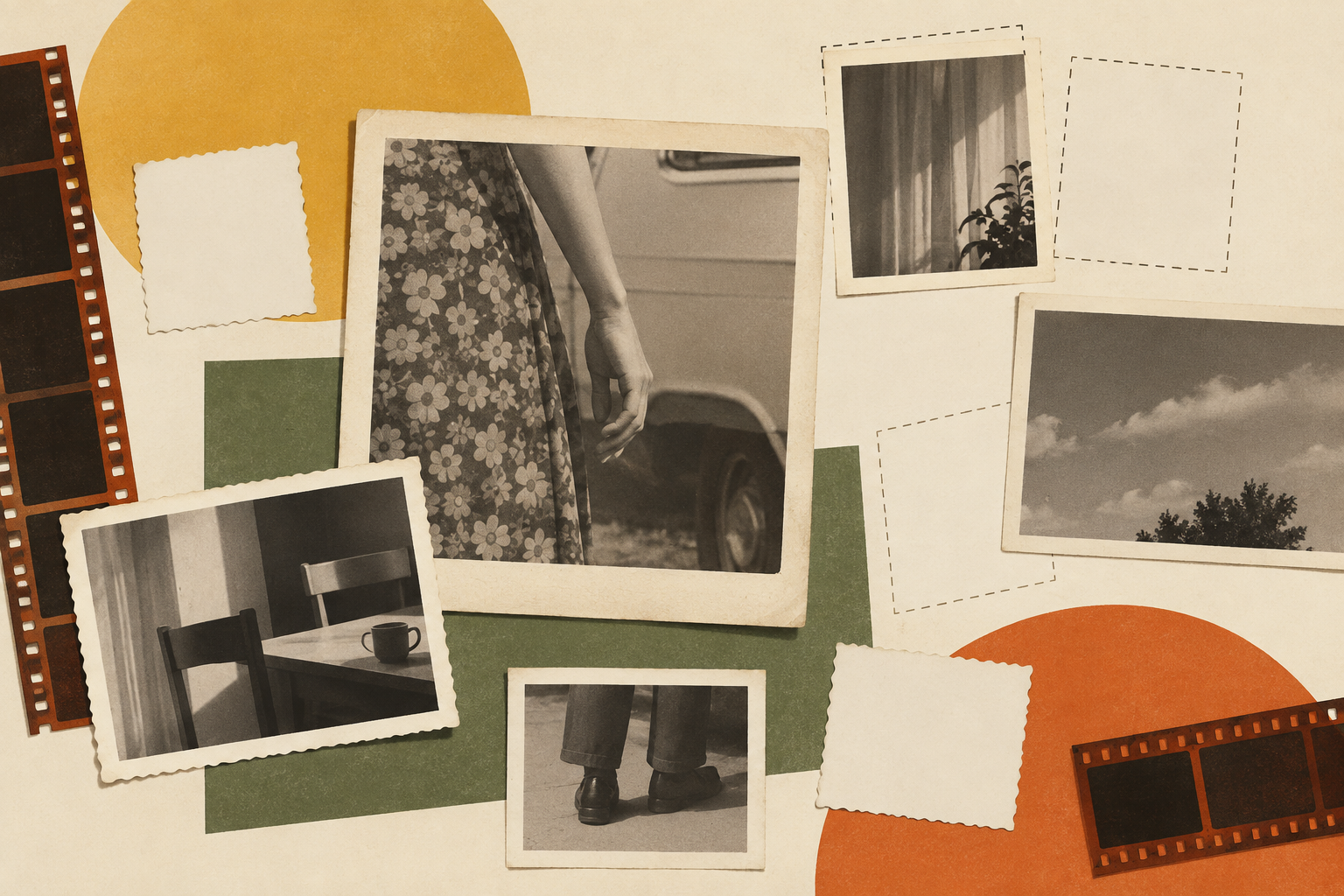
A collection or preserved object can document materials and forms; another RetroPause article explicitly considers the toy as a museum document. But a visible trace does not by itself identify who played or under what circumstances. Likewise, the transition from wood to plastic does not prove that a form of play disappeared when its material changed. Such conclusions would require sources documenting practices, manufacture or the circulation of specific objects.
A material reading, not a complete history
The evidence supports describing the spread of plastic in particular accounts and periods, the persistence of wooden toys, and a warning about pigments in plastic toys. It is not enough to reconstruct particular instructions or mechanisms. That limitation does not make the object uninformative: it helps distinguish what can be stated from what still needs investigation. Reading materials alongside packaging, instructions and signs of use is one way to approach play without mistaking a material clue for a complete history.
- Decade
- 1970s
- Region
- Spain
- Level
- Enthusiast
- Entities
- Museum
Sources and references
- Cultura Material - MUSEO PEDAGÓGICO COLOMBIANOmuseopedagogico.pedagogica.edu.co · 2026-10-02
- El juguete español en los años setenta: plástico, consumo y ...www.retropause.com · 2026-10-02
- Juguetes de madera o el palimpsesto del árbolrevistas.ucm.es · 2026-10-02
- EL JUGUETE POPULAR EN GUADALAJARA arqueología y ...amigosmuseodeguada.es · 2026-10-02
- El uso social del juguete en Ciudad Rodrigo - Gredos Principalgredos.usal.es · 2026-10-02
- El juguete como documento: qué puede contar una colección ...www.retropause.com · 2026-10-02
- Los juguetes de la infancia: intervención y diálogo ...www.scielo.org.ar · 2026-10-02