The preservation of cultural heritage has traditionally focused on the physical integrity of the piece. However, when addressing mass-consumption objects produced between the 1970s and 1990s, this premise becomes insufficient. The abundance of these artifacts makes their exhaustive individual preservation unfeasible, forcing a rethinking of what constitutes the value of a retro object. The answer lies in the layer of information surrounding it, a dimension that digital technology allows to capture with unprecedented precision. This article explores how the digital record acts as an essential complement, not a substitute, to the physical object, transforming how institutions and collectors understand authenticity and historical relevance.
The Limitation of Physical Matter
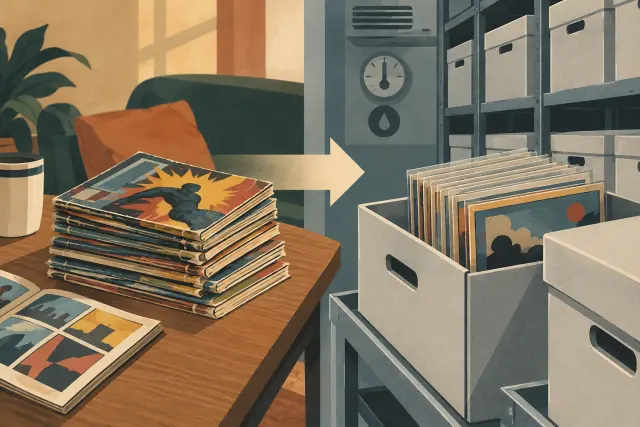
The physical object is fragile and suffers inevitable degradation. For unique or high-value pieces, physical restoration remains the priority. However, for mass consumption, the scale is overwhelming. Attempting to keep every unit in a pristine state is logistically impossible. Evidence suggests that the cultural value of these objects does not reside solely in their material conservation state, but in their ability to evoke a specific historical context. Matter is the anchor, but information is the content. Without documentation, the object is merely an industrial residue; with it, it becomes a historical document.
The Role of Museum Institutions
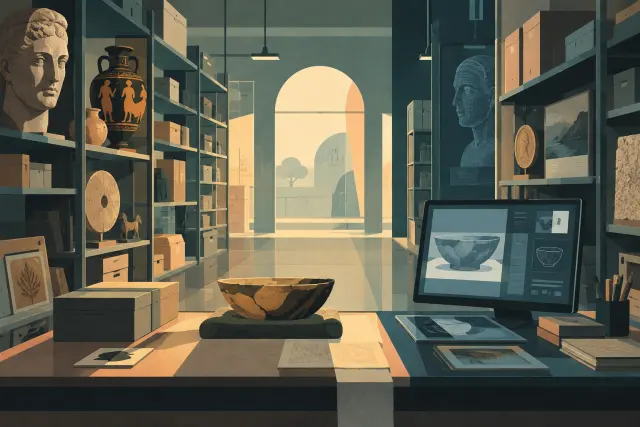
Institutions like the Reina Sofía Museum have established theoretical frameworks for the conservation of contemporary art, where the transmission of the work is as important as its physical preservation. Although their main focus is art, the applicable principles are clear: accessible documentation and historical context are pillars of cultural value. In the retro sphere, this translates into the need to register not only the form but the function, use, and social reception of the object. The museum ceases to be a warehouse of objects to become a center of interpretation, where digital data enriches the visitor's experience.
The Ipiranga Museum Case
A concrete example of this transition is the digital conservation project of the Ipiranga Museum in Brazil. The digital transformation applied there allows for the registration and conservation of monuments and structures to protect them from losses due to deterioration. Although the object of study is architectural, the methodology is transferable to consumption objects. By capturing details that time might erase, an archive is created that allows studying the object even if the physical piece deteriorates or is lost. This approach demonstrates that digitization is not a backup copy, but an analytical tool that allows access to layers of information invisible to the naked eye.
Authenticity in the 21st Century
The notion of authenticity has evolved. In the past, authenticity was synonymous with physical originality. Today, in the digital age, authenticity is built through the veracity of documentation. A retro object may be worn, but if its context, history, and specifications are rigorously documented, its cultural value remains intact. The tension between the original and the digital is not a contradiction, but an analytical tool. The digital record validates the existence and relevance of the object, offering a new perspective on how authenticity is understood in the 21st century.
Context as Added Value
The collective cultural relevance of objects from the 1970s to 1990s demands rigorous documentation. These objects are witnesses to social, economic, and technological changes. Digital documentation allows contextualizing them, linking them to historical events, design trends, and consumption habits. Without this context, the object is isolated. With it, it is integrated into a broader narrative. Digitization facilitates this process by allowing the interconnection of data, creating networks of information that enrich the understanding of the object. The added value is not in the piece, but in the network of meanings surrounding it.
Challenges of Digital Preservation
Although digitization offers advantages, it also presents challenges. Technological obsolescence is a constant threat. File formats change, and the devices to read them disappear. The sustainability of digital preservation requires long-term planning and periodic data migration. Furthermore, the quality of documentation depends on the rigor of the process. An incomplete or inaccurate digital record can distort the perception of the object. Therefore, it is crucial to establish quality standards and preservation protocols that guarantee the integrity of information over time.
Conclusion
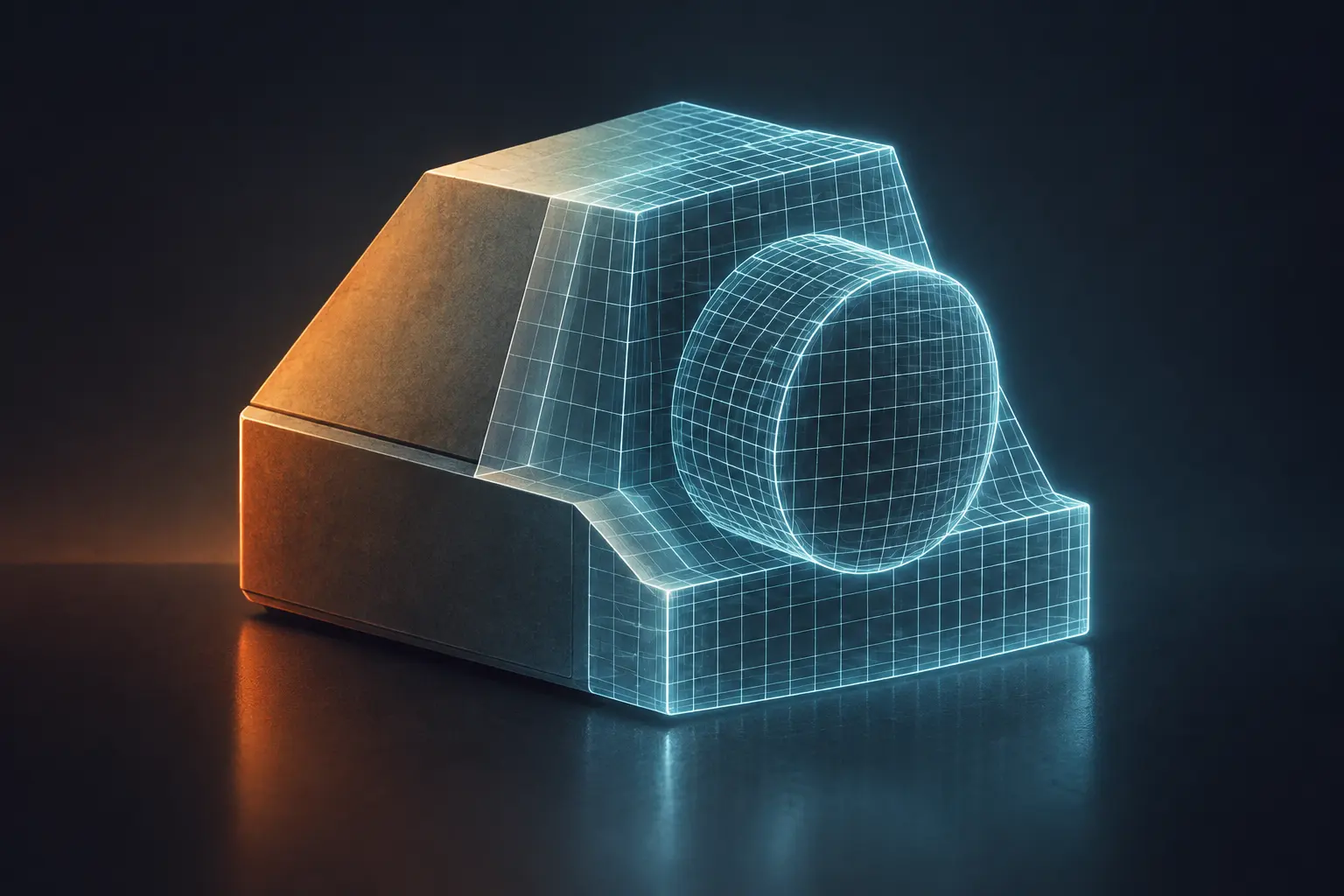
Digital memory does not replace the retro object, but amplifies it. By acting as an additional information layer, it allows studying the cultural context without relying exclusively on the physical integrity of the original. This approach is particularly relevant for mass consumption, where abundance makes individual physical preservation unfeasible. The tension between the original and the digital thus becomes an analytical tool, not a contradiction. The future of retro heritage lies in the ability to integrate matter and information, creating an archive as durable as the object it documents.
- Decade
- Contemporary
- Region
- Global
- Level
- Introduction
- Entities
- Museum, Museo Reina Sofía, Museo Ipiranga
Sources and references
- DEPARTAMENTO DE CONSERVACIÓN-RESTAURACIÓN ...www.academia.edu · 2026-10-22
- Conservación del patrimonio y sostenibilidad en museosdoi.org · 2026-10-22
- Conservación digital del Museo Ipiranga en Brasilwww.autodesk.com · 2026-10-22
- conservación del arte electrónico: ¿qué preservar y cómo ...www.annetteweintraub.com · 2026-10-22
- Centro de Documentación de Artes Visuales ...www.instagram.com · 2026-10-22