Comics have ceased to be viewed as disposable consumer goods and have established themselves as a central element of cultural heritage. This transition is not merely symbolic but involves a series of practical and theoretical problems that cultural institutions must solve. The article explores how academia and museums are redefining their practices to ensure that these works, often produced on delicate physical supports, survive the passage of time. The discussion centers on the need to treat comics not only as entertainment but as historical documents and a form of art that requires specific conservation protocols.
From Ephemeral to Collection
Historically, comics were produced with the intention of being consumed and discarded. However, their artistic and narrative value has triggered a shift in their perception. Academics such as Álvaro Pons and Julio Gracia have emphasized the importance of approaching comics as cultural assets that require special attention. This revaluation means that what was once a mass-produced product is now managed with the same rigor applied to other forms of graphic art. The challenge lies in adapting traditional conservation practices to a medium with its own characteristics, such as the multiplicity of formats and the often industrial nature of its production.
Paper as a Vulnerable Support
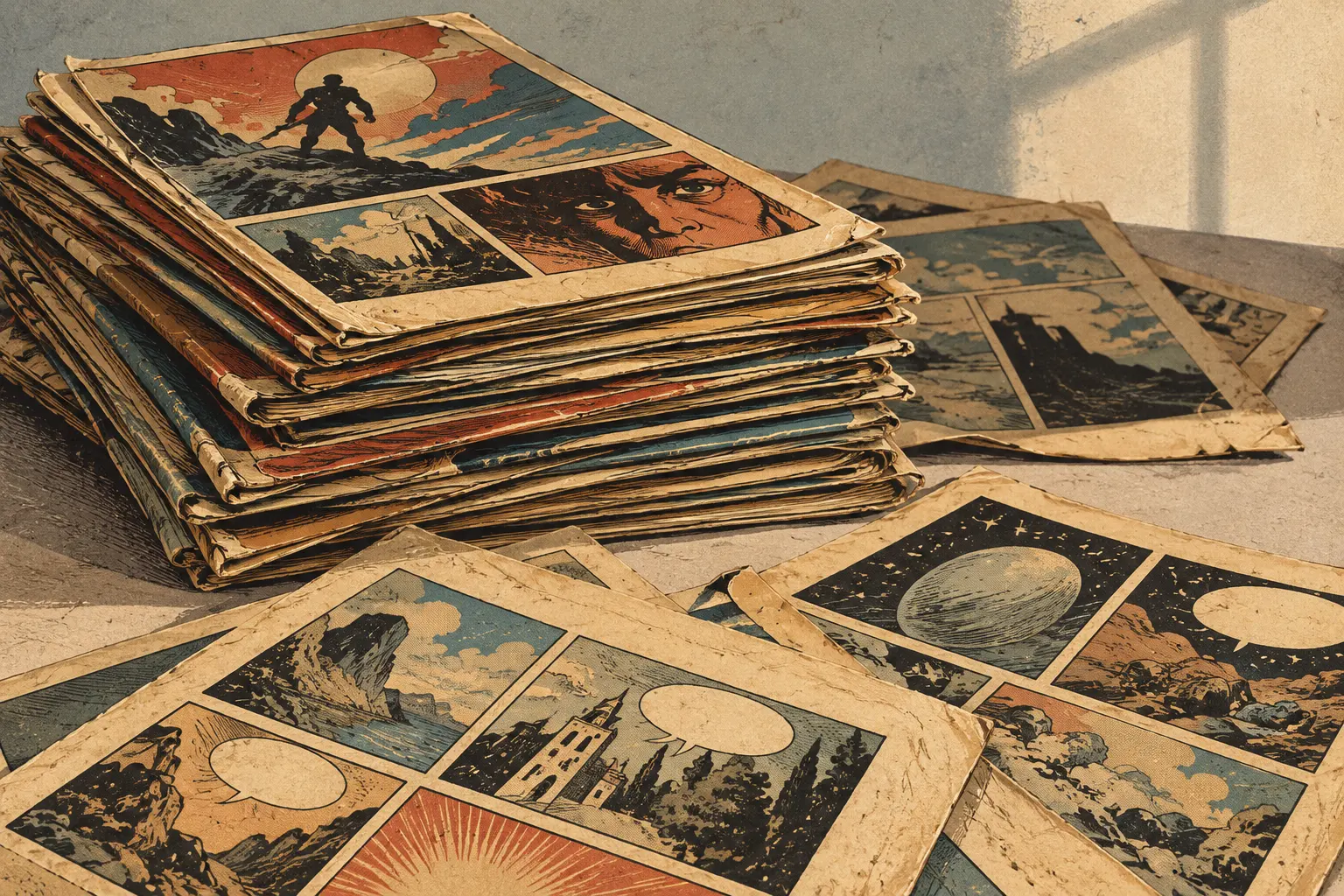
One of the major technical challenges is the preservation of paper. Unlike paintings or sculptures, comics rely on a support that is susceptible to degradation by environmental factors such as light, humidity, and temperature. Institutions must implement storage conditions that minimize these risks. This is not just a matter of keeping the object intact but of preserving the integrity of the information it contains. The fragility of narrative paper requires constant monitoring and the use of archival materials that do not interact negatively with inks and original supports.
The Magnitude of Archives
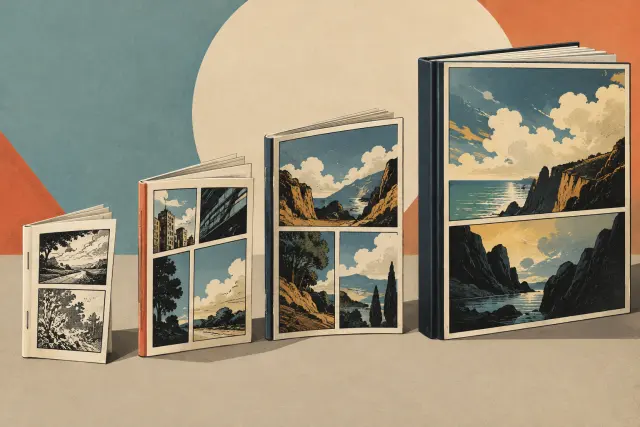
The management of comic collections presents significant logistical challenges. An illustrative example is the case of Santiago, Chile, where the Yungay neighborhood housed a collection of over 400 original works and an archive of 3,000 magazines. This figure demonstrates the magnitude of the collections that institutions must manage. It is not just about storing objects but organizing them in a way that makes them accessible for research and exhibition. The diversity of formats, ranging from magazines and fanzines to albums and graphic novels, further complicates the task of cataloging and preservation. Each format has its own vulnerabilities and requires differentiated treatment.
Evolution of Exhibition
Comic exhibitions have evolved since their beginnings. While the display of published works is common, current practices seek to include creative processes and historical context as well. This allows the public to understand not only the final result but also the artistic decisions and circumstances surrounding the creation of the work. Institutions are developing narratives that contextualize the works, offering a richer and more educational experience. This approach goes beyond mere visual presentation, seeking to connect the viewer with the history and culture that comics represent.
Institutional Recognition
The value of comics has been recognized by official bodies. In Spain, the Ministry of Culture has issued statements recognizing the value of comics and tebeos, highlighting their diversity and importance in the current context. This official recognition is not just a symbolic gesture but may have practical implications in terms of funding and legal protection. By being recognized as cultural heritage, comics gain access to resources and regulatory frameworks that facilitate their conservation and dissemination. This marks a milestone in the legitimization of the medium within the institutional cultural sphere.
Verification Limitations
Although the trend toward comic preservation is clear, there are limitations to what can be verified about the specific practices of each institution. Available information often focuses on emblematic cases or general statements, without delving into the technical details of conservation protocols. Moreover, the speed at which the medium evolves means that conservation practices must constantly adapt. It is not always possible to determine with precision how collections are being managed in real time, leaving a space of uncertainty about the effectiveness of the measures adopted.
Conclusion
The conservation of comics as cultural heritage is an ongoing process that requires collaboration between academics, museums, and creators. The challenge is not only technical but also conceptual, as it involves redefining the place of comics in the history of art and culture. By addressing these challenges, institutions do not just preserve objects but ensure the continuity of a form of expression that has marked entire generations. The future of graphic memory depends on the ability of these entities to balance accessibility with preservation, ensuring that comics remain a living source of knowledge and enjoyment.
- Decade
- 2000s
- Region
- Global
- Level
- Enthusiast
- Entities
- Museum
Sources and references
- El cómic, una cuestión de formatos (2): revistas de cómics, fanzines, mini-cómics, álbumes y novelas gráficasdoi.org · 2026-10-20
- Del archivo al lector: el valor de las colecciones de cómiclaregenta.org · 2026-10-20
- (PDF) Las exposiciones de cómics. Historia y contexto globalwww.researchgate.net · 2026-10-20
- 🎨 Ven al Centro Cultural Las Condes a conocer la muestra ...www.instagram.com · 2026-10-20
- Ministerio de Culturawww.facebook.com · 2026-10-20
- Los desafíos del museo en el cómicwww.zubiaurcarreno.com · 2026-10-20