A garment is not a statistic
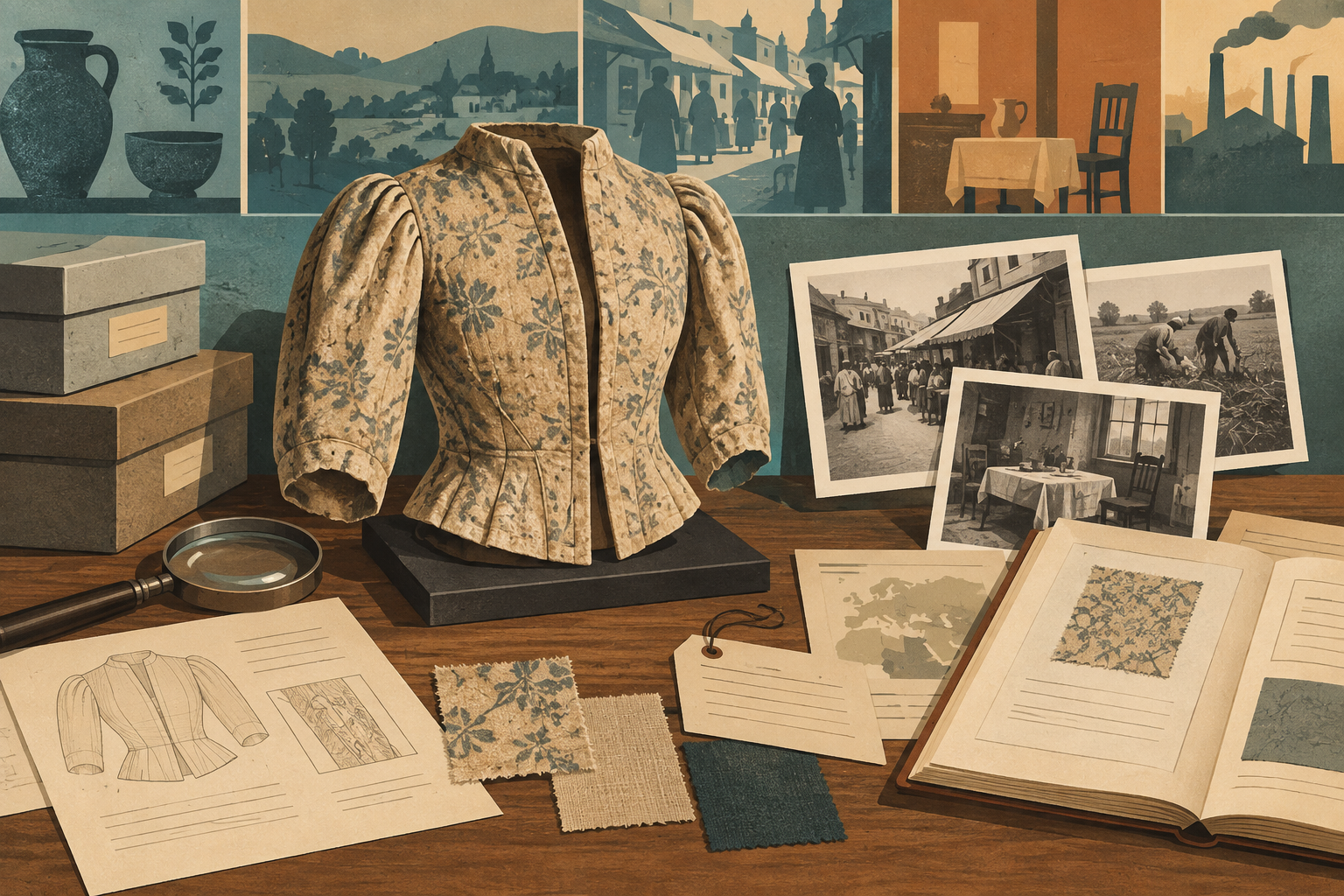
Preserved clothing has a material presence that an advertising image does not: it can be examined as an object and placed alongside photographs and documents. But that materiality does not automatically make a garment evidence of what an entire population wore. A collection first tells us about what was gathered and preserved.
That distinction matters for a history of fashion concerned with social practices, not only styles promoted by advertisements or celebrated names. A surviving piece can prompt questions about design, use and circulation; answering them requires information about its provenance and context. When that information is unavailable, the question should remain open.
The archive broadens the reading
The acquisition announced by Spain’s Ministry of Culture comprises more than 500 garments and accessories, as well as more than 5,000 documentary holdings. The scale of the group invites an interpretation that goes beyond looking at individual garments: documents may provide context for investigating how clothing was produced, represented or interpreted.
The figure alone does not reveal what each document contains, how the holdings are arranged or what links can be established between a garment and a photograph. Nor does it show that the collection represents all people, places or ways of dressing in a balanced way. It describes the size of the group; it does not answer every question about its historical scope.
From display case to question
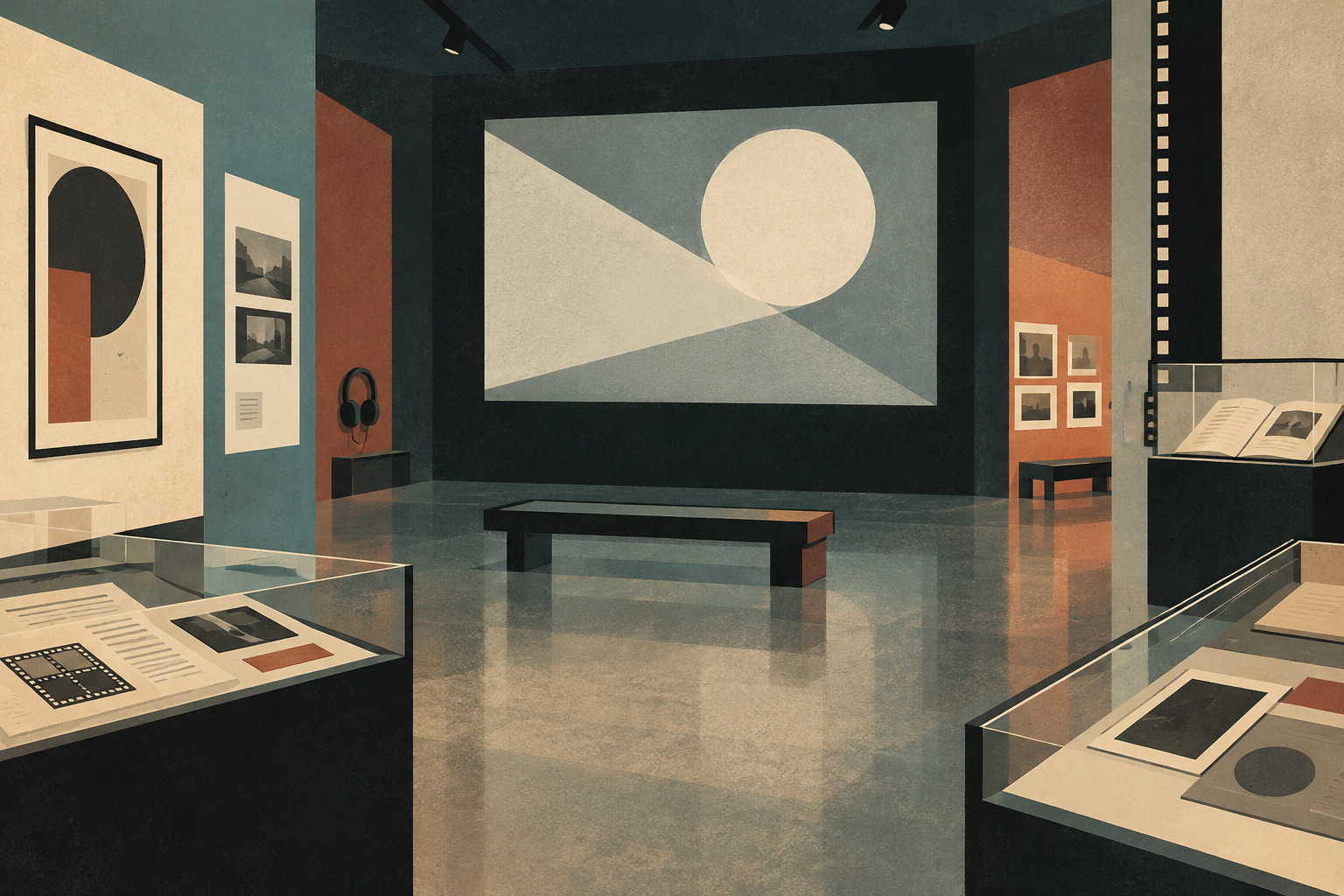
Fashion museums turn clothing into an object of public observation. This can bring visibility and support preservation, but it also changes how an item is read: a garment with a history of use may appear isolated, lit and explained as design. Display is therefore not a neutral frame. It selects what is shown and establishes relationships between objects.
A historical exhibition can connect dress and customs, as the Museo del Traje’s exhibition described in the supplied sources proposes. This approach encourages questions not only about a garment’s shape but also about the relationship presented between fashion and everyday life. That relationship needs specific evidence; a garment does not become representative merely because it looks familiar.
Photographs: visible uses, persistent limits
Photographs published in fashion magazines can offer evidence of how garments were presented and what images circulated. The project described by the Cristóbal Balenciaga Museoa blog focuses on photographs published in fashion magazines between 1954 and 1966. That identifies a corpus and a period; it does not justify treating those images as a comprehensive record of everyday clothing.
A photograph documents a framed scene. It may show a garment in a particular situation, but on its own it cannot tell us how often it was worn, who bought it or how it was perceived outside the image. Comparing photographs with objects and documents is a careful way to broaden interpretation, provided the connections are documented.
Design and music, without losing sight of the garment
Design can help describe formal decisions; music can provide context for studying cultural scenes and languages. Neither connection replaces the material history of a garment. Any proposed link between clothing and a musical scene should be supported by sources that establish and delimit it, not by an assumed visual association.
The same caution applies to exhibitions and accounts of fashion. A museum route can show change and continuity, but its examples are selected. Making that selection visible helps visitors distinguish a documented object from a general claim about an era.
What can be stated
The Lorenzo Caprile collection and archive offer a documented starting point for discussing the preservation of clothing and related holdings. The sources available here do not detail the complete inventory, the provenance of every item or access arrangements. They therefore do not support claims about the specific uses of individual garments or treating the collection as a portrait of what an entire society wore.
A rigorous history begins by describing what is preserved, who assembled it and what documents accompany the objects. It can then propose interpretations, identifying the evidence behind them and what remains unresolved. Preserved clothing is useful for investigating an era precisely when it is not asked to represent the whole of it.
- Decade
- Contemporary
- Region
- Spain
- Level
- Enthusiast
- Entities
- Museum, Museo del Traje
Sources and references
- La moda en la historia - Museo del Trajemuseodeltrajevirtual.com · 2026-10-12
- El Ministerio de Cultura adquiere el archivo y la colección ...www.cultura.gob.es · 2026-10-12
- Museos y Modaevemuseografia.com · 2026-10-12
- Moda en el museoa-desk.org · 2026-10-12
- El Ministerio de Cultura adquiere la colección y el archivo ...fashionunited.es · 2026-10-12
- Cristóbal Balenciaga Museoablog.cristobalbalenciagamuseoa.com · 2026-10-12
- Así fue... Exposición: En Madrid. Una historia de la moda, ...www.comunidad.madrid · 2026-10-12