The concept of cultural heritage has evolved significantly in recent decades. Traditionally, museums focused on artworks or high-value historical artifacts, often overlooking everyday life. However, a growing trend in contemporary museology seeks to incorporate daily life as an object of study and conservation. This expansion is not only curatorial but conceptual, transforming the archive into a corpus of social memory.
From the Exceptional to the Everyday
Institutions such as the National Museum of American History in the United States have expanded their collections to include textiles, ceramics, and documents reflecting the domestic life of diverse communities. These collections represent the everyday life of the American population from the 17th to the 21st century. The inclusion of objects such as ceramics and glass, textiles and costume, as well as ethnic, education, and religion collections, demonstrates a shift in museological perspective.
The Archive as Social Memory
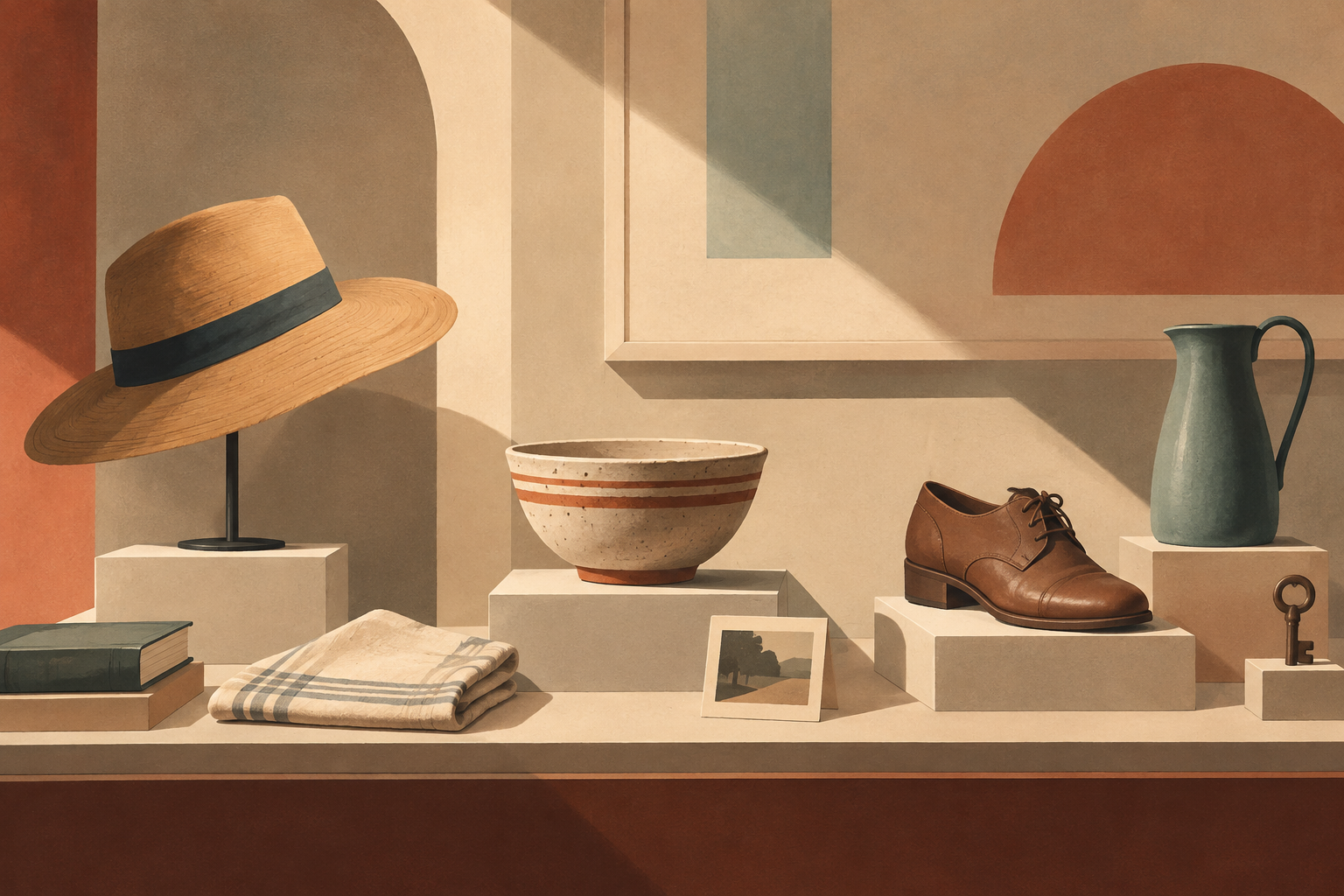
The concept of the archive has transcended its traditional function as a public record. It is now understood as an entire corpus that includes not only official documents but also social memory. This redefinition allows seemingly insignificant objects, such as a hat or a shoe, to become carriers of identity, cultural resistance, and knowledge transmission. Documenting these practices connects present generations with past ones, offering a more inclusive view of history.
Resistance and Creativity in the Domestic Sphere
Recognizing everyday life as a space for cultural resistance, creativity, and knowledge transmission is fundamental to this new approach. Domestic objects are not just utilities but elements that connect with the identity and culture of communities. This perspective humanizes heritage and makes it more accessible, acknowledging that history is not only written in great events but also in the daily gestures of life.
Challenges in Preventive Conservation
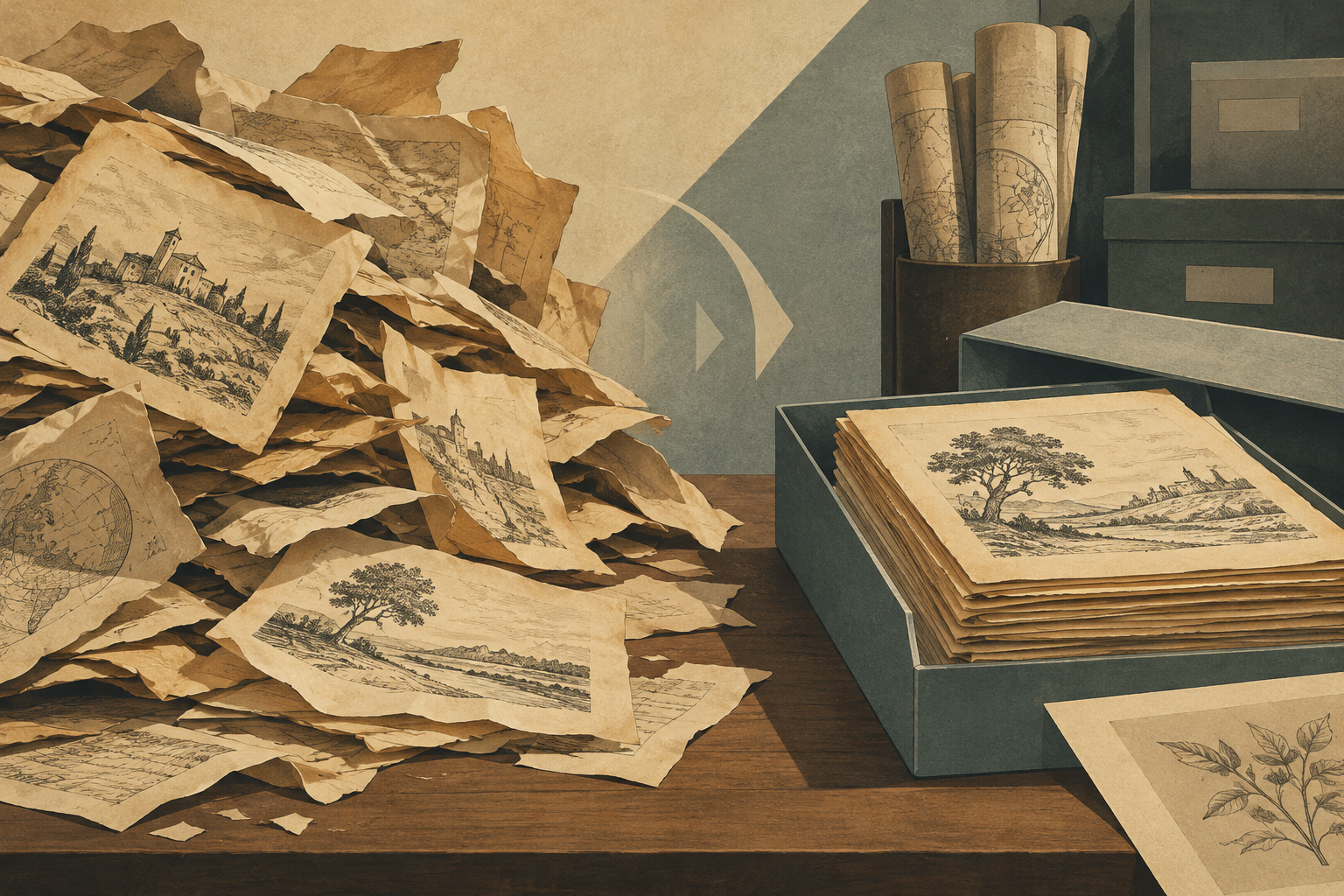
The conservation of these materials presents unique challenges. They are often more fragile and less standardized than traditional artworks, requiring specific preventive conservation techniques. Additionally, it implies a change in the relationship with the public, who cease to be passive spectators and become active participants in the narrative. This approach fosters community participation and co-creation of meanings.
The Case of Lima: Memory and Culture
The Josefina Ramos de Cox Museum in Lima is a notable example of this trend. Its exhibition "Lima milenaria, cultura y memoria de la vida cotidiana" shows the cultural evolution of the city from the 1st to the 19th century. This exhibition not only presents objects but contextualizes everyday life as an integral part of the city's history, connecting personal memory with collective memory.
Implications for Collective Identity
The incorporation of everyday life into cultural heritage has profound implications for collective identity. It allows communities to see their history and culture reflected in institutions that have traditionally been perceived as elitist. This approach fosters a sense of belonging and connection with the past while promoting diversity and inclusion.
Towards a More Inclusive Museology
Contemporary museology is undergoing a transformation, seeking to be more inclusive and representative of the diversity of societies. The incorporation of everyday life into collections and exhibitions is a crucial step in this direction. By recognizing the value of everyday objects and practices, museums can contribute to a more complete and nuanced understanding of history and culture.
- Decade
- Contemporary
- Region
- Global
- Level
- Introduction
- Entities
- Museum
Sources and references
- El Museo Josefina Ramos de Cox presenta “Lima ...puntoedu.pucp.edu.pe · 2026-10-20
- Georas Museo Internet ESPANOLlaw.yale.edu · 2026-10-20
- Museizar la vida cotidiana, desde el sombrero a los zapatoswww.academia.edu · 2026-10-20
- Museo Nacional de Historia Americana (NMAH)translate.google.com · 2026-10-20
- museo comunitario que asciendewww.casapozonmuseo.org · 2026-10-20
- Patrimonio culturales.wikipedia.org · 2026-10-20