The reconstruction of historical interiors often focuses on the visual appearance of objects, but evidence suggests that a deep understanding of a space depends on its cultural context. Museum documents, specifically preventive conservation plans, establish that identifying items is not merely an aesthetic act but requires detailed descriptions, measurements, dates, and reasoned classifications. This approach transforms cataloging into a tool for understanding how a space was organized and who inhabited it, surpassing simple inventory enumeration.
The precision of records as an interpretive base
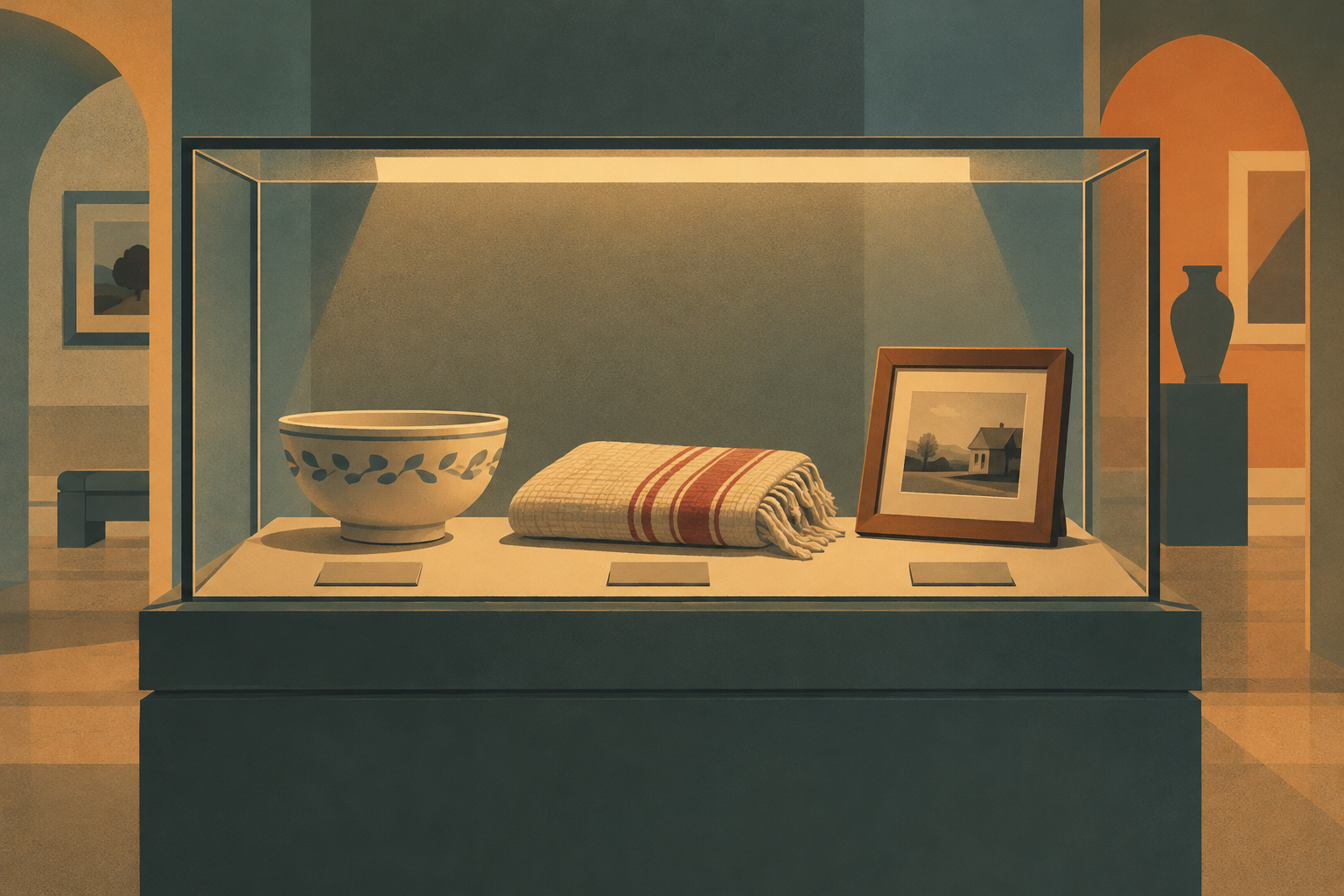
Documentation manuals for heritage collections, such as those issued by Chilean institutions, define integrated work areas that combine object registration with vocabulary standardization. This duality is essential for interpreting everyday life, as it allows standardizing information without losing the cultural specificity of each piece. By integrating these elements, archives cease to be simple lists and become structured narratives that reflect domestic organization.
Risk analysis as a clue to use
The guide for the elaboration of conservation plans highlights that documentation must include the analysis of the cultural asset and the context that influences its condition. Risk analysis, as detailed in museum heritage management guides, identifies mechanical damage, contamination, or mold growth. These factors are not just technical problems but clues to the actual use of objects. An object showing specific wear or deterioration from humidity reveals patterns of human interaction that superficial aesthetics do not always show.
Technical conservation and cultural reading
The interaction between design and cultural heritage reveals that conservation is not only a technical process but also an interpretive one. Sources such as UNESCO point out that some architects and designers see museums as a means to highlight objects, but true conservation involves understanding the intrinsic value of the creation. By linking aesthetics with practical needs, the social function of spaces is revealed. Preventive conservation, therefore, acts as a bridge between physical preservation and historical understanding.
The role of archives in decoding domestic life
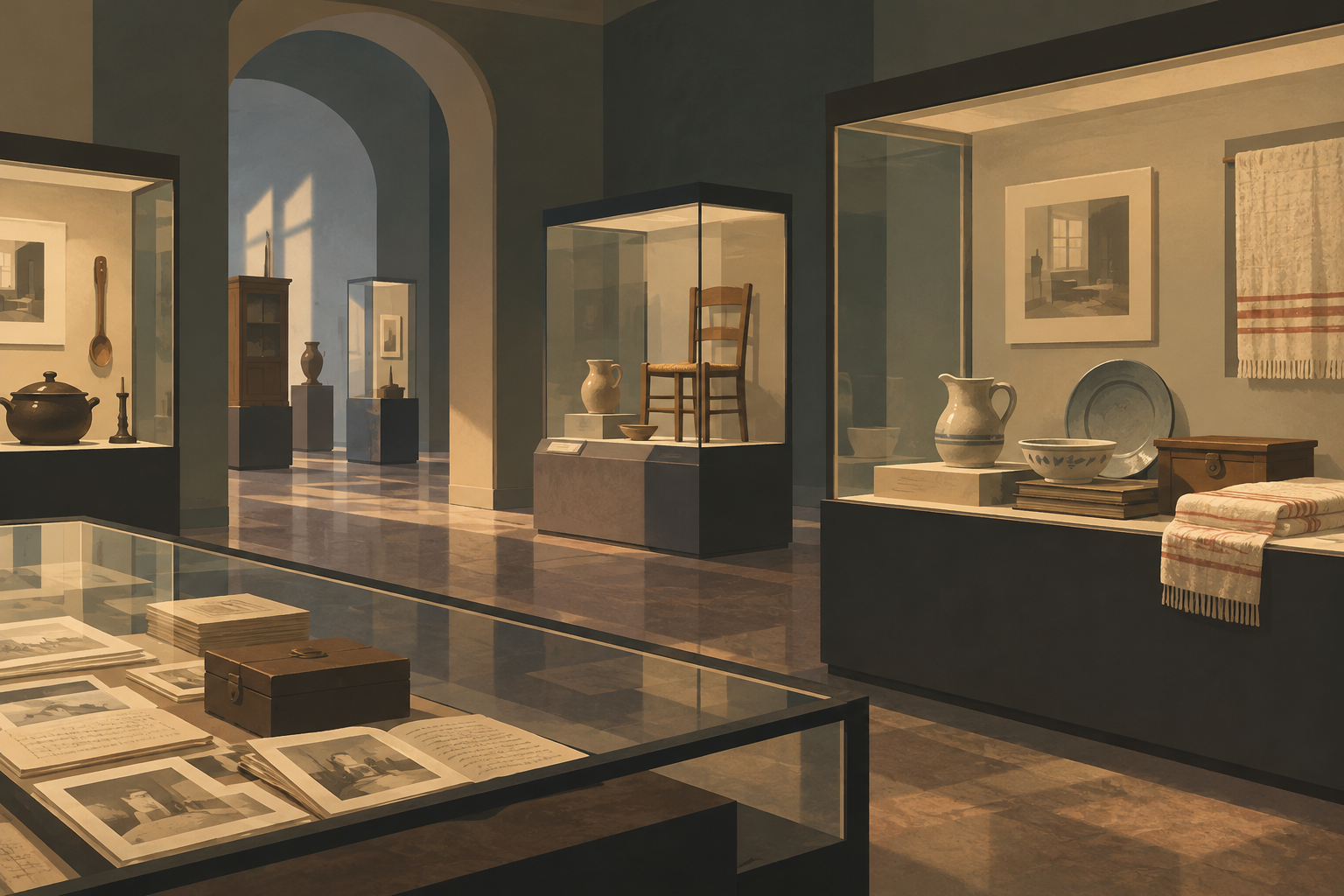
Archives and catalogs act as tools to decode domestic organization. Collection documentation integrates registration and standardization, elements that allow distinguishing between documented facts and cultural interpretations. This process is crucial to avoid projecting current values onto historical spaces. The evidence indicates that precise identification of items, with their dates and contexts, allows reconstructing the sequence of use and the social hierarchy implied in the distribution of objects.
Limits of verification and interpretation
Although documentation provides a solid base, there are limits to what can be verified. Conservation status and risk analysis provide clues, but they do not always allow a complete reconstruction of everyday life. Cultural interpretation requires a balance between hard data and historical context, avoiding unsupported assumptions. The provided evidence shows that documentation is a powerful, but not infallible, tool for understanding the past.
Conclusion: Context as the key
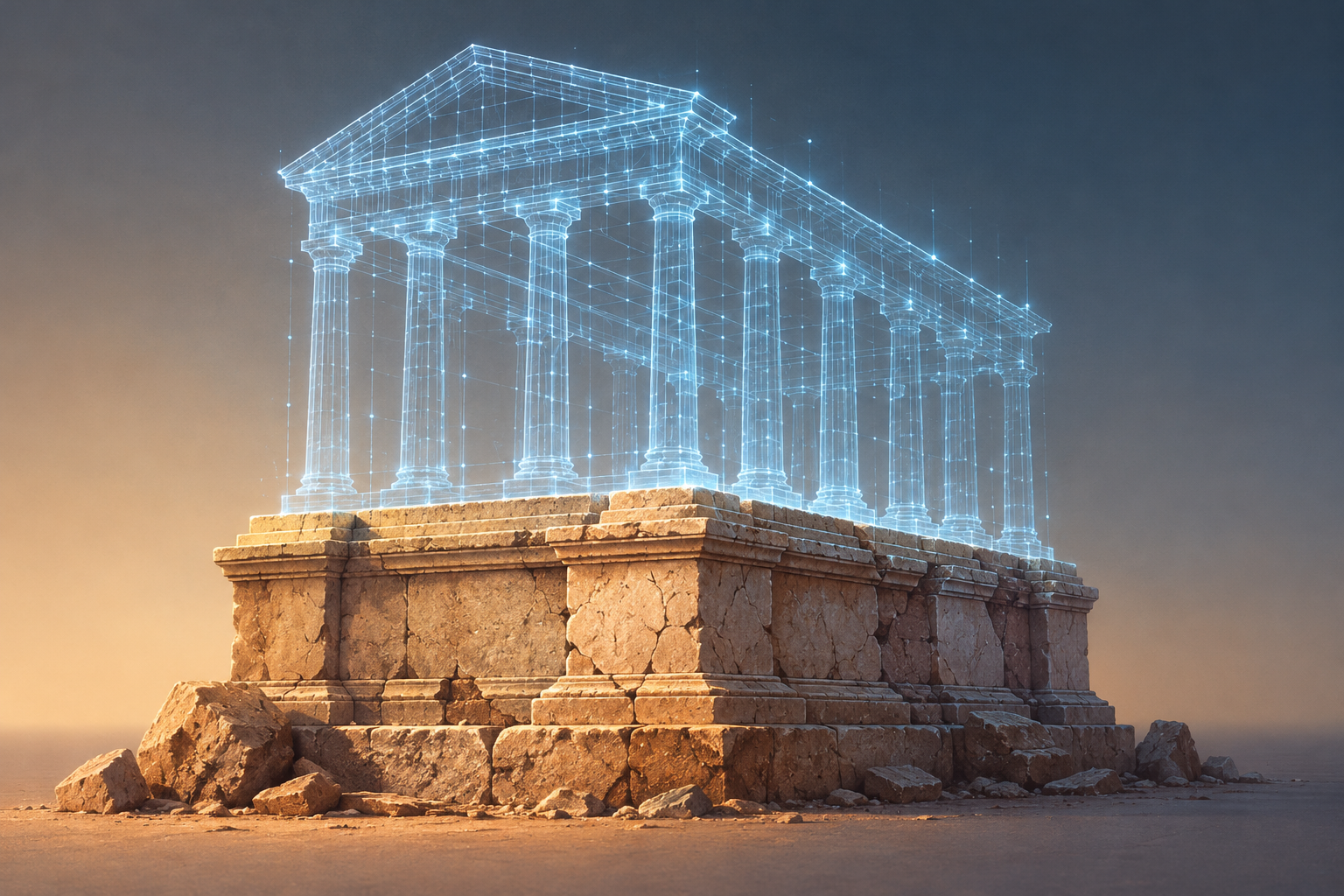
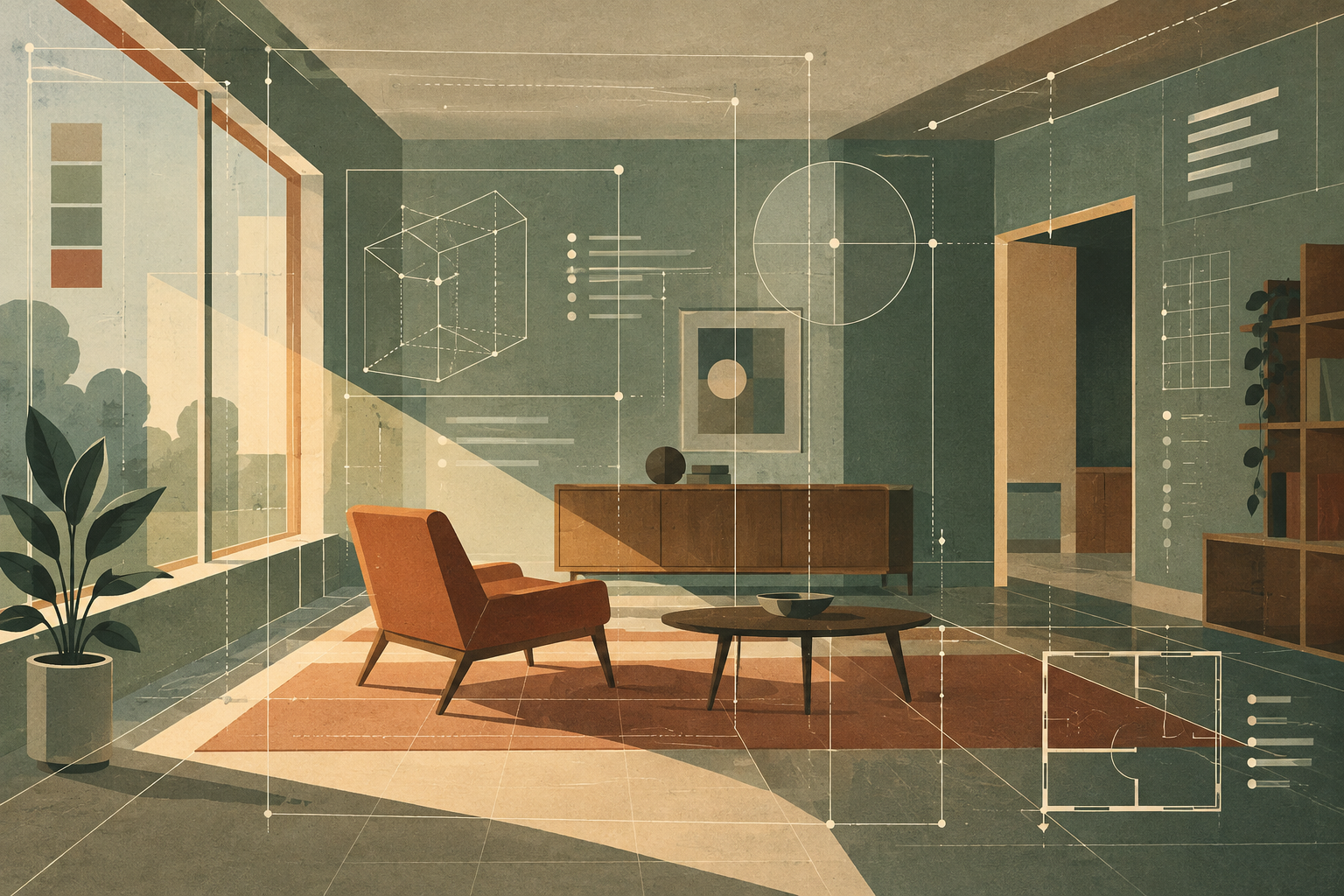
The reconstruction of historical interiors depends on understanding their cultural context, not just the aesthetics of objects. Preventive conservation plans and standardized documentation allow reconstructing the function and use of domestic spaces. By integrating risk analysis and cultural context, the social function of spaces is revealed, offering a more complete and rigorous view of the past.
- Decade
- Contemporary
- Region
- Global
- Level
- Introduction
- Entities
- Museum
Sources and references
- PLAN CONSERVACIÓN PREVENTIVA MUSEO SEFARDÍwww.cultura.gob.es · 2026-10-19
- Manual de Documentación - de Colecciones Patrimonialeswww.cdbp.gob.cl · 2026-10-19
- Guía para la Elaboración e Implantación de Planes de ...www.ibermuseos.org · 2026-10-19
- Guía de Gestión de Riesgos para el Patrimonio Museológicowww.iccrom.org · 2026-10-19
- La Conservación: el porvenir del pasadounesdoc.unesco.org · 2026-10-19
- Diseño y patrimonio cultural: cómo asegurar la conservación ...turia.uv.es · 2026-10-19