RetroPauseBoard games
Thematic archive · Board games

Board games and the pleasure of sharing the rules

Boards, cards and dice brought people together around a table, with rules giving each game its shape. Here, we explore how games are played, what changes between editions and the role their components play.

Start here

Readings to help you find your bearings.

Board games

A story in context

A game is a system of decisions and a set of components. Comparing editions helps reveal changes that the box does not explain, and offers a way to understand how a game can change from one version to another.

This collection focuses on rule-based games played at a table. Toys explores open-ended play, while Collectibles looks at how objects are classified; here, the focus is on rules and the games they shape.

Choose your path

Three perspectives on the archive.

Cards and dice

Chance and strategy at the table.

Research in progress
Featured dossier

The board as filter: what history is left out of the simulation

Historical simulation games do not replicate the past; they edit it. We analyze how rules act as selection mechanisms that define which aspects of reality become playable and which are lost in design.

Read article

Documented milestones

  1. 1283

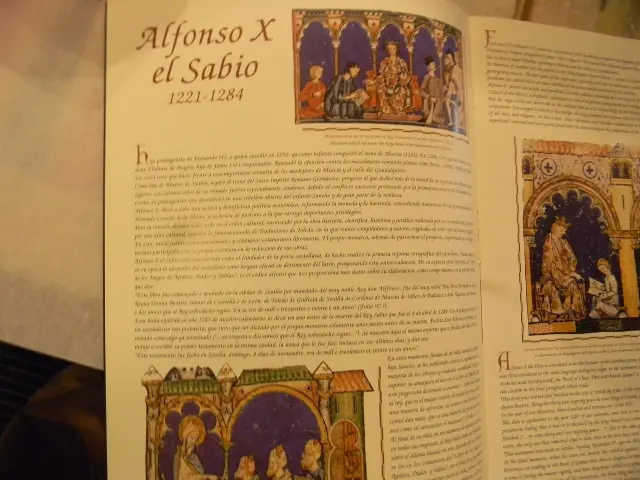
    Compilation of the Libro de acedrex, dados e tablas by Alfonso X

    Alfonso X the Wise orders the creation of a manuscript that standardizes the rules of chess, dice, and backgammon, turning oral practices into a written and visually documented text.

    Read article
  2. 1400

    Emergence of modern chess in Europe

    Chess as it is known today emerged in Europe during the 15th century as an evolution of Persian shatranj, consolidating the 8x8 board.

    Read article
  3. 1450

    European changes shape modern chess

    During the 15th century, the European version of shatranj transformed the game: the limited vizier became the queen, with far greater mobility, and the bishop gained full diagonal movement.

    Read article
  4. 1530

    Emergence of Lo Giuoco del Lotto d'Italia

    In 1530, 'Lo Giuoco del Lotto d'Italia' emerged in Italy, a public organized draw using numbered cards that established the mechanical foundations of modern bingo.

    Read article
  5. 1886

    The first official world chess championship is held

    In 1886, the first official world chess championship was held, marking a milestone in the history of international competition.

    Read article

Latest additions

1990s

Board games grew into a bigger industry—but not overnight

The sources point to a gradual transformation: new creative currents from the late 1970s and a particularly visible expansion of the market during the 1990s. They also show how commercial histories can obscure creators and the way authorship is remembered.

Before 1950

The board's metamorphosis: how chaturanga became chess

Modern chess is not a static invention but the result of centuries of cultural exchange. This article examines the transition from Indian chaturanga to Persian shatranj and, finally, to the 15th-century European version, highlighting the structural changes that defined modern rules.

Before 1950

The enduring square in the history of chess

The 64-square board is not an aesthetic choice but the result of historical standardization connecting 6th-century India with 15th-century Europe. This article analyzes how the fixed 8x8 geometry allowed for changing rules to coexist and consolidated chess as a universal cultural object.

Sources for the selected readings

Editorial review ·