An archive is not a neutral display case
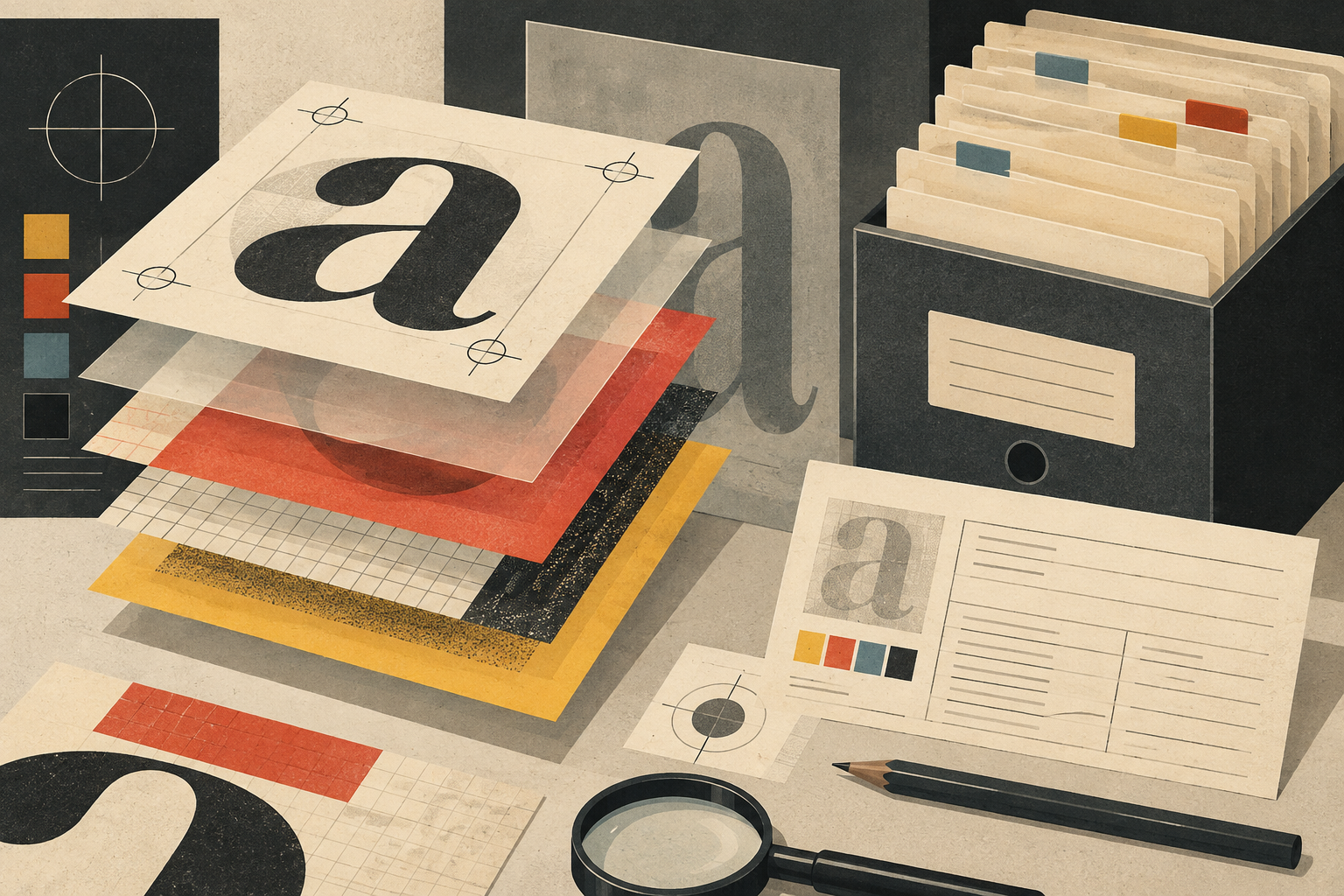
A design object reaches an archive with—or separated from—information about its use, production and circulation. That difference matters: preserving an object is not the same as preserving every condition needed to interpret it. Ester Alba Pagán’s research on the preservation, study and dissemination of professional or business archives of Valencian design addresses this field of work. Its title identifies the broad aims, although the information available here is not enough to summarise its specific cases or conclusions.
The editorial question is concrete: which functional decisions can we attribute to an object, and which are we merely inferring from its appearance? The answer depends on the object and on the documentation available. An archive does not automatically settle interpretation; it establishes what can be supported and where the gaps begin.
Documentation also organises how we look
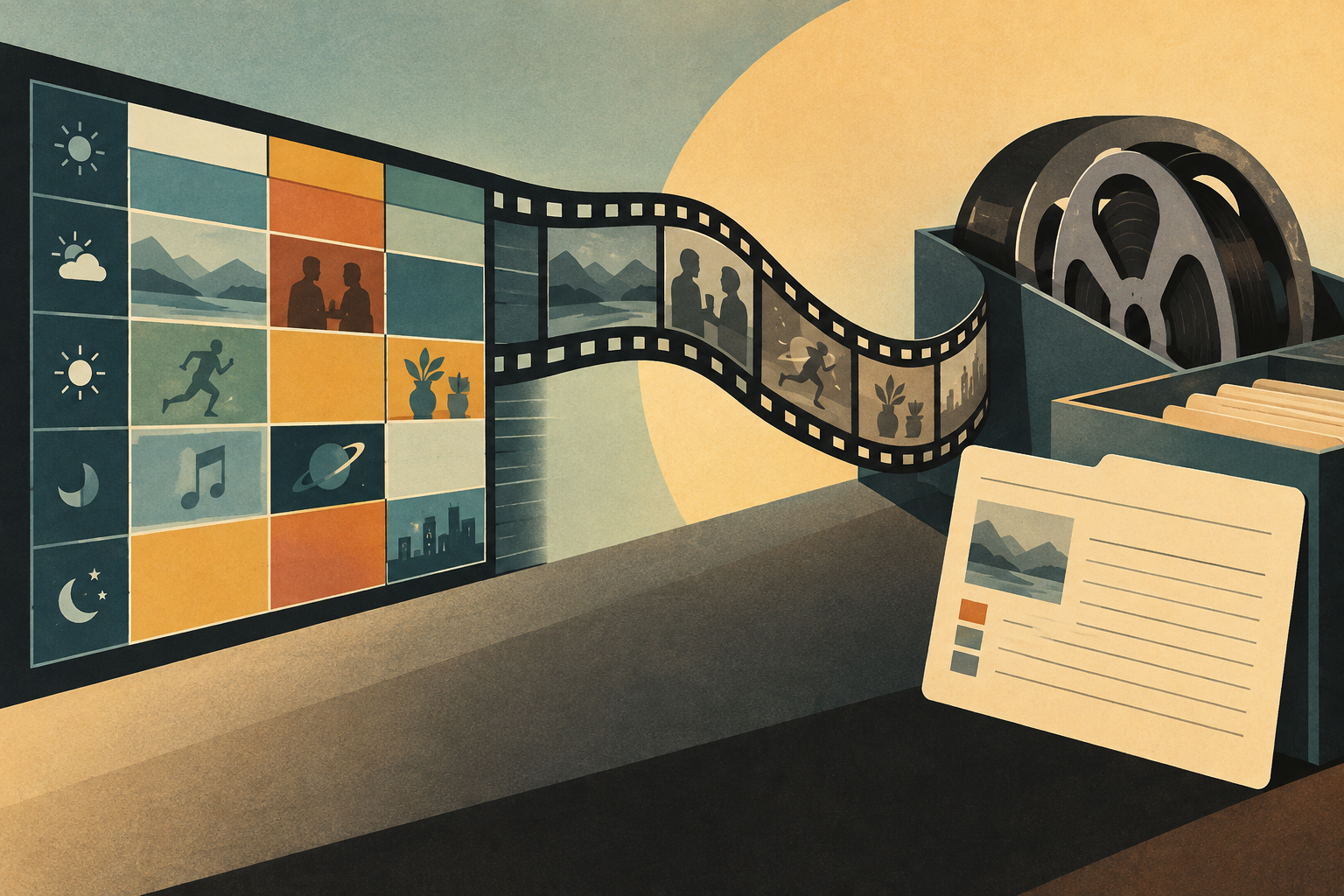
A visual documentation protocol for museum collections describes photography as a means of recording and identifying objects. That purpose differs from promotional or editorial imagery: a documentation photograph should help recognise an object and connect it to its record. This does not make the photograph entirely transparent. Framing, scale, lighting and what falls outside the image can affect what a viewer is able to compare.
This is not enough to say what choices any particular institution made. It does offer a reading principle: before treating an image as a complete account of an object, ask what it was made to do. An image intended for identification answers a different question from one designed to explain a design or attract an audience.
Institutional graphics communicate too
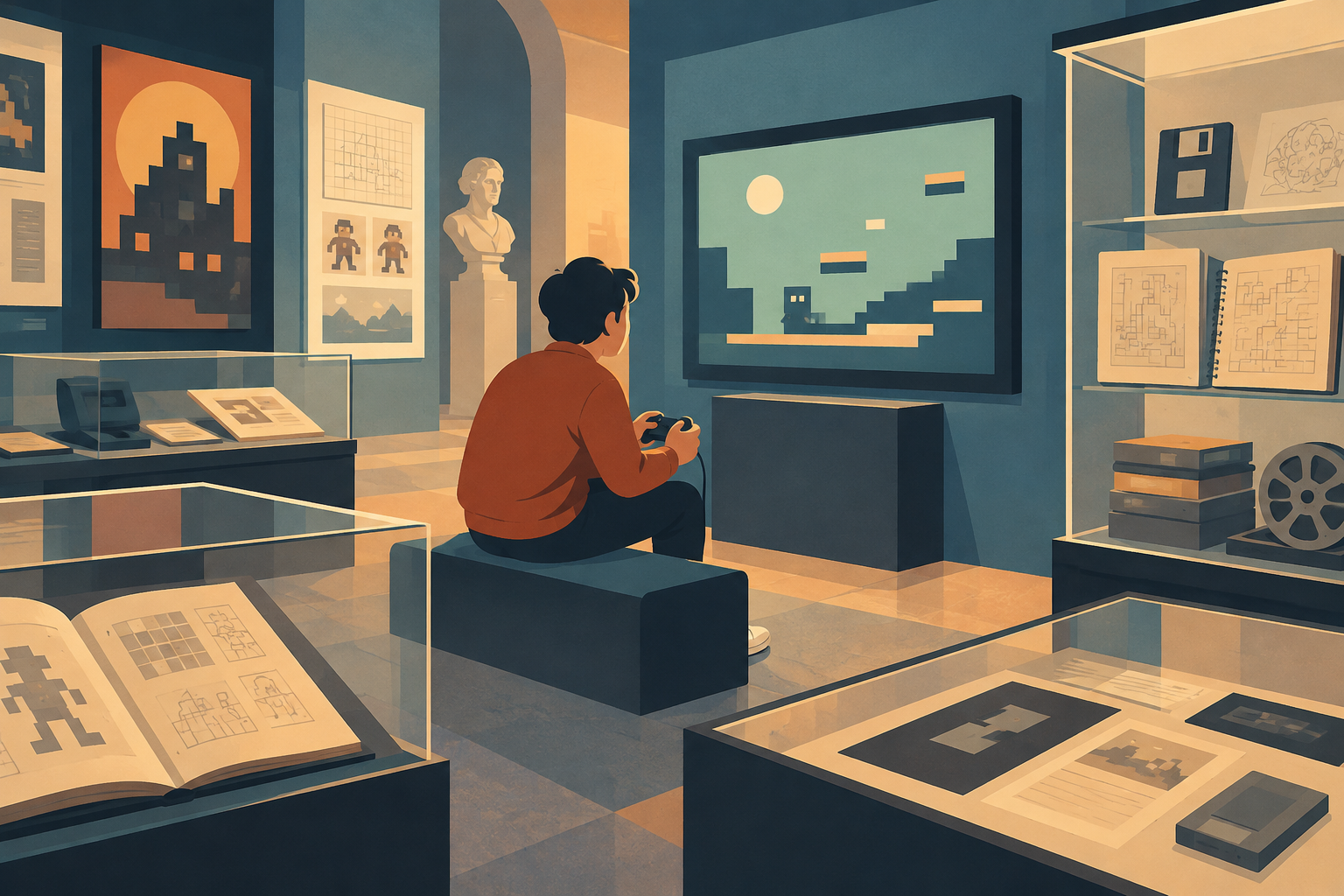
Signage, labels and catalogues are part of a museum’s communication. The supplied evidence presents these elements as cultural context for design and advertising. Their function is not merely to add style to a gallery: they organise information and suggest ways to navigate, read or connect objects. This is an interpretive framework, not a verifiable description of a specific museum.
When studying a graphic object, separate three levels: what information it conveys, how it ranks that information, and what reading path it encourages. Then ask which aspects are functional decisions and which relate to visual identity. Without contextual photographs, plans or project documentation, it would be unwise to attribute a particular intention to a specific sign or label.
Advertising and design require context
Beatriz Moreno Palacios’s research addresses the communicative effectiveness and social function of brands, as well as their evolution and adaptation to social context. The available record confirms this subject but does not provide the detail of the argument. It is therefore not enough to present a history of brands or make general claims about the effectiveness of particular campaigns.
It does help frame a useful archival question: what can be evaluated when an advertising item survives without the context in which it circulated? Composition and visual language can be observed in the document; reach, reception and social effects require other evidence. Confusing those levels turns formal analysis into a historical claim that the object alone cannot prove.
Preservation is more than storage
Documentation in state museum archives concerns records connected with the objects in their care. Read alongside the research on professional design archives and the study of the preservation of the Balder and Sanz ventriloquism collection, this shows that preservation can involve different kinds of holdings and problems. The information available does not allow us to reconstruct the full contents of those studies or assert methods not specified in their records.
The methodological lesson is more modest, but sound: preserving, describing and sharing are related activities, not interchangeable ones. A record can aid identification; an image can support documentation; a study can raise questions about context. None of these steps, on its own, guarantees that we know how an object was used or received.
What can be said—and what remains open
The supplied sources establish a field of inquiry: professional and business archives of Valencian design, visual documentation of collections, museum graphic communication, the social function of brands, and the preservation of a collection associated with variety performances. They do not support an inventory of objects, a detailed chronology of campaigns or a comparison of specific pieces.
That limit also defines good editorial practice. Ask each object what documented function it had, what evidence supports that claim, and which part of the interpretation remains open. Design organises information and proposes uses; the archive, in turn, organises the conditions under which design can be studied. Reading both layers prevents appearance from being mistaken for a complete explanation. It turns missing information into a research question, not an invitation to invent.
- Decade
- Contemporary
- Region
- Spain
- Level
- Enthusiast
- Entities
- Museum
Sources and references
- Publicidad y diseño: la eficacia comunicativa y función social de las marcas: evolución y adecuación al contexto socialdoi.org · 2026-10-05
- El diseño y la publicidad de los espectáculos de variedades: la conservación de la colección de ventriloquía de Balder y Sanzdoi.org · 2026-10-05
- Diseño y patrimonio cultural: cómo asegurar la conservación, estudio y difusión de los archivos profesionales o empresariales del diseño valencianoopenalex.org · 2026-10-05
- La gráfica del museo también comunica: diseño, archivo y ...www.retropause.com · 2026-10-05
- ARCHIVOS DE LOS MUSEOS ESTATALESwww.cultura.gob.es · 2026-10-05
- protocolo-documentacion-visual.pdfwww.ibermuseos.org · 2026-10-05