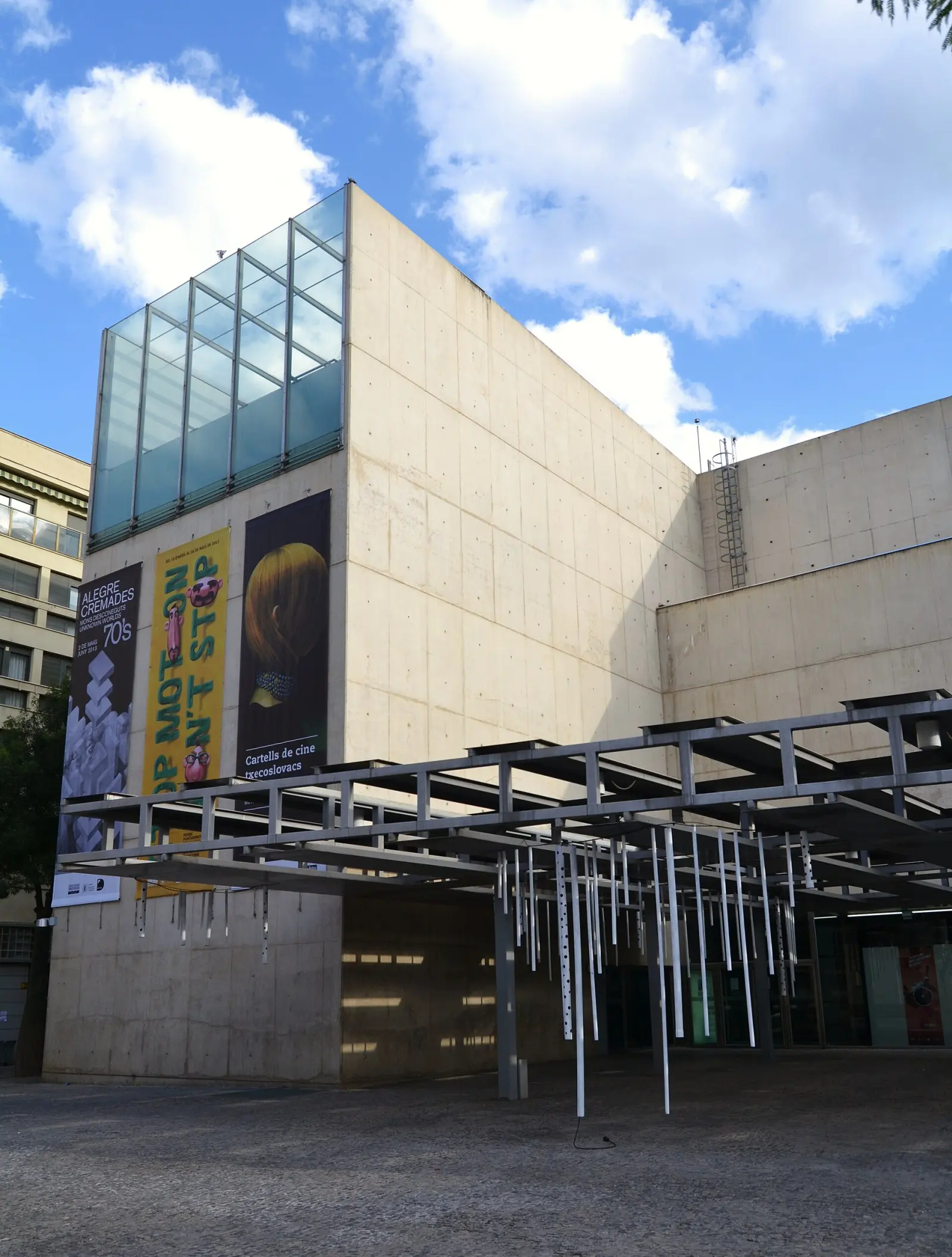
The history of stop motion is often told through its final results: the moving characters, the stories told, and the awards collected. However, there is a layer of information rarely documented with the same depth: the technical and material process that makes that illusion possible. The 'Stop Motion Don't Stop' exhibition, held in 2013 at the Museu Valencià de la Ilustració i la Modernitat (MUVIM) in Valencia, represented a turning point by treating this technique not just as a film genre, but as a set of production decisions worthy of archiving and study.
From Synopsis to Technical Archive
Most sources on animation focus on the synopsis of works, describing the plot and emotional impact. This approach, while valid for a general audience, leaves out the details that define a production's identity. The Valencia exhibition broke with this trend by presenting production materials that allowed observers to see the specific decisions made during the creative process. It was not just about seeing the finished product, but understanding how it was built. This shift in perspective is fundamental for any serious research on the evolution of animation techniques, as it moves the focus from aesthetic result to the engineering behind the image.
The Catalog as a Primary Source
The catalog published by the Diputación de Valencia in 2013 has become a mandatory reference for academics and professionals. Unlike conventional critical reviews, which often lose technical details in favor of artistic interpretation, this document includes detailed analyses of works and directors. It acts as a bridge between artistic practice and historical documentation, offering information on the formats and materials used. For researchers, this catalog is a primary source that allows tracking the evolution of tools and methods over time, something film databases rarely provide.
The Relevance of Contemporary Materials
One of the most highlighted aspects of the exhibition was its attention to contemporary formats and materials. Stop motion is not a static technique; it evolves with available technology. By documenting the materials used in the presented works, the exhibition offered a snapshot of how artists adapt their processes to new technical possibilities. This is crucial for understanding the relationship between technological innovation and artistic creativity. Materials are not just tools; they are part of the artistic expression, and their documentation allows for a better understanding of the limitations and freedoms animators face in each era.
A Pedagogical and Formative Approach
The exhibition also had a significant impact on the training of art education teachers and students. By presenting stop motion as an innovative resource, the show offered a model of how to integrate the technique in educational contexts. The exhibition's ability to show the process, not just the result, made it especially useful for those seeking to teach the fundamentals of animation. This pedagogical approach highlights the importance of transparency in production, allowing learners to see the decisions professionals make and understand the consequences of those decisions on the final product.
Connection to Film History
Stop motion has a long and rich history, intertwined with the general history of cinema. The Valencia exhibition placed this technique in its historical context, showing how it has evolved from its beginnings to the present. By connecting the history of the technique with its museum display, the show offered a complete view of its development. This is important because stop motion is often perceived as a niche technique, when in reality it has been an integral part of the film industry for decades. The exhibition helped legitimize this technique as a serious art form worthy of study.
Documentation Limitations
Despite its value, the exhibition's documentation has its limits. Not all technical decisions can be captured in a catalog or a physical display. Some aspects of the process, such as failed iterations or creative discussions, remain outside the scope of public documentation. Additionally, the exhibition focused on specific works, meaning it does not offer a complete view of the entire stop motion industry. However, these limitations do not diminish the value of the show's contribution, which remains one of the richest sources for the study of the technique.
Conclusion: The Process as Legacy
The 'Stop Motion Don't Stop' exhibition at MUVIM demonstrated that the creation process is as important as the final result. By documenting technical and artistic decisions, the show offered a legacy that goes beyond the films themselves. This approach aligns with RetroPause's goals, which seek to preserve and study media culture through its production processes. The Valencia exhibition remains a reminder that the history of animation is not told only with images, but also with the materials and decisions that make them possible.
- Decade
- 2000s
- Region
- Spain
- Level
- Enthusiast
- Entities
- Museum, Stop Motion Don't Stop
Sources and references
- Stop Motion como recurso innovador en la formación de ...www.academia.edu · 2026-10-22
- Stop Motion Don't Stop, la exposicióndoi.org · 2026-10-22
- La animación en plastilina - Revista 925 Artes y Diseñorevista925taxco.fad.unam.mx · 2026-10-22
- hayao miyazaki, la lámpara maravillosacore.ac.uk · 2026-10-22
- Ángela Molina, Medalla de Oro 2013www.academiadecine.com · 2026-10-22