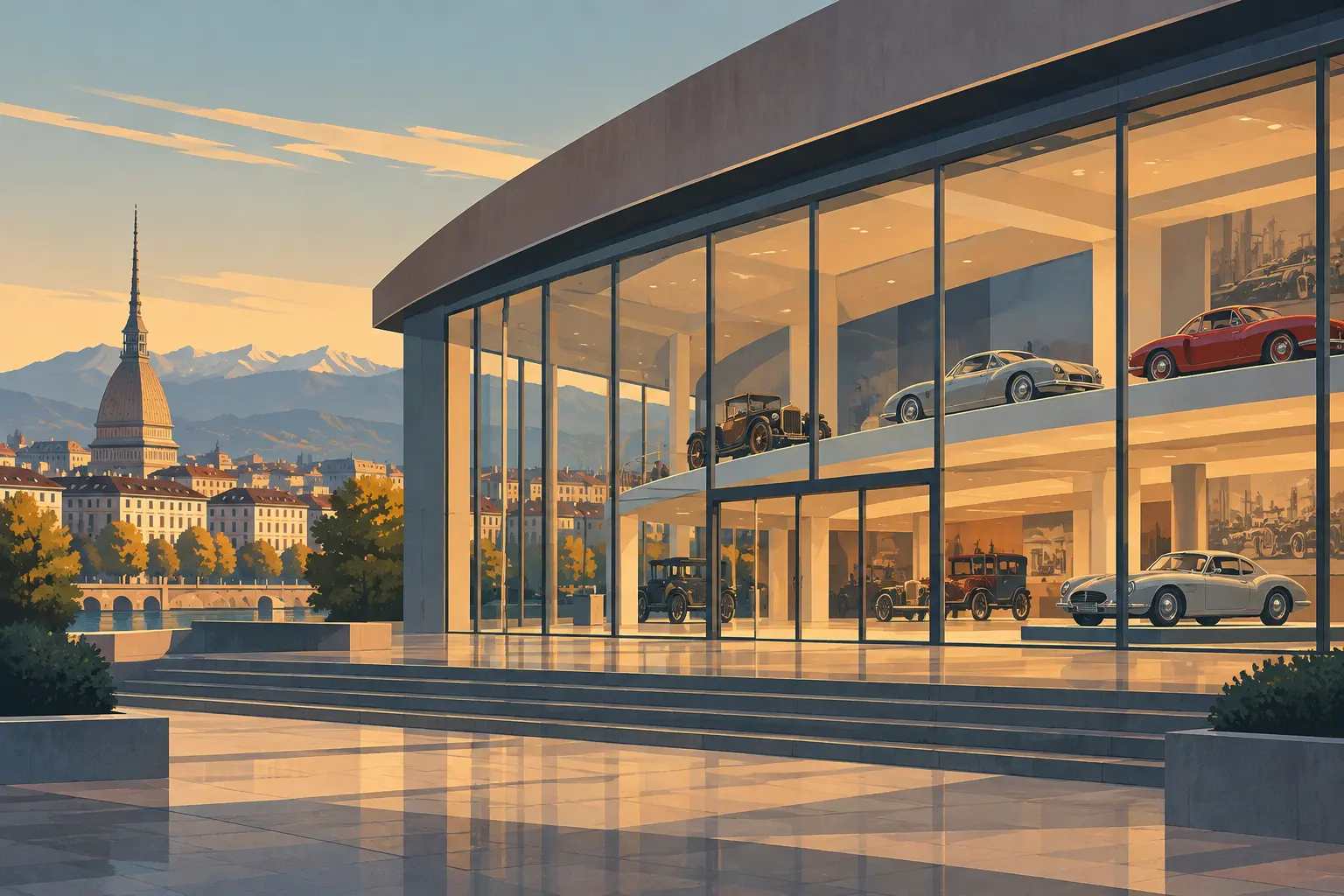
Turin’s MAUTO, the National Automobile Museum, presents a history of the car that goes beyond the evolution of its forms and mechanisms. Its collection and exhibition route place vehicles in dialogue with technological, scientific, political, economic and social change, and with the people who imagined, built, drove or admired them. This approach positions the automobile not as an isolated object, but as a central element in the transformation of modern society.
A collection supported by documents
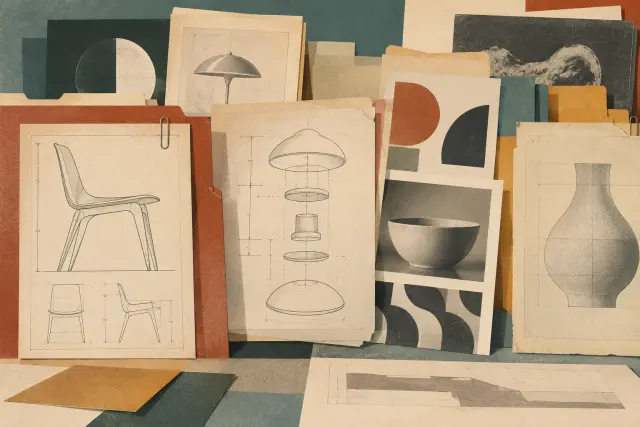
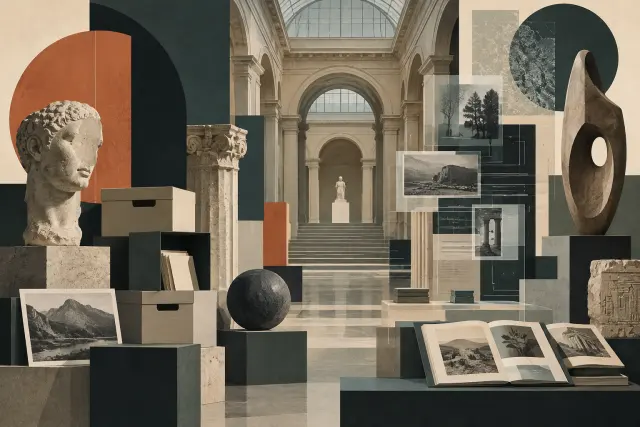
The institution dates back to 1933, when Carlo Biscaretti di Ruffia began assembling historic vehicles. The museum opened to the public in 1939 in a temporary location and moved to its present building in 1960. The museum’s history is also a history of how knowledge about automobiles is assembled: alongside cars, engines and chassis, its early collection included books, magazines, photographs, technical drawings and illustrations.
This documentary material makes it possible to read vehicles as more than isolated objects. A preserved car can reveal technical solutions and design decisions; archival materials help relate it to its manufacture, public representation and surrounding practices. The museum itself presents the collection as a narrative of historical moments, cultural movements, and technological and scientific advances.
From exhibited object to context
The present building opened in 1960 to a design by architect Amedeo Albertino. After renovation and expansion, the museum reopened in 2011 with an exhibition route conceived by François Confino. The approach sought to restore the displayed vehicle’s dynamism through a presentation drawing on literary, historical and cinematic references. The car is thus placed in relation to the twentieth century and its transformations, rather than presented solely as an engineering object.
The approach takes shape across three exhibition areas: one on the automobile and the twentieth century, another focused on the ingenuity and passion of those who conceived and used it, and spaces for temporary exhibitions and design. This structure moves between different scales: the broad history of mobility and the experiences of the people connected with each vehicle.
Preserving without erasing history
Conservation and restoration are part of MAUTO’s everyday work. Its Conservation and Restoration Centre combines traditional car-restoration techniques with methods applied to works of art. The museum says that these interventions must safeguard the vehicles’ authenticity, a principle that places technical work in a productive tension with interpretation: conservation does not simply mean making an object look new.
The existence of an Open Garage, which can be visited by reservation and stores vehicles undergoing conservation and restoration, makes clear that caring for a collection does not happen only in the galleries. Research and documentation are part of the same mission: the Documentation Centre brings together a library, periodicals collection and archive, and works with the conservation centre to develop content and support research.
A museum revising its own account
In 2025 MAUTO substantially renewed its permanent exhibition route. The museum describes a reorganization of galleries, new perspectives and a rewriting of exhibition texts by an interdisciplinary team, intended to make visits more accessible and update how the collection is presented. It also incorporated modern and contemporary artworks to create dialogue between different sections.
This work shows that automotive history is not fixed by the collection alone: it also depends on how objects are selected, contextualized and communicated. Bringing together original vehicles and documents, caring for their authenticity and making their relationship with social life understandable are connected parts of the same museum practice. At MAUTO, preserving cars means safeguarding objects and, at the same time, the tools for understanding their place in history and culture.
- Decade
- Contemporary
- Region
- Europe
- Level
- Enthusiast
- Entities
- Museum
Sources and references
- Desarrollo y conservación del patrimonio cultural-natural en el contexto neoliberal y nuevas tecnologíasdoi.org · 2026-11-11
- Conservación y Restauración del Patrimonio Cultural en soporte Papel - Museo Jesuítico Nacional de Jesús Maríadoi.org · 2026-11-11
- Museos de los religiosos: El Museo San Agustín de Manilaopenalex.org · 2026-11-11
- El MAUTOwww.museoauto.com · 2026-11-11
- Jornadas sobre patrimonio industrial y tecnológico mueblewww.calameo.com · 2026-11-11