The trend of reinterpreting past aesthetic forms in contemporary design is often perceived as mere visual nostalgia. However, for these reinterpretations to transcend simple copying, it is fundamental to establish a rigorous reference framework that allows identifying what is preserved and what is transformed. This process is not only aesthetic but also documentary. The archive acts here as an analytical space that provides the historical depth necessary to evaluate the critical validity of new creations. Without this foundation, the distinction between a work with transformative intent and an uncritical imitation becomes blurred, reducing the cultural value of the resulting object.
The analytical function of the archive
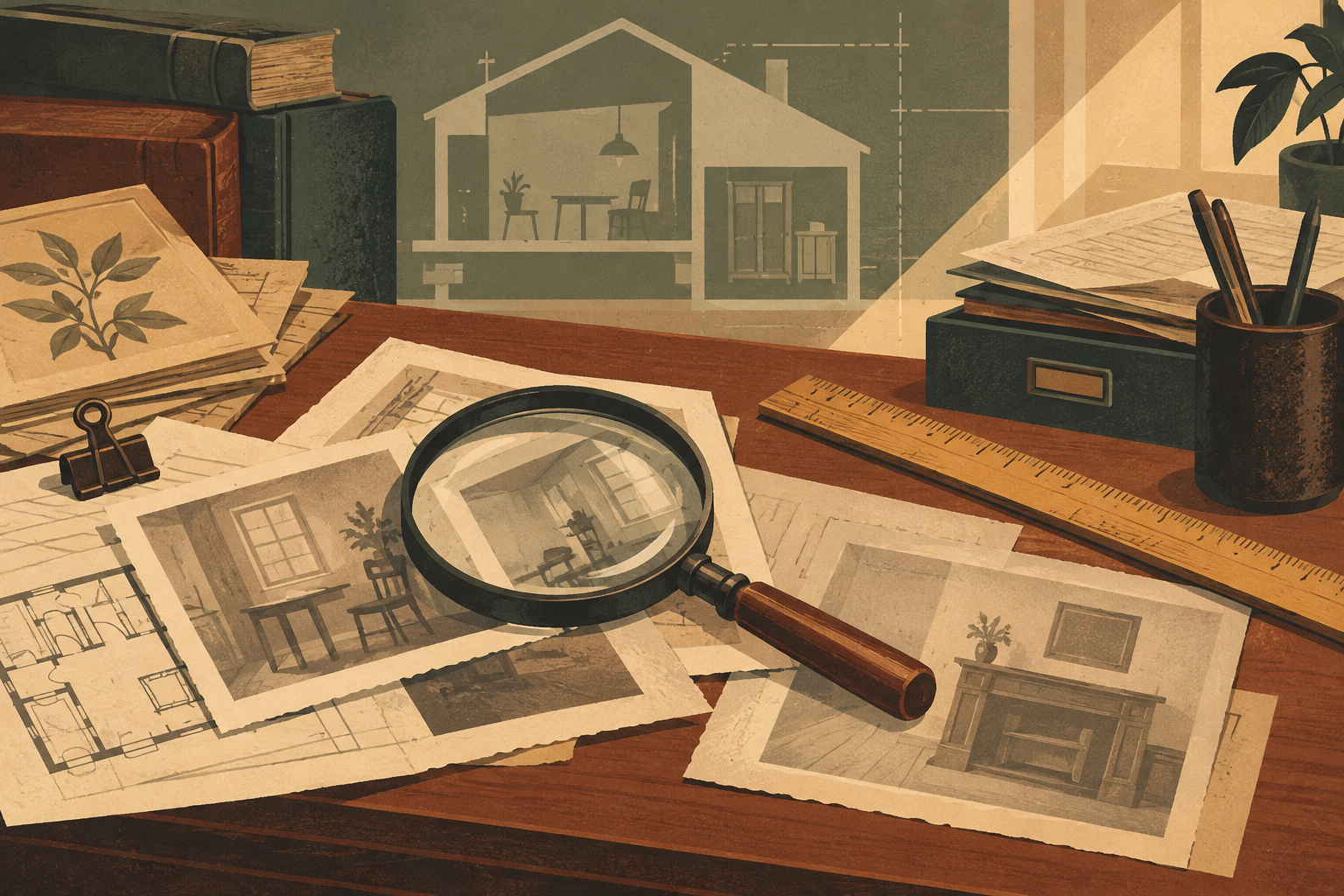
Traditionally, the archive has been understood as a place of passive storage. In the context of design and material culture, its function is more active. It serves as a tool to preserve the cultural context of original references. This implies not only storing the object but also the documentation that explains its origin, use, and aesthetic meaning in its time. By accessing this information, contemporary creators can work with a solid base that allows them to make informed decisions about which aspects of past forms are essential and which can be adapted or removed. This ability to discern is what gives legitimacy to the reinterpretation.
The role of museum institutions
Institutions such as the Reina Sofía Museum have highlighted the importance of the conservation and transmission of artworks. Their approach is not limited to the physical preservation of the object, but includes the transmission of its historical and aesthetic meaning. This dual condition of museum and art center underscores that the work is not an end in itself, but a carrier of memory. For retro design, this means that the value of a piece does not reside solely in its appearance, but in its ability to communicate the historical conditions that originated it. Institutional documentation ensures that this context is not lost, facilitating a deeper understanding by the public and future creators.
Digital conservation and accessibility
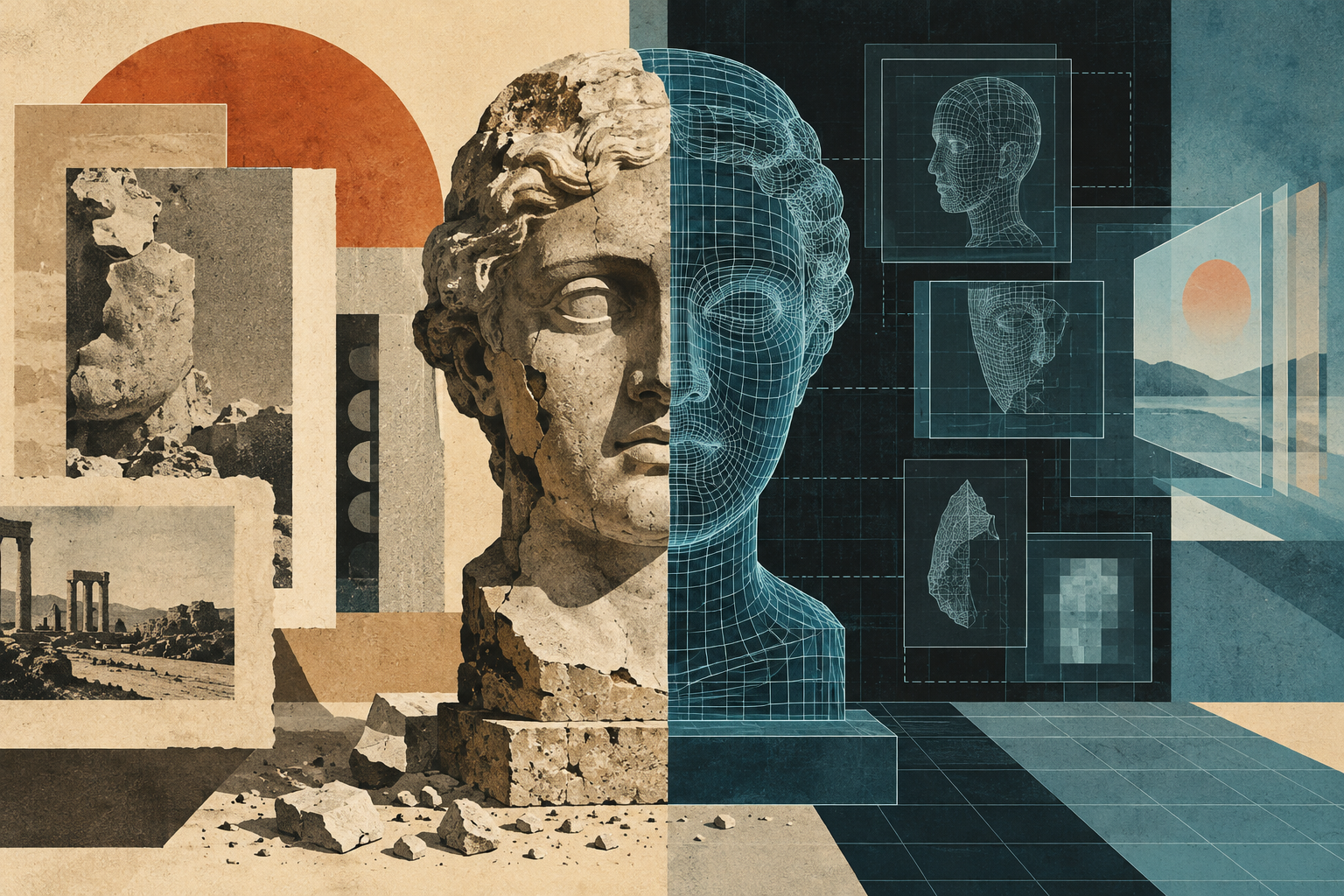
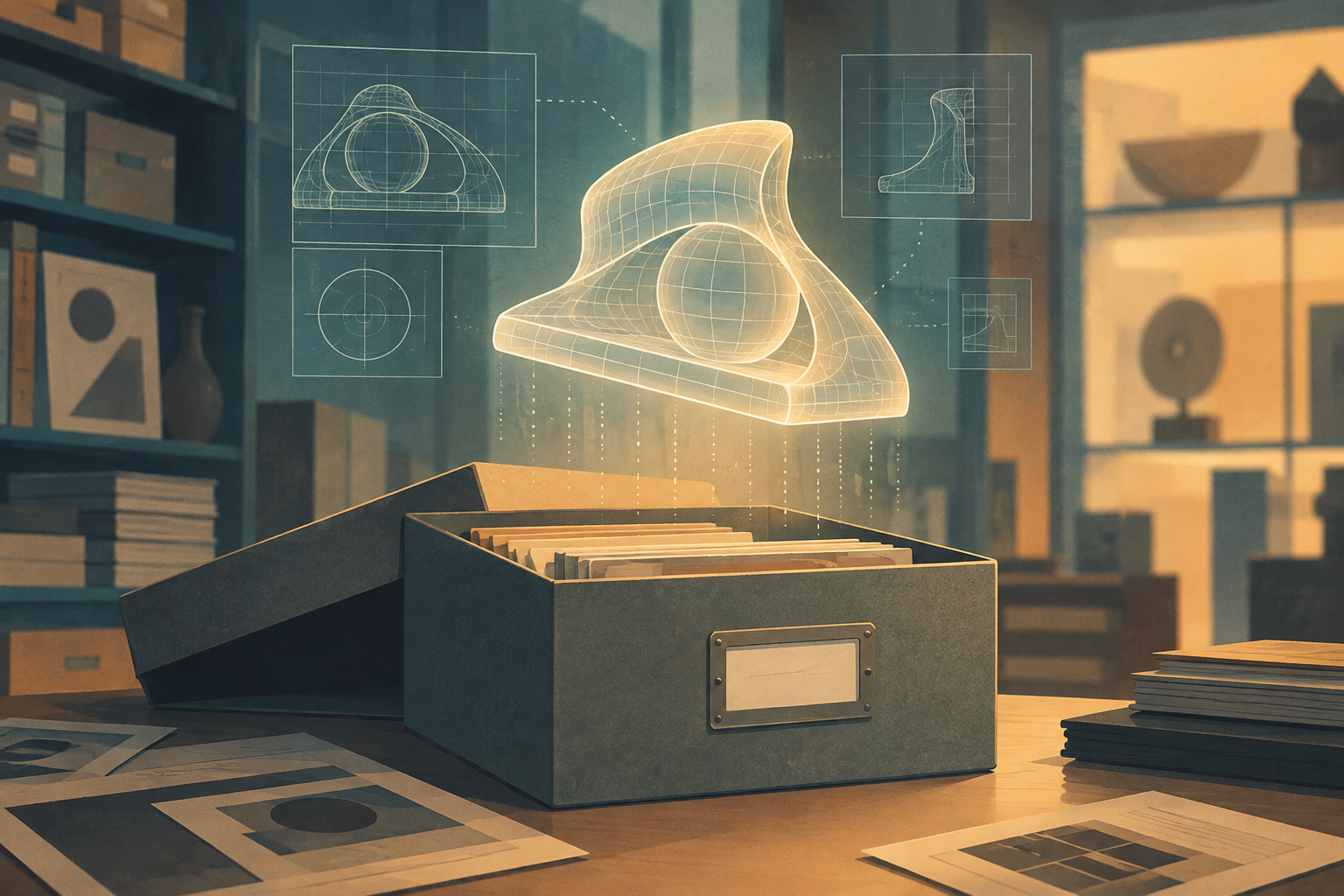
Technology has transformed the way these contexts are accessed. Digital conservation offers new ways to maintain the accessibility of historical references. A notable example is the application of 3D models and audiovisual archives in institutions like the Ipiranga Museum in Brazil. These tools allow objects to be visualized and studied from multiple perspectives, overcoming the physical limitations of traditional exhibition. For the contemporary designer, this means having a rich and detailed database available at any time. Digitization does not replace the original object, but it greatly expands the possibilities for analysis and comparison, allowing for more exhaustive documentation of material and design differences.
Differentiating original and reinterpretation
Evidence suggests that the valuation of retro reinterpretations depends directly on the ability to document the differences between the original and the new version. These differences can be material, design, or contextual. For example, a contemporary object that replicates the form of a 1970s design but uses sustainable materials and current manufacturing processes is making a significant transformation. If this difference is not documented, the object may be misinterpreted as a simple replica. Documentation allows the observer to understand the creator's intent and the dialogue it establishes with the past. Without this record, the reinterpretation risks losing its critical value and becoming an empty imitation of meaning.
Avoiding uncritical appropriation
One of the greatest risks in retro design is the uncritical appropriation of past styles. This occurs when aesthetic forms are adopted without understanding their original context or without reflecting on their current relevance. The archive helps prevent this phenomenon by providing the information necessary for conscious appropriation. By knowing the history and meaning of the references, creators can avoid falling into clichés or superficial nostalgia. Instead, they can develop a design practice that is respectful of the past but innovative in the present. This critical approach is essential for retro design to contribute significantly to contemporary culture, rather than being a mere style exercise.
The archive as a space for creation
Beyond its preservation function, the archive becomes a space for creation. By offering a deep understanding of historical references, it enriches contemporary creation. Designers can use documentation not only as a reference but as inspiration for new ideas. Interaction with the archive allows for the discovery of unexpected connections and the development of narratives that transcend simple repetition. In this way, the archive ceases to be a static repository and becomes a dynamic resource that drives innovation. This perspective changes the way the relationship between past and present is understood in design, recognizing that technical and cultural memory is an active source of creativity.
Conclusion
Retro reinterpretation in contemporary design requires more than technical skill; it demands a solid documentary foundation. The archive, through museum documentation and digital conservation, provides the context necessary to distinguish critical transformation from imitation. Institutions like the Reina Sofía and the Ipiranga demonstrate that preserving context is as important as preserving the object. By integrating these tools into design practice, creators can produce works that not only evoke the past but engage with it meaningfully. The archive, therefore, is not just a reminder of what was, but an essential tool for understanding and creating what is to come.
- Decade
- Contemporary
- Region
- Global
- Level
- Enthusiast
- Entities
- Museum, Museo Reina Sofía
Sources and references
- DEPARTAMENTO DE CONSERVACIÓN-RESTAURACIÓN ...www.academia.edu · 2026-10-17
- Museo de Arte y Diseño Contemporáneo: orígenes, desarrollo institucional y contexto de un museo en movimientodoi.org · 2026-10-17
- Conservación digital del Museo Ipiranga en Brasilwww.autodesk.com · 2026-10-17
- boletín anualwww.iccrom.org · 2026-10-17
- conservación del arte electrónico: ¿qué preservar y cómo ...www.annetteweintraub.com · 2026-10-17