Preservation is more than putting things away
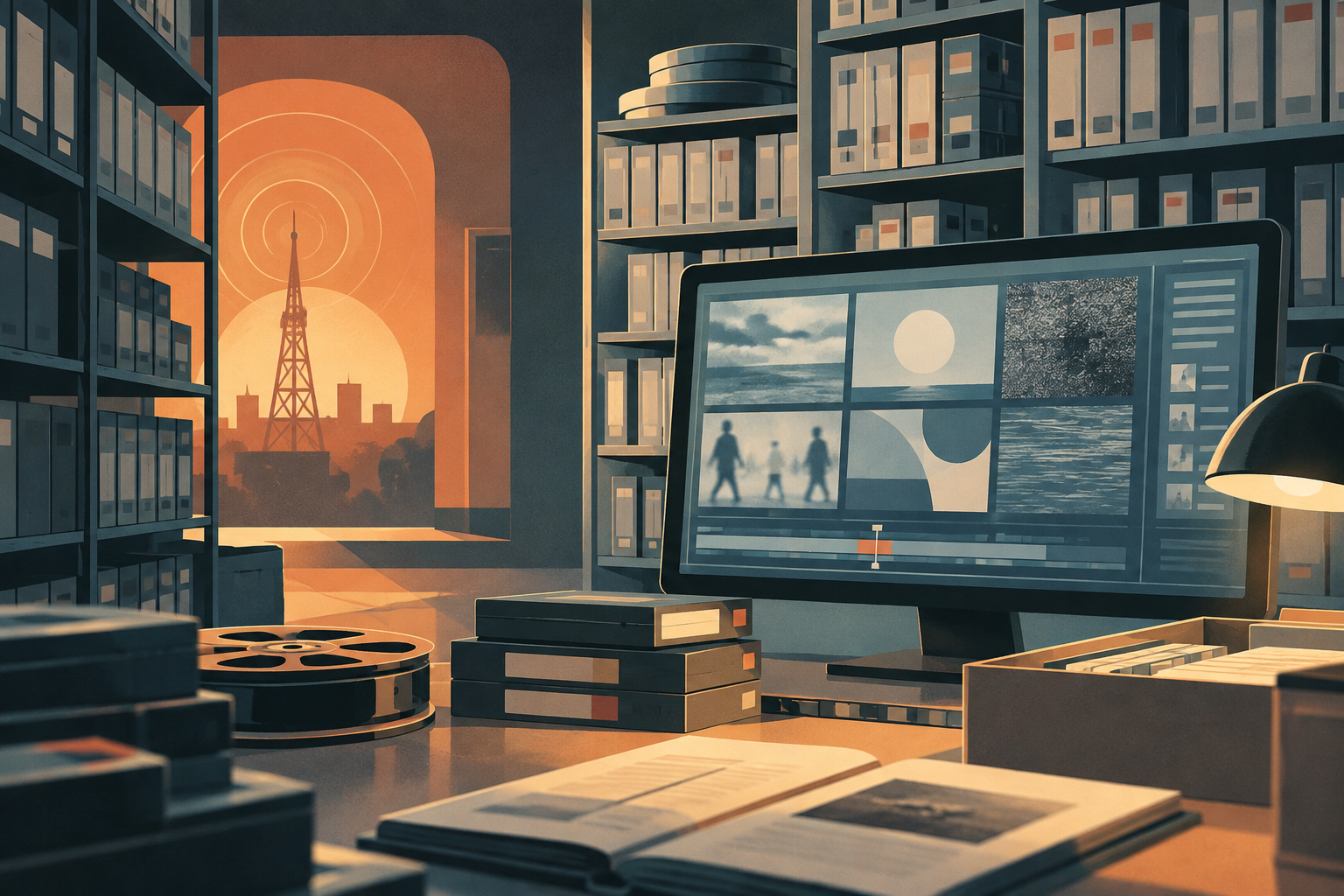
Film archives can bring to mind shelves, boxes and reels. Yet the examples available here point to a broader task: institutions not only preserve materials but also bring them together, give them context and decide how to present them. In 1994, UNESCO devoted an issue of Museum International to film museums and archives. The Cinema Museum of Girona dates the origin of its collection to the acquisition, on 28 January of that year, of the Tomàs Mallol Collection, described as a collection of cinematographic objects. These are specific facts, but they are not a complete inventory of what each institution holds, nor do they explain how every item is handled.
That distinction matters. The presence of objects in a collection does not guarantee that visitors can understand their provenance, function or relationship to other ways of making and watching films. Archival work involves, at a minimum, choices about selection and presentation. Those choices shape which traces are visible and which remain difficult to find.
A museum also frames questions
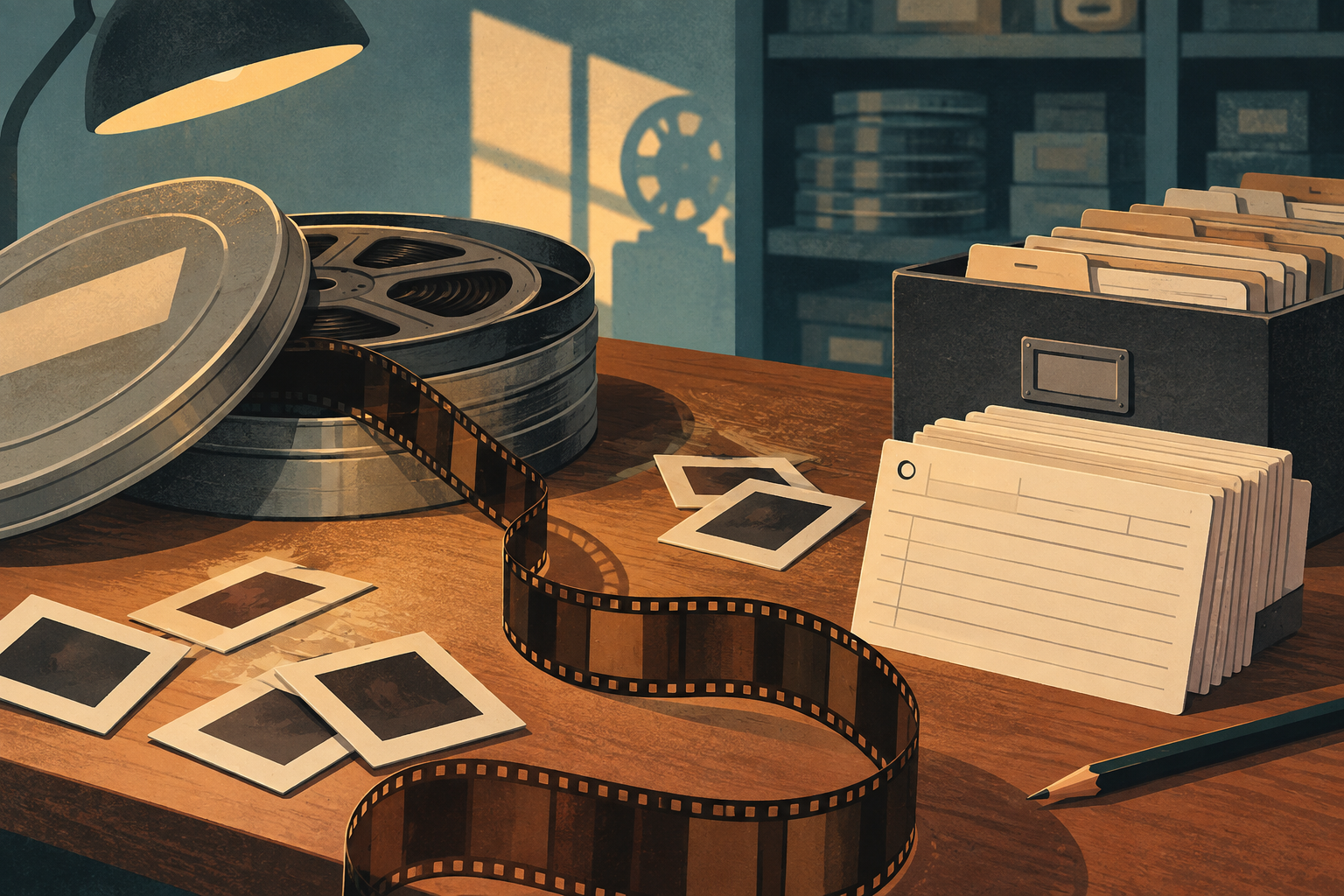
The Cinema Museum of Girona describes its mission and the origin of its collection on an institutional page. This information places a particular collection within an institutional history, but it would be unwise to attribute details that the cited page does not provide. It does, however, suggest a useful question: what can a cinematographic object tell us when it is removed from its context of use and enters a collection?
A device, document or object related to cinema may be read as material evidence, but its meaning is not automatic. It depends on the information accompanying it and on the relationships established by an exhibition. This is an editorial interpretation, not a detailed account of the museum’s galleries: the supplied materials do not allow us to reconstruct the visitor route or say how each object is displayed.
Home movies change the scale of memory
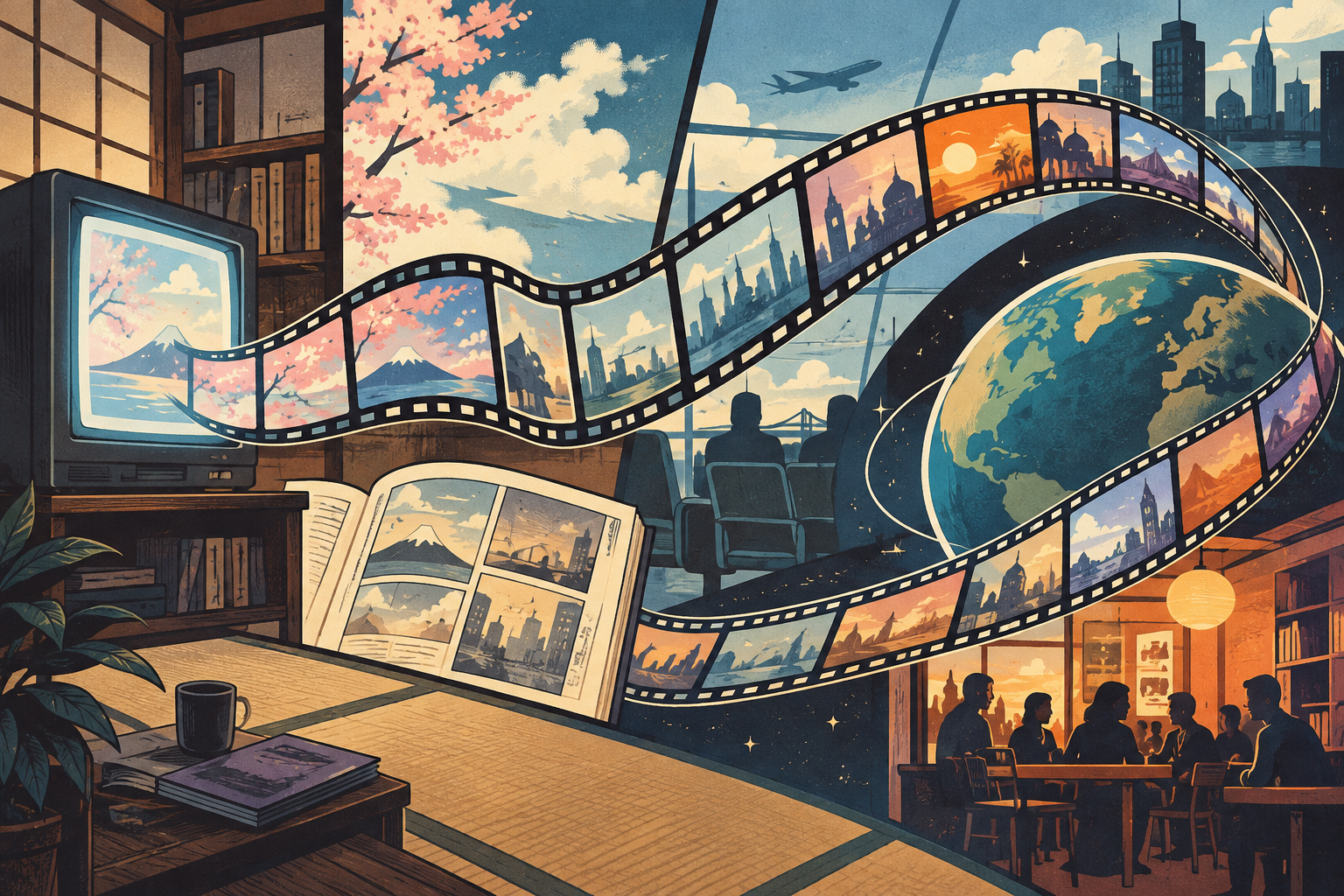
CaixaForum’s post about the exhibition «[REC]uerdos. La vida a través del cine doméstico» describes it as an initiative organised in collaboration with several film libraries and audiovisual archives. Its premise makes another scale of cinema visible: not only works created for public exhibition, but also domestic images recording fragments of everyday life.
The source supports the facts that this was a collaborative institutional project and that the exhibition focused on home movies; on its own, it does not allow us to describe the specific materials included, their makers or the conditions of access. Even within that limit, the project invites a question about selection. For a domestic image to become part of an exhibition, it must be identified and presented within a frame that makes it legible. An archive does not erase the distance between a private recording and its public interpretation; it makes that distance something we can examine.
Archiving also means acknowledging limits
A University of Málaga post refers to a photographic and film collection about Málaga and its province, organised into different thematic blocks and formats. This supports the observation that a collection may group materials according to more than one criterion. It does not specify all the blocks, the period they cover or the relative share of each format. Filling those gaps with a more detailed account would go beyond the evidence available.
That limit does not make the information useless. On the contrary, it shows why describing a collection matters. The word “archive” can suggest an ordered whole, while public information may offer only a partial view. Asking what is preserved, how it is classified and what remains undocumented is part of a responsible reading. An archive is not a neutral window: it is also a structure for access and knowledge.
Preservation, memory and access
A video published to mark the 50th anniversary of the creation of the Cinema Museum presents a panel convened to discuss that half-century of history and preservation. The available description does not include the panel’s contributions, so their arguments cannot be summarised here. It does document that preservation was the stated focus of this commemorative conversation.
Taken together, these sources offer different ways into cinematic memory: a specialist UNESCO publication on museums and archives; the institutional history of a collection; a collaborative exhibition of home movies; a regional collection described by themes and formats; and a public conversation about preservation. They are not enough to provide a comprehensive survey of film archives in Spain. They do support a narrower conclusion: preservation is not simply a matter of preventing disappearance. It also involves choosing how materials are described, what context is supplied and how others are allowed to consult them.
Preserved memory, then, should not be mistaken for a complete history. The objects and images made accessible to the public are selected, and the descriptions available to us have their own limits. Making both things visible—what is preserved and what we still cannot claim—is an essential part of telling cinema through its archives.
- Decade
- 1990s
- Region
- Spain
- Level
- Introduction
- Entities
- Museum
Sources and references
- 50 años del Museo del Cine. Archivos y preservación ...www.youtube.com · 2026-09-30
- Museos y archivos del cineunesdoc.unesco.org · 2026-09-30
- Descubre cómo el cine doméstico ha ido capturando ...www.facebook.com · 2026-09-30
- Origen, missió, equip, premis i guardons | Museo del Cinemuseudelcinema.girona.cat · 2026-09-30
- El archivo fotográfico📸 y de cine🎞️ de la UMA se ...www.facebook.com · 2026-09-30