A design archive is more than a storehouse of drawings, images and objects. Its value also lies in what it makes possible to reconstruct: the decisions that shaped a piece, the uses it anticipated and the visual language through which it addressed an audience. When such materials are preserved and studied, they cease to be merely working documents and can be read as part of cultural history.
That change does not happen simply because the materials enter a museum. It requires protecting their integrity, retaining the information that accompanies them and resisting an exclusively aesthetic interpretation that would erase their practical dimension. Technical documentation, advertising materials and objects associated with an activity can tell different but complementary stories about design’s place in everyday life and public culture.
From working document to heritage
Design has often been understood primarily as an activity directed toward making objects. The archive shifts the focus: it also makes processes, relationships and circumstances visible. A drawing or technical document does not merely describe a form; it may offer clues to the functional decisions that made it possible. Conservation therefore provides a way to study design as a practice, not only as a visible result.
Ester Alba Pagán’s 2023 article addresses the conservation, study and dissemination of professional or business archives of Valencian design. The reference places these collections within a broader question: how can materials tied to professional activity remain accessible and acquire heritage value? The available information does not describe particular cases or methods, so more specific conclusions should not be attributed to it.
Preservation also means context
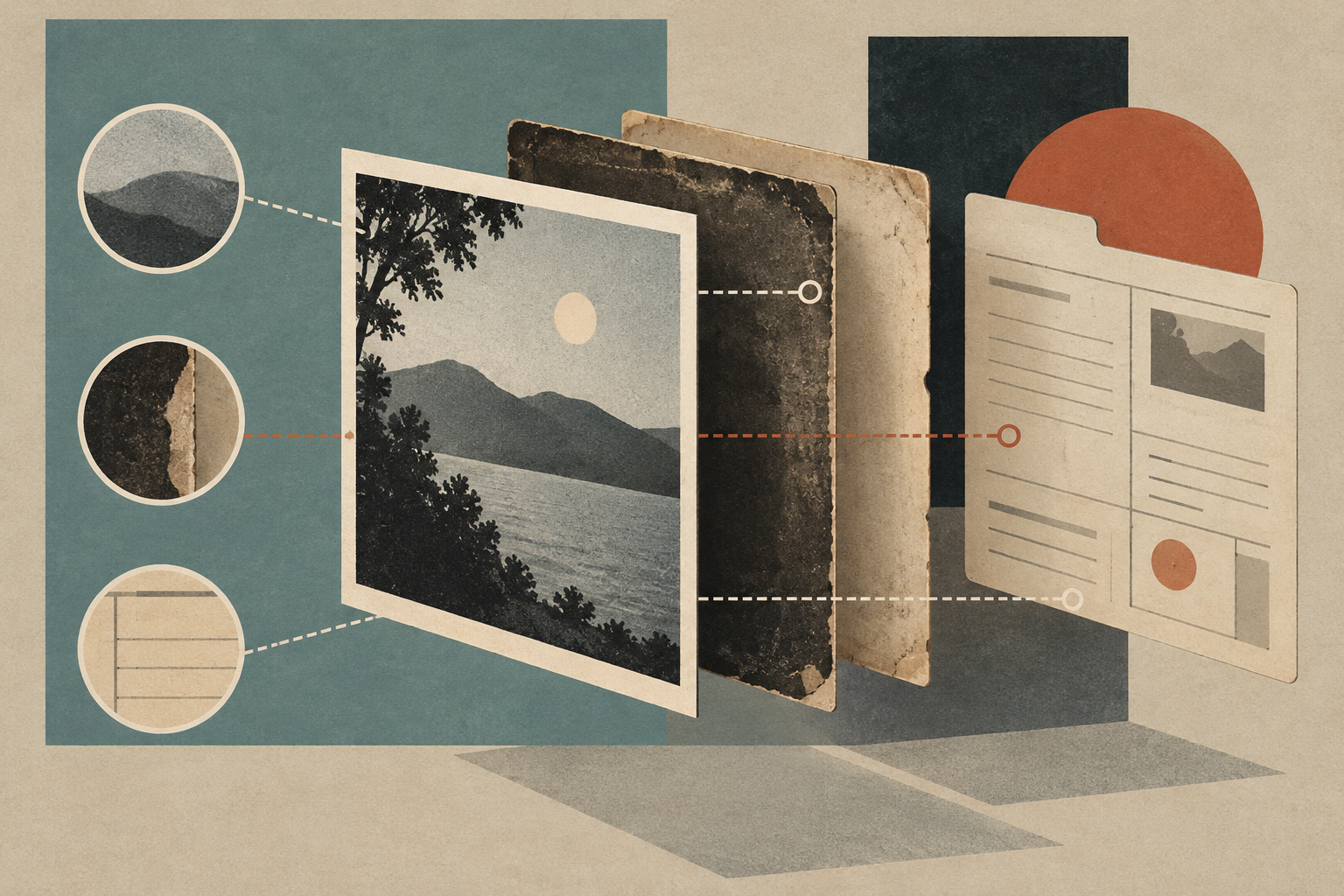
Storing materials is only part of the work. For an archive to be useful, it matters that the context needed to interpret each item is preserved: its function, its links to other documents and the way it was meant to circulate or be used. Without those connections, an object may survive physically while losing part of its meaning.
The UNESCO resource included among the evidence addresses the technical and preventive conservation of ethnographic and documentary materials. The information provided does not support presenting it as a specific protocol or claiming that it deals particularly with design archives. It does, however, support a general caution: material care should respect the integrity of objects and the information they convey.
Advertising belongs to design history
The history of design is not limited to products and spaces. It also includes the visual means by which performances were advertised and public attention was organized. A 2025 study by Raquel Racionero Núñez concerns the conservation of the Balder y Sanz ventriloquism collection and connects design with advertising for variety shows.
This subject broadens the idea of an archive: promotional materials can document forms of communication and entertainment as well as graphic decisions. The study is identified by its title and bibliographic details, but the evidence provided does not describe the collection’s contents or individual items. It therefore establishes a field of research, not a basis for reconstructing the materials themselves.
The museum’s perspective and its limits
A museum can provide a setting in which design archives are studied, preserved and shared. Technical documents and visual pieces can be brought into relation, making visible aspects that an exhibition concerned only with appearance might overlook. The relevant question is not simply whether something looks compelling, but what decisions it organizes, what uses it proposes and what context makes it understandable.
Yet museum selection is never the whole story. What is preserved and displayed depends on the materials that survive and on decisions about cataloguing and interpretation. The sources gathered here offer bibliographic references and a thematic direction, but they do not establish how representative the cited archives are or which materials survive in each case.
A legacy that depends on access
Conservation gains cultural meaning when it is joined to study and dissemination. An archive that is protected but inaccessible may preserve objects while restricting the questions future research can ask. Making documents understandable—without reducing them to aesthetic labels—allows design to be considered as a way of organizing information and guiding use.
The legacy of these collections is not simply the extended physical life of their contents. It lies in keeping open the relationships among technique, function, communication and society that the materials can help investigate. The practical conclusion is clear: conserving design archives means caring for objects and their documentary context, then making both available for study. Without that combined work, an archive risks becoming a collection of forms detached from the history that gave them meaning.
- Decade
- Contemporary
- Region
- Global
- Level
- Enthusiast
- Entities
- Museum
Sources and references
- El diseño y la publicidad de los espectáculos de variedades: la conservación de la colección de ventriloquía de Balder y Sanzdoi.org · 2026-10-16
- Diseño y patrimonio cultural: cómo asegurar la conservación, estudio y difusión de los archivos profesionales o empresariales del diseño valencianoopenalex.org · 2026-10-16
- El diseño y la publicidad de los espectáculos de variedades: la conservación de la colección de ventriloquía de Balder y Sanzopenalex.org · 2026-10-16
- Diseño y patrimonio cultural: cómo asegurar la conservación ...turia.uv.es · 2026-10-16
- (PDF) ¿Se merece la publicidad un museo? Estudio y ...www.researchgate.net · 2026-10-16
- La Conservación de material etnográficounesdoc.unesco.org · 2026-10-16