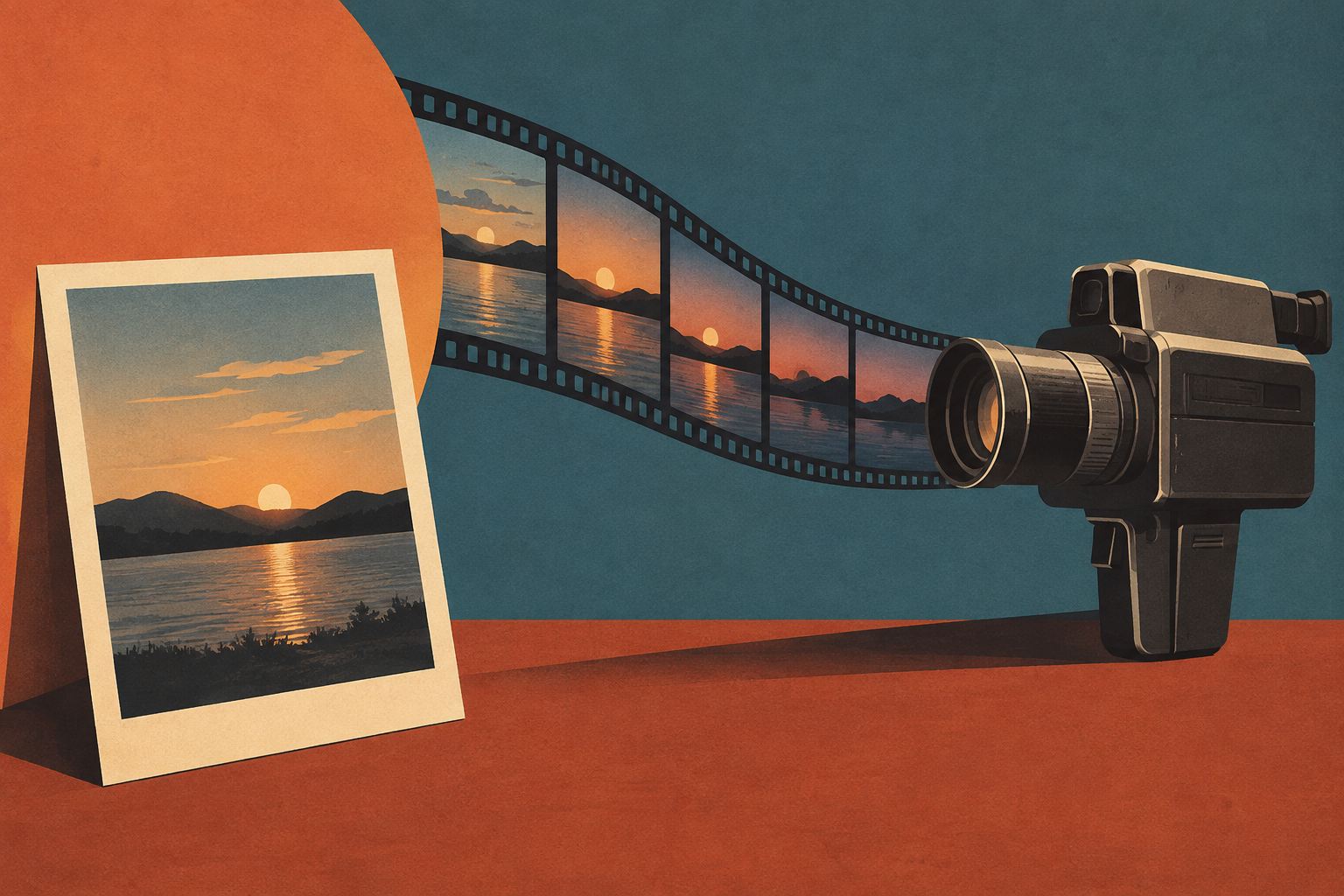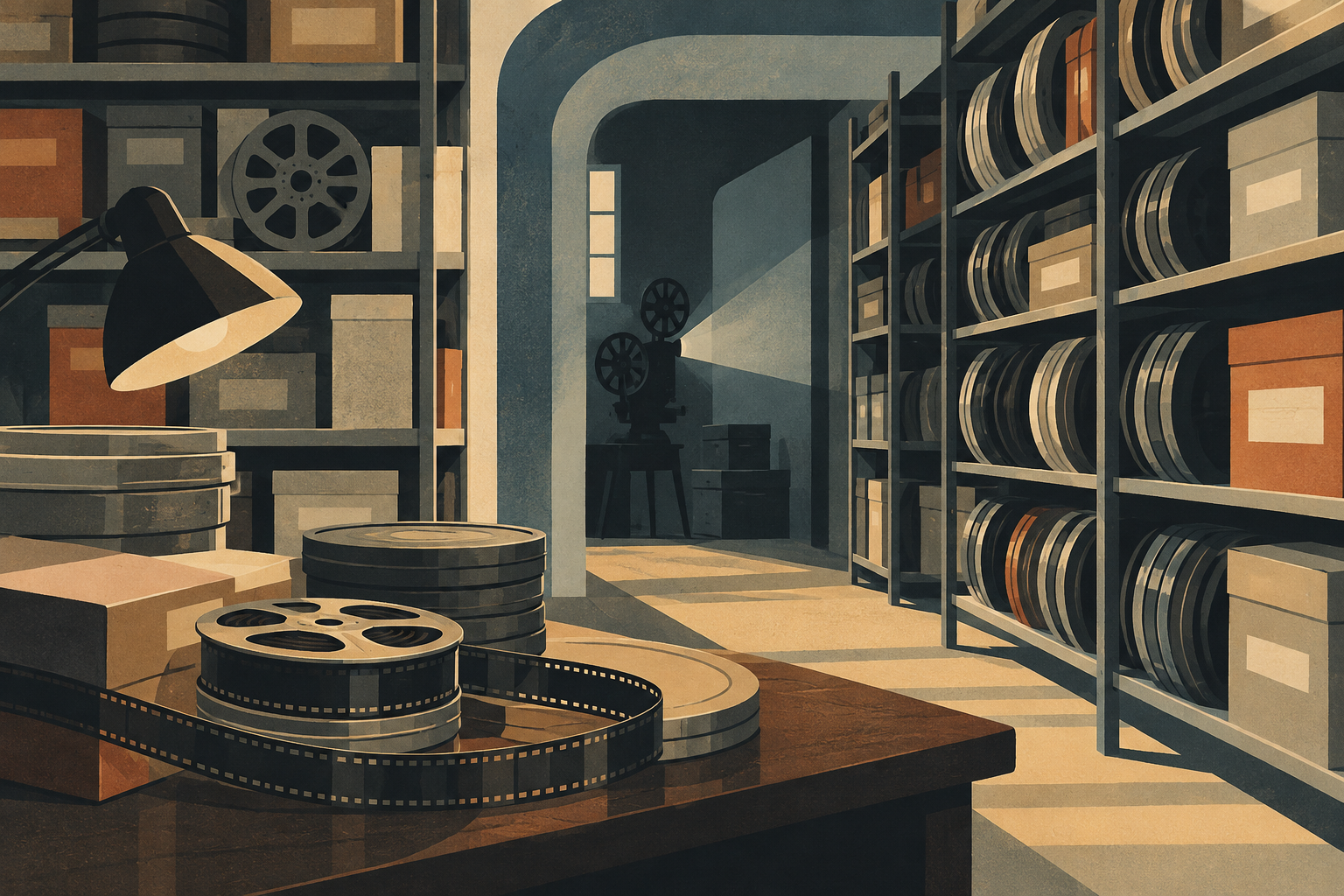
Cinematic preservation transcends the mere exhibition of moving images. It is an exercise in memory that encompasses the conservation of objects, documents, and contexts surrounding the industry. Film museums and archives act as custodians of this collective memory, allowing future generations to understand the technical and cultural evolution of the medium. It is not just about storing film copies, but safeguarding the materiality that shaped the cinematic experience.
Roots in private collections
Many spaces dedicated to film memory are born from the acquisition of private collections. A paradigmatic case is the Film Museum of Girona, whose founding dates back to January 28, 1994, with the purchase of the Tomás Mallol Collection. This collection, composed of film objects, became the basis of a regional cultural heritage. The transition from private to public marks a turning point in preservation, by giving an institutional framework to pieces that previously lacked a defined museum context.
The archive as an integral document
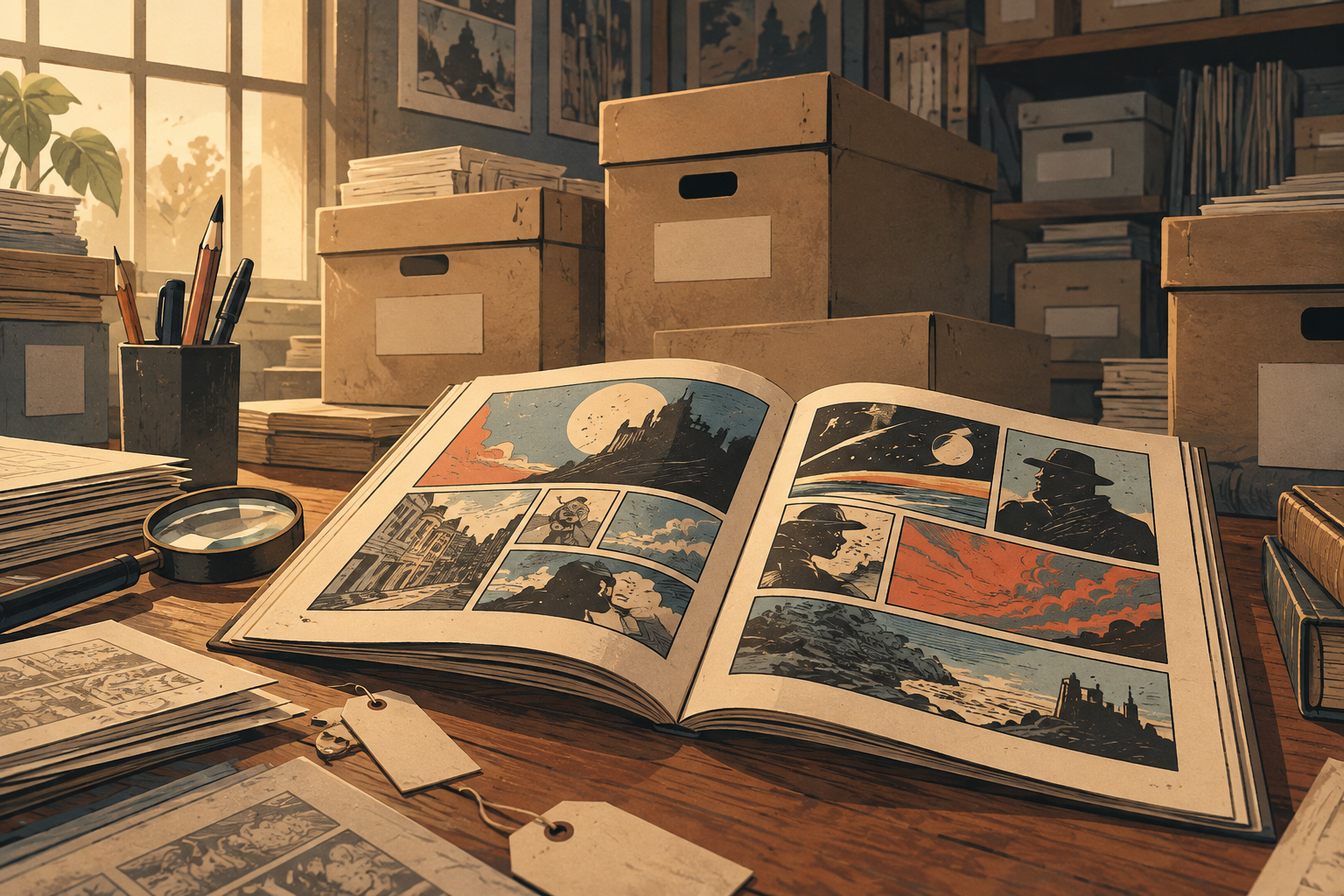
Film archives do not limit themselves to storing tapes or discs. They preserve scripts, photographs, posters, and production documents. This documentation allows researchers to reconstruct the creative and technical process of the works. By studying these materials, a more complete view of film history is obtained, going beyond the final product. The archive thus becomes a testimony to the work behind the cameras, revealing the decisions and circumstances that influenced each production.
Spaces for education and literacy
Film museums also fulfill an educational function. Through exhibitions and activities, they foster interest in film history and promote audiovisual literacy. Collaboration with academic and cultural institutions expands the reach of this mission. These spaces do not only exhibit, but interpret, offering the public tools to understand the cinematic language. Education becomes a fundamental pillar for the sustainability of film memory.
Challenges of the digital era
The arrival of the digital era has introduced new challenges for preservation. The migration from analog to digital formats requires significant technical and financial resources. In addition, technological obsolescence threatens the long-term accessibility of digital materials. Archives must constantly adapt to new technologies to ensure that heritage is not trapped in obsolete formats. This process is complex and costly, but necessary to ensure the survival of film memory in the 21st century.
Crisis as an object of study
Economic and social crises have impacted the film industry, and by extension, the ability of archives to preserve heritage. The documentation of these crises, such as that carried out by the No-Do Archive, offers a valuable perspective on the resilience of film. These archives do not only preserve success, but also the difficulties and adaptations that the industry has had to face. The crisis thus becomes an object of study, revealing the fragility and strength of the medium.
International cooperation
Film preservation is a global effort. Organizations such as UNESCO promote international cooperation for the safeguarding of film heritage. This collaboration facilitates the exchange of knowledge and resources between countries, strengthening the network of archives and museums. International cooperation is essential to address the common challenges of preservation, such as technological obsolescence and lack of funding. By working together, countries can share best practices and develop more effective strategies for preservation.
Conclusion
Film museums and archives are fundamental pillars for the preservation of film memory. Their work not only involves conserving objects and documents, but also transmitting the cultural and historical value of film to future generations. In a constantly changing world, these spaces offer an anchor of stability, allowing reflection on the past and understanding the present. Preservation is an act of resistance against forgetting, and archives are its main defenders.
- Decade
- 1990s
- Region
- Spain
- Level
- Enthusiast
- Entities
- Museum
Sources and references
- 50 años del Museo del Cine. Archivos y preservación del ...www.youtube.com · 2026-10-13
- Museos y archivos del cineunesdoc.unesco.org · 2026-10-13
- Origen, missió, equip, premis i guardons | Museo del Cinemuseudelcinema.girona.cat · 2026-10-13
- Cine en el Museo - | Ministerio de Culturawww.man.es · 2026-10-13
- Historia del cine - Wikipedia, la enciclopedia librees.wikipedia.org · 2026-10-13
- Museos y colecciones de precine y cinewww.archivocine.com · 2026-10-13
- LA CRISIS DEL CINEwww.cultura.gob.es · 2026-10-13