The Screen Is No Window: Reading Cinema as History
Cinema can represent events, periods and memories, but its images need context. A careful reading distinguishes what a film depicts from what its choices allow us to study.
Open storyArchive of technology, entertainment and everyday life
Cinema can represent events, periods and memories, but its images need context. A careful reading distinguishes what a film depicts from what its choices allow us to study.
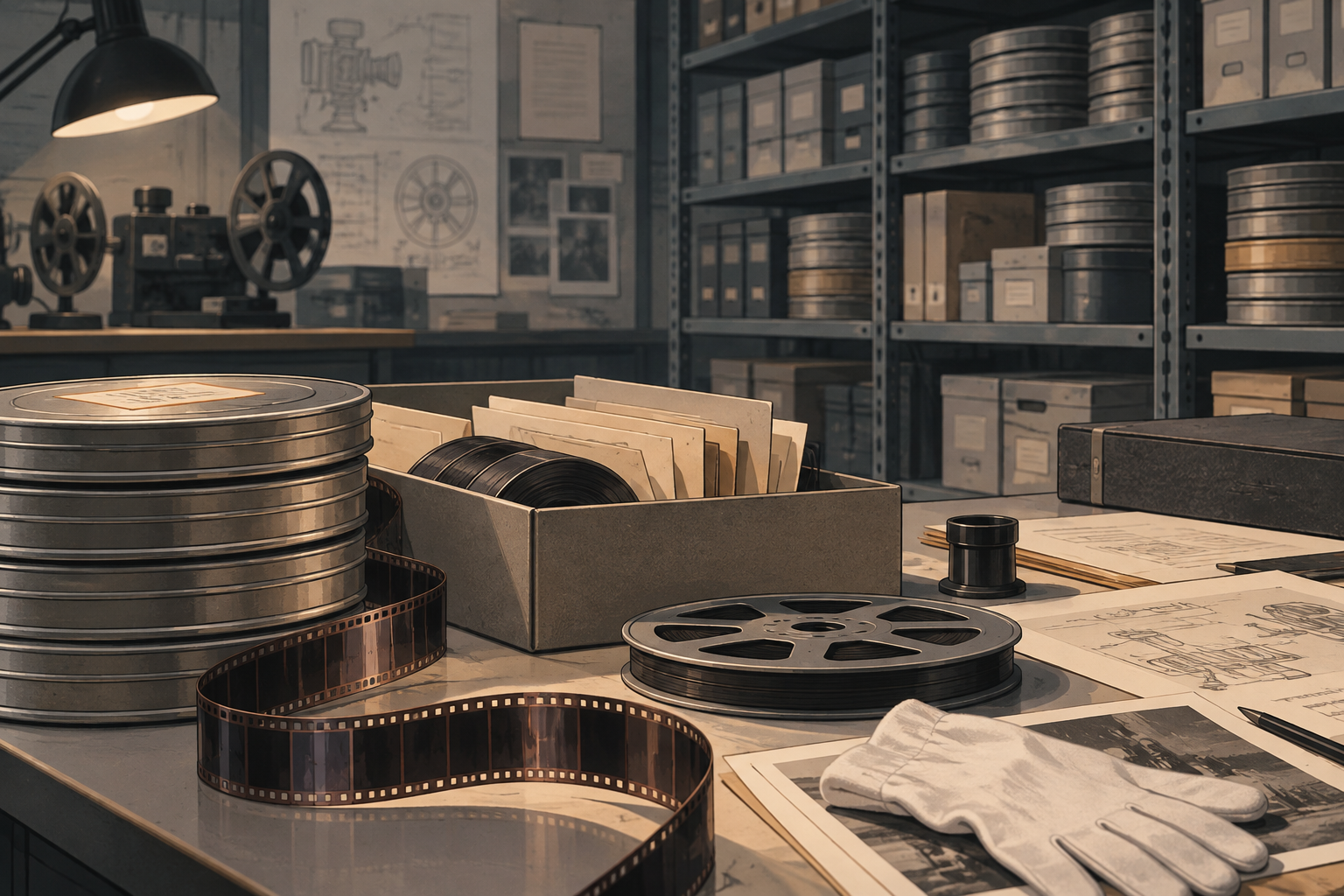
Open storyFilm archives preserve more than copies for screening. Related documents and objects help us understand cinema as artwork, material object and cultural record, even though conservation, preservation and restoration are not interchangeable terms.
Open storyPremiering in New York in 1940, Fantasia brought animated segments together with classical music and a pioneering sound presentation. Its history also shows that later versions did not always preserve image and sound intact.
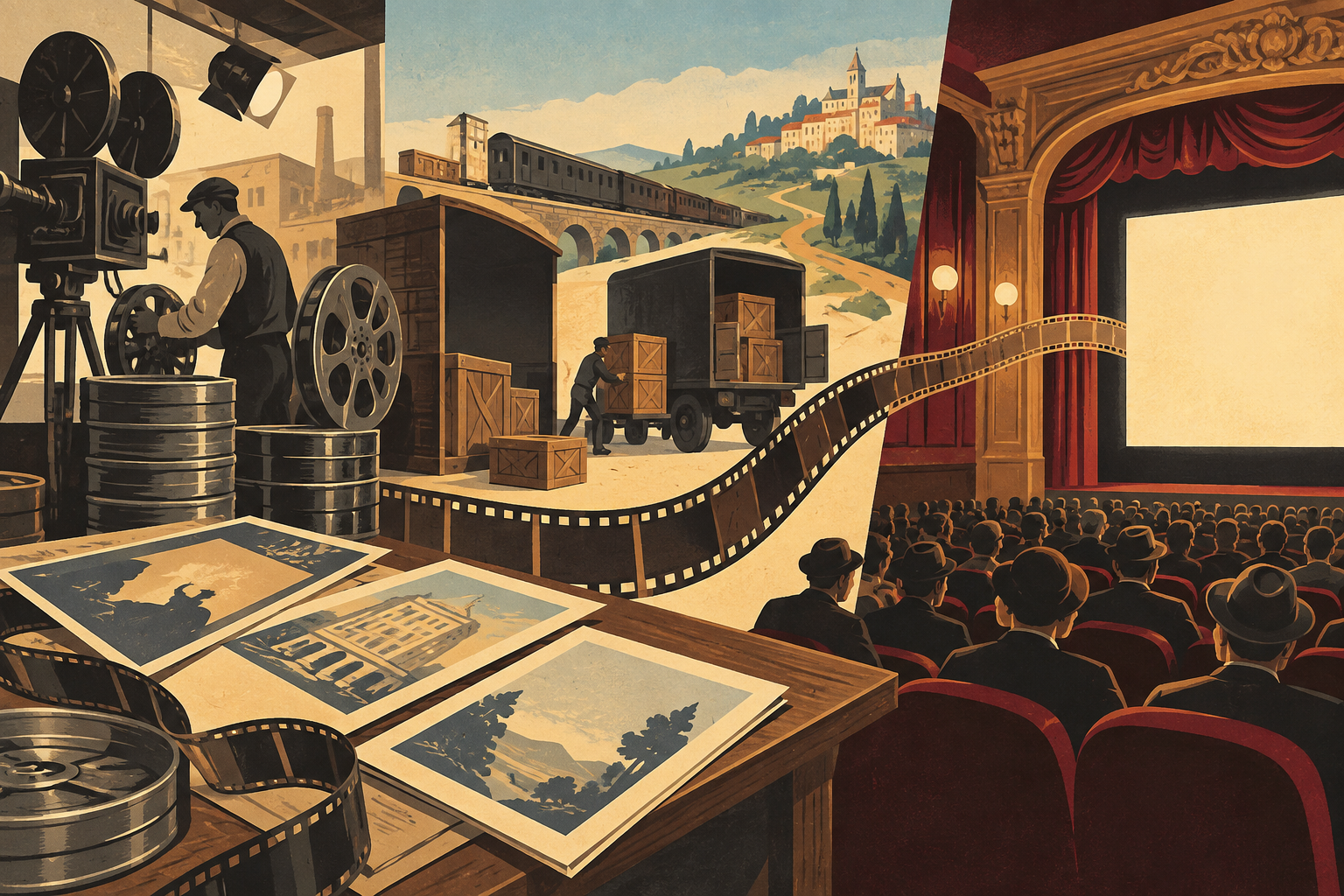
Open storyAn introduction to distribution as the link between production and exhibition, and to what the available sources tell us about the consolidation of Spain’s film sector from the early twentieth century to the quota debate of 1928.
Open storyCinema can help us study how events are represented and remembered, but a film is not a transparent record of the past. Drawing on studies of cinema and history and references to films such as Patton (1970) and Nicholas and Alexandra (1971), this guide distinguishes event, representation, and memory, while observing the limits of what the available sources can establish.
Open storyA film can be understood as an artwork, a document and a material object. Drawing on studies of film heritage and film archive collections, this article explores how those perspectives complement one another—and why preservation also involves documentation and access.
Open storyFilm history is also shaped between a completed film and its arrival in cinemas. Drawing on sources about Spanish distribution, this article explores distributors’ role, the early twentieth-century context of expansion, debate over the presence of domestic films, and the value of archives preserving traces of this activity.
Open storyFounded in 1956 and now known as Tōei Animation, Tōei Dōga appears in the supplied sources as a decisive studio for professional training and the development of Japanese animation. This feature places that claim within the available material and historical context without turning it into a total history of anime.
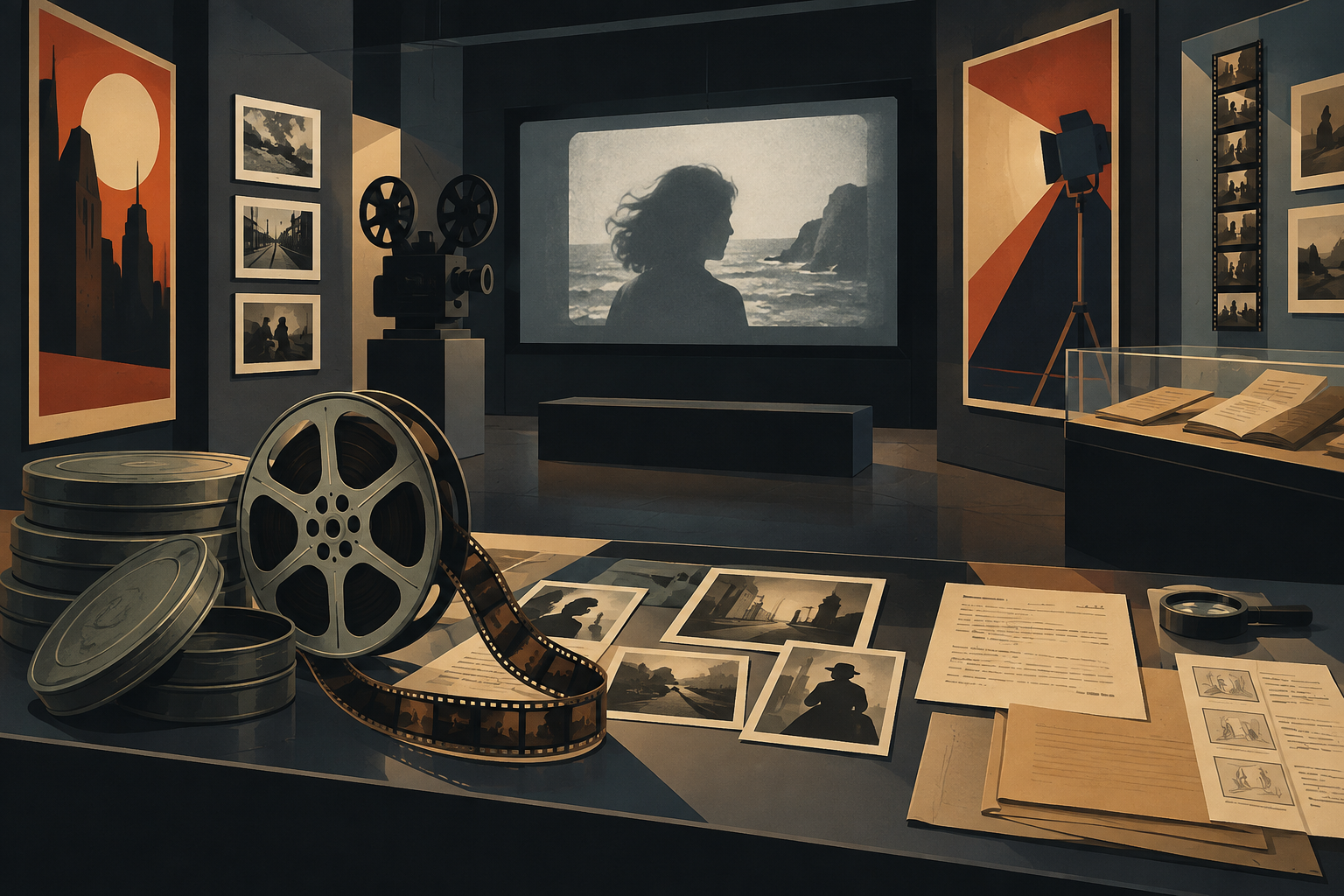
Open storyThe planned new Film Museum in the former NO-DO building offers a way to reconsider what preserving film heritage means: not merely safeguarding copies, but also caring for media, documentation, cultural uses and the conditions of access that make audiovisual history intelligible.
Open storyA documented reading of the role of distributors in Spain, the sector’s early consolidation, and the archives that now make this chain of mediation researchable.
Open storyA contextual guide to why preserving cinema does not simply mean storing films: copies, documents, posters, devices and digital formats form a heritage whose access and dissemination matter too.
Open storyThe creation of Mexico City’s Museo Archivo de la Fotografía, published on 6 December 2006, offers a way to examine why preserving images also means preserving their institutional, urban, and documentary context.
Open story