Ordinary life is a subject for research
Writing about everyday life can seem to invite familiar scenes: a room, a meal, an afternoon together. Yet a plausible scene is not the same as a documented fact. The evidence available here offers a narrower starting point: archives, photographs and objects can help tell stories of ordinary lives, and several sources describe the history of everyday life as a field of historical and social inquiry. That is enough to raise an important question, not to describe a universal routine.
The first editorial task is to distinguish documented practice from interpretation and imagined example. If a source says that photographs and objects can help tell stories of lives, we can say that such materials contribute to constructing narratives. Without further evidence, we cannot infer what every household did, how often it did it, or whether a practice was shared by an entire generation.
An archive is not a complete life
Archives preserve materials; they are not exhaustive copies of experience. The Euskonews text presents archives as privileged sources for history while also emphasizing their relationship with society. This dual perspective helps avoid two simplifications: treating documents as transparent windows onto the past, or dismissing them because preservation and organization involve choices.
The existence of a document makes it possible to study what that document records and, where information permits, the circumstances of its preservation. Its absence does not by itself prove that a practice never existed. Nor does it justify filling gaps with vague collective memories or an invented representative scene. In a history of ordinary life, stating what cannot be established is part of the finding, not a shortcoming to conceal.
Photographs and objects: clues with limits
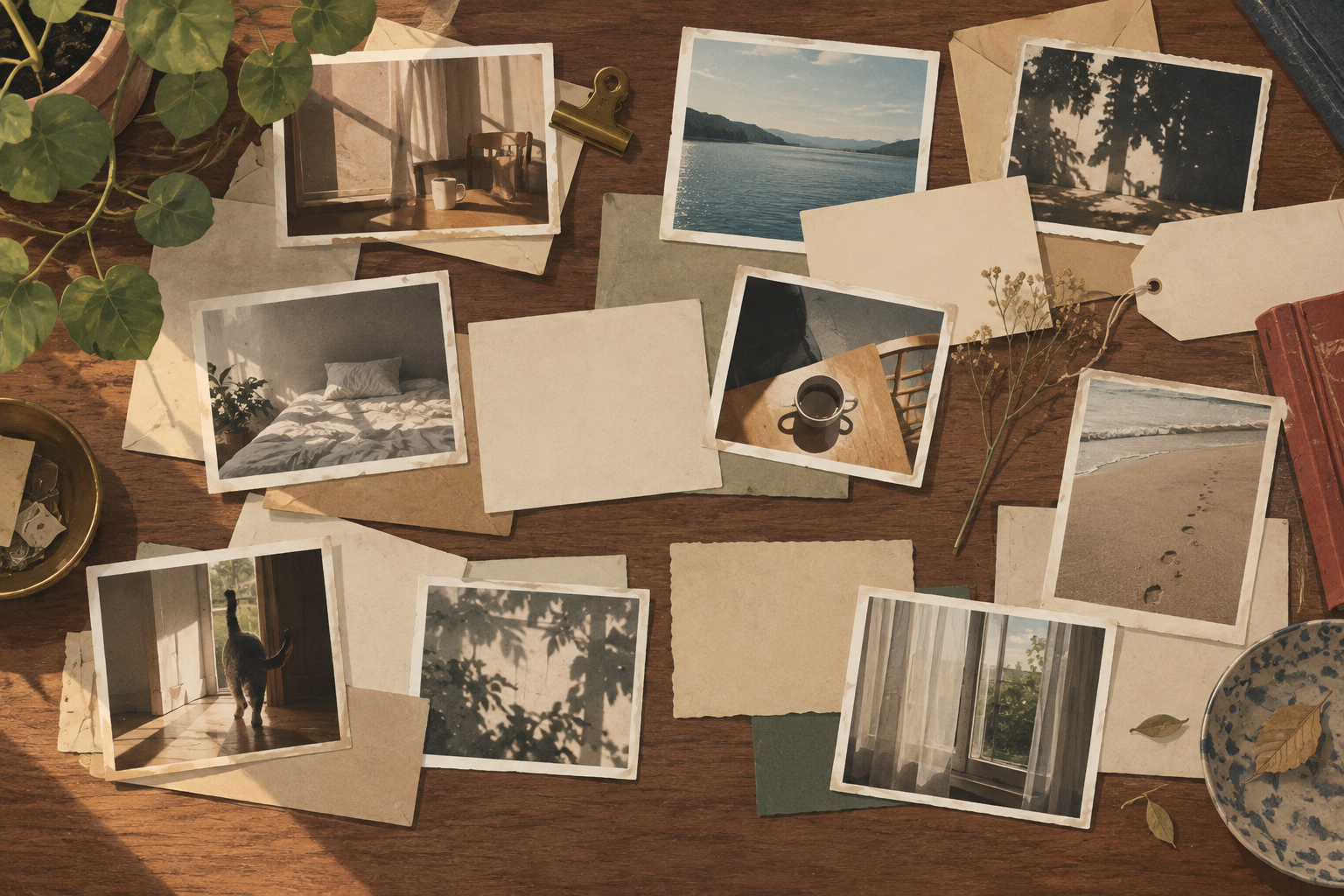
A photograph may show people, places and objects at a particular moment. A preserved object may offer material evidence. Without adequate identification, context or attribution, however, these clues do not explain on their own who took the picture, whom it depicts or how representative the scene is. A CaixaForum reference presents home movies as a source that has captured fragments of everyday life. The word “fragments” matters: an image records a part, not an entire life.
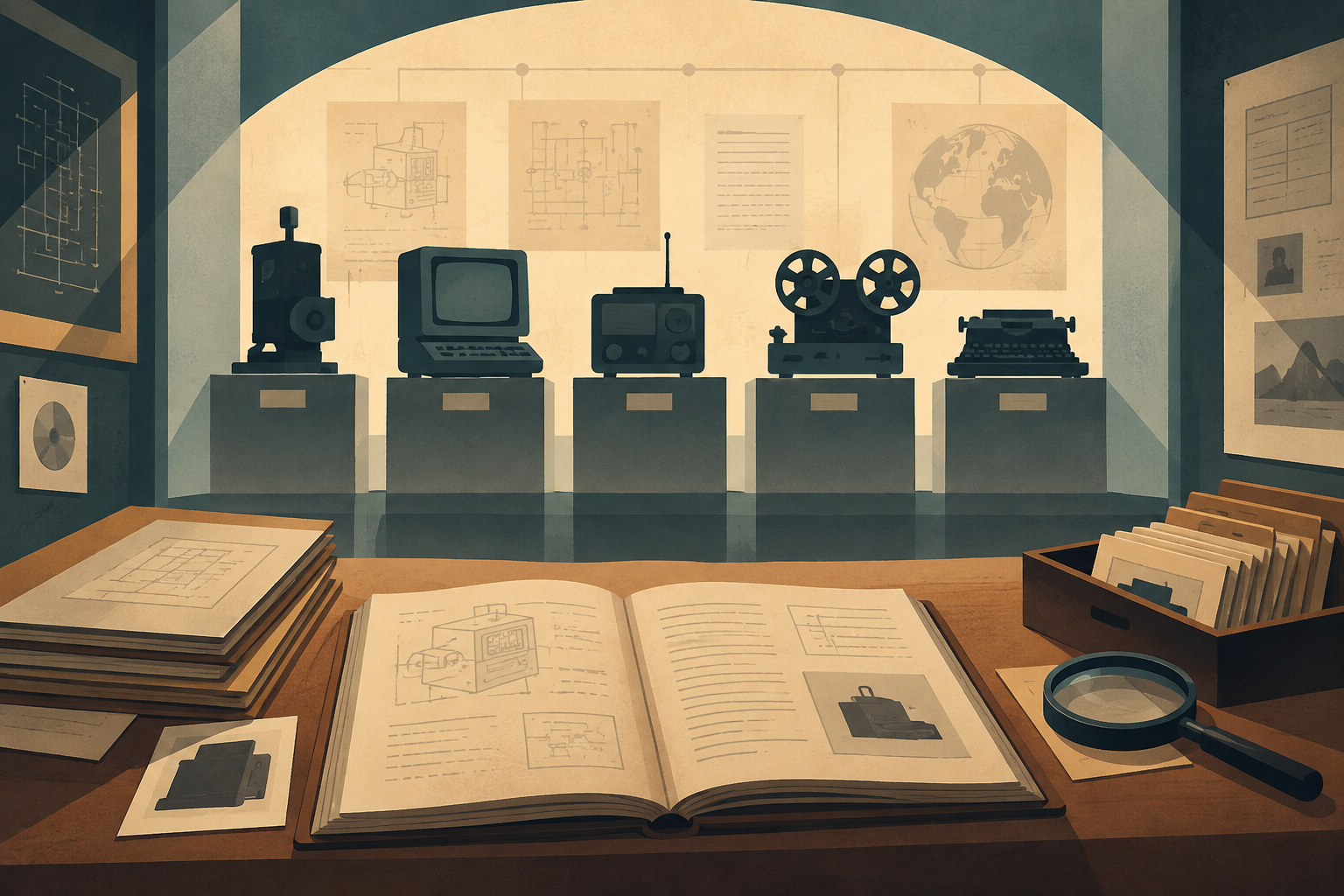
The RetroPause article about museums in Argentina, Mexico and Spain says that documents, photographs and objects can help narrate everyday life. That supports a comparison of the storytelling possibilities found in different institutional contexts, but it is not enough to claim that the three countries shared the same practices or that their museums represent them in the same way. More specific claims would require particular cases, catalogues, identified photographs and attributable testimony.
Ask who, and where
A useful social history asks more than which object is present. It also asks where a practice is documented, who created the record, which group it helps us approach and who is missing. The Real Asociación de Cronistas Oficiales describes the field as concerned with practices, routines and experiences. That description opens up lines of inquiry; it does not answer those questions in advance for every community.
This article therefore assigns no customs to households, age groups or countries that the supplied sources do not document. Nor does it use “people” as if it referred to a uniform group. A family photograph, an archival collection and a museum object can support claims of different kinds and scales. The scope of a conclusion should match the scope of its evidence.
Museums narrate, and they select
A museum can combine documents, images and objects to shape a narrative, as the RetroPause source summarizes. That narrative ability does not automatically make an exhibition a statistical sample of everyday life. Selection, preservation and display affect what visitors see. The supplied summary of the University of Granada academic article situates the history of everyday life among currents in social history; it does not, however, provide detailed cases from which to reconstruct a particular exhibition.
It is therefore worth asking what a display communicates and what limits it acknowledges. Is provenance identified? Is it clear whom a photograph represents? Does the presentation distinguish an individual case from a widespread practice? Without documented answers, these questions should remain open rather than being turned into conclusions.
A plural history, with its gaps in view
Everyday life is not reconstructed by gathering objects until the picture looks complete. It is studied by relating identifiable sources and making the scope of each claim clear. The evidence available here supports the usefulness of archives, photographs and objects for telling stories of ordinary lives, and a historiographical approach attentive to practices and experiences. It does not support a list of specific habits or their attribution to particular populations.
That limit does not make the subject less compelling. It helps prevent an evocative image from being mistaken for a shared experience. Responsible everyday history shows the traces that are available, explains which questions they can answer and leaves silences visible. In this way, objects can connect social practices without pretending that everyone lived in the same way.
- Decade
- Contemporary
- Region
- Global
- Level
- Introduction
- Entities
- Museum
Sources and references
- Lo cotidiano también deja archivo: cómo los museos cuentan ...www.retropause.com · 2026-10-01
- HISTORIA DE LA VIDA COTIDIANA – Real Asociación ...www.cronistasoficiales.com · 2026-10-01
- Descubre cómo el cine doméstico ha ido capturando ...www.facebook.com · 2026-10-01
- inmaculada Arias de saavedra Alías* La historia de la vida ...revistaseug.ugr.es · 2026-10-01
- EL ARCHIVO EN LA SOCIEDAD ACTUAL - Euskonewswww.euskonews.eus · 2026-10-01