A device can survive as an object and still leave important questions unanswered: how it was described, what information accompanied its entry into a collection, and which records outlasted its use. Archives in science and technology museums offer a way to investigate such questions, but they do not automatically turn documents into complete accounts of everyday experience. Reading them carefully means distinguishing what an institution preserves, what a document states, and what remains unknown.
The object does not tell its whole story
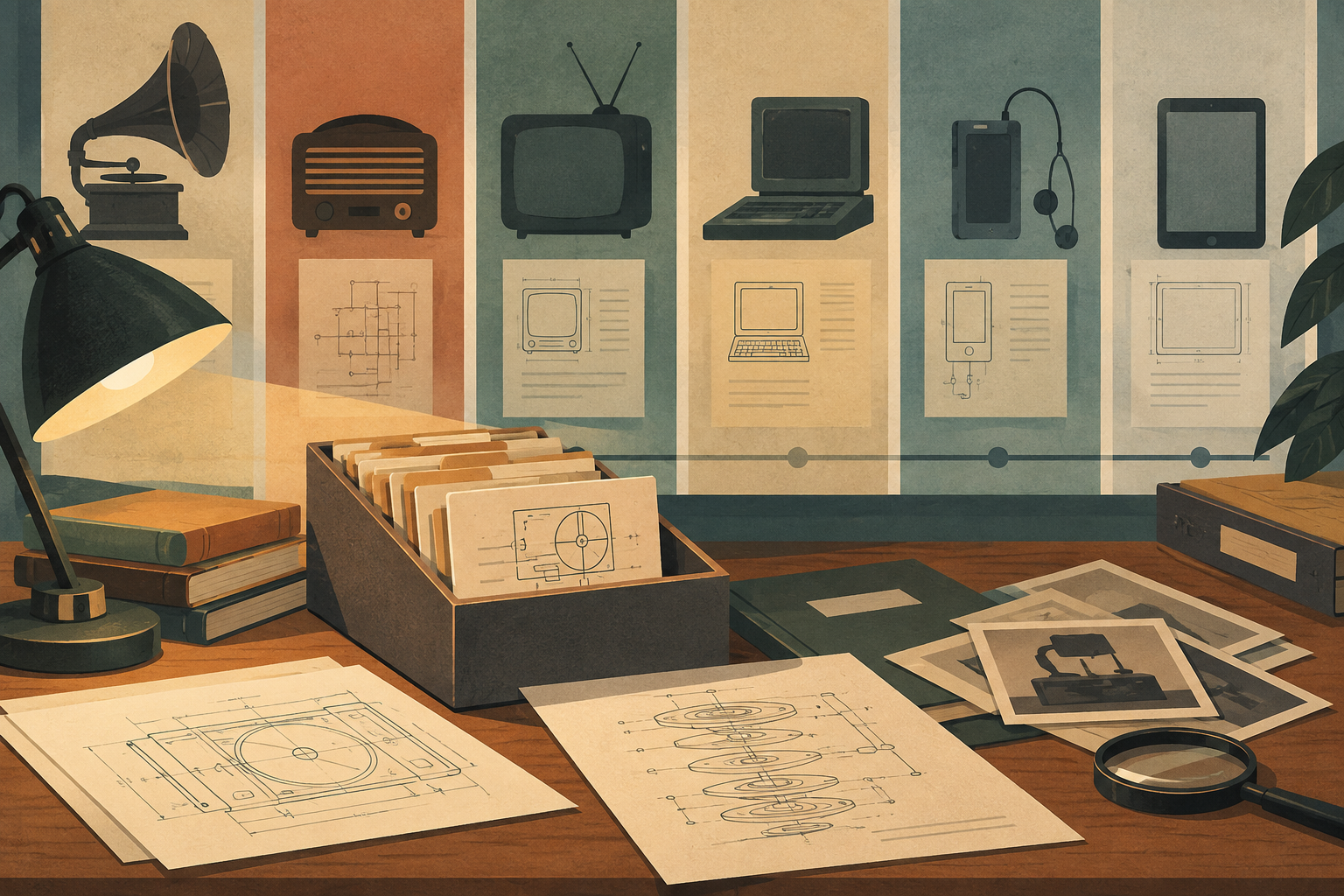
Preserving a device makes it possible to examine it as a material object. Understanding its history also requires records that place it in a collection and clarify what documentation survives around it. The supplied Tábula article on archives in science and technology museums highlights the role of archives in preservation and dissemination. This suggests treating the archive as part of a museum’s knowledge infrastructure, rather than as an administrative appendage unrelated to its objects.
That does not mean every device has a complete file. The evidence available here cannot establish which documents accompany a particular model or reconstruct the use of a specific device. The editorial question is narrower: what kinds of institutional traces might help contextualize an object, and what limits should be acknowledged when interpreting them?
Access, organization and description
The Historical Archive of the National Archaeological Museum describes its purpose as enabling public access, providing information tools that are subject to review and update, and encouraging consultation. This example is a reminder that an archive is not merely a body of stored documents. How those records are described and made discoverable matters too. Without finding aids, a source may physically exist and still be difficult to locate or connect to a research question.
According to the institutional description supplied, MUNCYT’s archive is responsible for organizing, processing and storing historical and administrative documentation. These are distinct but connected tasks. Organization establishes a structure; archival processing involves describing and managing records; storage concerns their custody. The available information does not detail particular record series or show which documents relate to a specific device. It does, however, indicate why preserving records involves more than placing papers in a repository.
From deposit to an object’s context
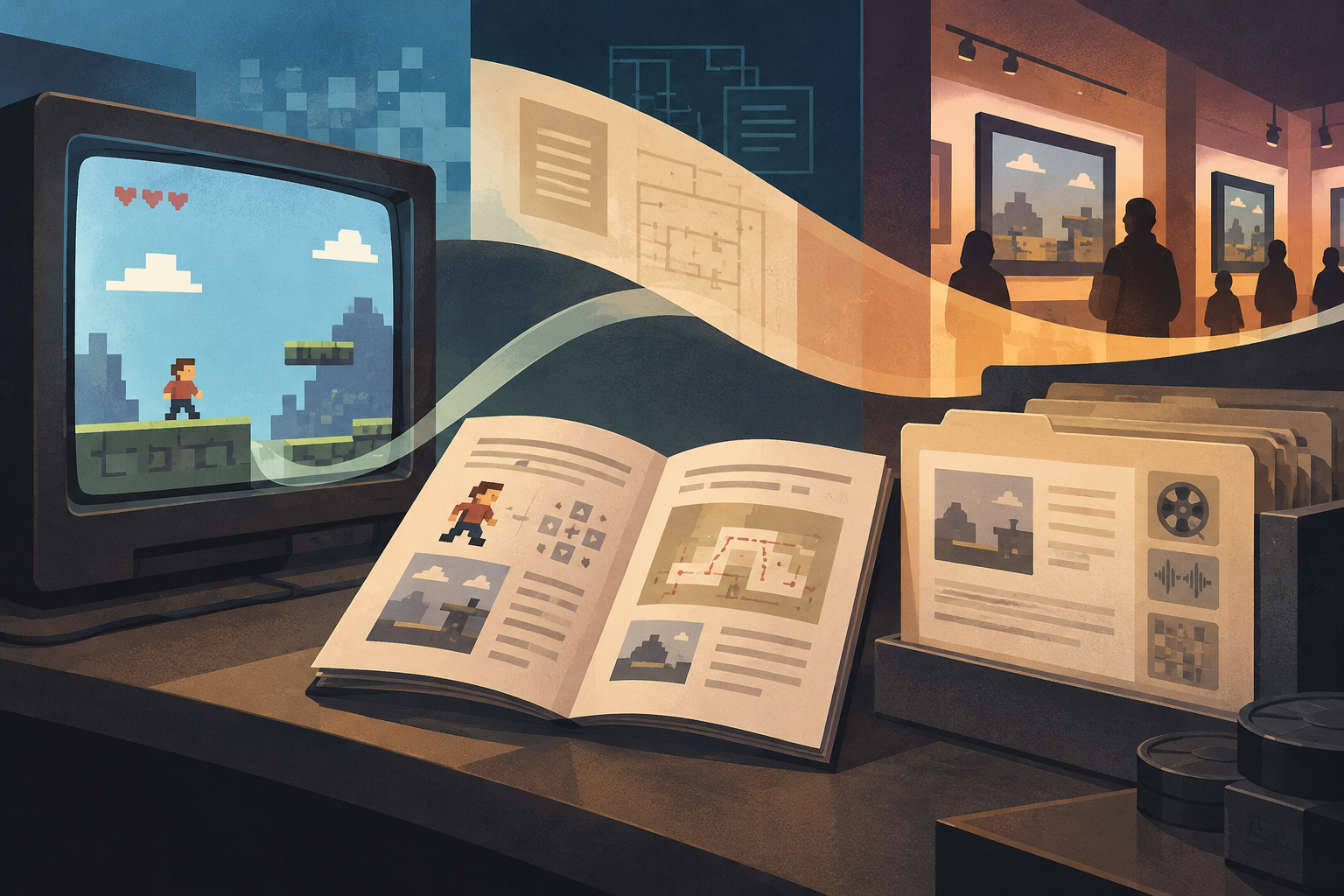
The Spanish Ministry of Culture page on state museum archives says they preserve documentation relating to objects from the time of their deposit. This provides a useful starting point for a chronological reading: an object’s entry into a collection may leave a documentary trail within the institution. But “from deposit” does not mean a complete history of manufacture, distribution or use. An institutional record and the social life of a device are related, but not identical, subjects.
The supplied museography source adds that museum organizational archives document the institution’s history and development, its collections, exhibitions and programmes. This broadens the question: a device may appear in records not only because of its technical characteristics, but also because of how a museum incorporated, described or presented it. Without consulting a specific file, one cannot attribute a particular exhibition, assessment or function to an object.
Documentation is also a choice
The supplied academic reference on three-dimensional digitization of cultural heritage in museums connects the subject with documentation, conservation and dissemination. Those terms invite consideration of digitization as a possible tool in heritage work, but the bibliographic record available here is not enough to establish which methods were used, what results they produced or which specific objects were involved. The boundary matters: a title and keywords can guide research, but they cannot replace consultation of the full study.
The same applies to manuals, advertisements and other communication materials. They can help researchers investigate what was promised about a device and how its operation was explained, provided those particular documents are located and checked. The sources available for this article do not include identifiable manuals or advertisements, so they cannot support claims about the commercial promises or actual uses of a particular product. That absence is not evidence about the object’s past; it is a limit of the evidence assembled for this analysis.
A useful reading, necessarily partial
Museum documentation raises questions different from those prompted by physical examination: what an institution recorded, what it was able to preserve, and what routes of access it offers today. The MAN and MUNCYT pages describe archival functions; the Ministry of Culture situates records about objects within state museums; and the Tábula article emphasizes the relevance of archives to science and technology museums. Taken together, these sources support a reflection on documentary value, not a history of any one device.
The conclusion is deliberately cautious. An archive can help connect an object with records and institutional contexts, while its finding aids shape what the public can locate. But a catalogue entry is not a complete biography, and a document about an object does not by itself prove how its users operated it. Answering that question requires specific, corroborated sources. Studying technology therefore means attending both to the object and to the traces it left—and clearly naming the ones that are still missing.
- Decade
- Contemporary
- Region
- Spain
- Level
- Enthusiast
- Entities
- Museum, Museo Arqueológico Nacional
Sources and references
- El archivo en los museos de ciencias y tecnologías | Tábulapublicaciones.acal.es · 2026-10-09
- Archivo histórico - | Ministerio de Culturawww.man.es · 2026-10-09
- Archivomuncyt.es · 2026-10-09
- Archivos de Museo: Funcionamientoevemuseografia.com · 2026-10-09
- La digitalización 3D del patrimonio cultural en museosrevistaseug.ugr.es · 2026-10-09
- ARCHIVOS DE LOS MUSEOS ESTATALESwww.cultura.gob.es · 2026-10-09