An object is evidence, not a complete story
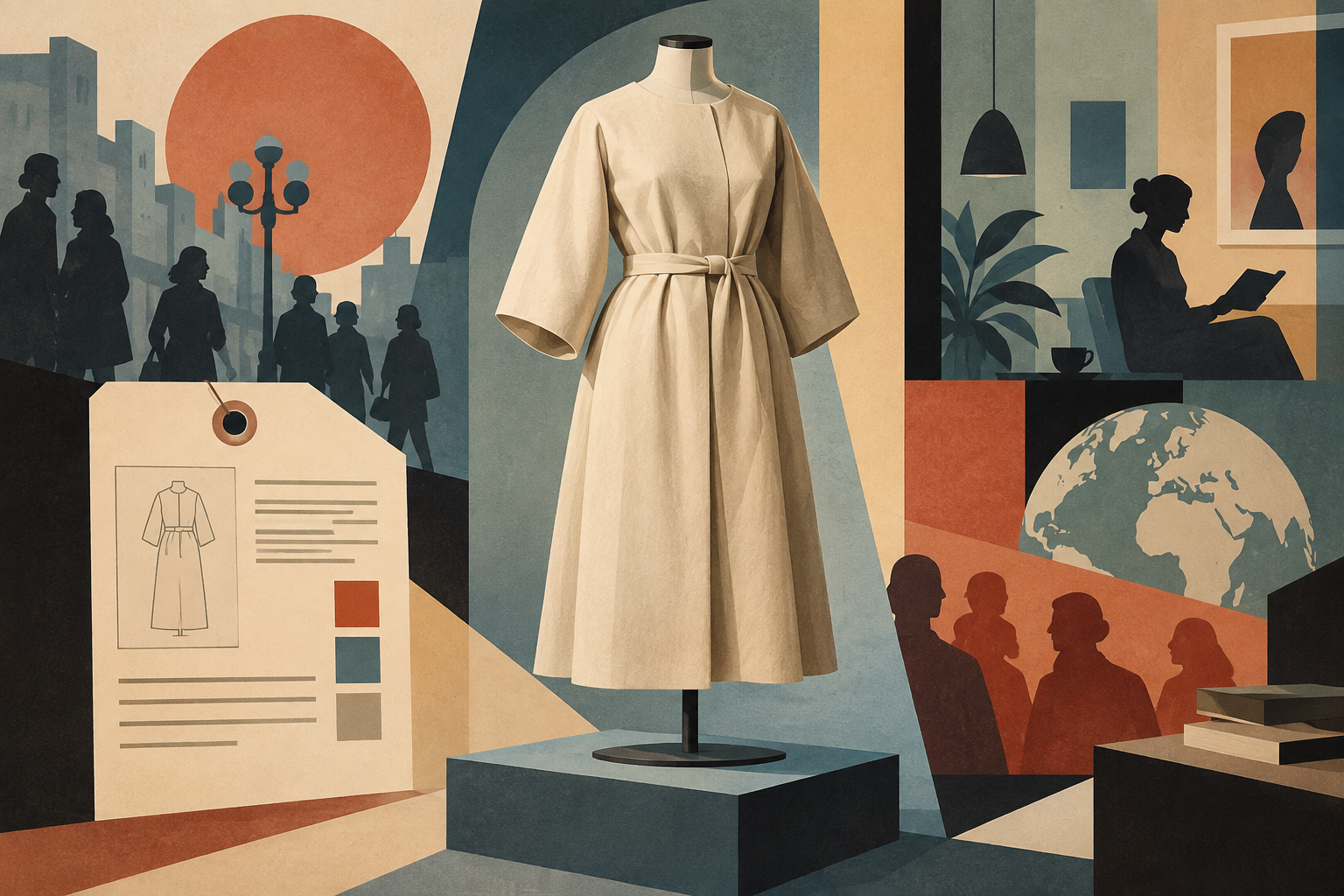
Clothing enters a museum with a physical presence that other documents do not have: it retains its shape, materials and traces of making and use. Yet looking at a garment cannot, by itself, establish who wore it, under what circumstances or what it meant to that person. The object offers clues; telling its story requires context and careful attribution.
The Museo del Traje reports that it holds almost 30,000 items of dress and fashion, as well as jewellery and accessories. That figure suggests the breadth of an institutional collection, but it does not amount to a complete history of how a society dressed. Every collection brings together particular objects and therefore leaves questions about selection, provenance and representation.
From an object to its accompanying documents
The Museo del Traje Library holds specialised bibliographic and documentary resources on the history of dress and fashion, techniques and related subjects. Such material can broaden what is knowable about an item: it allows researchers to set it alongside publications, images or documents when those exist and can be verifiably connected to it.
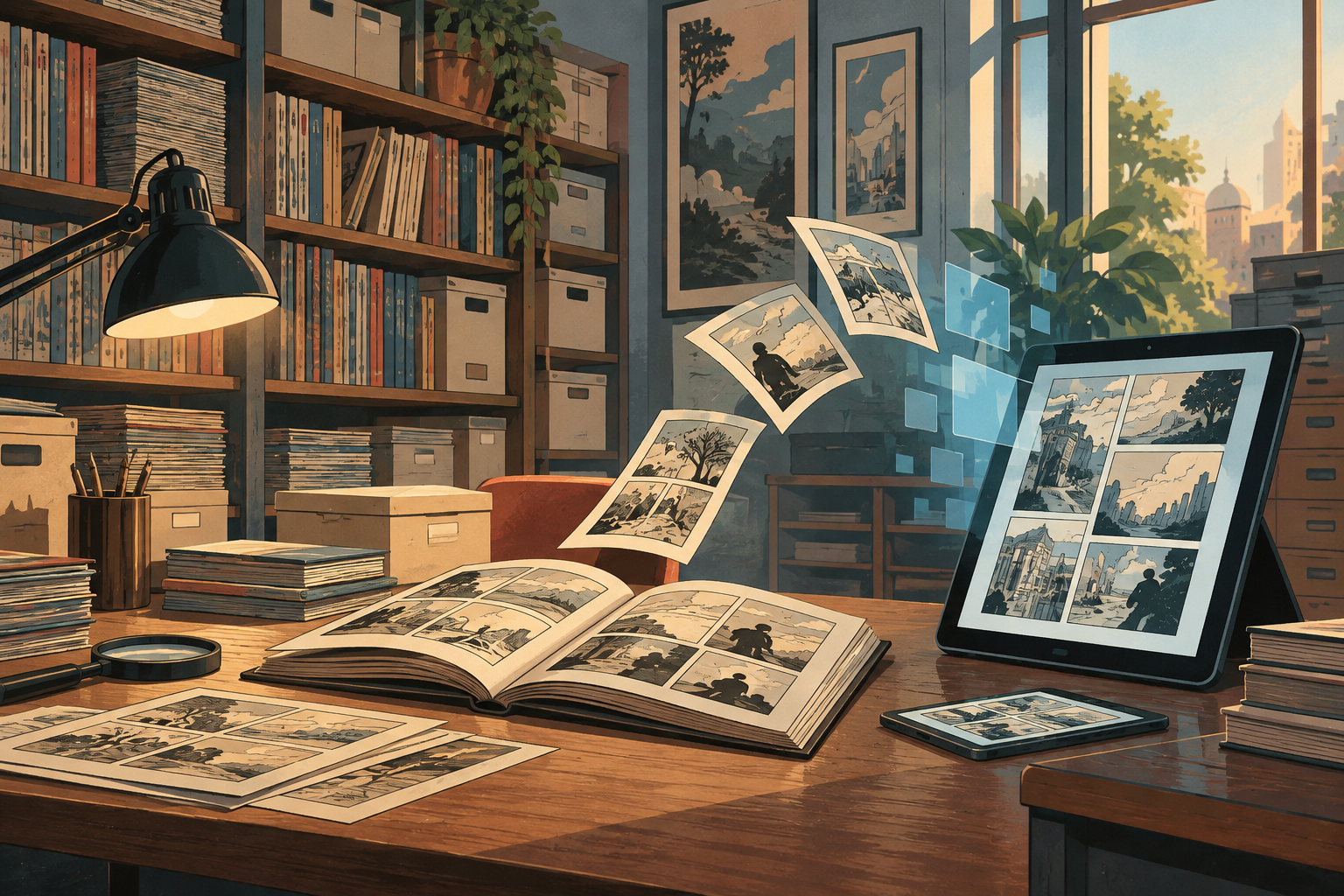
The Virtual Library of Historical Bibliographic Heritage, in turn, offers a collection on fashion, sewing and the history of dress that includes books, periodicals, manuscripts, photographs and plates with explanatory text. Its variety shows why dress cannot be studied by looking at garments alone. Images and texts may document how fashion was described, represented or transmitted; they do not automatically prove that a particular garment was worn exactly as an illustration depicts it.
Display is also interpretation
Fashion’s entry into the museum changes the cultural position of dress: objects made or used outside institutions can become heritage objects. IGECA’s text discusses this cultural legitimation and garments’ value as testimony. It offers a useful perspective on exhibition, though it cannot replace examination of each object’s individual history.
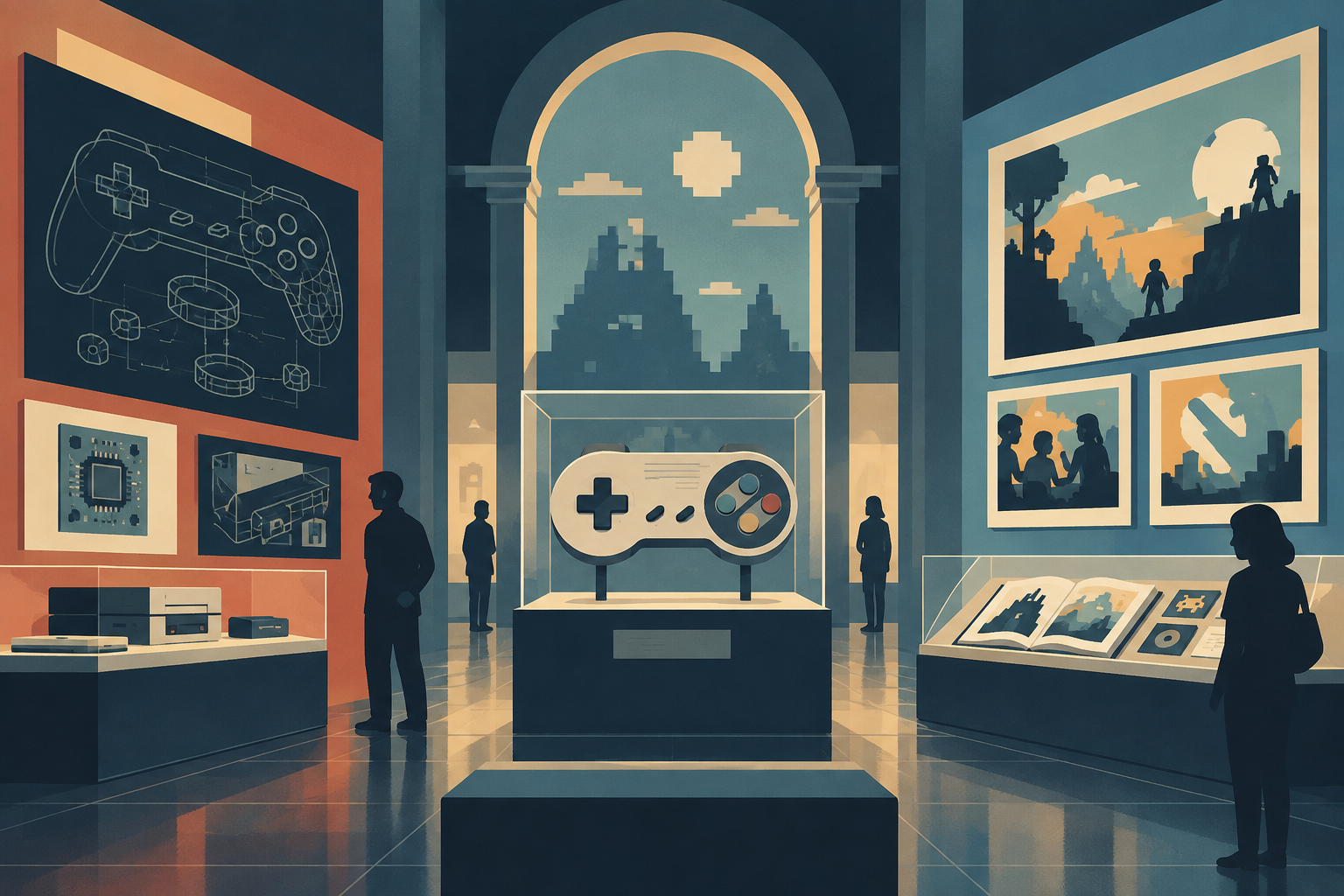
An exhibition selects, arranges and creates relationships. Its narrative may foreground techniques, silhouettes, uses or changing tastes; it may also leave other aspects in the background. A*Desk’s discussion of fashion in museums stresses that this process involves both recognition and questioning. An exhibition is not a neutral display case: its decisions shape the connections visitors perceive.
Context without turning it into certainty
A 2005 study on cultural policy in anthropology museums and the creation of the Museo del Traje places the institution within debates about representation and power. That framework helps raise questions: who selects what is preserved, what images of a society are constructed, and how a collection is presented? It is not enough, however, to assign a particular answer to every object or to assume an institutional intention without consulting the full study and relevant documentation.
The history of dress requires a distinction between what a source states and what an interpreter infers. A label may describe a material or technique; a document may provide provenance; a photograph may offer a comparison. Their value depends on their relationship to the object and the reliability of its identification. When that connection is missing, it is better to say the information is unavailable than to fill the gap with an imagined scene.
The value and limits of a collection
A collection can preserve and support the study of objects that might otherwise become detached from the documentation that makes them understandable. But accumulating objects does not, by itself, guarantee that every experience of dress is represented. Nor does the institution’s published total show which groups, uses or periods are best documented; answering that would require catalogues and focused research.
RetroPause’s article on the conservation, context and limits of fashion exhibitions provides a starting point for keeping these cautions in view. The most productive editorial question is not simply which garment looks striking, but what we know about it, which source supports that knowledge and what remains outside the frame.
Reading a garment alongside its archive
Fashion can enter a museum as an object, but it is better understood when connected to documents, research and visible curatorial decisions. The material object brings an irreplaceable presence; bibliographic and visual collections open paths for interpretation; the exhibition advances an argument that should be open to critical examination.
A garment does not speak for itself. Nor is it mute: it offers clues, as long as they are not mistaken for a complete biography. Recognising both its documentary value and the limits of what can be claimed makes it possible to approach fashion as material culture without turning partial evidence into a total history.
- Decade
- 2000s
- Region
- Spain
- Level
- Enthusiast
- Entities
- Museum, Museo del Traje
Sources and references
- La representación del poder y el poder de la representación: la política cultural en los museos de Antropología y la creación del Museo del Trajeopenalex.org · 2026-09-30
- Cuando la moda entra en el museo: conservación, contexto y ...www.retropause.com · 2026-09-30
- Moda: De la pasarela al museoigeca.net · 2026-09-30
- Fondos y colecciones - Museo del Traje - Ministerio de Culturawww.cultura.gob.es · 2026-09-30
- Coleccion de Moda, Costura e Historia del Trajebvpb.mcu.es · 2026-09-30
- Moda en el museoa-desk.org · 2026-09-30