Preserving what is still changing
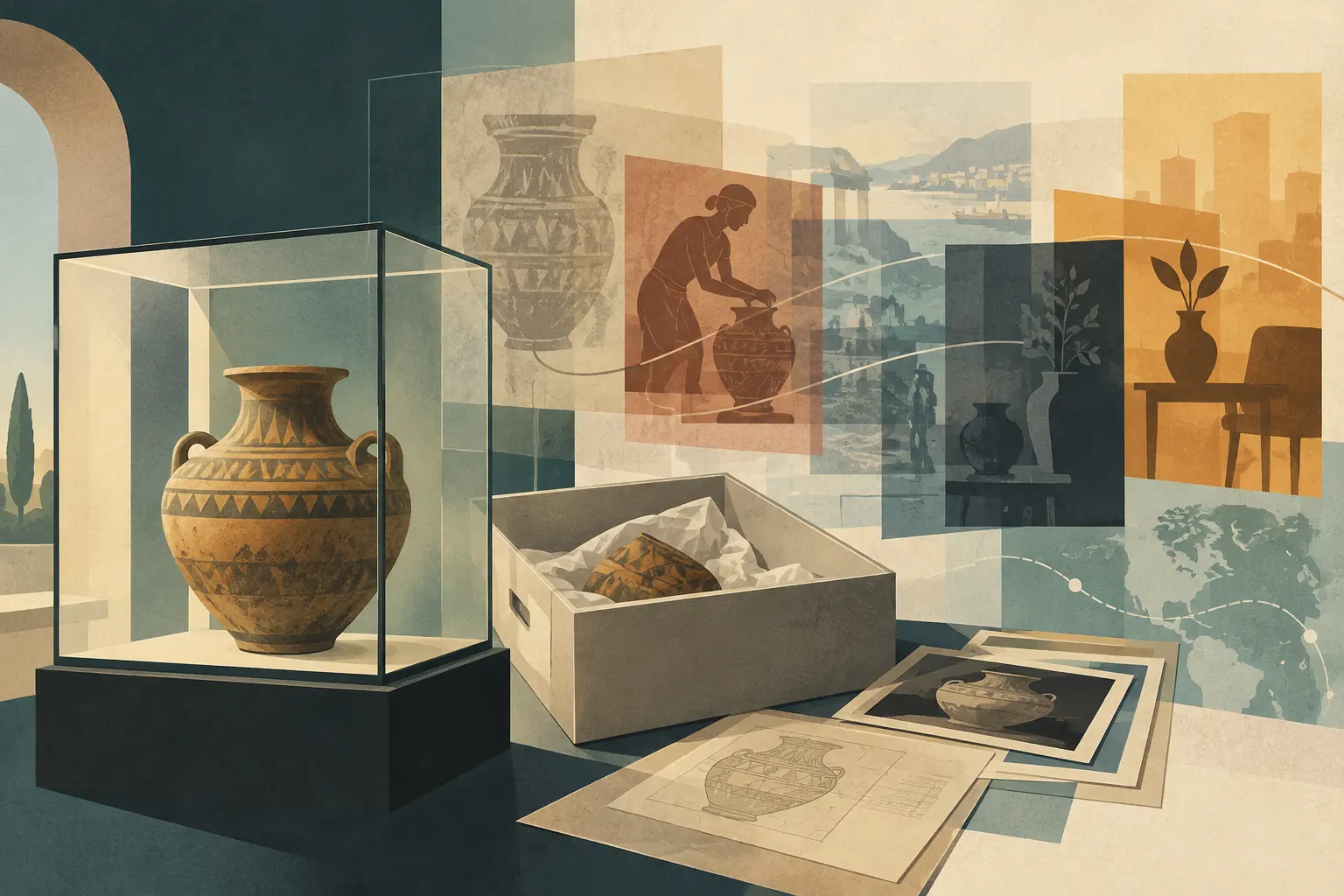
Museums often acquire objects when their context of use seems to belong to the past. In contemporary culture, that boundary is hard to draw: technologies, designs and social practices can keep changing even as they become part of collective memory. An object may remain in use; a custom may shift; a familiar form may return with a different meaning. Preserving the present therefore takes more than storing things. It also means recording how they were used, the contexts they belonged to and the decisions that shape how they are described.
Museum-iD’s FutureMuseum initiative brings together proposals from museum professionals and contributors in different places about the roles museums might play. These include community participation, connections between physical and digital spaces, collaboration and closer links between collections and current questions. They do not amount to a single formula. They do, however, raise a central issue: how to care for material evidence without treating its meaning as permanent or identical for everyone.
The object and its context
An object removed from its context can be reduced to its appearance. With popular culture, that leaves out the practices that gave it meaning: who made it, how it circulated, what materials it used and how people interacted with it. Documentation can preserve these details when they are supported by evidence, alongside interpretations that have emerged over time. It does not replace the object; it helps explain why its design and uses mattered.
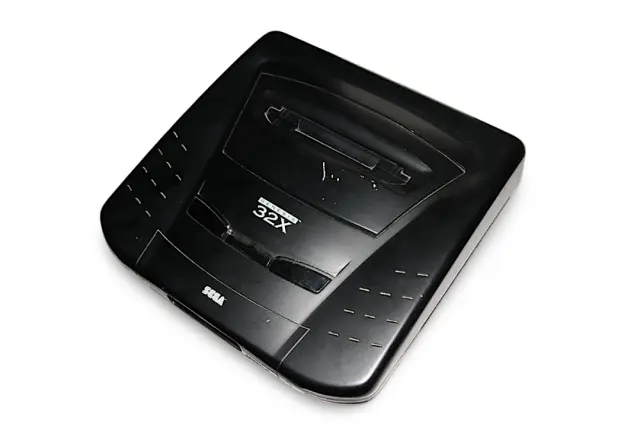
It is also important to distinguish a historical object from a later version that draws on it. A reinterpretation may revive a silhouette, an interaction principle or a visual motif while changing materials, functions or conditions of manufacture. If the two versions are presented as equivalent, the changes become harder to see. Comparison instead helps identify what remains, what has been altered and what new associations emerge.
This distinction matters for contemporary collections because an object’s history does not necessarily end when its original use does. Later circulation, new readings and adaptations by subsequent generations may themselves become part of its cultural trajectory. Recording those changes does not require assuming a seamless continuity; it requires explaining how they relate to the earlier reference.
Conservation happens in storage, too
Conservation work is not confined to exhibition galleries. A study of Montevideo’s Juan Manuel Blanes Museum describes a collection of three-dimensional modern and contemporary works that had been kept in shared areas, including corridors. The historic building lacked storage spaces suited to current needs, while the growth of the volumetric collection made an assessment of its shortcomings and a reorganization necessary.
The project described by Leire Escudero and Cristina Bausero included a conservation assessment and the creation of a technical storage area within the existing building. Its organization was based on the RE-ORG method developed by ICCROM. The case shows how public access also depends on less visible work: knowing what a collection contains, assessing its needs and providing suitable conditions for its storage and care.
Sustainability adds another dimension to these decisions. A doctoral thesis by Mauro Gabriel García Santa Cruz, focused on the Beato Angélico Museum of Contemporary Art at the Catholic University of La Plata, proposes developing variables and indicators to assess conservation and sustainability together in university museums. The thesis notes that sustainability spans economic, social, environmental and cultural dimensions, and that there is no international consensus on a single assessment framework. Its proposal is not an established universal system, but a basis for developing evaluation tools.
For contemporary collections, this approach invites consideration of both the care objects require and the resources needed to provide it, as well as how their histories can remain accessible. Digitization can support research and dissemination, but it does not replace material objects or solve conservation needs on its own. Similarly, involving community voices does not mean abandoning specialist analysis; it means making decisions about selection, description and care understandable.
Institutions in motion
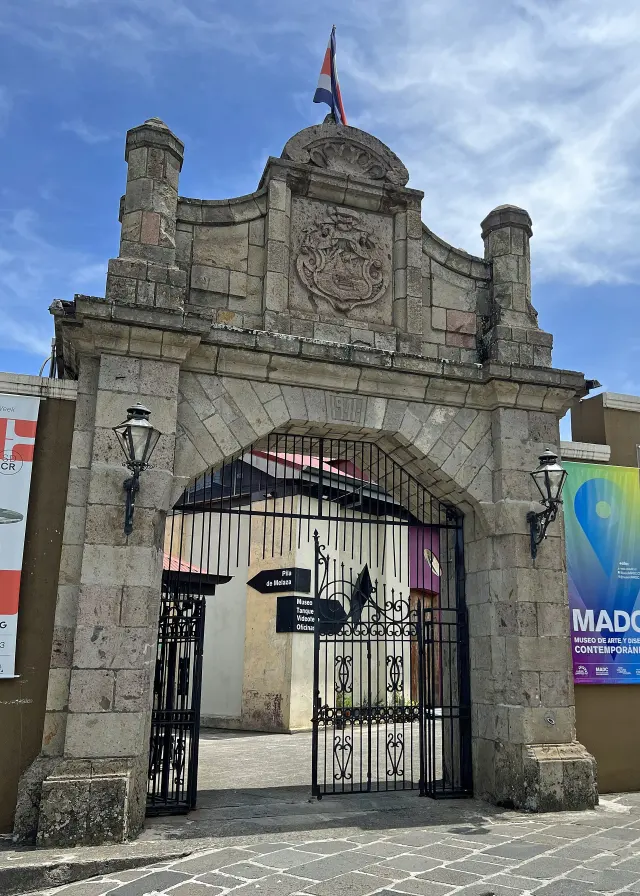
The history of Costa Rica’s Museum of Contemporary Art and Design offers another way to think about change, this time at an institutional level. Daniel Soto Morúa examines the MADC, founded in 1994, in relation to Costa Rican cultural policy, the Central American context and the tensions between art and design as disciplines. His study describes a hybrid, experimental institution whose curatorial practices and forms of circulation have been reshaped over time, while also noting its structural vulnerabilities.
This example places contemporary interpretation within specific historical and political circumstances. A museum is not a neutral container that simply acquires new objects: its collecting and exhibition decisions reflect institutional frameworks, disciplinary debates and local conditions. Making those frameworks visible helps explain why an object is preserved and how its meaning changes when it moves from everyday use into a collection.
An archive of transformation
Archiving the present means accepting that some objects and practices are still in progress. The task is to care for materials, document contexts and distinguish historical sources from the versions produced later. A collection need not impose a single nostalgia or freeze a culture in place. It can preserve evidence for studying how everyday life and its forms change, and why certain forms return with different meanings.
- Decade
- Contemporary
- Region
- Global
- Level
- Enthusiast
- Entities
- Museum, Museo de Arte y Diseño Contemporáneo
Sources and references
- Conservación del patrimonio y sostenibilidad en museosdoi.org · 2026-11-04
- Museo de Arte y Diseño Contemporáneo: orígenes, desarrollo institucional y contexto de un museo en movimientodoi.org · 2026-11-04
- De casa quinta a Museo. Plan de conservación preventiva para una colección de arte moderno y contemporáneo en el Museo Blanesdoi.org · 2026-11-04
- Centro Cultural de San Marcoswww.facebook.com · 2026-11-04
- El proyecto FutureMuseum: ¡Aporta tu voz al futuro de los ...translate.google.com · 2026-11-04