A game is more than its program
Preserving a video game is not simply a matter of keeping a copy of its software. To understand which work reached players, its edition, platform, manuals and other usage documents also matter, as do the magazines and audiovisual materials that presented it at the time. Taken together, these traces make it possible to study a game both as software and as a cultural object shaped by particular conditions of publication and circulation.
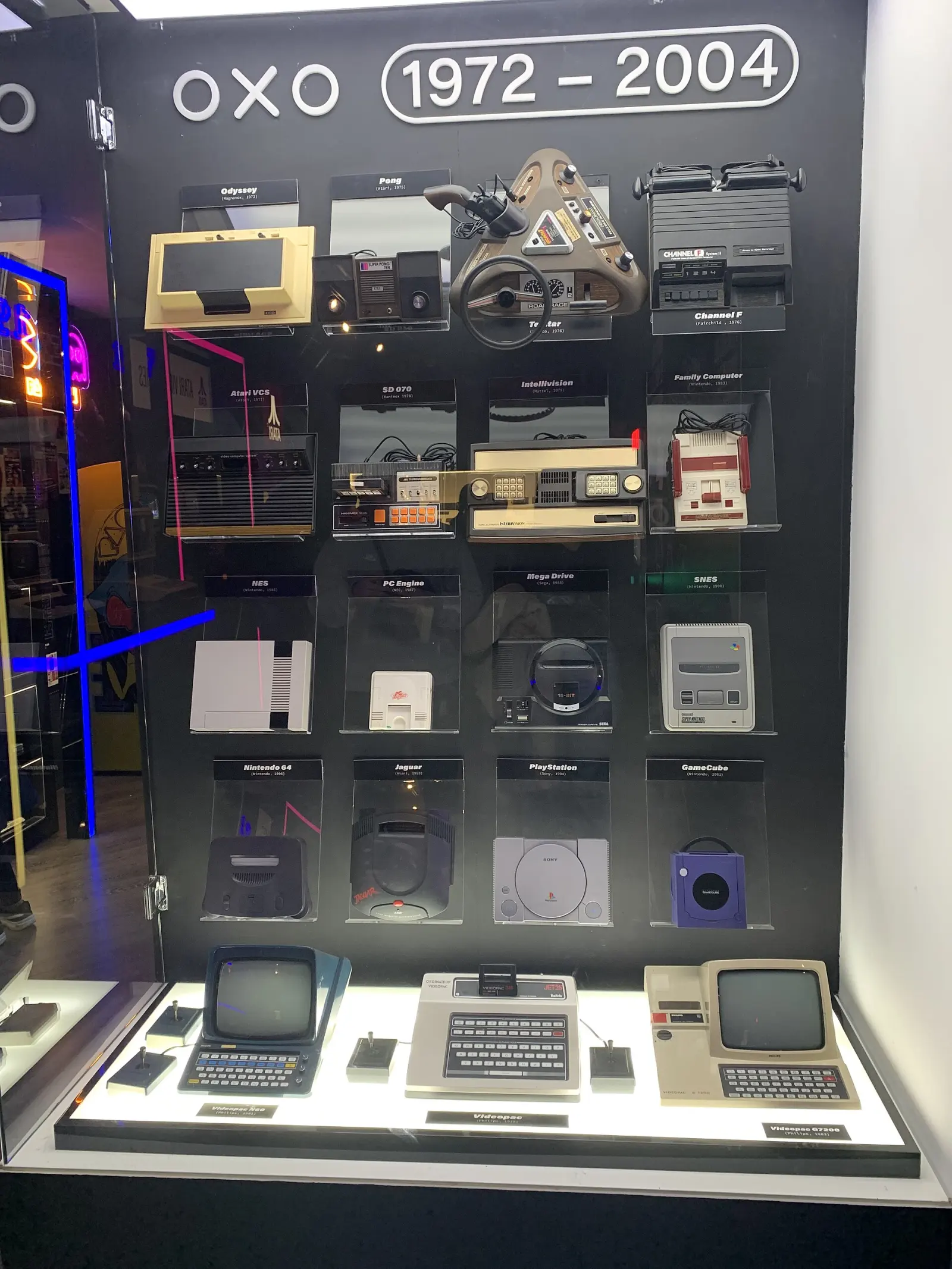
Museo del Videojuego describes its work through complementary activities: recovering, documenting, cataloguing and preserving video games and materials related to computing. Its archive brings together games, hardware, publications, documents and audiovisual materials. A catalogue record can link an edition to its platform, date, region, developer, publisher and genre, as well as to other records. This structure does more than describe an item: it keeps visible the connections between the program, the systems on which it ran and the documents that accompanied its circulation.
Manuals, magazines and versions
Manuals and catalogues document how rules were explained and products described. Magazines offer evidence of a game’s contemporary presentation and reception. None of these materials replaces the experience of playing, or proves that everyone experienced a game in the same way. They do, however, make it possible to examine the critical and promotional language of the time, along with the expectations surrounding an edition.
Comparing versions requires preserving documented differences of platform, region and edition. A record connecting software, hardware and associated materials can prompt specific questions: which version survives, how it was identified, what documentation accompanies it, and which sources describe its publication? Without those links, it is easy to attribute features or memories from one version to another, or to turn a shared experience into a universal account.
Preservation is not the same as publication
Digital preservation may require analysing the formats, structures, media and internal operation of historical software. Museo del Videojuego presents this work as part of the documentation needed to preserve knowledge about software. It also distinguishes preservation from publication: some materials may be retained for documentary, historical or research purposes without being included in a publicly accessible archive. Keeping, studying and sharing materials are related activities, but they are not equivalent.
This distinction also clarifies why access depends on more than a program continuing to exist. Research may rely on information identifying a version, its links to a system and the technical documentation that explains how it is preserved. An archive gains value when these pieces can be brought together to support further questions about video game history.
The playing experience and its context
In a museum, interaction can encourage participation and learning, but playing alone does not explain an object or how it was understood in its period. EVE Museos, in a discussion of games and visitor experience, argues that playful activities should have a purpose and be designed for their audience. It also notes that exhibition games tend to last only a few minutes, unlike online games designed for longer sessions.
That comparison highlights how a brief exhibition experience does not necessarily reproduce the original conditions of play. In an exhibition of historical video games, playing can accompany interpretation, but rules, interface, medium and context should remain legible alongside the interaction. Playing offers one way into a work; documents and objects help situate that encounter and show what it reveals—and what it leaves out.
From memory to documentation
Memories of playing are valuable testimony, but they are not automatically equivalent to a technical or historical description. An archive can relate them to other evidence: packaging and manuals provide information about an edition; the medium and system about its material conditions; magazines and recordings about how the work was communicated and discussed. No single item tells the whole story, but their relationships help distinguish what is documented from what is remembered and make it possible to examine how a shared experience took shape.
Preserving video games therefore means preserving opportunities for research as well as programs. Maintaining the connections among software, machines, publications and records lets us return to works without reducing them to uniform nostalgia or separating their rules from the contexts in which they circulated. An archive does not freeze a single way of playing; it offers materials for understanding how a work could be presented, distributed and remembered in different ways.
- Decade
- Contemporary
- Region
- Global
- Level
- Enthusiast
- Entities
- Museum, Museo del Videojuego
Sources and references
- Desarrollo y conservación del patrimonio cultural-natural en el contexto neoliberal y nuevas tecnologíasdoi.org · 2026-10-27
- Museos, Juegos y Experiencia del Visitanteevemuseografia.com · 2026-10-27
- Qué hacemos | Museo del Videojuegowww.museodelvideojuego.com · 2026-10-27
- Alcázar de Segoviaes.wikipedia.org · 2026-10-27
- Economía de la culturaes.wikipedia.org · 2026-10-27