The concept of contemporary retro has evolved from simple aesthetic imitation to a complex practice that dialogues with material memory. It is not about copying an old object, but about reinterpreting it, modifying materials, uses, or contexts while preserving certain references. This shift poses a specific challenge for archives and museums, which must define which elements of these works deserve to be preserved and how to document their hybrid nature. Institutional evidence suggests that the answer does not lie solely in physical conservation, but in building a mediation framework that allows understanding the relationship between the original and its re-reading.
The institutional definition of custody
Cultural institutions have expanded their concept of conservation beyond the physical maintenance of objects. The Reina Sofía Museum, for example, declares among its objectives the conservation and transmission of artworks. This dual condition of museum and art center implies that custody is not a static act, but a dynamic process that seeks to guarantee access and understanding of the piece over time. In this sense, preservation includes the management of meaning, not just material integrity.
Context as part of the work
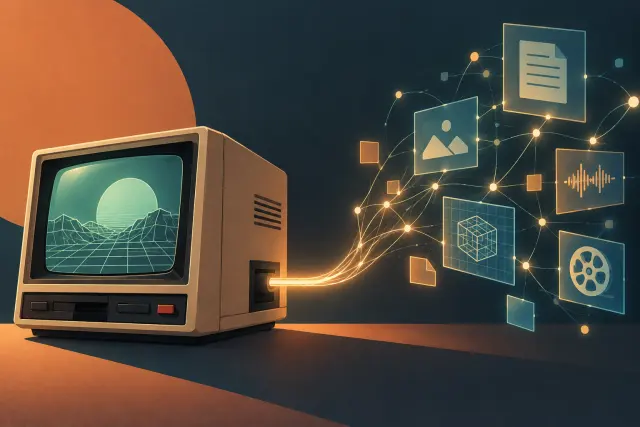
In the field of electronic and media art, the central question is not only how to maintain the technical support, but how to preserve the context that gives it meaning. Experts point out that written, oral, and audiovisual documentation, along with bibliographic archives, are essential to keep the work accessible. Without this context, the piece risks becoming an incomprehensible artifact. Documentation acts as a bridge between the original experience and future reception, ensuring that intentions and creation conditions are not lost.
Digital conservation as a tool
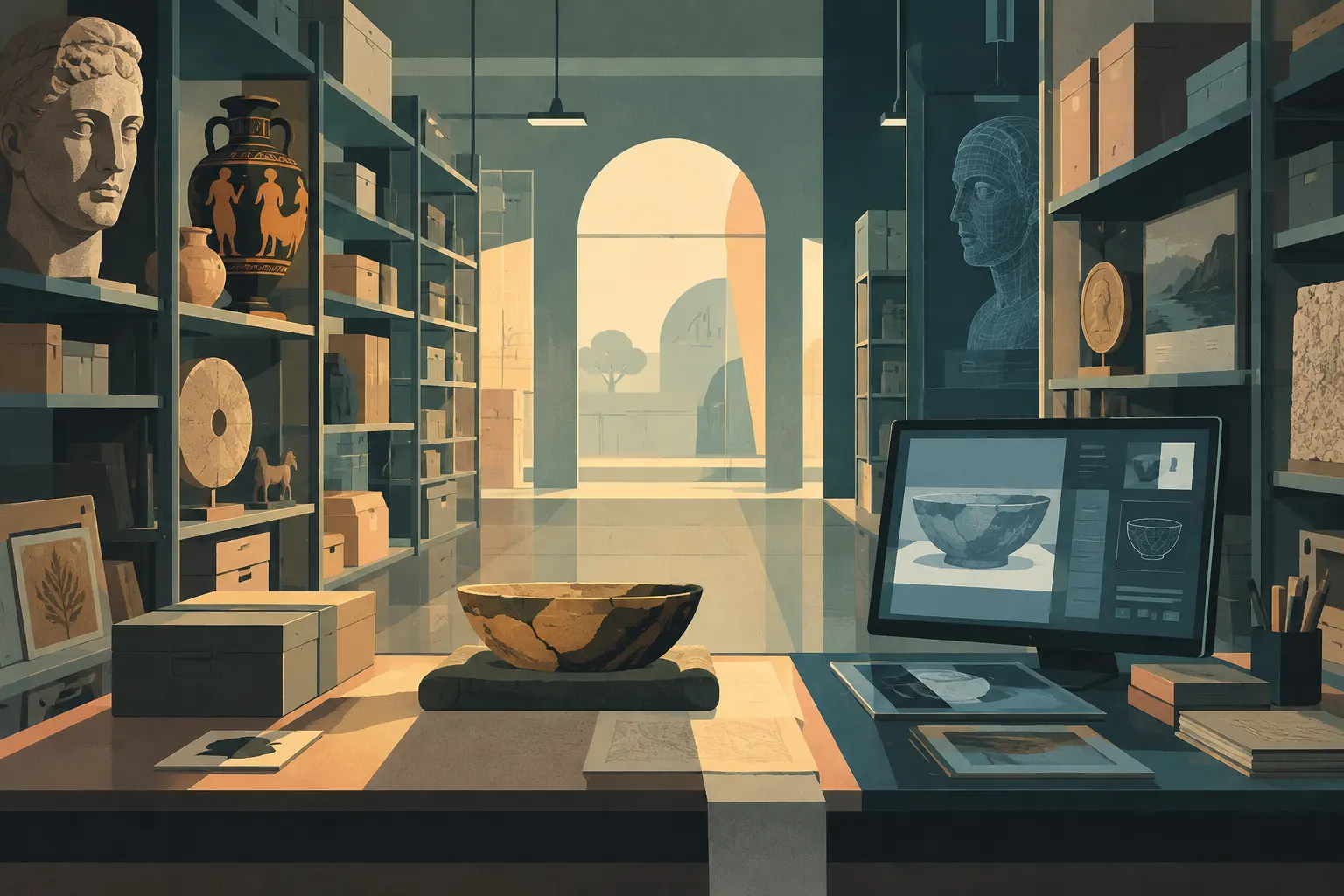
Technology offers new ways to address these challenges. Digital conservation, illustrated by projects such as the large-scale 3D model of the Ipiranga Museum in Brazil, is presented as a way to impact the culture of future generations. However, this tool does not replace the institutional decision about what deserves to be kept. Digitization is a means, not an end; its value lies in how it is integrated into a broader preservation strategy that includes curatorial judgment and content selection.
Museums as institutions in motion
Contemporary art and design museums are not inert containers, but institutions in motion, linked to their development and social context. This dynamic nature implies that their conservation practices must constantly adapt. Retro reinterpretation is an example of how the museum interacts with the present, reflecting the tensions and concerns of its time. The institution must be able to accommodate these works without losing sight of its mission to preserve cultural memory.
The archive as a mediation space
The contemporary retro archive functions as a mediation space where the difference between the original and the reinterpretation is negotiated. It is not about erasing that difference, but about allowing its comparison. By presenting together the design, materials, and cultural context of both versions, the archive facilitates a deeper understanding of aesthetic and technical evolution. This approach allows the public to appreciate not only the object itself, but the decisions that have shaped it.
Limits of verification
It is important to note that this proposal is limited to documented evidence and does not assert unverified concrete practices. The complexity of contemporary conservation requires a cautious approach, based on data and critical reflection. One cannot generalize a single methodology for all cases, as each work and each institution has its own particularities. Transparency about what can and cannot be verified is fundamental to maintaining the integrity of the museological discourse.
Conclusion
Managing retro reinterpretations in museums requires a balance between physical preservation and contextual documentation. Institutions must act as mediators, offering interpretation frameworks that allow the public to understand the relationship between past and present. Digital conservation and exhaustive documentation are valuable tools, but their effectiveness depends on a clear curatorial strategy. Ultimately, the goal is to ensure that these works remain relevant and accessible, contributing to the culture of future generations.
- Decade
- Contemporary
- Region
- Global
- Level
- Introduction
- Entities
- Museum, Museo Reina Sofía, Museo Ipiranga
Sources and references
- DEPARTAMENTO DE CONSERVACIÓN-RESTAURACIÓN ...www.academia.edu · 2026-10-22
- Museo de Arte y Diseño Contemporáneo: orígenes, desarrollo institucional y contexto de un museo en movimientodoi.org · 2026-10-22
- Restauración de la República y de su museo: mesa redondaunesdoc.unesco.org · 2026-10-22
- Conservación digital del Museo Ipiranga en Brasilwww.autodesk.com · 2026-10-22
- Prácticas divergentes de preservación del arte de los medioswww.jstor.org · 2026-10-22
- conservación del arte electrónico: ¿qué preservar y cómo ...www.annetteweintraub.com · 2026-10-22