From object to collection
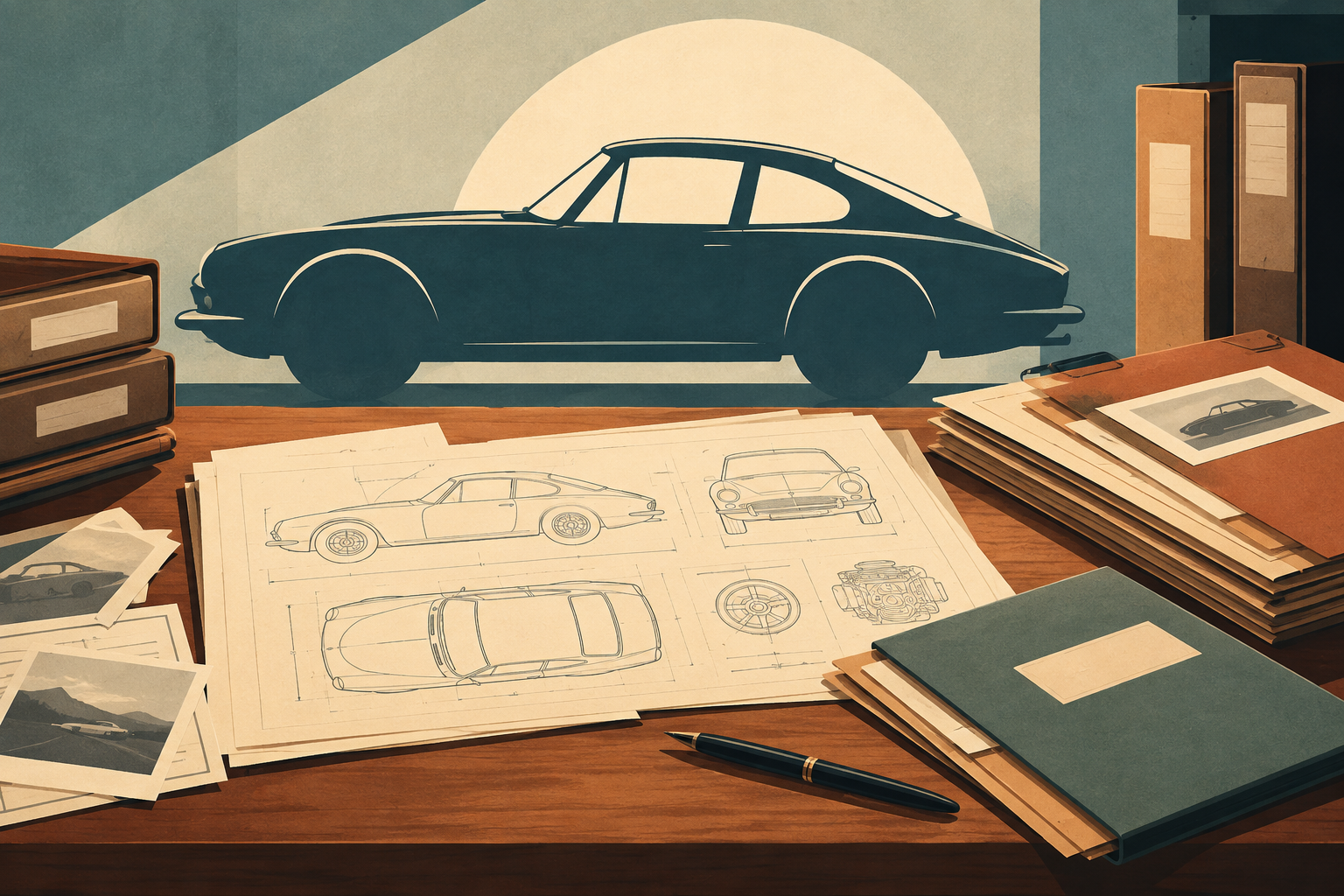
An exhibited car is immediately recognizable as a vehicle. Its preservation, however, may extend beyond the visible bodywork. A RetroPause article about motor museums lists vehicles, engines, chassis, manuals and social contexts as elements of that practice. This broader list changes the question: not only which car survives, but also which materials help us understand it.
A large collection does not, by itself, tell its own story. Salamanca’s tourism office describes the Gómez Planche Collection as comprising more than one hundred vehicles, thousands of parts, accessories and objects. This is a statement about the collection’s reported scale; the available material does not explain how each item was acquired, what documentation accompanies it or what conservation treatments it receives.
The archive as part of the story
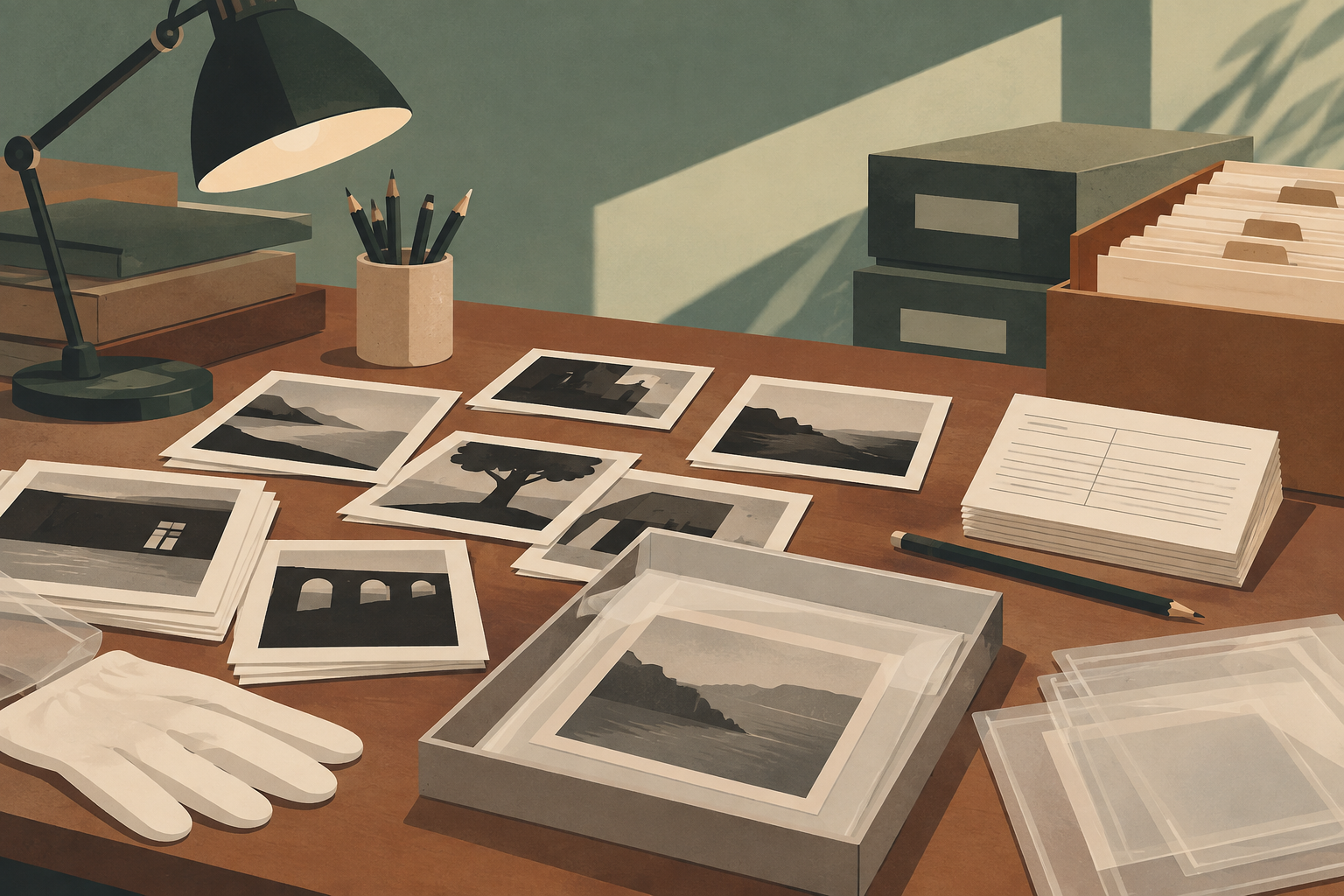
The Spanish Census-Guide to Archives identifies the Archive of the Museum of Automotive History of Salamanca and says that the institution holds archival collections. This establishes that the museum has an archive, but the available excerpt does not provide an inventory or details of its contents. Keeping that distinction clear avoids turning the existence of an archive into unsupported claims about what it contains.
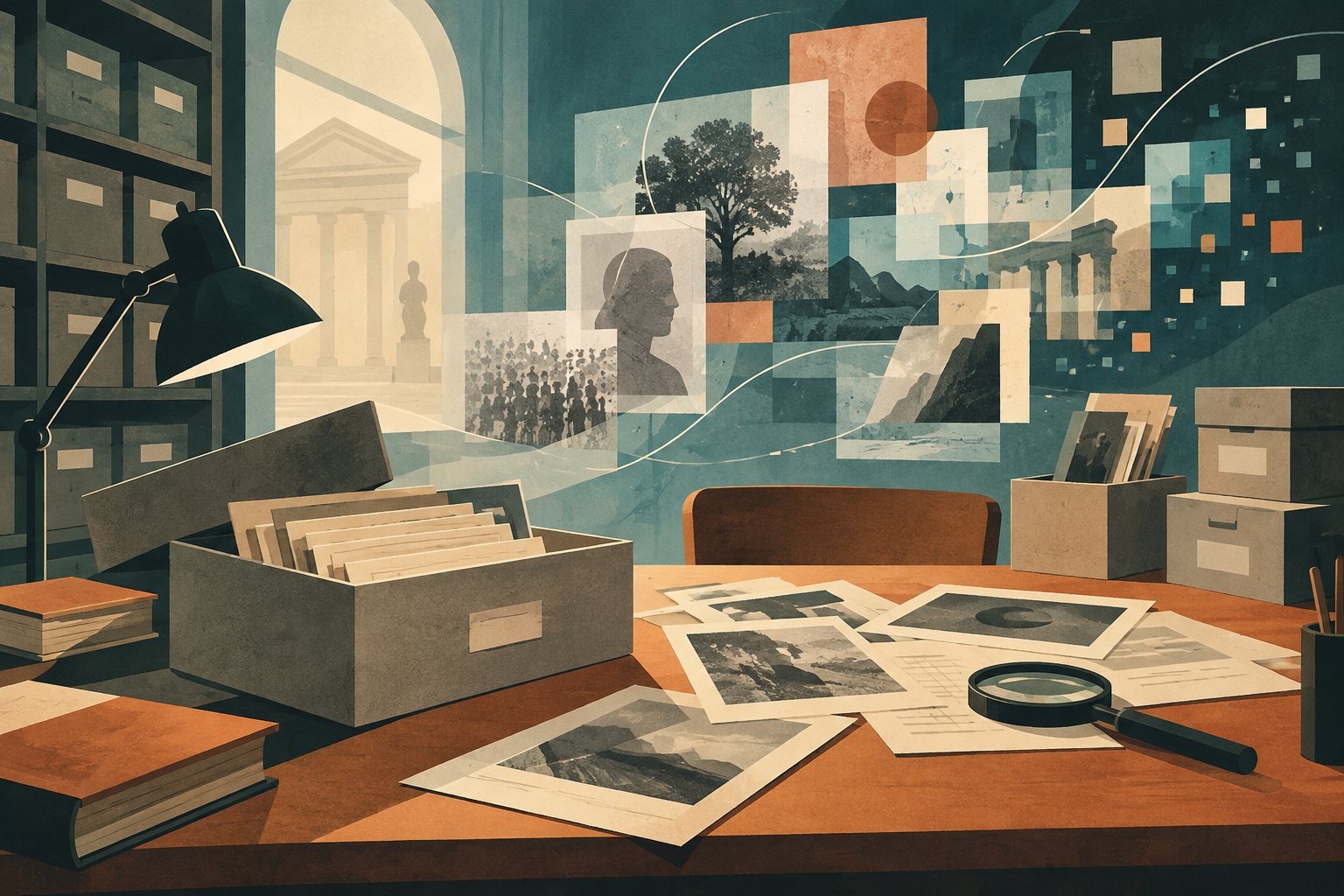
A 2025 article in Tábula offers another framework for thinking about archives in science and technology museums. Its available abstract proposes that records management helps museums organize cultural activities and exhibitions, and that these can transform vehicles into heritage. This is a useful way to consider the relationship between objects, documents and public interpretation, although the abstract does not describe specific methods or case studies.
What a document can contribute
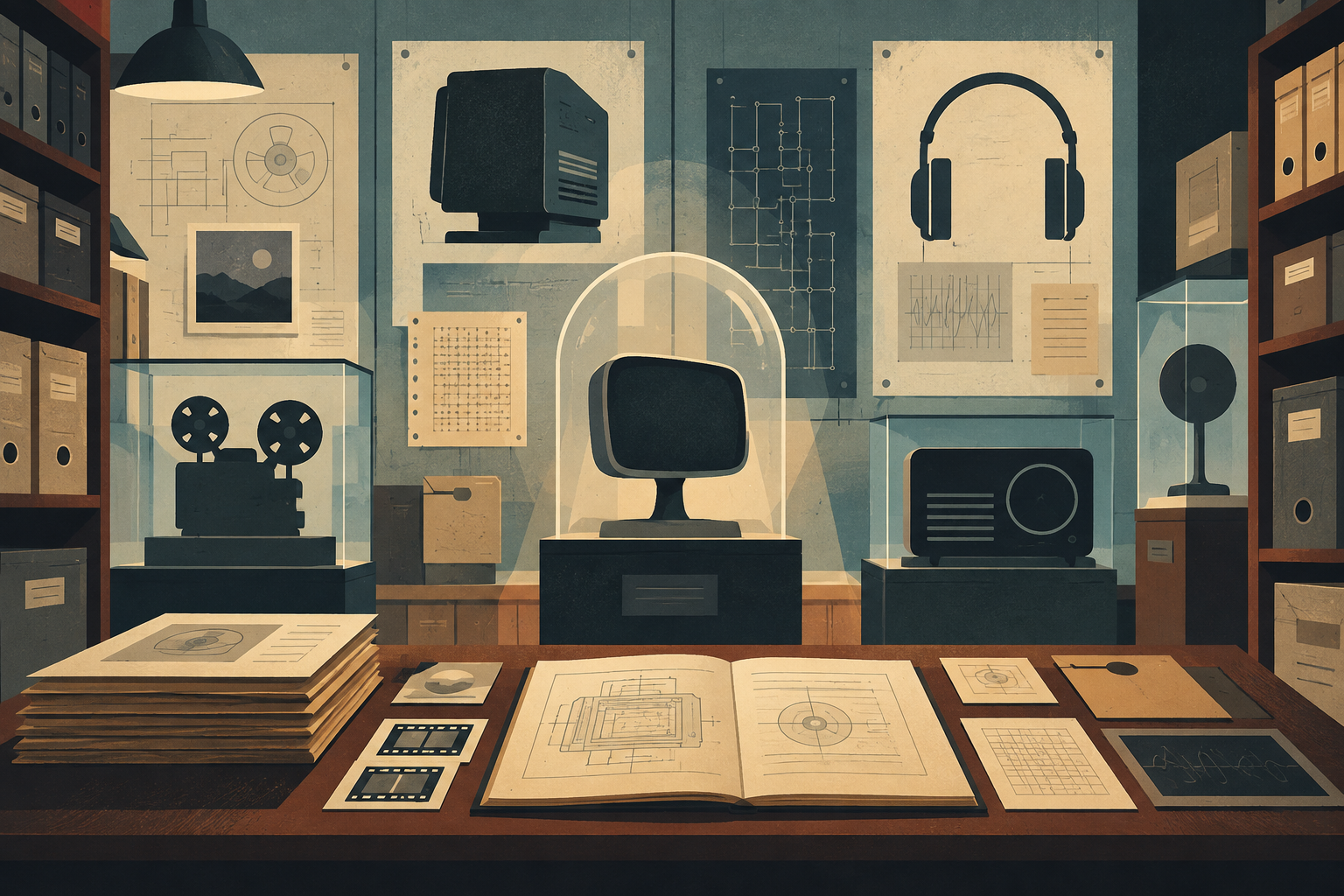
Manuals, archival records and other materials can help raise questions about an object’s identification, use or provenance. But the evidence available for this article does not establish that Salamanca’s holdings contain specific examples of every such document type, nor does it reconstruct the history of a particular vehicle. That would require collection catalogues, accessible records and references tied to identifiable objects.
Caution matters especially when moving from material preservation to interpretation. An object and a document may complement one another, but they are not interchangeable: each provides different information and needs its own attribution. The Tábula article supports the importance of records management in science and technology museums; it does not, by itself, demonstrate how this is applied to every automotive object.
Salamanca and other views of motoring
Documentation also helps distinguish institutions that should not be conflated. The MHAS Archive belongs to the Museum of Automotive History of Salamanca. The MAHI website, for the separate Museum of Automotive and History, describes a goal of presenting motoring and history—particularly that of the twentieth century—through historical, cultural and economic milestones. The supplied source does not establish a relationship between the two museums.
A video titled “A Walk Through the History of Motoring in Spain” and social-media posts point to other ways museums and vehicles are presented publicly. Given their formats and the limited information supplied, they are not sufficient to verify specific historical details. They do, however, show that automotive history reaches audiences through different kinds of archives, exhibitions and audiovisual content.
What we know and what remains open
The sources support statements about an archive associated with the Salamanca museum, a collection described as extensive, and the importance a scholarly article assigns to records management in science and technology museums. They do not reconstruct the history of a particular item, assess conservation conditions or establish which records are available for consultation.
That boundary does not weaken the subject; it gives research a direction. The next step would be to consult inventories, collection records and documents connected to specific vehicles, attributing each claim to its source. A motor museum can be told through its cars, but the history behind each account also depends on identifiable documents and a careful reading of what they actually say.
- Decade
- Contemporary
- Region
- Spain
- Level
- Introduction
- Entities
- Museum, Museo de Historia de la Automoción de Salamanca
Sources and references
- archivo de la fundación gómez planche (salamanca, españa)censoarchivos.cultura.gob.es · 2026-09-30
- El automóvil como archivo: qué conservan los museos del motorwww.retropause.com · 2026-09-30
- un paseo por la historia de la automoción en Españawww.youtube.com · 2026-09-30
- El archivo en los museos de ciencias y tecnologías | Tábulapublicaciones.acal.es · 2026-09-30
- Oficina de Turismo de Salamancawww.facebook.com · 2026-09-30
- MAHI Museo de Automoción e Historiamuseo-mahi.com · 2026-09-30