A device does not end at its casing
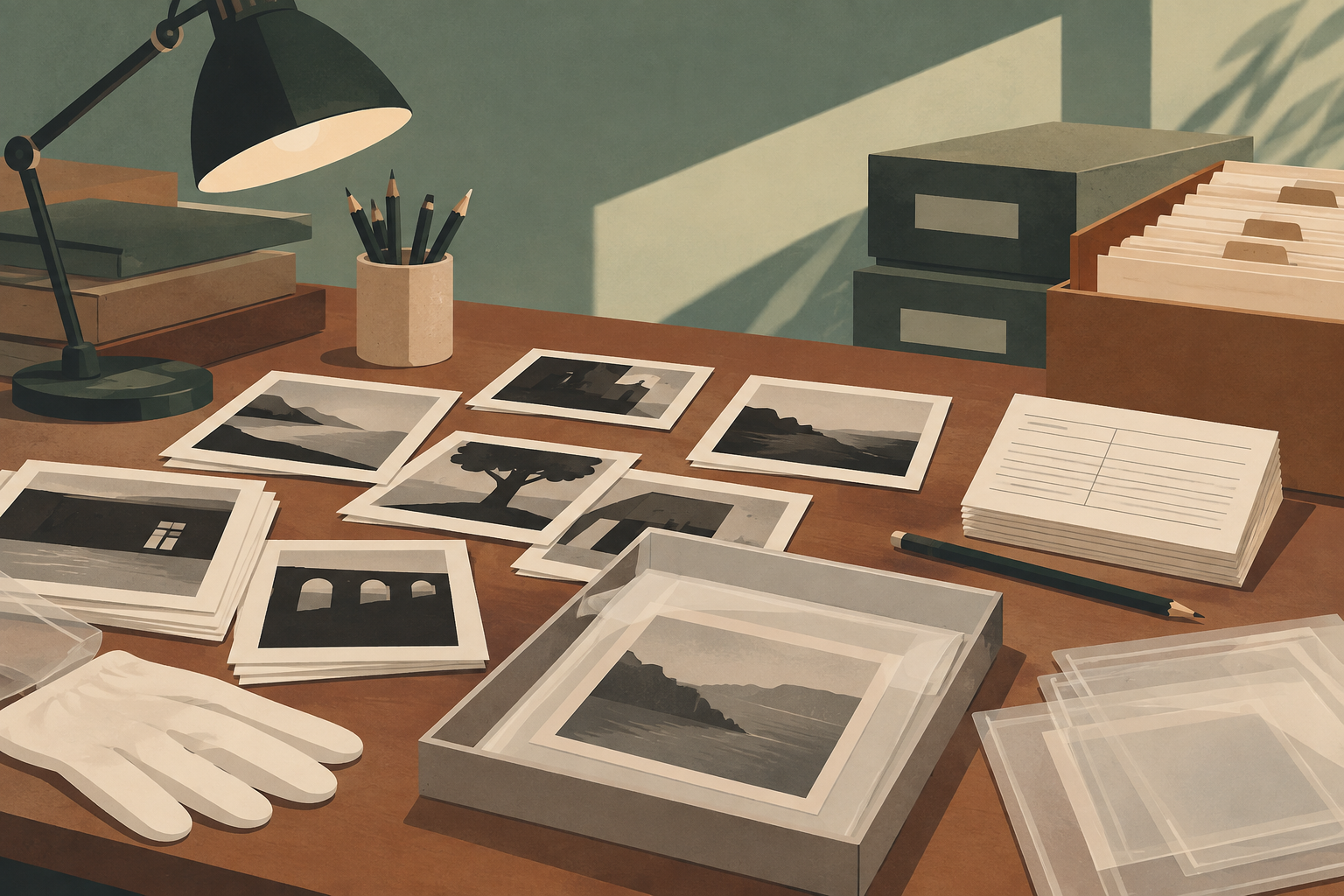
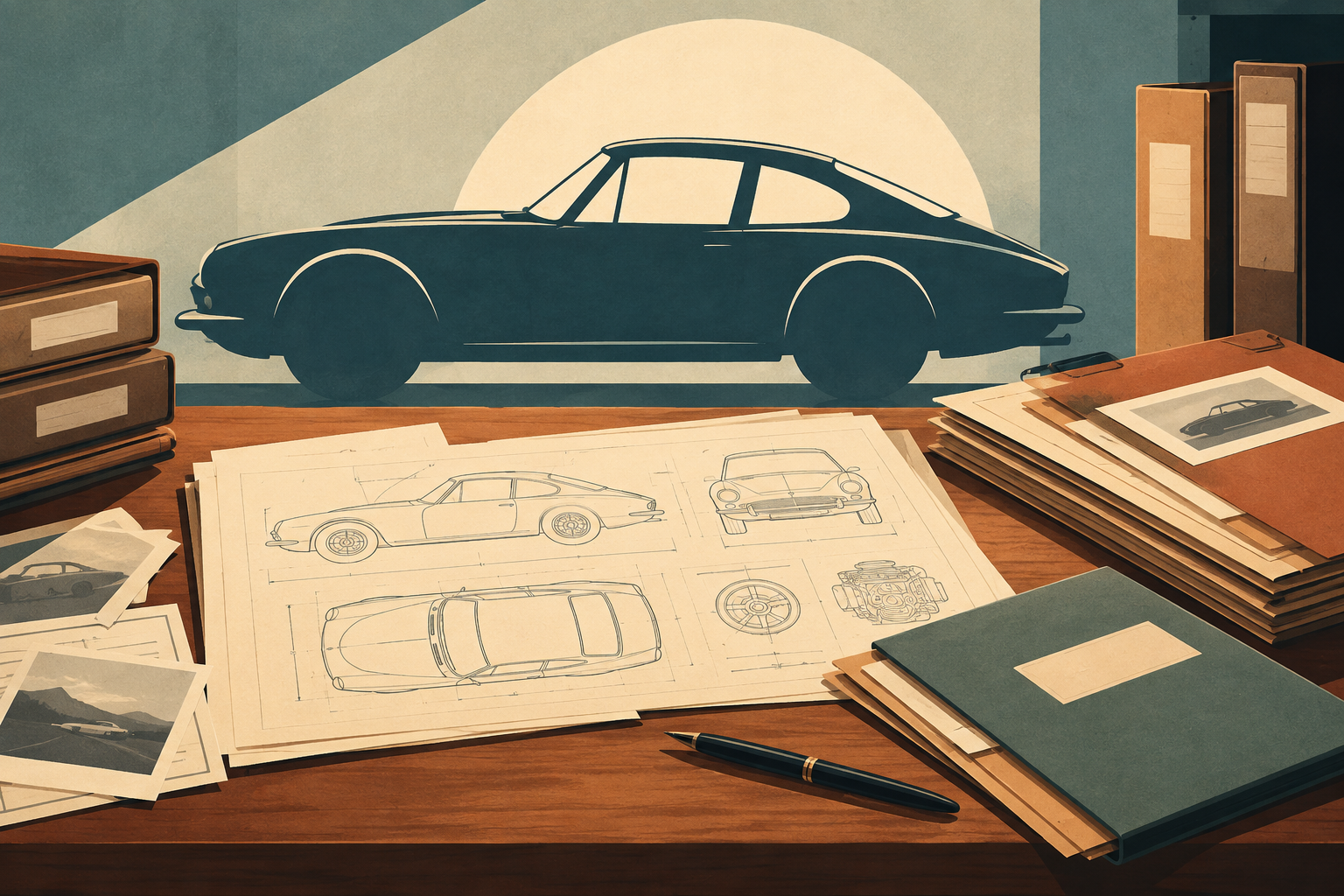
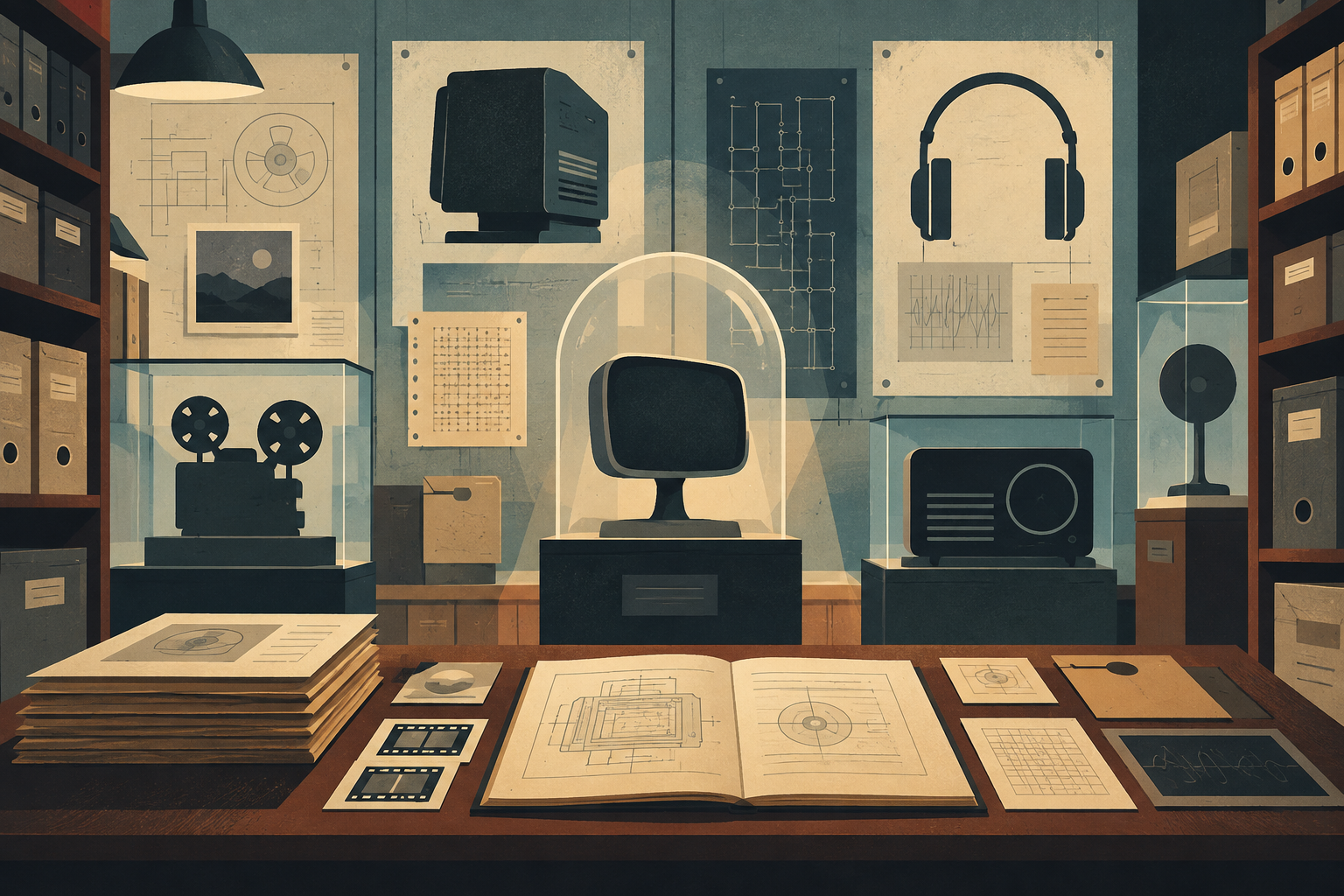
A technological object can be presented as a self-contained piece: a shape, some materials, an assigned function. Yet related documentation helps establish what is known about it and how it became part of a collection. That connection between objects and records is the starting point for an account of technological memory that goes beyond displaying devices.
The available sources support a specific but limited point: archives form part of museum work and help preserve and share information about collections. They are not sufficient, however, to reconstruct the history of a particular device or describe detailed technical procedures.
The archive inside the museum
The Tábula article on archives in science and technology museums emphasizes their role in preservation and dissemination. The archive page of Spain’s National Museum of Science and Technology (MUNCYT) describes a more specific institutional task: organizing, processing and storing historical and administrative documentation.
These descriptions show that “archive” does not mean only a repository of old papers. It involves organizing and processing records and is connected to an institution’s activities and the materials it holds. The supplied excerpts do not, however, specify which documents accompany any particular object, nor do they support generalizations about every museum.
Documentation is also part of preservation
Documentation can provide context for an object, but it is important to distinguish this general observation from what the sources state directly. Spain’s Ministry of Culture explains that state museum archives keep documentation relating to the objects in their care from the time they are deposited. The wording points to an institutional and temporal relationship: documents are connected to objects and their custody.
Documentary records should not be confused with the physical conservation of a device. The material consulted describes archival functions and, in a different area, research on 3D digitization as a tool that complements and supports traditional study activities. It does not provide a guide to preserving devices or demonstrate that a digital method replaces documentation or examination of objects.
More than one kind of archive
A paper on museum archives published by Edicions de l’IEC raises the question of new spaces of communication for documents. Its summary points to a relevant issue: archives are concerned not only with preservation, but also with access and communication. The supplied information does not allow us to specify those spaces or attribute more detailed conclusions to the article.
Research also addresses the conservation of new media. The OpenAlex record identifies a 2017 article titled “Immaterialities. Problems of Conservation of New Media Art.” Its title confirms a field of problems involving new-media works, but is not enough to summarize arguments or solutions. This distinction matters: a physical device, a digital artwork and their documentation may pose different questions, and the supplied sources do not justify treating them as interchangeable cases.
What story can a collection tell?
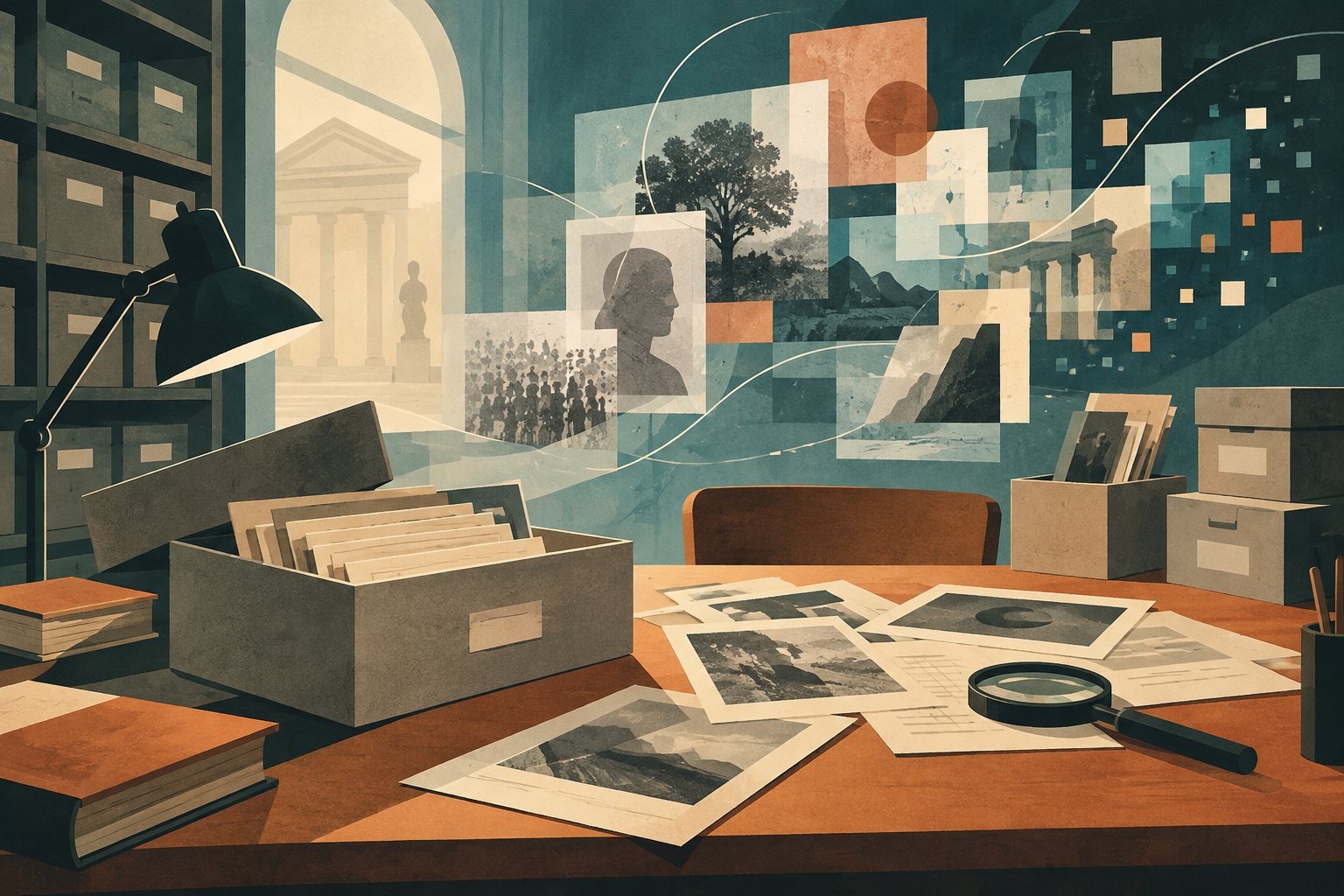
When a museum connects an object with its records, it can make clearer the difference between what can be observed and what is known from documentation. This is an editorial interpretation based on the archival functions described; it does not establish that every object has a complete file or that archives answer every question.
The existence of documentation about an object does not, by itself, guarantee knowledge of all its uses, users or associated experiences. Nor do the available excerpts specify whether the archives discussed are digitized, publicly accessible or include accounts of use. Further sources would be needed to support those claims.
Memory made from objects and records
Read together, these references support a measured conclusion: in a science and technology museum, remembering objects also depends on archival work, organization and description. MUNCYT presents these tasks as part of its institutional role; the Ministry of Culture notes that state museum archives preserve documentation relating to objects; and academic publications place archives and digital tools within broader discussions of preservation, study and communication.
This is not a complete history of Spanish technology or an inventory of how every device is documented. It is an invitation to look beyond the casing: a piece may be accompanied by records that show what is documented, what remains uncertain and what questions deserve further investigation.
- Decade
- Contemporary
- Region
- Spain
- Level
- Introduction
- Entities
- Museum
Sources and references
- Inmaterialidades. Problemas de conservación del arte de los nuevos mediosopenalex.org · 2026-09-30
- El archivo en los museos de ciencias y tecnologías | Tábulapublicaciones.acal.es · 2026-09-30
- Archivomuncyt.es · 2026-09-30
- ARCHIVOS DE LOS MUSEOS ESTATALESwww.cultura.gob.es · 2026-09-30
- Archivos de museos. Una oportunidad para liderar el ...edicionsedic.es · 2026-09-30
- La digitalización 3D del patrimonio cultural en museosrevistaseug.ugr.es · 2026-09-30