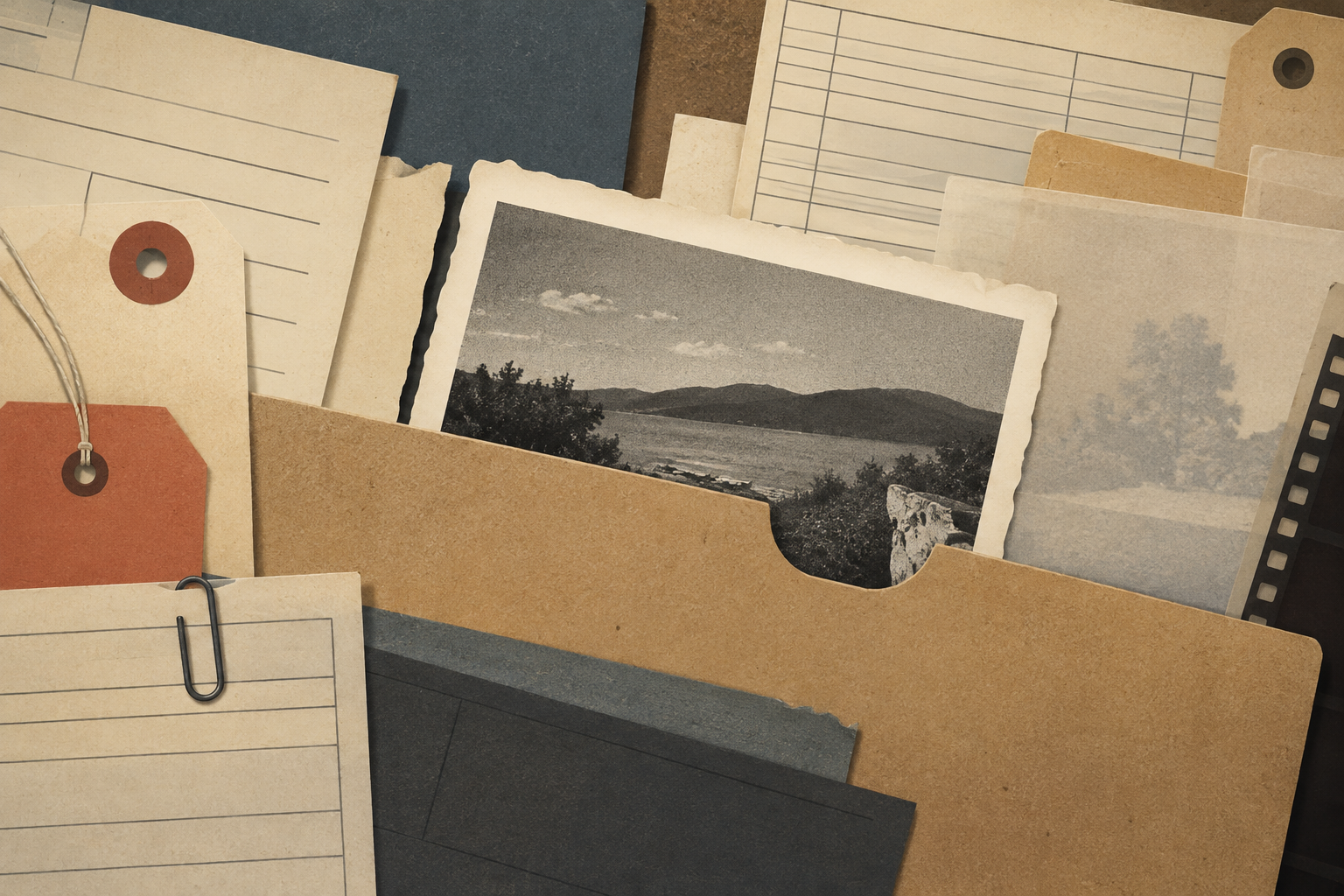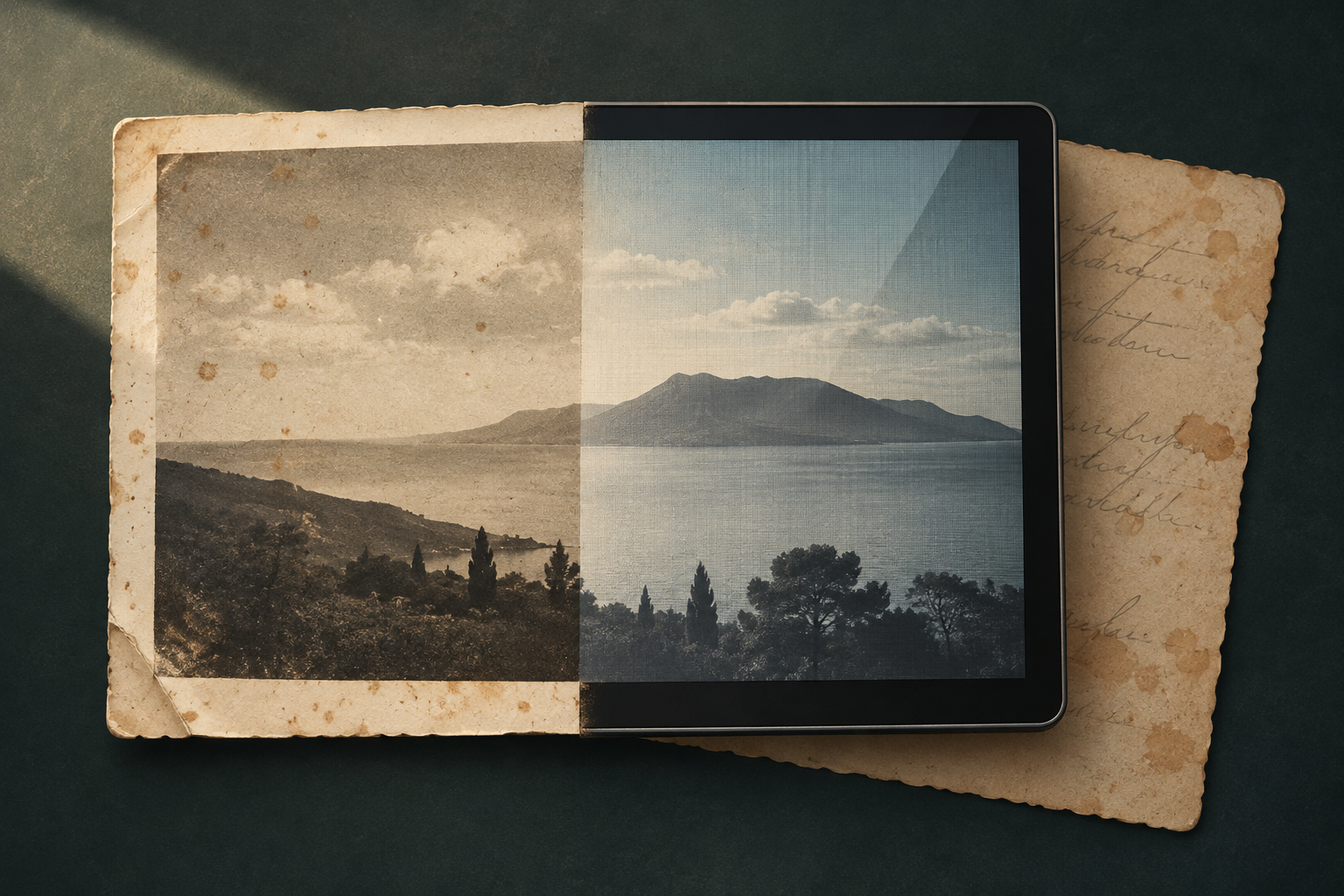
Photography is often perceived as a floating image on a screen, stripped of its physical weight. However, in the realm of cultural preservation, a photograph is a complex material object. Its existence is not limited to captured light but depends intrinsically on the support that contains it, whether paper, glass, or plastic, and the environmental conditions surrounding it. This distinction is fundamental to understanding why mere digitization does not guarantee the survival of visual memory.
The Fragility of Physical Support
Each photographic technique involves specific chemistry that determines its longevity. Paper, emulsion, and glass or plastic supports are subject to different deterioration processes. Available evidence indicates that institutions like the Museum of Museums offer courses to identify these techniques and understand their materialities. This underscores that conservation is not a passive act but an active intervention requiring technical knowledge about material degradation. Without this understanding, the physical object becomes vulnerable, regardless of the quality of its digital copy.
The Case of the Mexico City Museum
A concrete example of this tension between the digital and the physical is observed at the Mexico City Museum. Recently, this institution discovered several photographs by Armando Salas Portugal, a historically significant photographer, in its collection. This finding is not just an inventory anecdote but a demonstration of the latent wealth in undigitized funds. The Museum of the City's Photothèque, established in 2010, is dedicated to the conservation of photographic heritage from the 19th century to the present. Its work illustrates how the management of these objects requires constant attention to their physical state, something a static digital archive cannot replicate on its own.
Context as Part of the Document
The visual image is only one layer of information. Cultural context is equally crucial for the interpretation of a photograph. In the case of Salas Portugal's works, the value does not reside solely in the visual content but in the photographer's biography and the historical moment it documents. Museum documentation, including provenance, inventory, and registration, is the tool that allows the reconstruction of this context. Without these physical and administrative metadata, the image becomes decontextualized, losing much of its historical and social meaning.
Limitations of Mass Digitization
Although digitization is a powerful tool for access, it has inherent limits. Projects like those of the Museum of Museums, which receive donations of archives to digitize old photographs and rescue individual and collective memories, show the potential of this technology. However, digitization does not replace the documentation of the physical object. A scan can capture the image, but not the texture of the paper, handling marks, or handwritten notes on the back. These physical details are an integral part of the document, and their loss is irreversible if the original deteriorates.
Documentation as an Interpretive Bridge
Museum documentation acts as a bridge between the object and the viewer. Analyzing the provenance and biographical context of objects allows the application of registration criteria that go beyond the aesthetic. In Chile, for example, the Museum advises the Presidential Photography Department to achieve an archive that gathers perfectly documented photographs. This approach highlights that documentation is a continuous process seeking to ensure that the photographic record is not only visually faithful but also historically rigorous. The lack of this detailed documentation can lead to misinterpretations or the loss of the narrative's authenticity.
The Loss of Authenticity
The conservation of photography as an important document encloses a valuable legacy but also faces the risk of losing authenticity if the image is prioritized over the object. Studies on conservation best practices point to the historical, cultural, and social transcendence of photography. If the digital archive becomes the only reference, there is a risk that the image is stripped of its materiality. The authenticity of a photograph is not just a matter of content truthfulness but of the integrity of the object that carries it. Digitization must complement, not substitute, physical preservation.
Conclusion: The Value of the Tangible
The value of a photograph in an archive depends on how its materiality and history are documented. Digitization is a means for access, but physical preservation is the foundation of conservation. Institutions like the Mexico City Museum and the Museum of Museums face the challenge of balancing these two dimensions. The lesson is clear: for photography to fulfill its function as a bridge between past and present, it is necessary to care for both the image and the object that contains it. Visual memory is not just what is seen, but what is preserved in its physical and contextual totality.
- Decade
- 2000s
- Region
- Global
- Level
- Enthusiast
- Entities
- Museum, Museo de los Museos
Sources and references
- análisis de buenas prácticas de la conservación delrepository.udistrital.edu.co · 2026-10-18
- Museo de la Ciudad de México descubre en su acervo ...www.facebook.com · 2026-10-18
- La conservación del patrimonio también puede comenzar ...www.facebook.com · 2026-10-18
- Curso Conservación de Técnicas Fotográficaswww.tiktok.com · 2026-10-18
- 📸✨ Un nuevo fondo digital llega al Museo de los ...www.facebook.com · 2026-10-18
- ¿Cómo se construye el relato de un museo? ¿Qué ...www.instagram.com · 2026-10-18
- 00-CONSERVACION FOTOGRAFIAwww.memoriachilena.gob.cl · 2026-10-18
- Fototeca del Museo de la Ciudad: Patrimonio Visual | PDFes.scribd.com · 2026-10-18