The preservation of home technology has undergone a paradigm shift that goes beyond the simple custody of physical objects. Traditionally, the focus was on keeping hardware intact, but current evidence suggests an evolution towards a more complex understanding of digital heritage. This article analyzes how museums and archives are adapting their practices to ensure that information stored in 1980s and 1990s equipment remains accessible, readable, and functional, regardless of the rapid technological changes threatening its obsolescence.
From physical integrity to digital functionality
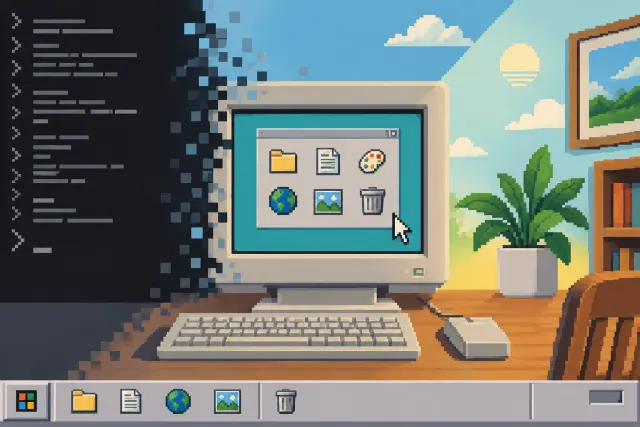
The modern definition of digital preservation establishes that it is a set of methods, standards, and techniques aimed at ensuring that stored digital information can continue to be used in the future. This implies that conserving a computer from the 1980s or 1990s is not just about protecting its chassis from corrosion or dust. The primary goal is to ensure that the associated software and data remain accessible. The integrity of the physical object is a component, but not the ultimate end of conservation in this context.
The challenge of technological obsolescence
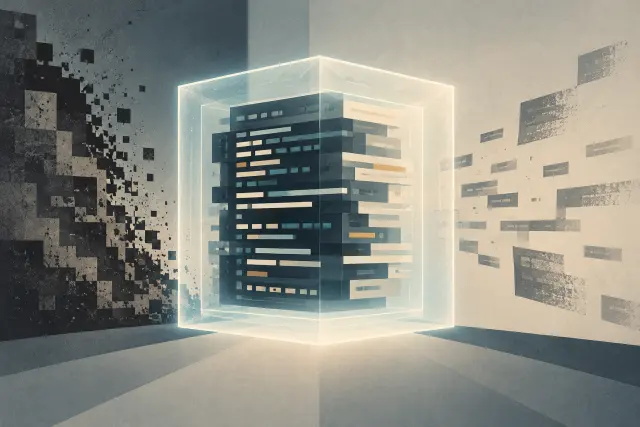
The explosion of information technologies has generated a large amount of born-digital documents and digitizations that require preservation. These materials must maintain their integrity, authenticity, reliability, readability, and functionalities. The challenge lies in the fact that the formats, programs, machines, and systems used for their creation change rapidly. Therefore, preservation is not a static state, but a continuous process of technical adaptation to prevent information from becoming unreadable or unusable.
Cultural and geographical context as part of heritage
Museums and archives face the task of documenting not only the technical object but also the cultural and geographical context in which it was used. Evidence indicates that attribution and legal sources, as well as the structure of the context, are key elements in archive management. This transforms the perspective of the computer: it ceases to be an isolated device and becomes an artifact that reflects the social and cultural practices of its time. Documenting this environment is as crucial as the machine's technical specification.
Value-based collection management
The management of collection preservation requires fundamental information that is value-based and serves specific objectives. It is not about conserving everything equally, but prioritizing according to heritage value and institutional goals. This information guides decisions on which preservation methods to apply and how to document the arrival, review, and condition of works. The valuation of the object directly influences the resources dedicated to its conservation and future accessibility.
Documentation of domestic use
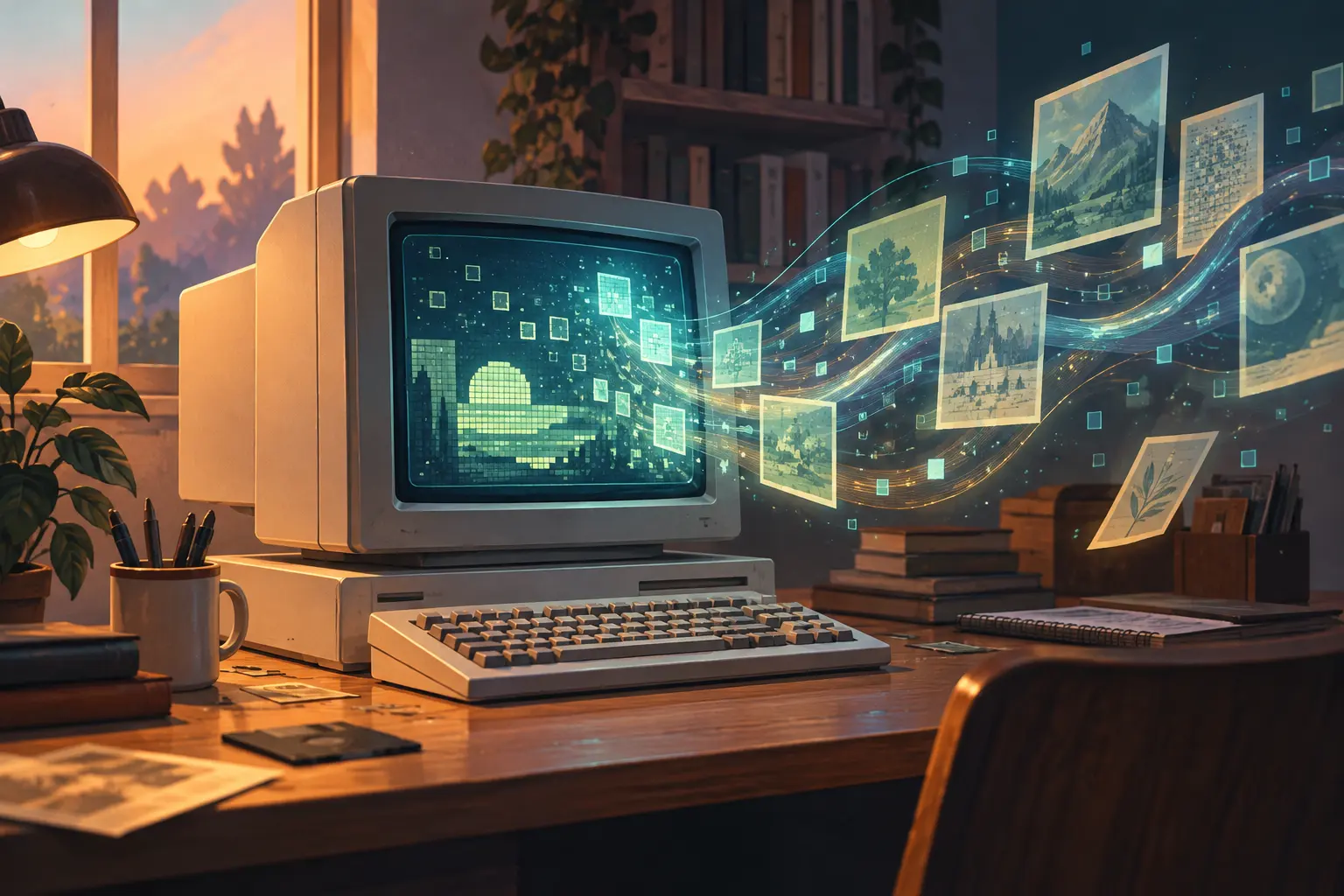
In the case of home computers, the documentation of everyday use, connections, and storage becomes as important as the technical sheet. Understanding how technology was integrated into daily life allows researchers and the public to comprehend the digital era from a human perspective. This approach turns the computer into a living document of the era, capable of conveying not only its technical capabilities but also its impact on society's routines and culture.
Limitations of current verification
Although the trend towards functional and contextual preservation is clear, the available evidence does not detail specific emulation or data migration methods for each type of hardware. It also does not specify the exact metrics of success in preserving digital functionality in the long term. The information is based on general principles of collection management and definitions of digital preservation, without entering into the technical details of implementation in each institution. Therefore, the practical application of these principles may vary significantly depending on the resources and specialization of each museum or archive.
Conclusion
The conservation of home computers is evolving from an object-focused approach to one that prioritizes information accessibility and usage context. This transition reflects a greater understanding of the cultural value of digital technology. By documenting domestic use and ensuring software functionality, museums and archives do not just preserve machines, but conserve the memory of an era in which technology was deeply integrated into daily life. This approach ensures that digital heritage is not lost to obsolescence but remains a valuable resource for education and research.
- Decade
- 1990s
- Region
- Global
- Level
- Enthusiast
- Entities
- Museum
Sources and references
- Guía de Buenas Prácticas de Conservación en Museos ...www.academia.edu · 2026-10-22
- LOS ARCHIVOS Y LOS MUSEOS COMO DISPOSITIVOS PARA LA EDUCACIÓN PATRIMONIALopenalex.org · 2026-10-22
- Censo-Guía de Archivos de España e Iberoaméricacensoarchivos.cultura.gob.es · 2026-10-22
- Gestión para la Conservación de Coleccionesevemuseografia.com · 2026-10-22
- Preservación digitales.wikipedia.org · 2026-10-22