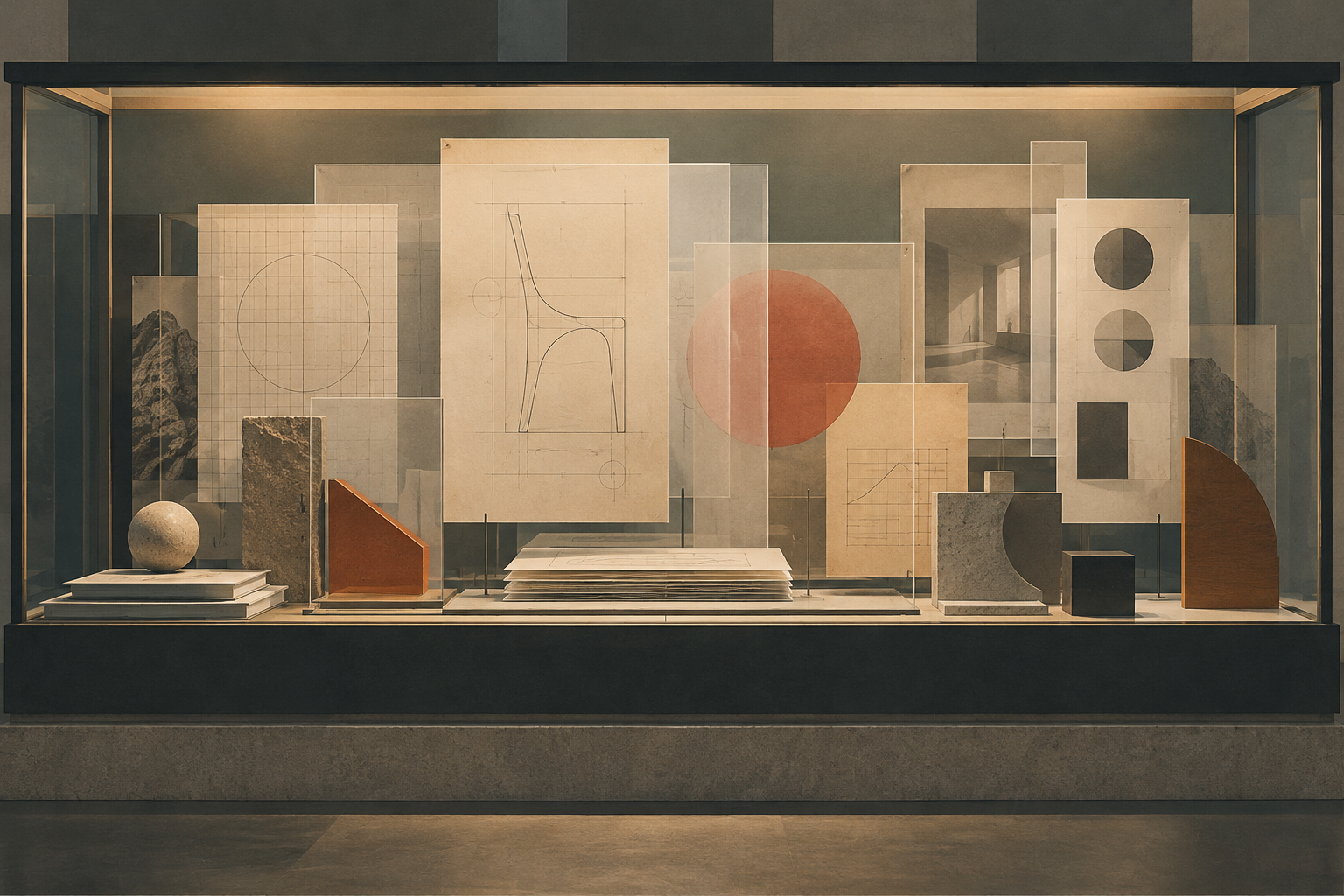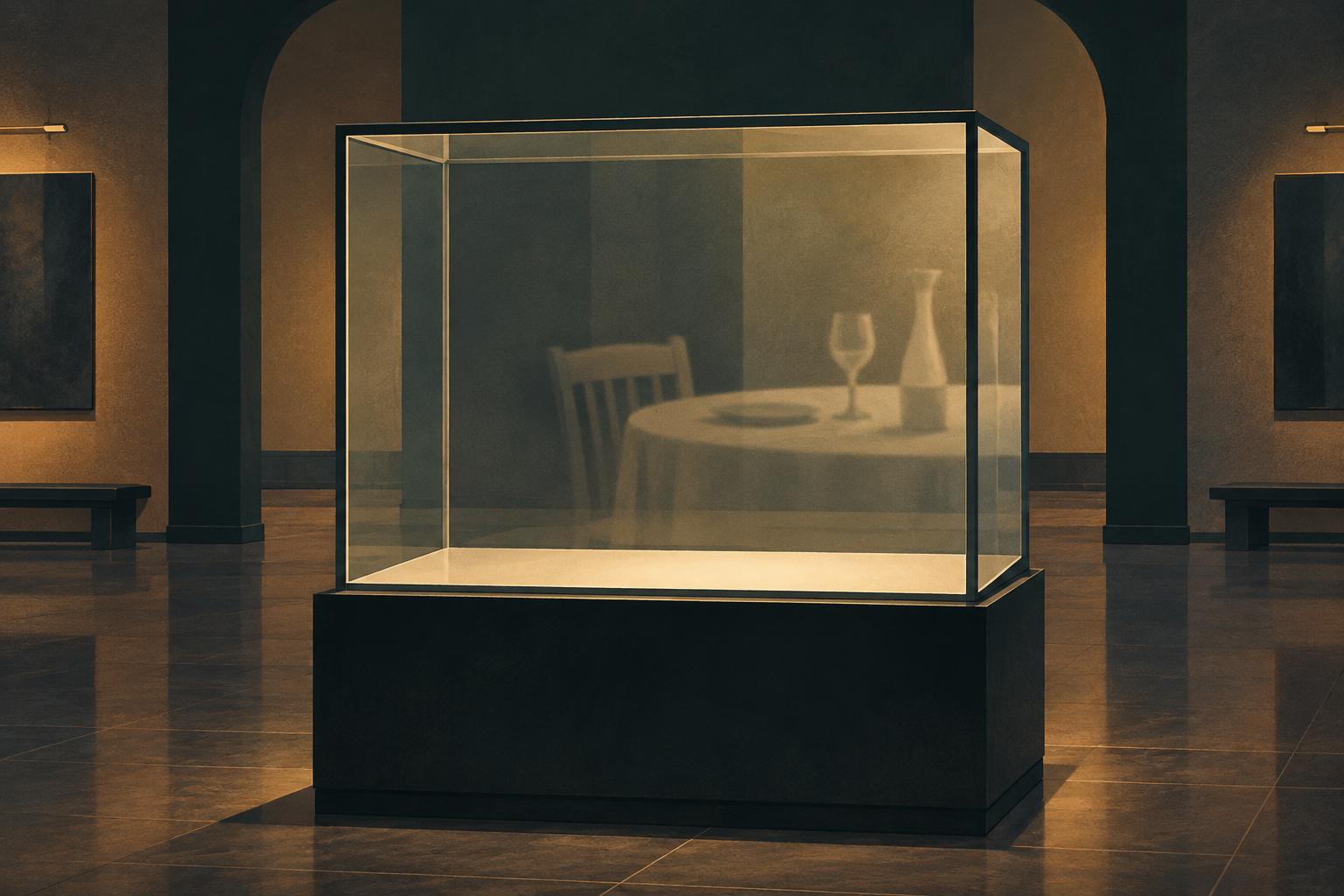
The table is a complex stage where biology, emotion, and sociology converge. However, when an object related to food enters a museum, its nature changes radically. What was once an act of consumption becomes a static artifact. This transformation raises a fundamental question about the limits of museology: can an institution dedicated to physical preservation capture the essence of a practice that is, by definition, ephemeral and sensory? Evidence suggests that there is a significant gap between what is preserved and what is lost in the process of museumization.
The Multidimensional Nature of Food
Food is not simply a product; it is a biological, sensory, emotional, social, and cultural fact. This premise, documented in various studies on food heritage, establishes that the experience of eating is integral. One cannot separate taste from social context nor smell from affective memory. When a museum attempts to represent this reality, it faces the impossibility of transferring the totality of the experience to an exhibition space. The inherent tension in museumizing the table lies in this inability to transmit the lived dimension of the act of eating, often reducing the complexity of food to a series of inert objects.
Object vs. Practice
In the context of ethnographic museums, the exhibition of food usually focuses on its commercial presentation or historical value. Packaging, utensils, and labels become the protagonists of the narrative. However, academic sources clearly distinguish between tangible cultural heritage and the nutritional or gastronomic aspects that define a group's identity. Physical objects can be preserved through preventive conservation protocols, but domestic practices and consumption rituals are intangible. This distinction is crucial, as it requires completely different safeguarding strategies. The conservation of a ceramic plate does not guarantee the survival of the ritual that accompanied it.
Limitations of Preventive Conservation
Preventive conservation protocols are designed to maintain the physical state of a collection and protect it from the dangers of its environment. These analyses of the physical and social environment of the museum are vital for the integrity of artifacts. However, these methods do not address the intangible dimension of food culture. Preventive conservation is a technical tool, not a cultural strategy for the transmission of practices. By focusing exclusively on matter, the museum risks decontextualizing objects, presenting them as museum pieces without the social life that gave them origin. The lack of strategies for intangible heritage leaves a void in the institutional narrative.
The Role of Anthropology and History
Current research in Spanish Food Studies highlights the need to connect anthropology with the history of food. This interdisciplinarity is key to understanding how ingredients and presentation document not only commercial promotion but also domestic practice. Anthropology provides the tools to understand the social and cultural dynamics surrounding food, while history provides the temporal context. Together, these disciplines allow for a deeper reading of the exhibited objects. However, the application of these theoretical frameworks in museological practice remains limited, often relegated to academic texts rather than integrated into the visitor experience.
Reduction to the Commercial
In many cases, the exhibition of food in ethnographic museums is reduced to its commercial or historical value. This reduction omits the lived dimension of the act of eating, which is where most of the cultural meaning resides. Commercial presentation, while interesting from an economic history perspective, does not capture the sensory experience or the social relations that food facilitates. By focusing on the commercial, the museum may reinforce an instrumental view of food, ignoring its role as a builder of identity and community. This limitation is particularly evident in exhibitions that do not provide context on the domestic practices associated with the exhibited objects.
The Need for New Methodologies
This analysis does not seek to catalog specific products, but to examine the methodologies that allow cultural institutions to address the complexity of the table as a system of meanings. An approach that transcends the mere conservation of artifacts is required. This implies developing new forms of documentation and presentation that incorporate the intangible dimension of food culture. It may include the documentation of rituals, the preservation of recipes, or the creation of multisensory experiences. The key is to recognize that food is a system of meanings that cannot be reduced to its physical components. Only through an integral methodology can the gap between what is preserved and what is lived begin to close.
Conclusion
The museumization of the table faces challenges that go beyond conservation technique. The inability of museums to transmit the sensory and social experience of food reveals a structural limitation in how cultural institutions approach intangible heritage. While objects can be preserved, practices require specific safeguarding strategies. The future of food museology will depend on its ability to integrate anthropology and history into exhibition practice, recognizing food not only as an object but as a multidimensional cultural fact.
- Decade
- Contemporary
- Region
- Global
- Level
- Enthusiast
- Entities
- Museum
Sources and references
- Food Studies en español: Investigación actual en ...digital.sandiego.edu · 2026-10-16
- El patrimonio alimentario en los museos etnográficos. 2019www.academia.edu · 2026-10-16
- Patrimonios alimentarios : entre consensos y tensioneshorizon.documentation.ird.fr · 2026-10-16
- Lo inmaterial en el museo. Museos y patrimonio alimentarioriunet.upv.es · 2026-10-16
- Explorando la comida a través de la historia y la cultura ( ...translate.google.com · 2026-10-16
- LA CONSERVACION PREVENTIVA EN LOS MUSEOSwww.museosdetenerife.org · 2026-10-16