The physical integrity of a console or an old computer is only half the equation when it comes to preserving its legacy. In the 21st century, museums curating retro technology face a problem that mere material conservation does not solve: the obsolescence of context. An object without its software, without its manuals, and without the memory of how it was used risks becoming a mute relic. Available evidence suggests that the solution lies not in encapsulating the piece, but in expanding its definition to the immaterial, using digital tools to keep the surrounding cultural narrative alive.
The Limit of Physical Custody
Traditionally, museology focused on the chemical and physical stabilization of objects. However, for technology, this approach is insufficient. Evidence indicates that the value of a retro object does not reside solely in its materiality, but in its ability to transmit a specific cultural context. Institutions like the Reina Sofía Museum, although focused on contemporary art, have set precedents by integrating conservation and transmission as inseparable objectives. This duality forces a rethinking of how technology is archived: not as a static artifact, but as a living system that requires continuous documentation.
The Role of Digital Archives
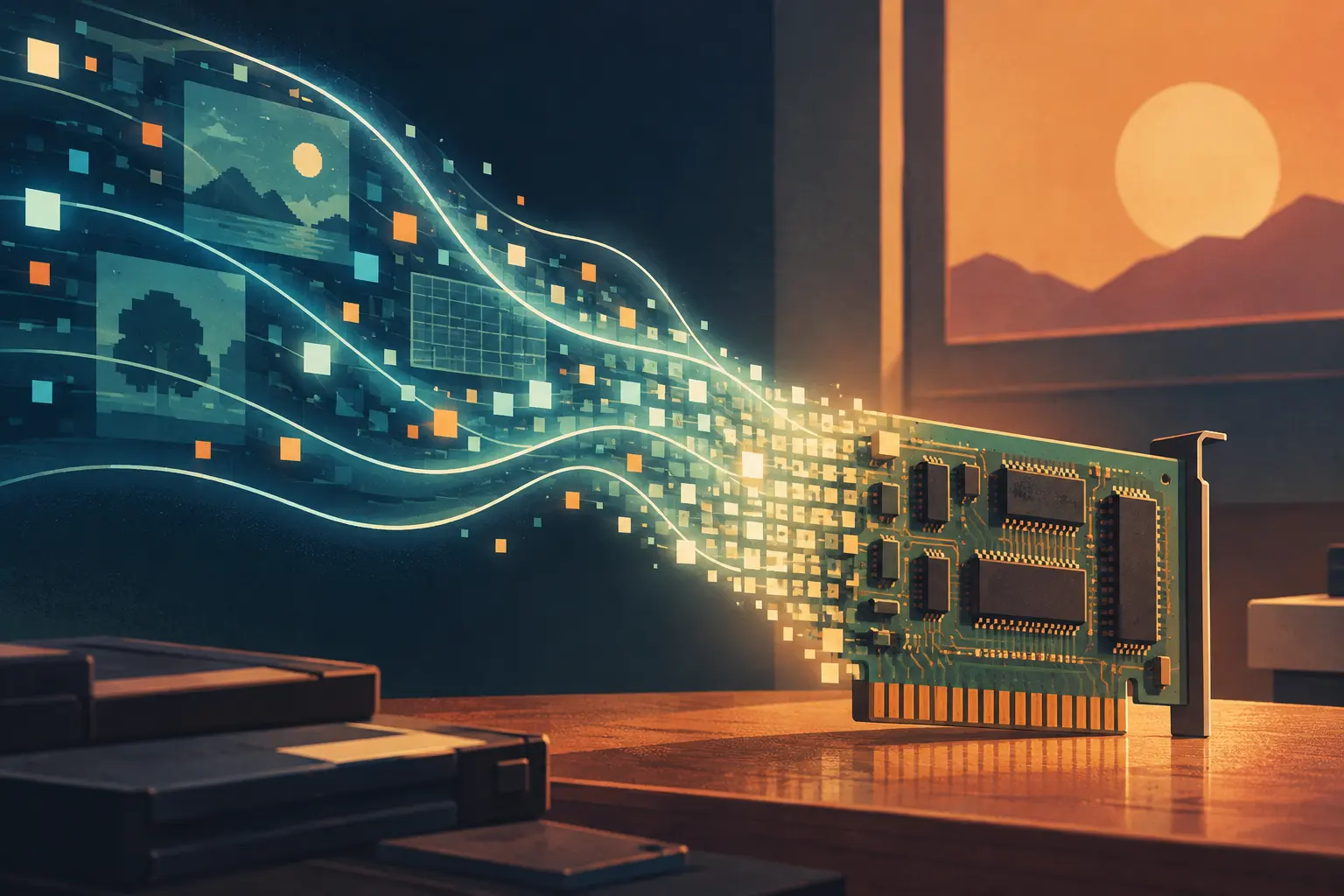
Digitalization offers a way to overcome the fragility of physical media. Conservation projects in Brazil, such as the one carried out at the Ipiranga Museum, demonstrate how large-scale digital models can impact the culture of future generations. In the field of technology, this translates into the creation of archives that not only store data but preserve the user experience. Digitalization allows access to written, oral, and primary source documentation that enriches the understanding of the object, something impossible to achieve with a simple catalog label.
Software as Part of the Object
In retro technology, software and operating systems are as important as hardware. However, preserving these elements is more complex than preserving a painting or a sculpture. Evidence points out that the conservation of electronic art and media requires strategies that address what to preserve and how to do it. This implies not only saving the code but also the execution environments and user interactions. The contemporary reinterpretation of these objects requires a strategy that combines physical preservation with digital accessibility, ensuring that cultural memory is not lost over time.
Cultural Context and Oral Memory
Technical memory is not just an engineering issue; it is a social phenomenon. Audiovisual and bibliographic archives play a crucial role in providing context and access to oral documentation. Interviews with users, programmers, and designers from the era provide a layer of meaning that technical manuals cannot capture. This oral documentation is vital for understanding not only how the machine worked but how it integrated into the daily lives of its users. Preserving this oral memory is as important as preserving the device itself.
Challenges of Digital Obsolescence
Unlike wood or metal, digital media are extremely fragile. File formats change, operating systems become incompatible, and original hardware becomes obsolete. Evidence suggests that preservation practices must be dynamic and adaptive. It is not enough to make a backup; it is necessary to migrate data to new formats and emulate original environments when possible. This process requires significant technical and financial resources, posing challenges for institutions with limited budgets.
Accessibility as the Final Goal
The ultimate goal of conservation is not just to maintain the object, but to make it accessible to the public. Digital tools allow connecting the public with the history and meaning of retro objects in interactive ways. This can include software simulations, data visualizations, or even immersive experiences that replicate the original environment. Digital accessibility expands the reach of the collection, allowing people from all over the world to access technical memory without needing to visit the museum physically.
Conclusion: A Dual Strategy
Preserving retro technology requires a dual strategy that integrates physical and digital conservation. It is not a matter of choosing one over the other, but of combining them to create a complete representation of the object and its context. Museums that adopt this approach will be better prepared to face the challenges of obsolescence and ensure that technical memory is not lost. Available evidence supports the idea that digitalization is a powerful tool for this purpose, but only if used strategically and contextually. The future of retro museology depends on our ability to think beyond the physical object and embrace the complexity of digital memory.
- Decade
- Contemporary
- Region
- Global
- Level
- Enthusiast
- Entities
- Museum, Museo Reina Sofía, Museo Ipiranga
Sources and references
- (PDF) DEPARTAMENTO DE CONSERVACIÓN- ...www.academia.edu · 2026-10-20
- Museo de Arte y Diseño Contemporáneo: orígenes, desarrollo institucional y contexto de un museo en movimientodoi.org · 2026-10-20
- Conservación digital del Museo Ipiranga en Brasilwww.autodesk.com · 2026-10-20
- conservación del arte electrónico: ¿qué preservar y cómo ...www.annetteweintraub.com · 2026-10-20
- Prácticas divergentes de preservación del arte de los medioswww.jstor.org · 2026-10-20