More than a sequence of objects
A timeline of devices can be clear while leaving out something essential: what people did with them. An earlier RetroPause article argues that the history of computing does not fit neatly into a line of inventions. That idea is a starting point here, not a settled conclusion: understanding a technological object means distinguishing its design, the promises made about it and the uses that sources can document.
This approach avoids treating each device as an inevitable step towards the next. It also helps prevent attributing practices to an object when the evidence does not describe them. If the question is what use distinguished a device, the answer should begin by locating specific testimony, rather than filling in the history with a familiar image or an assumption.
What a document can contribute
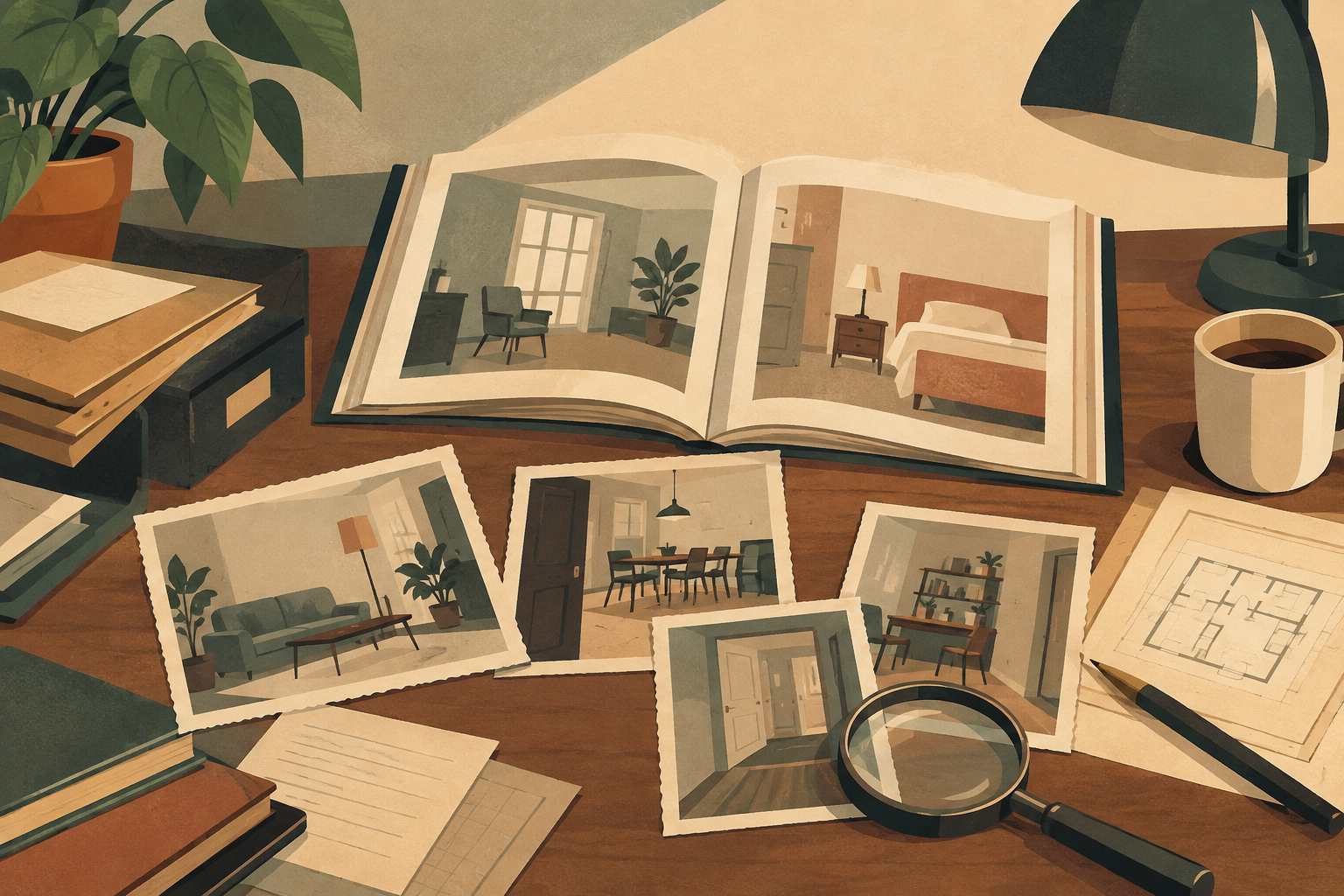
Documents are not transparent windows onto the past. A manual can explain how an apparatus was expected to be used; an advertisement, what benefits were promised; an institutional record, what an organisation chose to preserve. Each answers different questions. Read what it says, and note what it cannot establish.
The material supplied for this proposal includes a document from the Computer Museum at the Universitat Politècnica de València. Its excerpt mentions industrial robot applications on European automobile production lines in 1970 and 1971. That is a specific lead about one field of use, not a complete account of the robots, every factory or workers’ experiences. Separating that limited claim from any broader generalisation is part of historical work.
Classifying without erasing distinctions
Broad categories can help readers find their way, but they cannot replace investigation of individual cases. An academic article from the Complutense University of Madrid addresses the historical development of electronic technologies and their relationship to the history of documentation. Another text, whose title sets information and communication technologies between 1930 and 1970, uses a different timeframe and subject boundary. There is no need to turn these works into one narrative: their differences remind us that “technology” encompasses objects and processes that call for their own questions.
For a history of use, a record should distinguish, where sources allow, the object, its setting, the task described and the kind of document supporting each claim. If there is no information about who used the apparatus, how often or under what conditions, those gaps should remain visible. Missing evidence does not prove that a practice never existed; nor does it license us to invent one.
A museum has a history too
The National Museum of Science and Technology’s page dates the beginning of its creation project to 1962. That fact concerns the institutional history summarised by the source. It does not, by itself, establish which objects were on display in a particular year or how they were used before entering a collection. The past of a device should be kept distinct from that of the institutions that gather, describe and preserve devices.
This distinction is useful when reading technological objects today. An exhibited item may have documentation about its manufacture or specifications but little about its everyday circulation. Rather than cover that distance with an imagined scene, a responsible account states what is supported and what remains an open question.
From promise to documented use
Advertisements and manuals can be compared, but they should not be mistaken for equivalent evidence. A commercial promise tells us how a product was presented; it does not automatically verify the results of using it. A manual records instructions or intended possibilities; it cannot show that everyone followed them. Progress requires evidence suited to each question, with claims attributed precisely.
The material available here is brief and uneven. It can therefore support a method and a few starting points, but not a complete history of everyday device use between 1970 and 2009. For example, it supplies no set of specific manuals or advertisements with which to compare promises and experience. Naming that limit is more informative than filling it with undocumented examples.
A history that keeps its limits visible
Telling the story of technology through its documents changes the question: not only what was invented, but what can be substantiated about design and use. Chronology remains useful, provided it does not pretend to answer all those questions by itself. The cited studies, the lead about industrial robotics and the MUNCYT institutional history offer different entry points, not enough evidence to close a general account.
The editorial conclusion is simple: every object requires a verifiable link between claim and source. Documents can reveal promises, instructions, contexts and decisions about preservation, but they do not all reveal the same things. A careful history makes visible both what we know and what the evidence assembled so far does not allow us to claim.
- Decade
- 1970s
- Region
- Global
- Level
- Introduction
- Entities
- Museum
Sources and references
- La historia de la informática no cabe en una fila de inventoswww.retropause.com · 2026-10-04
- UN VIAJE A LA HISTORIA DE LA INFORMÁTICAmuseo.inf.upv.es · 2026-10-04
- (Nuestra) Historiamuncyt.es · 2026-10-04
- Evolución histórica de las Tecnologías de la Información y ...revistas.ucm.es · 2026-10-04
- Historia de las Tecnologías de Información y ...www.revistacts.net · 2026-10-04