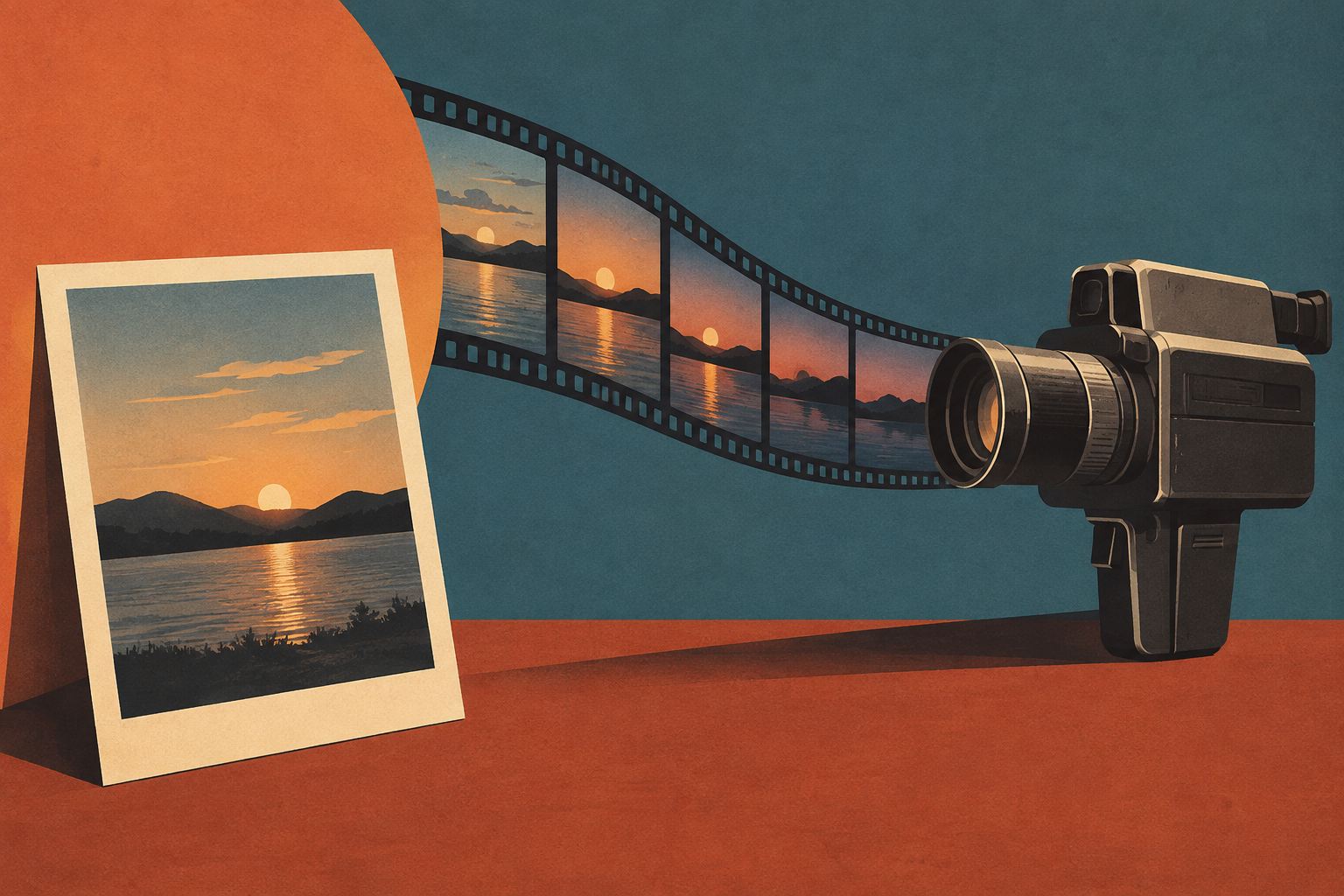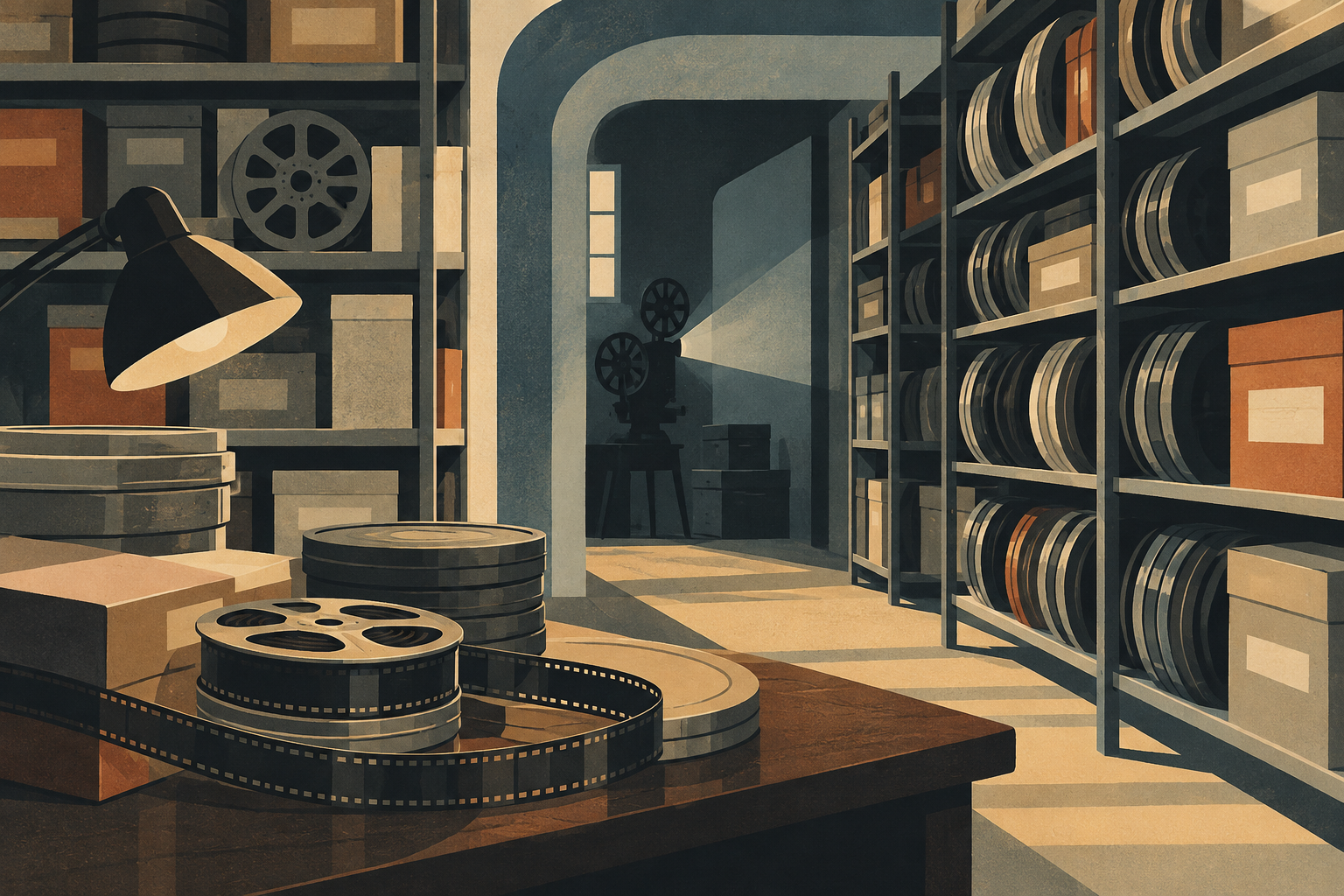
When an electronic device ceases to be a work tool and becomes a museum piece, its identity fractures. What was once an object designed for intensive use, planned obsolescence, and rapid replacement becomes a historical document. This transition is neither automatic nor trivial. It requires a process of recontextualization where technical function yields to cultural memory. The technological object, upon entering the realm of museums and archives, ceases to be a means and becomes an end in itself, a witness to the social and economic practices of its time.
Documentation as vital context
The preservation of these objects cannot be limited to the physical conservation of hardware. Recent academic literature on science and technology museums underscores that the value of a device also lies in its documentary environment. User manuals, advertisements, technical diagrams, and commercial correspondence are essential pieces. These documents allow for the reconstruction of the real context of use, differentiating between the manufacturer's promises and the user's experience. Without this layer of information, the object remains isolated, deprived of the narrative that gives it meaning.
The role of institutional archives
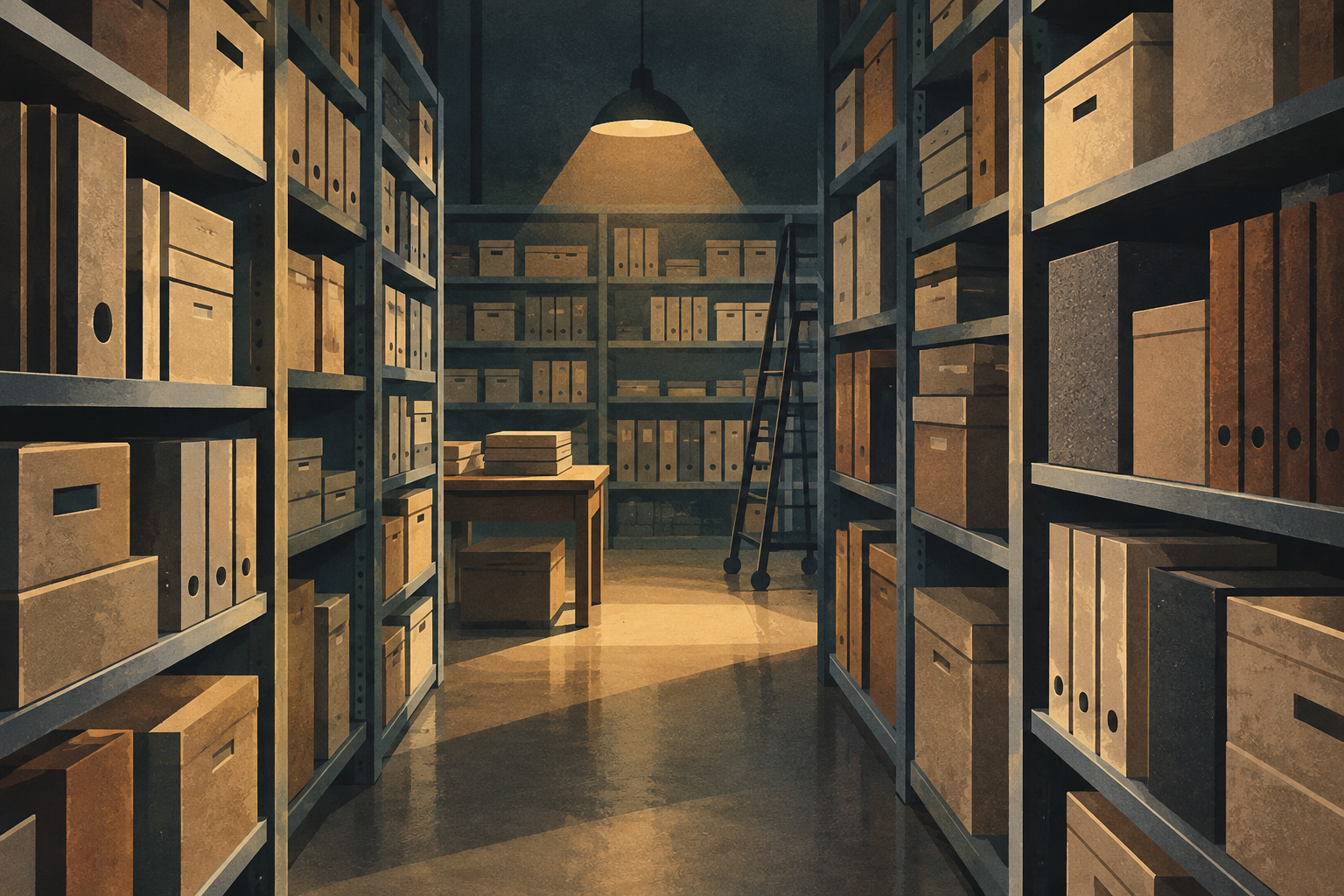
Museum archives fulfill a dual function. On one hand, they document the history of the institution, its collections, and exhibitions. On the other, in the case of technological objects, they record the trajectory of each piece from its manufacture to its incorporation into the collection. This includes acquisition records, condition reports, and high-resolution photographs. This administrative documentation is crucial for ensuring the transparency and reproducibility of conservation processes, allowing researchers and the public to understand the institutional life of the object.
3D digitization and access
3D digitization has emerged as a tool complementary to traditional study activities. It allows the creation of virtual replicas of fragile or complex objects, facilitating their study without the risk of physical deterioration. However, this technology does not replace the original object but supports it. The original remains the primary source of information, while the digital copy serves as a means of access and dissemination. The integration of these models into open access platforms expands the reach of research and education, connecting the design, use, and public reception of the object.
Preventive conservation of mixed materials
Preventive conservation of documents in archives and libraries offers methodologies applicable to technological objects. Control of temperature, humidity, and light is fundamental to prevent the deterioration of plastic, electronic, and metallic materials. Unlike paper documents, technological devices present unique challenges due to the degradation of their internal components. Documenting storage conditions and interventions made is essential to maintain the integrity of the object in the long term.
Historical marginality in Spain
In the Spanish context, the history of science and technology has been marked by social marginality. The expression 'Let them invent!', attributed to Miguel de Unamuno, reflects a historical attitude that hindered the recognition of the heritage value of technological devices. This marginality influenced the way these objects were conserved, often relegated to a second tier. Today, museums seek to overcome this legacy by integrating these objects into broader narratives about everyday life and innovation, recognizing their role in social transformation.
Limits of verification
Although the available sources provide a clear view of conservation and digitization practices, there are limits to the verification of specific details. For example, exact figures of digitized objects or precise dates of implementation of conservation policies in specific institutions cannot be confirmed. The evidence focuses on general methodologies and historical contexts, without entering into individual case studies. This limits the ability to make concrete claims about the quantitative impact of these practices on the preservation of technological heritage.
Conclusion
The conservation of technological objects in museums and archives is a complex process that requires a combination of physical and digital techniques. The goal is not only to preserve the form of the object but also its cultural meaning and its context of use. Archives play a fundamental role in this process, providing the necessary documentation to interpret the object and connect it with the broader history of technology and society. This integration of the physical and the digital, the technical and the cultural, defines the future of technological heritage preservation.
- Decade
- 1990s
- Region
- Global
- Level
- Enthusiast
- Entities
- Museum
Sources and references
- Conservación preventiva de documentos en archivos y bibliotecas. Experiencias, metodologías y políticasopenalex.org · 2026-10-13
- El archivo en los museos de ciencias y tecnologías | Tábulapublicaciones.acal.es · 2026-10-13
- Archivo histórico - | Ministerio de Culturawww.man.es · 2026-10-13
- Archivos de Museo: Funcionamientoevemuseografia.com · 2026-10-13
- La digitalización 3D del patrimonio cultural en museosrevistaseug.ugr.es · 2026-10-13
- Historia de la ciencia y la tecnología en Españaes.wikipedia.org · 2026-10-13