RetroPauseTechnology
Thematic archive · Technology

Everyday technology that transformed our routines

Devices, formats, and small-scale solutions changed the ways people worked and communicated. This archive explores how they were used, not just their specifications.

Start here

Readings to help you find your bearings.

Analysis · 1960

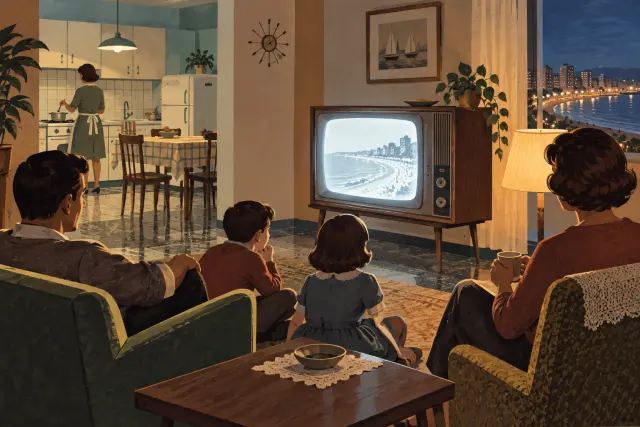
When television came to Mar del Plata, the home changed with it

Television arrived in Mar del Plata in 1960, after viewers in Buenos Aires had already encountered the medium, but households still had to decide where the set belonged and who could watch. Inés Pérez’s oral-history study traces a transition marked by children visiting neighbors to see programs, televisions appearing in kitchens as well as living rooms, and different expectations across generations.

Open story
Analysis · 1980

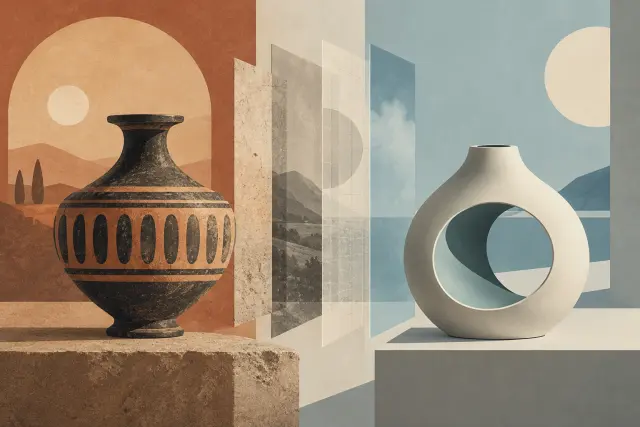
Rhythm and Support: Redefining the Still Image Against Analog Video

Between 1970 and 1990, the consolidation of video forced a rethinking of photography not as a static record, but as a specific way of managing duration. This analysis examines how the materiality of film and magnetic tape determined the viewer's temporal experience, using cases such as US street photography and Valencian exhibition spaces as reference points.

Open story
Technology

A story in context

Technological objects have a history of design and a history of use. Manuals and advertisements help explain what they promised and where their limits lay.

This section connects devices and formats that span different fields. Computers, Consoles, and Photography explore their own specific areas in greater depth.

Choose your path

Three perspectives on the archive.

Featured dossier

From 78s to LPs: how record formats organized musical time

The playing time on each side of a record shaped what could be recorded, how music was released and how listeners used their players. From shellac 78s to Columbia’s microgroove LP and RCA Victor’s 45-rpm single, changing formats altered musical publishing and home listening without dictating a single idea of what an album should be.

Read article

Documented milestones

  1. 1830

    Founding of the Chilean National Museum of Natural History

    The Chilean National Museum of Natural History is founded in Santiago, becoming one of the oldest natural history museums in Latin America and the world.

    Read article
  2. 1867

    Founding of the National Archaeological Museum

    The National Archaeological Museum’s archive preserves written testimony of the museum’s institutional life from its founding in 1867.

    Read article
  3. 1889

    Nintendo begins its history

    According to the company’s own history, Nintendo began its journey in 1889, offering leisure products and experiences.

    Read article
  4. 1891

    Peugeot builds its first internal-combustion automobile

    After beginning as a workshop for coffee mills and other utensils in 1810 and later moving into bicycle manufacturing, Peugeot produced its first internal-combustion automobile in 1891.

    Read article
  5. 1919

    The Teatro Real Museum-Archive is established

    Director Luis París established the Teatro Real Museum-Archive, from which much of the current National Museum of Performing Arts’ musical heritage derives.

    Read article

Latest additions

1950s

From 78s to LPs: how record formats organized musical time

The playing time on each side of a record shaped what could be recorded, how music was released and how listeners used their players. From shellac 78s to Columbia’s microgroove LP and RCA Victor’s 45-rpm single, changing formats altered musical publishing and home listening without dictating a single idea of what an album should be.

2000s

Web archives: what captures preserve—and what they leave out

Web captures document how online services presented themselves and changed over time, but they do not restore how those services worked in full. Their historical value depends on reading them alongside other records and distinguishing what they show from what can only be inferred.

1970s

Pong and the arcade cabinet: controls that turned a game into a social encounter

In Pong, two rotary controls and a shared cabinet made the duel easy to see—and gave people waiting for a turn a reason to watch. The game’s path from a prototype tested in a Sunnyvale bar to home versions shows how controls and setting could reshape the experience even when the basic mechanics remained familiar.

1950s

The microgroove and the new length of music at home

The arrival of the microgroove was more than a change of material: it allowed more music to fit on each side and established two distinct formats, the 33⅓ rpm LP and the 45 rpm single. From mass production to the rise of the cassette and CD, vinyl’s history shows how a technology reshaped listening habits and found new roles among DJs and collectors.

1960s

When television came to Mar del Plata, the home changed with it

Television arrived in Mar del Plata in 1960, after viewers in Buenos Aires had already encountered the medium, but households still had to decide where the set belonged and who could watch. Inés Pérez’s oral-history study traces a transition marked by children visiting neighbors to see programs, televisions appearing in kitchens as well as living rooms, and different expectations across generations.

1980s

SEAT Between Fiat and Volkswagen: Industry, Autonomy and a Change of Scale

Founded in 1950 with state participation and technical support from Fiat, SEAT moved from licensed production to seeking greater autonomy after its break with the Italian company, before joining the Volkswagen Group. Its history comes into focus through industrial agreements, factory changes and models such as the Ibiza—not simply as a succession of cars.

1950s

How the microgroove made longer listening possible

The microgroove LP did more than fit more music on each side: it helped establish the album, coexisted with the 45 rpm single and reshaped everyday playback. Its history connects engineering, commercial formats and the practices that kept vinyl in circulation after the CD’s rise.

Sources for the selected readings

Editorial review ·
