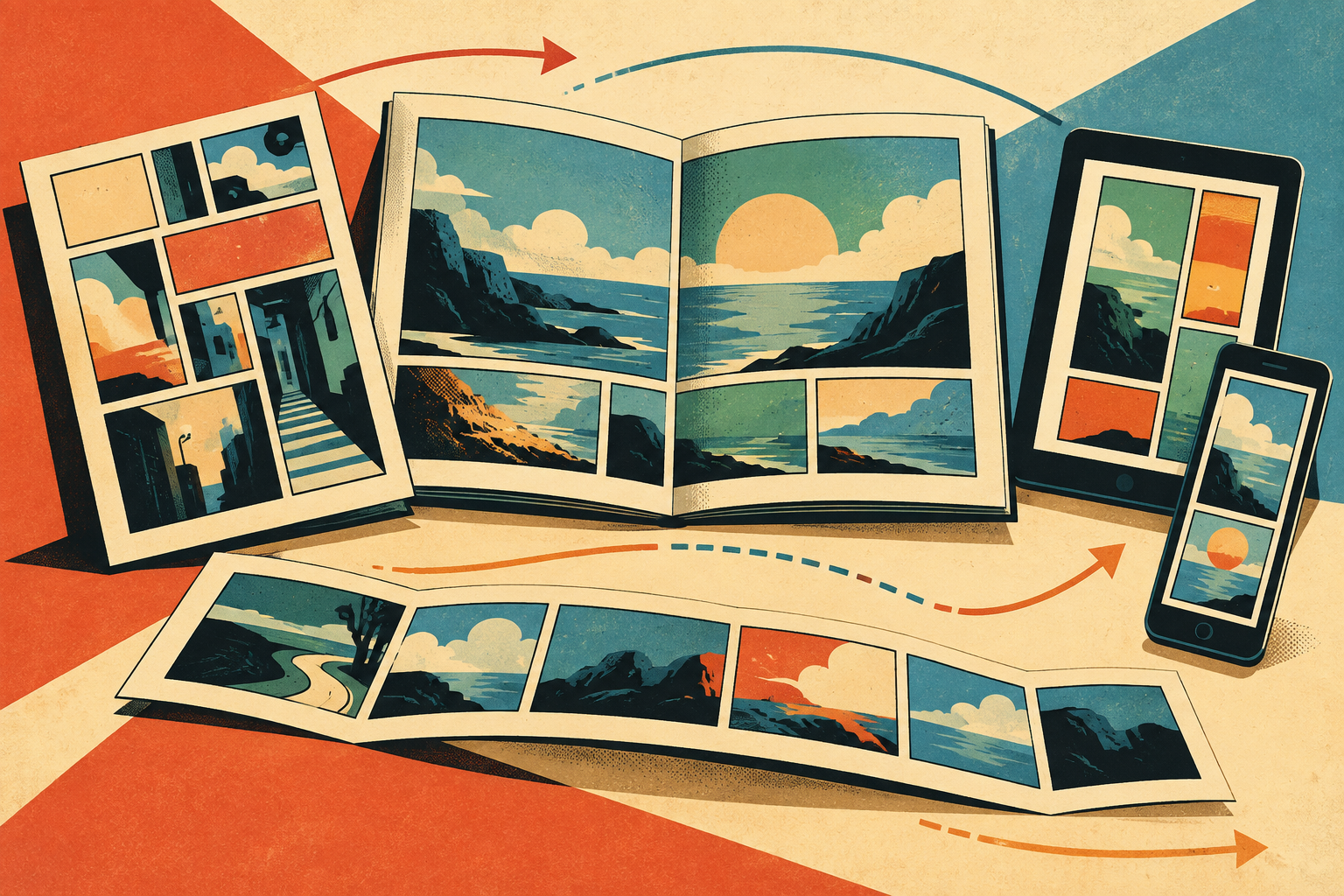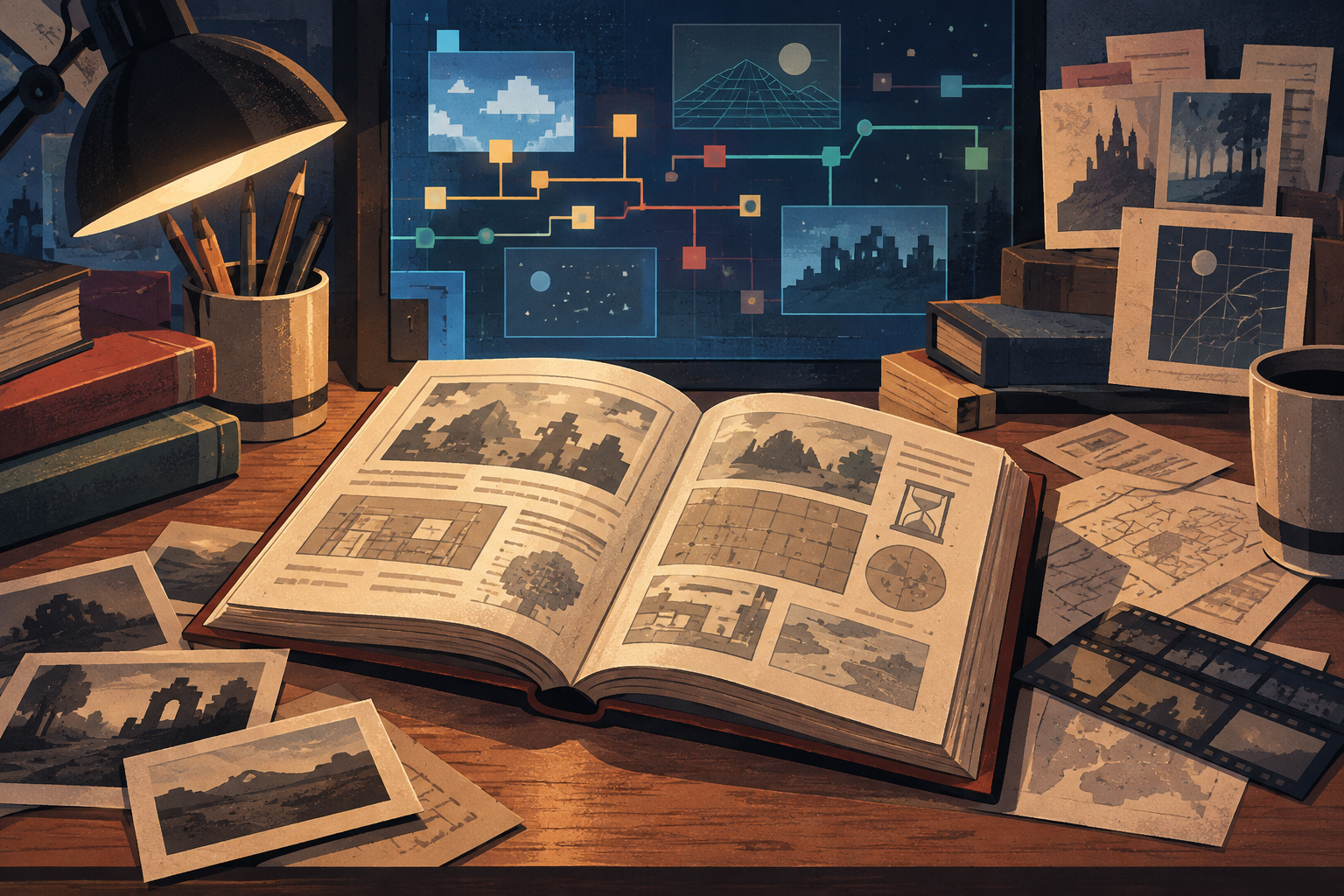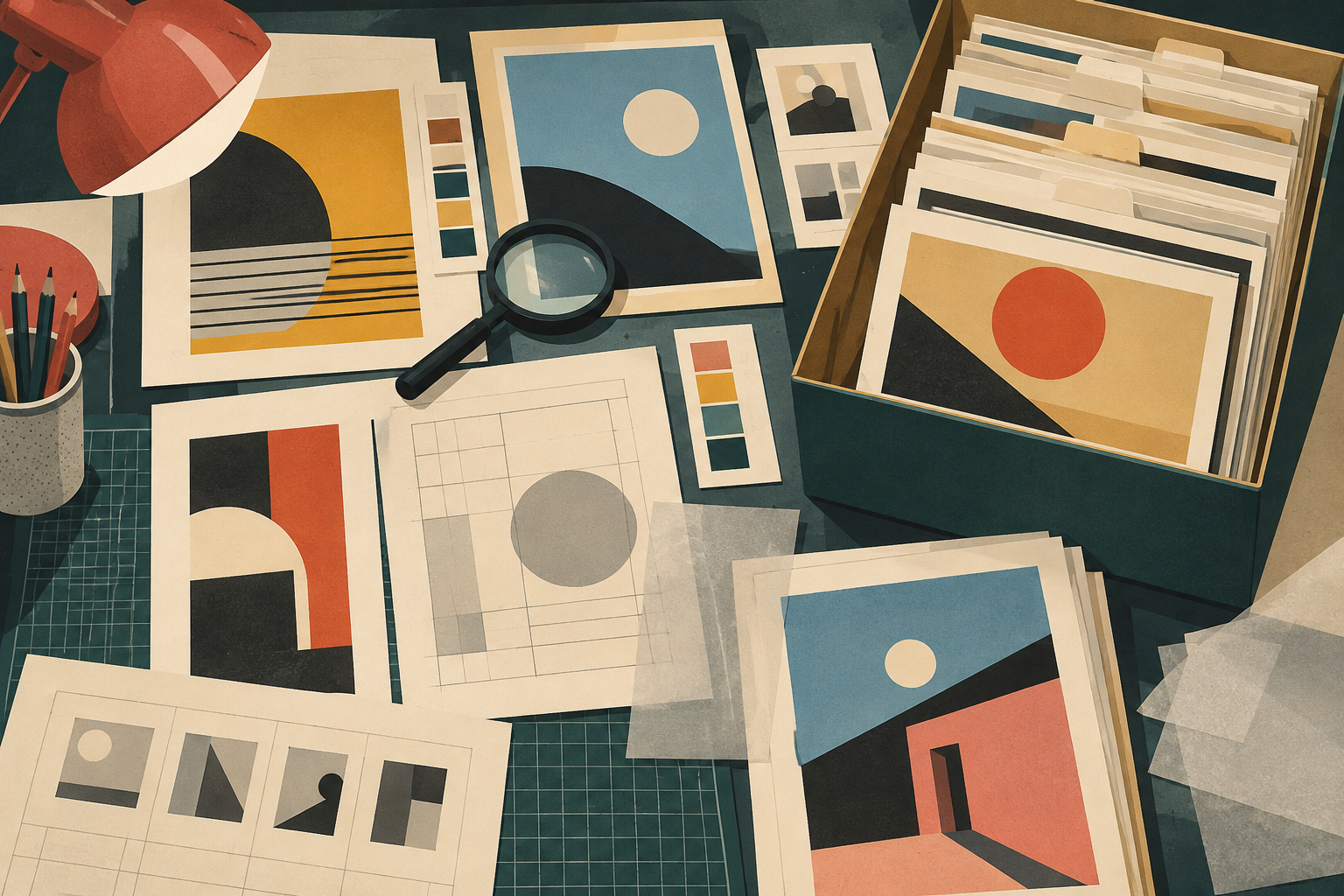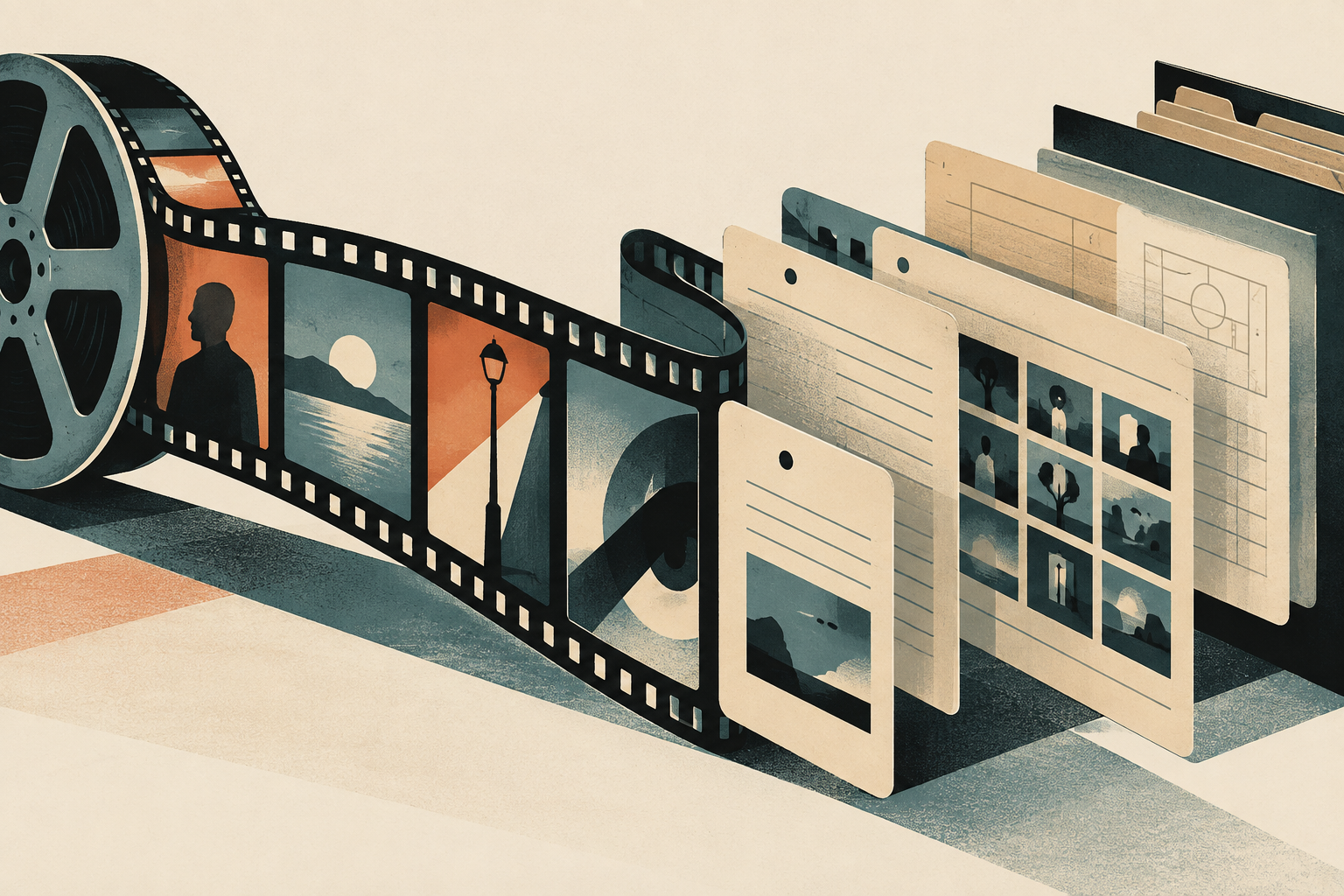
A film reaches the present not only as a work that someone can project again. It may also survive in descriptions, catalogues, production documents, posters and, at times, archival images reused by other films. Each item allows different questions. None, on its own, gives a complete account of the work or its reception. Film documentation is valuable precisely when treated as situated evidence: it speaks to the processes of making, preserving, classifying and circulating material, not as a transparent substitute for the film.
The document is not the film
The idea of thinking of cinema as a document is associated, in the evidence supplied, with Bolesław Matuszewski, identified by ProyectoIDIS as a director specializing in popular scientific films. This reference opens a methodological question: what kind of document is a moving image, and what can it support us in claiming? A shot records a visual appearance, but its meaning also depends on when, how and why it was filmed, and on the editing and presentation decisions that brought it to an audience.
This distinction matters for the papers surrounding a work, too. A poster documents a way of advertising; a bibliographic record, a way of identifying; an archival description, a cataloguing decision. They are not neutral windows onto a film. They are traces produced in particular contexts. Reading them together can build a richer context, but it does not justify confusing the traces with the object to which they refer.
From preservation to historical questions
UNESCO’s report on film museums and archives makes the relationship between memory and history an explicit concern for preservation institutions. That distinction helps avoid a familiar trap: imagining that preservation means retaining the past intact. An archive gathers and organizes materials, and its organization shapes what can later be found, compared or studied. Memory may be personal or collective; historical research, by contrast, needs to examine the conditions in which each trace was made and survived.
The project for creating a cinema museum in Spain included among the sources mentions a documentary viewed to help guide the theme of a temporary exhibition. The example shows how a film can also become an interpretive tool within an institution. It does not establish how that exhibition developed or how audiences received it; it does remind us that exhibiting films and exhibiting documents about films involve different curatorial decisions.
The archive inside another film
The OpenAlex record for Elena de la Cuadra and Iris López de Solís’s study on archival images in fiction films based on true stories offers a precise focus for considering reused images. In such cases, archival material does not function simply as period decoration: its presence raises questions about the relationship between image, narrative and historical claims. But the title and bibliographic record alone do not justify attributing more specific conclusions to the article. Doing so would require consulting the full text and checking its corpus and arguments.
Caution matters especially when a film combines pre-existing images with scenes created for the narrative. Viewers may interpret the look of a record as a guarantee of truth. Without information about provenance, original context and the fragment’s role in its new edit, that impression is not verification. The critical task is not to decide in advance whether an image is authentic or misleading, but to ask what is known about it and how the new work makes it mean.
Documentation in the digital era
Lluís Codina’s 2007 article addresses applications of film documentation in the digital era. Its title frames technological change as a documentary problem, not simply as an improvement in equipment. Digitization and search systems can change how materials are found and connected; however, the evidence supplied does not describe particular tools or results, so a more specific technical account cannot responsibly be attributed to it.
The 2016 study on the historical context of film documentation and the 2007 article can be read as signs that film documentation has its own history and a changing relationship with its media. Digital technology does not automatically erase older problems: what is preserved, how it is described, what data accompanies an image, and what falls outside a search. A clear record makes an item easier to find, but does not by itself prove that its description is complete or that the object is available in every version.
What a source allows us to claim
A useful method begins by separating three levels. First, the explicit statement: what a record or document literally says. Second, reasonable inference: what relationship can be proposed by comparing different sources. Third, what remains unknown: information absent from the materials consulted. This separation prevents a sparse record from becoming an invented biography of a film, or an academic title from being cited as though it replaced reading the study.
It is also worth recording differences between source types. An academic article offers an argumentative framework that must be checked against its contents; a heritage institution expresses preservation and memory criteria; a catalogue describes objects according to bibliographic conventions; a poster is both graphic material and a promotional tool. Bringing them into relation does not mean assigning them equal weight for every question. The right source depends on whether the research concerns a work’s form, its public presentation, its preservation or the history of its reception.
A reading that does not confuse nostalgia with history
Film documents can bring back details that a screening alone does not preserve: how a work was identified, which images circulated within another narrative, or what documentary framework was used to study it. But any reconstruction remains partial. The materials available here do not document a comparison of cinema and video reception for a particular film, nor do they provide posters for specific titles. They therefore cannot support a general history of that shift in reception.
They do support an editorial principle: treat documents as objects with contexts and limits. A poster tells us about a way of advertising, not the audience’s actual response. A catalogue helps identify an item; on its own, it cannot certify the completeness of a copy. An archival image may provide evidence, but its provenance and new edit matter. The film remains at the centre of study; its traces broaden the questions, provided we do not ask them to answer what they cannot prove.
- Decade
- 2000s
- Region
- Global
- Level
- Enthusiast
- Entities
- Museum
Sources and references
- Cine en la era digital: aplicaciones de la documentación cinematográfica (Alfonso López Yepes, director)doi.org · 2026-10-06
- Imágenes de archivo en cine de ficción: cine basado en una historia realopenalex.org · 2026-10-06
- El cine como documento según Boleslaw Matuszewskiproyectoidis.org · 2026-10-06
- PROYECTO DE CREACIÓN DE UN MUSEO DE CINE EN ...eldocumentalistaudiovisual.com · 2026-10-06
- Museos y archivos del cineunesdoc.unesco.org · 2026-10-06
- La Documentación Fílmica: marco contextual históricorevistas.ucm.es · 2026-10-06