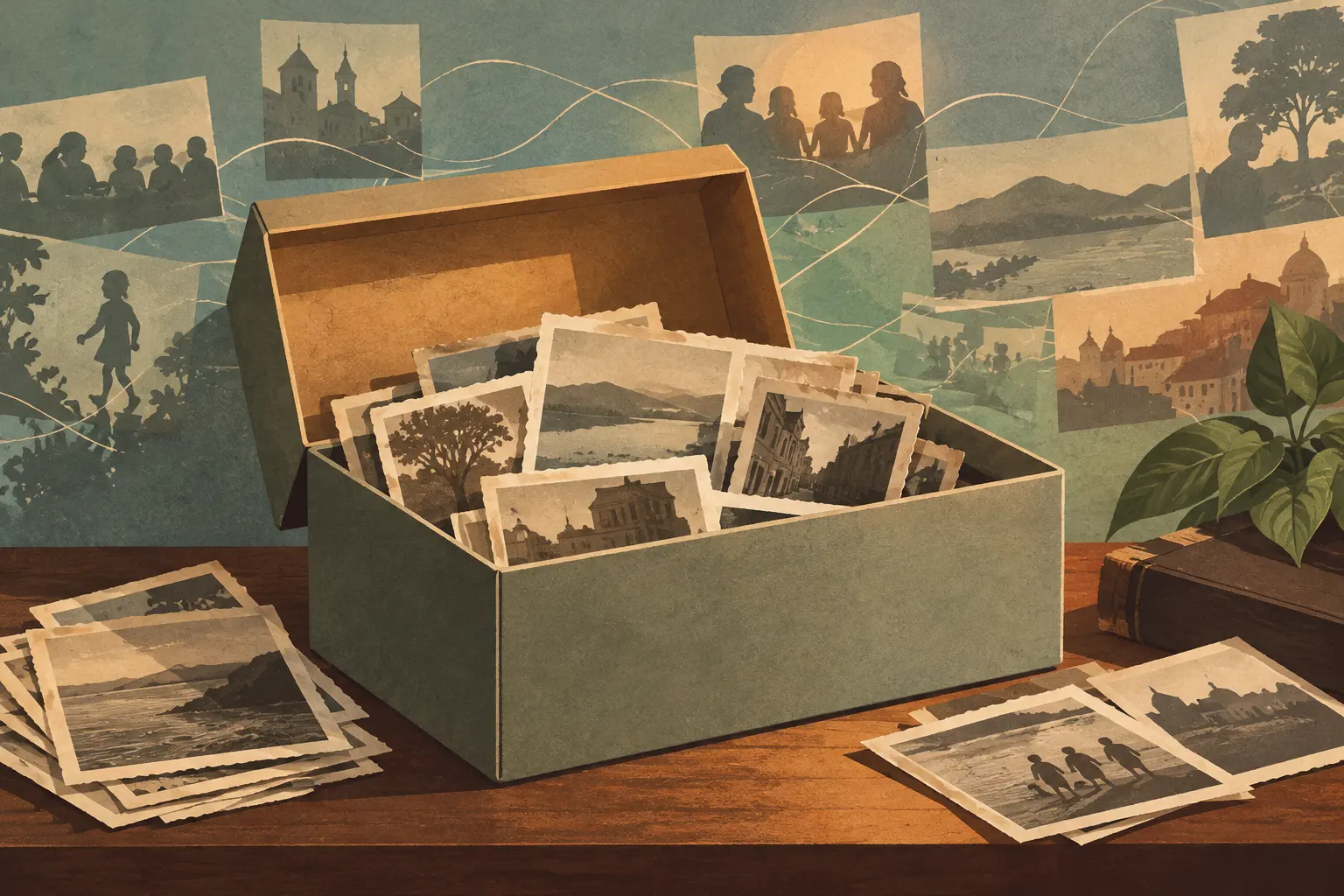
Photography has ceased to be viewed solely as a material object prone to deterioration, becoming instead a node of cultural information. This conceptual shift is particularly visible in Latin American institutions that have redefined their custodial mission. The article examines how archives and museums are moving from mere physical preservation to the management of cultural and memorial contexts, using digitization not as an end in itself, but as a tool to broaden access and the re-signification of collective memory.
From Matter to Meaning
Traditionally, photographic conservation focused on the chemical and physical stability of the support. However, recent evidence suggests that modern conservation requires understanding the materiality of photographic techniques to apply appropriate preventive strategies, but also to understand what the image represents. Institutions such as the Mexico City Museum have highlighted the importance of preserving not only the image but the forms of affection and everyday life it represents. This approach recognizes that the value of a photograph lies both in its support and in its ability to evoke memories and social bonds.
The Role of Digitization
Digitization has often been seen as a technical solution for preservation. However, in the current context, it is understood as a means to facilitate the re-reading of archives. The integration of digital funds allows images to circulate beyond the museum walls, reaching communities that may identify their own histories in them. This process does not replace the original object, but creates new layers of interpretation and access that enrich the understanding of heritage.
Case Studies in Latin America
The analysis of best practices in the region reveals common patterns. In Colombia, academic studies have analyzed conservation strategies for photographic heritage, emphasizing the need for exhaustive documentation. In Chile, collaboration between museums and government departments, such as the Presidential Photography Department, has allowed the creation of archives that gather perfectly documented records. These examples show that collaboration between museums, archives, and communities is key to keeping the relevance of these visual documents alive.
Collective Memory as Construction
Museums are not static deposits, but living spaces where collective memory is constructed, transmitted, and re-signified. This perspective implies that photography acts as a testament to social and political history. By preserving images, institutions do not just store objects, but facilitate dialogue between the past and the present. Documenting deterioration processes and the history of each piece adds depth to this narrative, allowing visitors to understand the journey of the image over time.
Documentation Challenges
One of the main difficulties in managing photographic archives is the lack of metadata and historical context. Evidence indicates that exhaustive documentation is crucial for photography to fulfill its function as a living document. This includes not only technical data on the photographic technique, but also information on the origin, subjects, and social context in which the image was taken. Without this information, the photograph risks becoming an isolated object, devoid of its cultural meaning.
Interdisciplinarity in Conservation
The current approach requires collaboration between materials science and cultural history. Conservators must not only be experts in chemistry and physics, but also in history and anthropology. This interdisciplinarity allows photography to be approached from multiple angles, ensuring that both the object and its meaning are preserved. Training professionals in these areas is essential for the future of photographic conservation.
Conclusion
Photography as a living document in the archive represents a fundamental change in how we understand heritage. By integrating digitization, contextual documentation, and community collaboration, institutions can transform photographic custody into a dynamic and meaningful practice. This approach not only preserves the past, but activates it, allowing collective memory to continue evolving and resonating in the present.
- Decade
- Contemporary
- Region
- Global
- Level
- Enthusiast
- Entities
- Museum, Museo de la Ciudad de México
Sources and references
- análisis de buenas prácticas de la conservación delrepository.udistrital.edu.co · 2026-10-22
- Fotografía y archivodoi.org · 2026-10-22
- Museo de la Ciudad de México descubre en su acervo ...www.facebook.com · 2026-10-22
- preserva formas de afecto, identidad y vida cotidiana que ...www.facebook.com · 2026-10-22
- 📸✨ Un nuevo fondo digital llega al Museo de los ...www.facebook.com · 2026-10-22
- 00-CONSERVACION FOTOGRAFIAwww.memoriachilena.gob.cl · 2026-10-22