The conservation of contemporary retro heritage faces a silent but profound paradigm shift. Traditionally, the central objective of museums and documentation centers has been the physical stabilization of objects, ensuring their material integrity against the deterioration of time. However, the incorporation of digital tools has introduced a new variable into this equation: accessible and adaptable reproduction. This article examines how the creation of large-scale digital models redefines the relationship between the public and the cultural object, questioning whether preservation should be limited to matter or extended to the immaterial experience the object generates.
The Ipiranga Museum Case
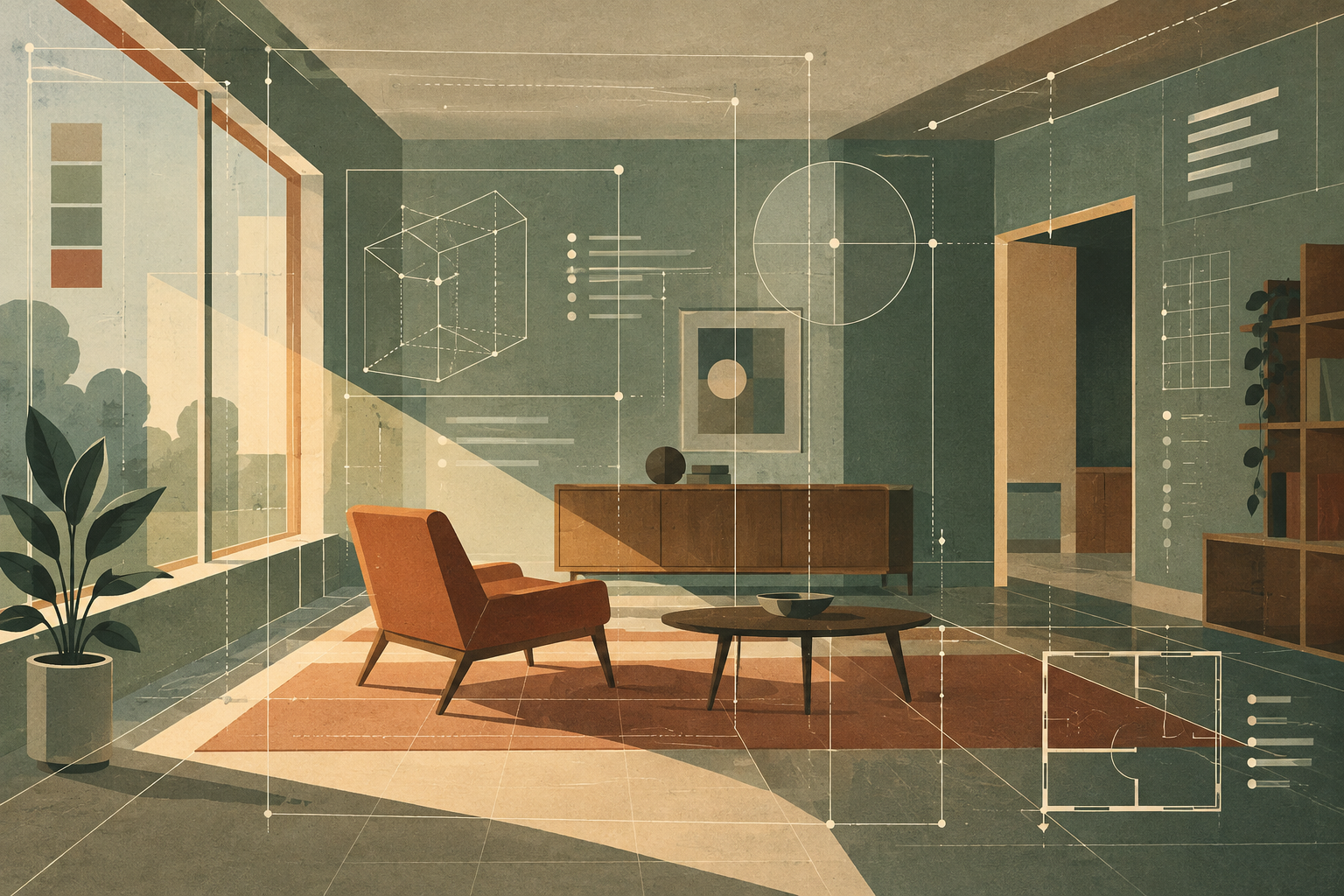
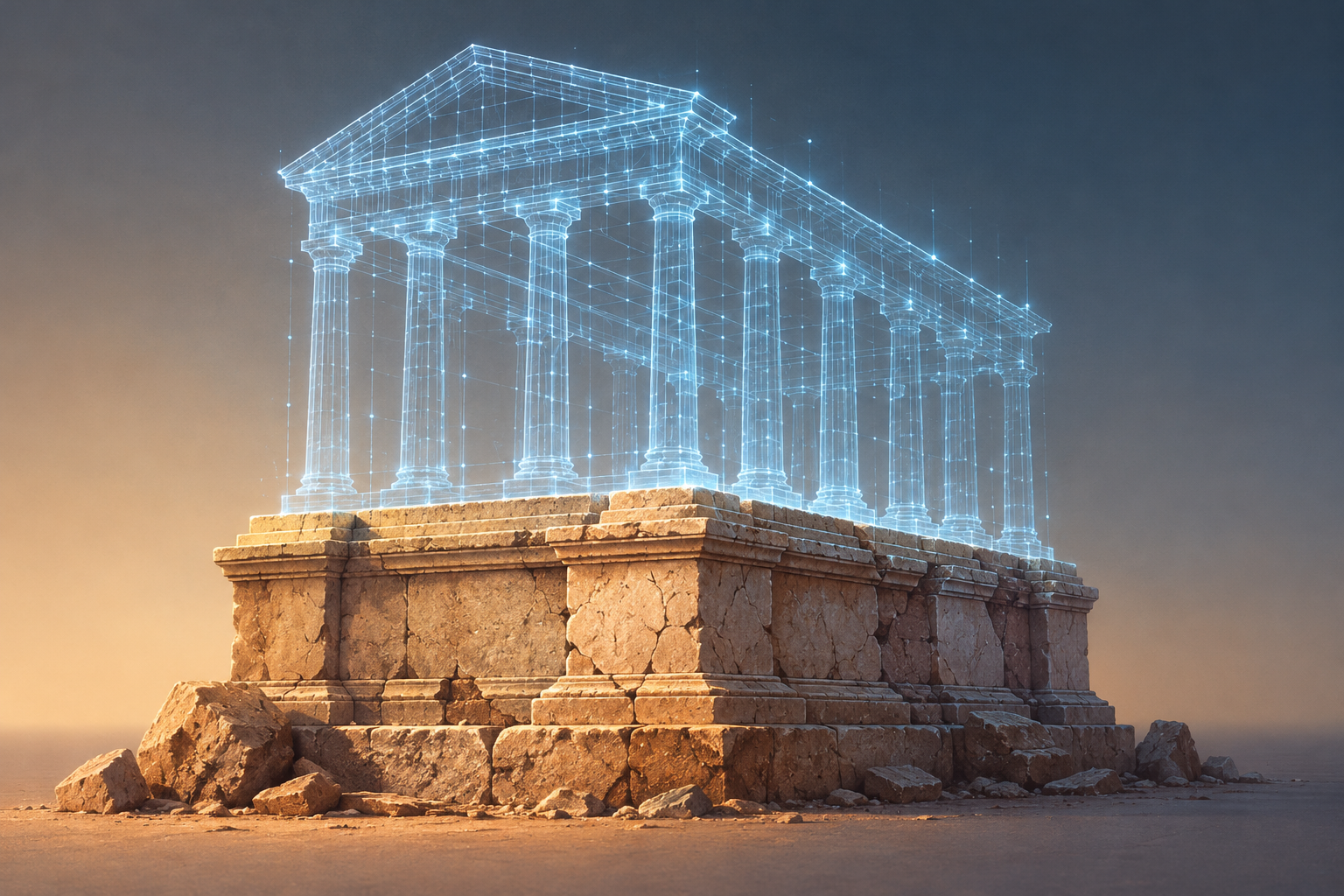
The conservation project of the Ipiranga Museum in Brazil serves as an illustrative example of this transition. The institution developed a large-scale 3D digital model of its structure, an initiative that transcends simple architectural documentation. This model does not only record the dimensions and shapes of the building but also seeks to influence the culture of future generations. Evidence suggests that this practice redefines interaction, allowing the public to explore the space in ways that physical visits do not always allow. It is not about replacing the building but creating an additional layer of access that complements the in-person experience.
What the Model Does Not Capture
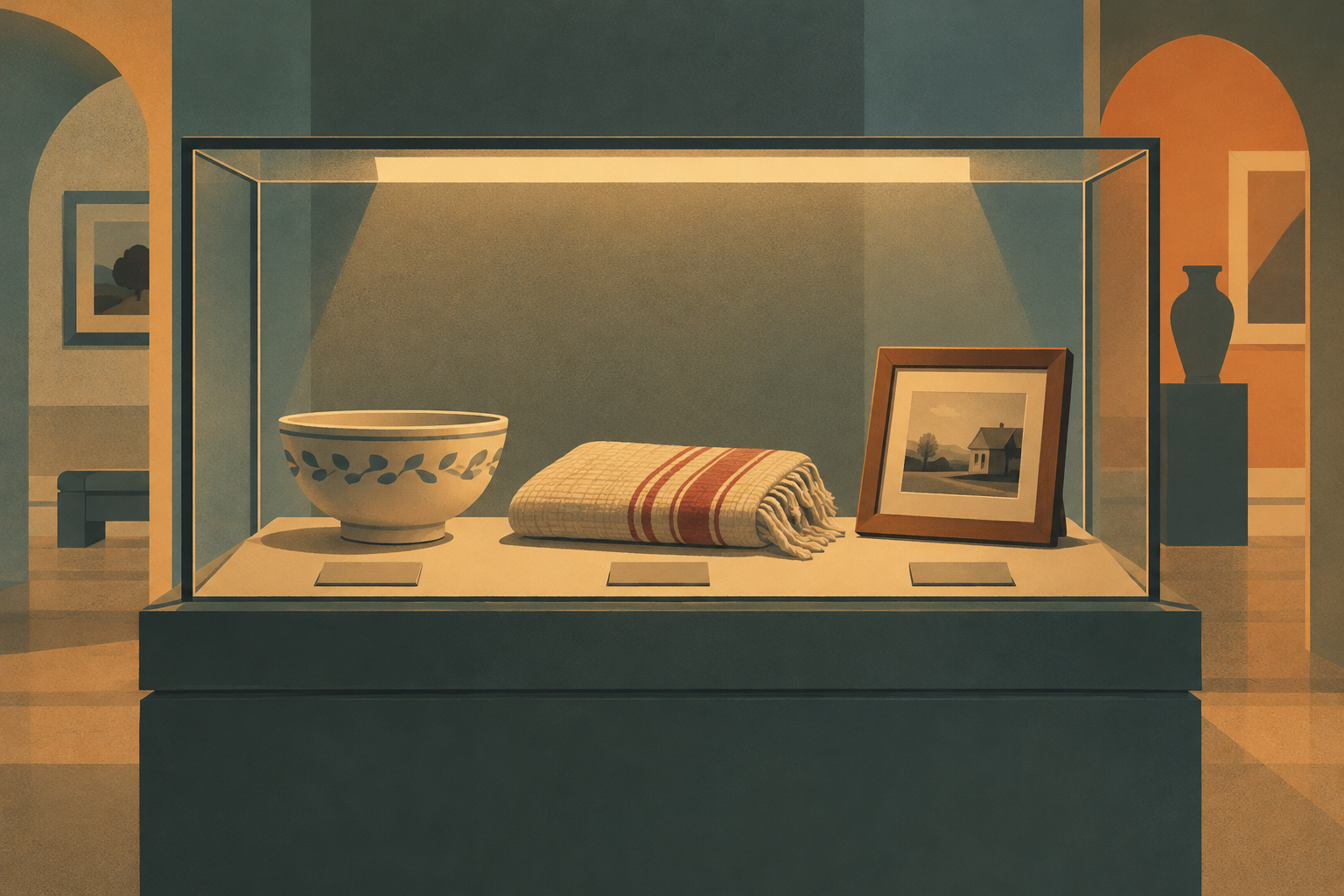
Despite the technical precision of 3D models, there is an insurmountable gap between digital representation and physical reality. Texture, weight, temperature, and the mark of time are sensory aspects that the virtual model cannot fully capture. A retro object is not just a geometric shape; it is an accumulation of use, wear, and historical context. Digitization can replicate appearance but not materiality. This limitation raises a fundamental question: which elements of the object are essential to its cultural value and which can be sacrificed in favor of digital accessibility?
The Dual Strategy of Museums
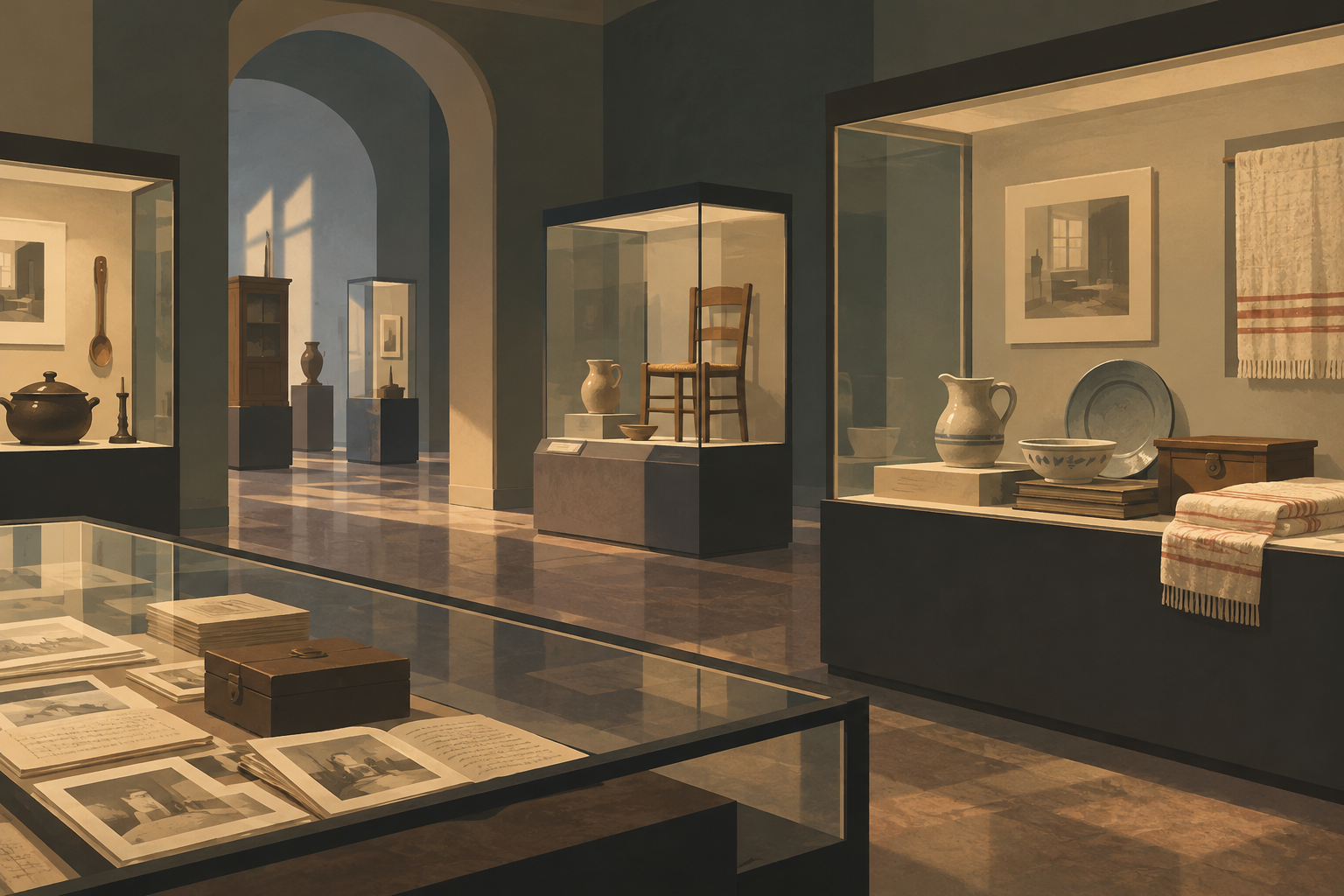
Museums are adopting a dual strategy to navigate this dilemma. On one hand, they maintain the original object, ensuring its physical conservation and authenticity. On the other, they offer digital versions that allow new forms of interaction and analysis. This approach reflects a transformation in conservation theory, where cultural context and accessibility gain weight over mere material integrity. Digitization acts as a bridge between historical memory and contemporary experience, allowing retro heritage to be accessible to broader audiences without compromising the integrity of the original.
The Ethical Dilemma of the Copy
Prioritizing the digital model over the physical object raises a significant ethical dilemma. There is a risk that the copy becomes the primary reference, displacing the original to the background. This could lead to a devaluation of matter and a loss of the emotional connection the public establishes with the real object. To avoid this replacement, it is necessary to establish clear ethical frameworks that define the role of digitization as a complement, not a substitute. Conservation must balance fidelity to the past with the technical possibilities of the present, ensuring that digitization does not erode the authenticity of the heritage.
Context and Accessibility
Digitization is not just a technical tool but a cultural mediation strategy. By making retro objects accessible through digital platforms, museums expand their reach and foster public participation. This is particularly relevant in a global context where physical distance can be a barrier to heritage access. Digitization allows retro heritage to become a shared resource, facilitating research, education, and aesthetic appreciation. However, this accessibility must be accompanied by a critical reflection on what is gained and what is lost in the process of digital translation.
Conclusion
The conservation of retro heritage in the digital age is a dynamic process that requires a careful balance between physical preservation and digital reproduction. The Ipiranga Museum case demonstrates that digitization can enrich the cultural experience but should not replace the materiality of the object. Museums must adopt a dual strategy that values both material integrity and digital accessibility, establishing ethical frameworks that protect the authenticity of the heritage. Ultimately, digitization is a powerful tool, but its value lies in its ability to complement, not replace, the physical experience of retro heritage.
- Decade
- Contemporary
- Region
- Global
- Level
- Enthusiast
- Entities
- Museum, Museo Ipiranga
Sources and references
- DEPARTAMENTO DE CONSERVACIÓN-RESTAURACIÓN ...www.academia.edu · 2026-10-19
- Museo de Arte y Diseño Contemporáneo: orígenes, desarrollo institucional y contexto de un museo en movimientodoi.org · 2026-10-19
- Conservación digital del Museo Ipiranga en Brasilwww.autodesk.com · 2026-10-19
- conservación del arte electrónico: ¿qué preservar y cómo ...www.annetteweintraub.com · 2026-10-19
- Centro de Documentación de Artes Visuales ...www.instagram.com · 2026-10-19