The preservation of video game consoles has moved beyond mere hardware custody to become a comprehensive exercise in cultural documentation. Traditionally, the focus was on the physical state of machines and their cartridges, but current institutions recognize that the heritage value of these devices lies in their ability to evoke specific social and technical experiences. This paradigm shift implies that preserving a console is not just about keeping it operational, but also recording usage practices, original manuals, and industrial design decisions that define it as part of the material culture of entertainment.
The Shift Toward Contextual Documentation
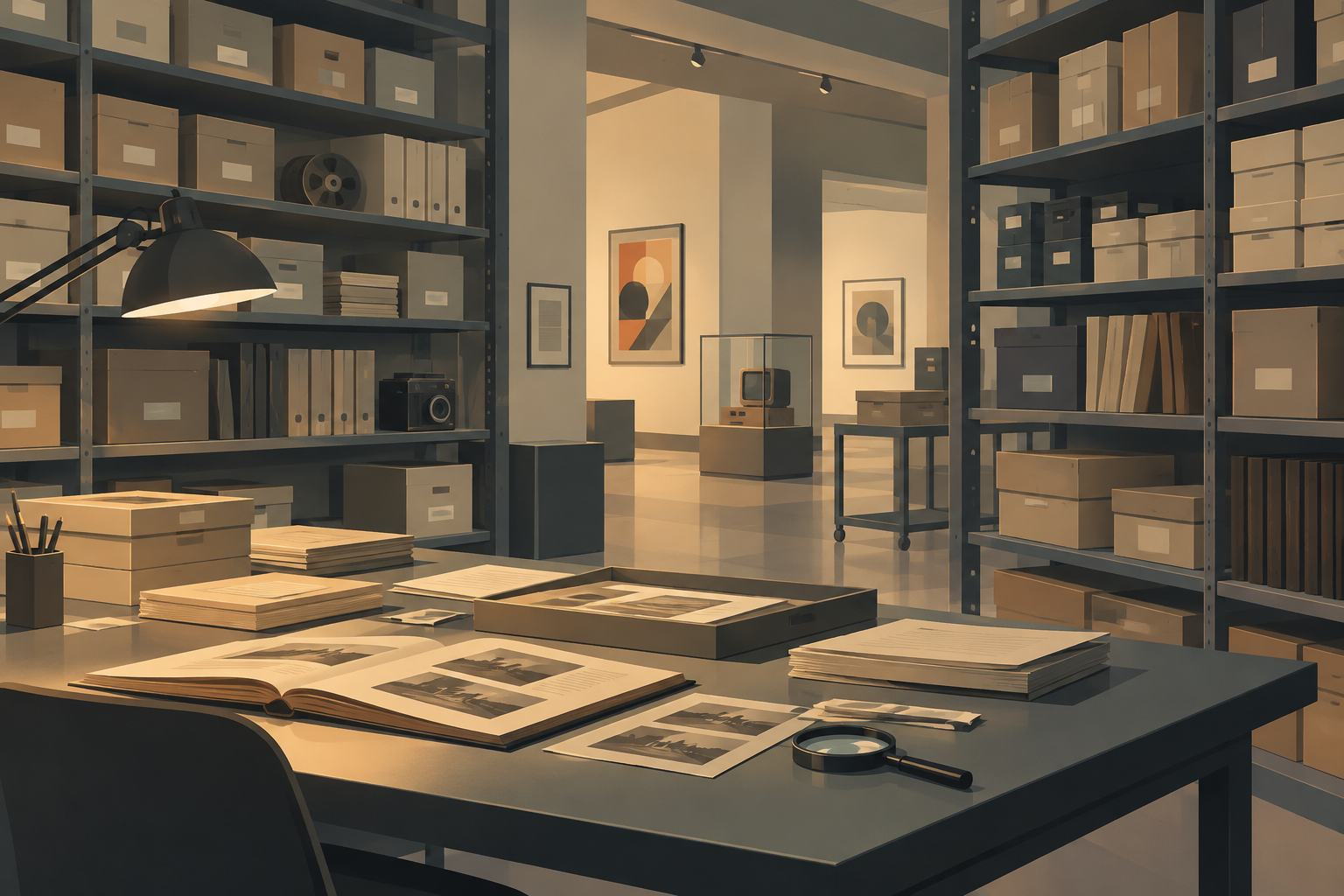
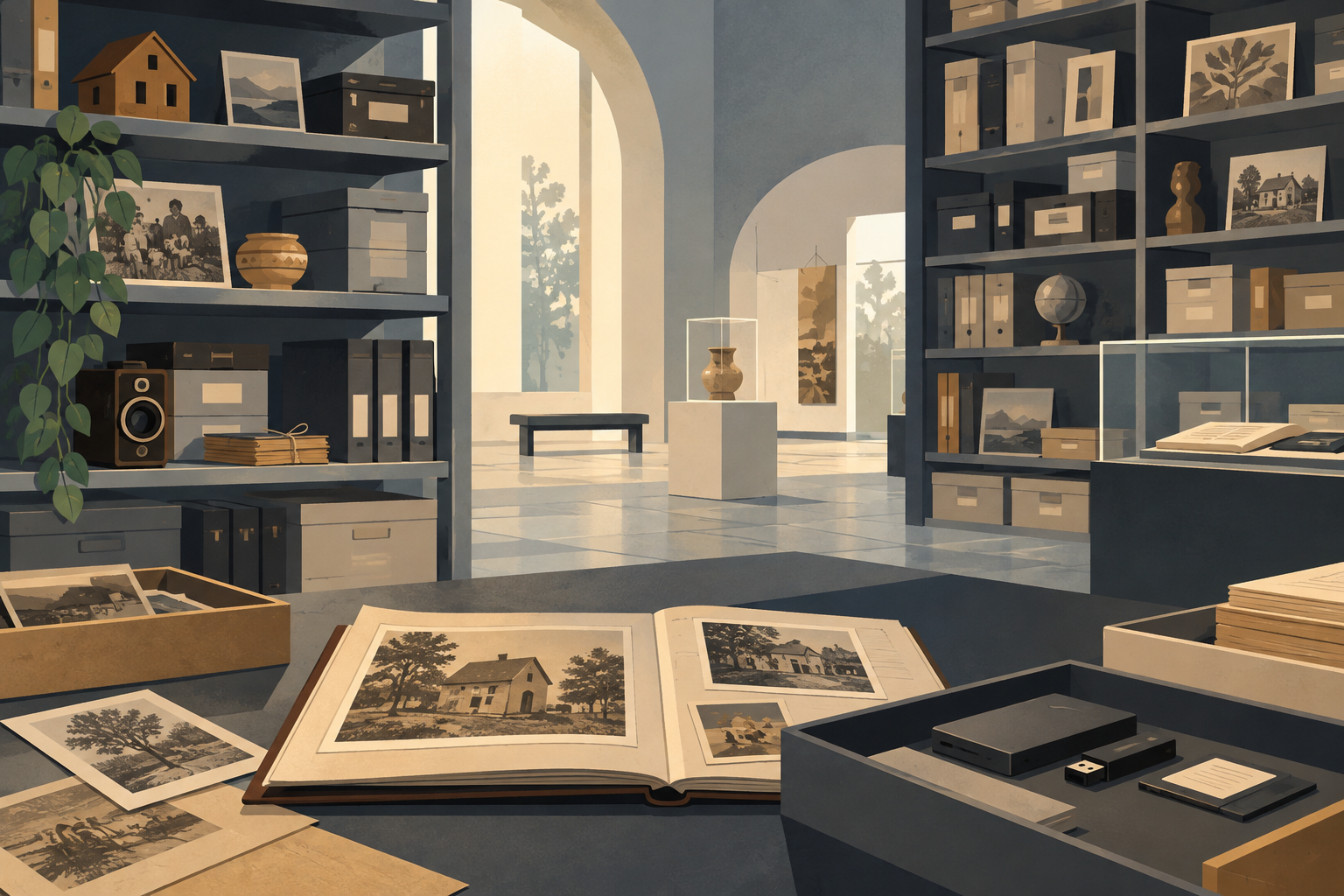
Institutions such as the Video Game Museum in Spain have adopted a strategy that goes beyond collecting machines. Their archive gathers not only hardware and software but also publications, technical documentation, and audiovisual material. This approach responds to the need to maintain playability and, simultaneously, preserve the historical interpretation of the devices. By including these complementary elements, museums allow researchers and the public to understand consoles not as simple technological tools, but as objects laden with cultural significance.
Playability as a Heritage Component
Recent academic studies, such as those by I. Harkai (2022), emphasize that the goal of preservation is not only to conserve the game as cultural heritage but also to maintain its playability. This duality is crucial, as a console without the possibility of being used loses part of its essence as an interactive artifact. Effective preservation therefore requires a balance between the physical conservation of the object and the guarantee that the gaming experience can be reproduced or interpreted in the future. This involves not only the maintenance of electronic components but also the documentation of interaction processes that defined the relationship between the user and the machine.
Industrial Design as Historical Testimony
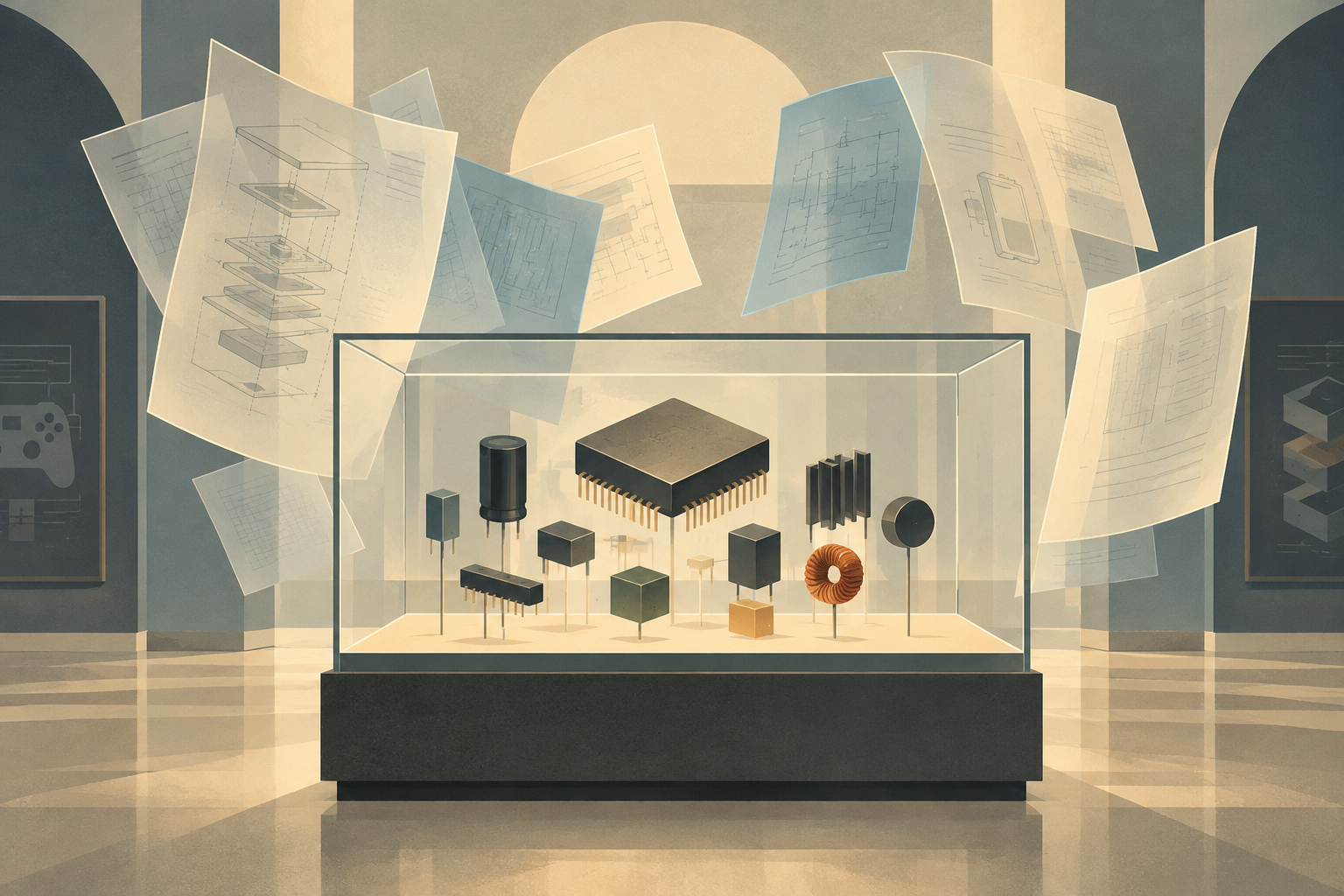
The industrial design decisions of consoles are equally important for their preservation. Aesthetic aspects, ergonomics, and materials used are not mere details but elements that reflect the cultural and technological trends of their time. Documenting these decisions allows historians and designers to understand how consoles were integrated into domestic spaces and how their form influenced their social acceptance. This approach contextualizes the object beyond its technical specifications, placing it in the flow of material culture.
The Role of Archives and Communities
Collaboration between museums, archives, and preservation communities is fundamental to ensuring that these artifacts remain accessible and understandable for future generations. Preservation communities often possess technical and contextual knowledge that complements institutional work. Together, these entities can develop more robust conservation policies that address not only physical degradation but also cultural obsolescence. This joint work ensures that the collective memory associated with consoles is not lost over time.
Challenges in Digital and Physical Preservation
Despite advances, console preservation faces significant challenges. The degradation of electronic components, the scarcity of spare parts, and the complexity of old operating systems are technical problems that require specialized solutions. Additionally, the digital preservation of games and associated documentation raises questions about authenticity and long-term accessibility. Museums must navigate between the need to digitize to facilitate access and the obligation to maintain physical originals as primary evidence of technological history.
Implications for Research and the Public
This comprehensive approach to preservation has profound implications for research and the general public. For academics, contextually documented consoles become primary sources for studying the history of technology, the sociology of entertainment, and material culture. For the public, this documentation enriches the museum experience, allowing a deeper understanding of how consoles have shaped and been shaped by society. Transparency in preservation practices fosters public trust and interest in these topics.
Toward a More Inclusive Preservation
In conclusion, the preservation of video game consoles is evolving toward a more inclusive and contextualized model. By recognizing consoles as cultural artifacts and not just technical objects, institutions are preserving not only the technology but also the social and cultural memory associated with it. This approach ensures that future generations can access not only the machines but also the richness of experiences and meanings they represented in their time. Continued collaboration among various actors will be key to maintaining this trajectory of comprehensive preservation.
- Decade
- Contemporary
- Region
- Global
- Level
- Enthusiast
- Entities
- Museum, Museo del Videojuego
Sources and references
- Punto de control: estado de las políticas de conservación ...www.academia.edu · 2026-10-19
- Preservación de los videojuegos y su papel como patrimonio ...translate.google.com · 2026-10-19
- Museos y videojuegos. La renovación de los espacios ...www.researchgate.net · 2026-10-19
- Qué hacemos | Museo del Videojuegowww.museodelvideojuego.com · 2026-10-19
- La importancia de conservar los videojuegos con Artemio ...www.diariodemexico.com · 2026-10-19
- Preservación de videojuegos: por qué importa el formato ...www.tiktok.com · 2026-10-19
- El Museo y la comunidadunesdoc.unesco.org · 2026-10-19