The museum behind the objects
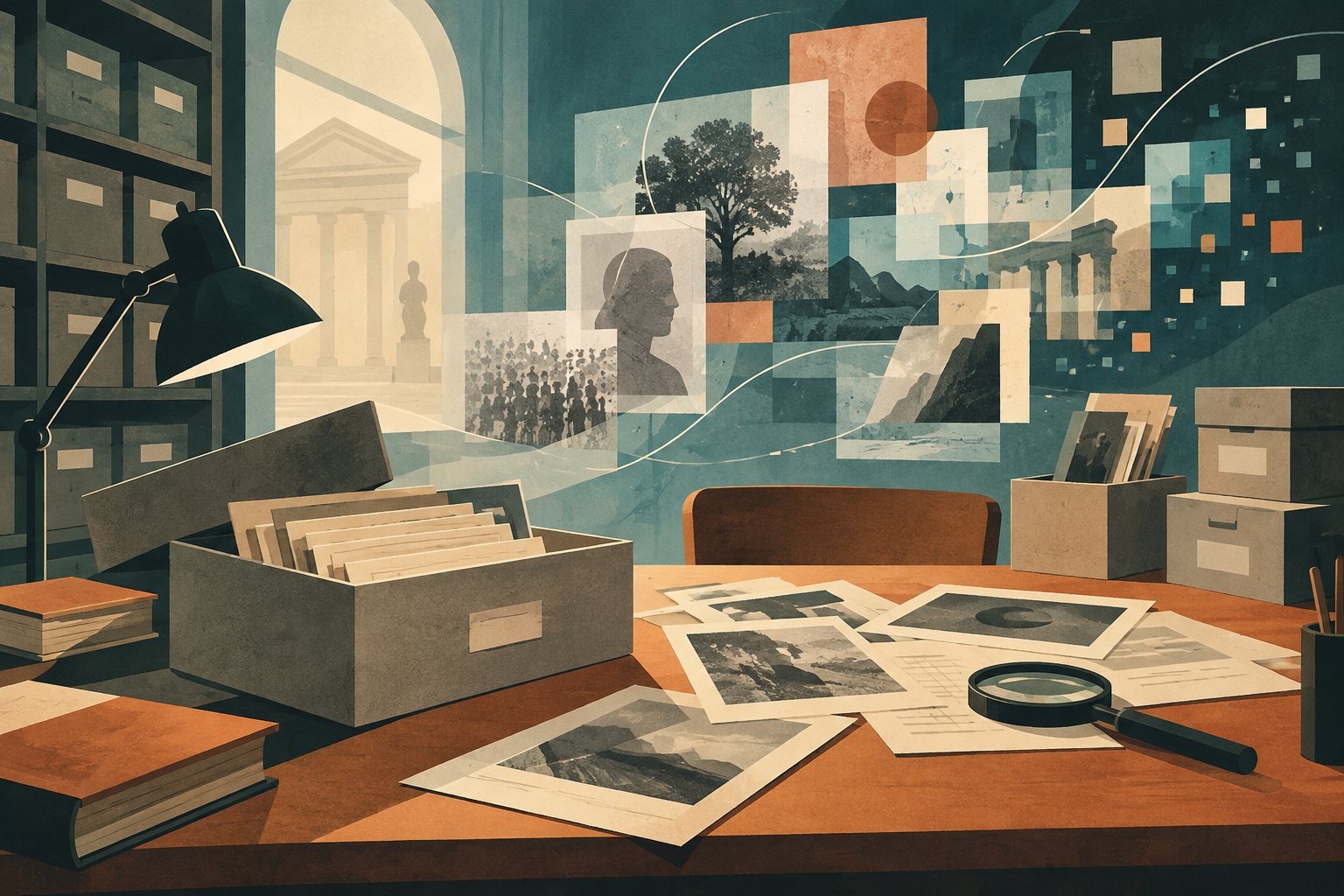
A displayed collection is a visible selection. Behind it are documents that may record the objects’ histories and provide context for studying them. Spain’s Ministry of Culture describes state museum archives as holding documentation about the objects in their care from the moment of deposit. The National Archaeological Museum’s Historical Archive, in turn, presents itself as a research resource for both museum departments and external researchers.
This documentary work changes how we understand a museum. It does not replace the objects or make every document a definitive explanation. It does allow us to ask what is known about an object, where the available information comes from and what remains unclear.
The archive also has an institutional history
The Reina Sofía Museum and the Red Conceptualismos del Sur organise Archivos del común, a biennial gathering that the museum says emerged in 2015 in response to a need connected with archives. The supplied information does not detail all its editions or debates, but it does show that the archive is treated as a matter for public and collective reflection as well as an internal management tool.
The idea of an “active archive” also appears in H. Rivière’s text made available through the Prado Museum. Its title proposes thinking of the archive as a living part of the institution and links this archival turn to the contemporary art museum. That wording invites us not to picture the archive as a motionless storehouse: it is also a place where knowledge is produced. This is an interpretation of the cited proposition, not a comprehensive account of every museum’s practice.
Documentation does not mean preserving everything
The CER.es catalogue brings together collections from museums, centres and institutions covering different subjects. Its existence shows one way of accessing collection information, but it does not establish that every holding has been digitised, that every record has the same level of detail or that an online search can replace direct documentary research.
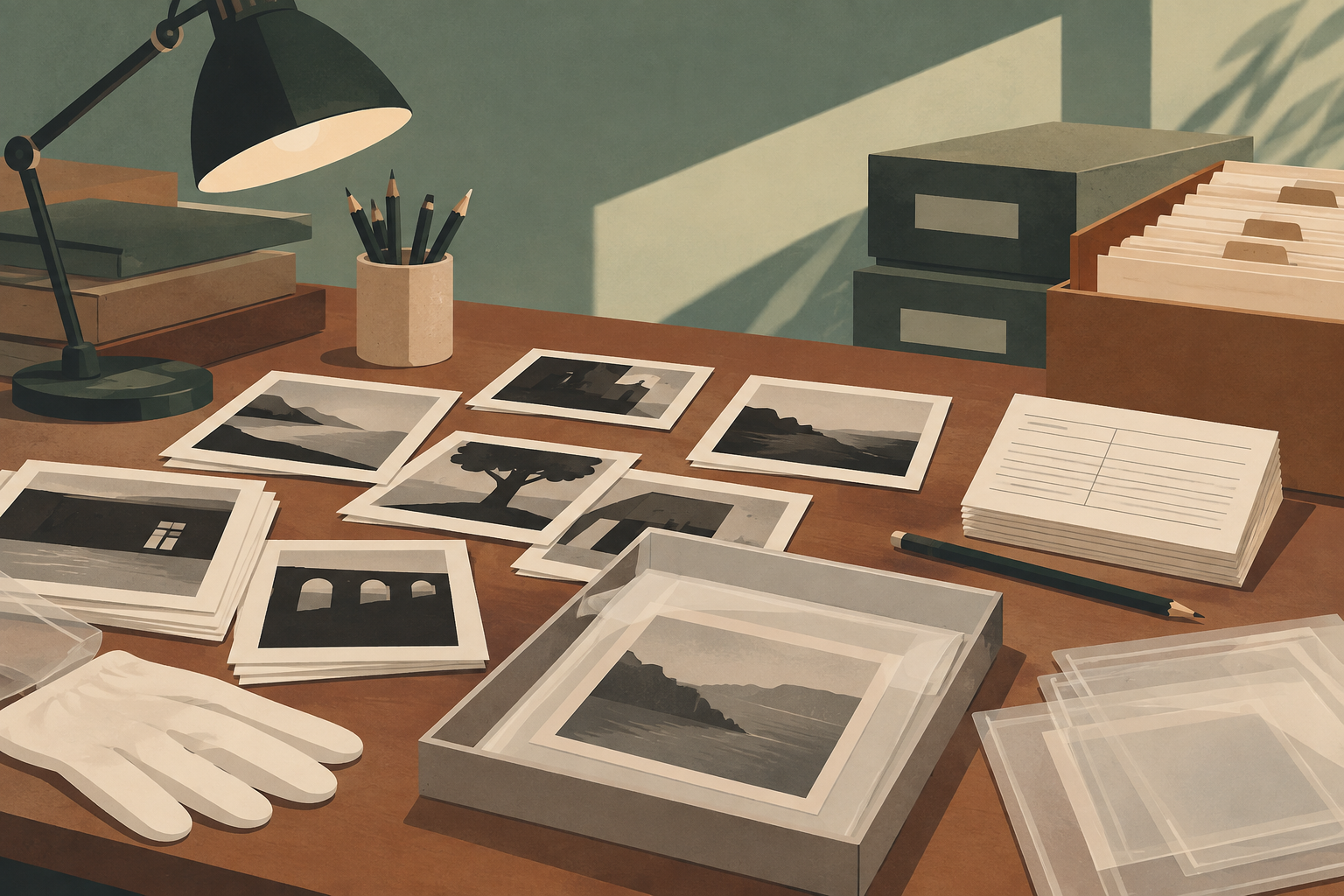
The preservation of documents themselves also matters. A post from the Museo Moderno describes a process that begins by analysing the materials making up a set of activity folders. Within the limits of the supplied information, this example reminds us that archives have specific physical supports and that preserving them requires understanding those supports before intervening. It does not establish a universal protocol for all materials.
Memory, selection and limits
Archiving involves identifying, describing and keeping documents accessible. It is reasonable to interpret these tasks as part of making memory: what is preserved and how it is described affect the questions that can be asked. But the evidence gathered here does not document the specific selection criteria, collection gaps or access decisions of the institutions mentioned. A shared policy should not be assumed.
A scholarly work listed as “Archivo de la Memoria Trans”, by Ana Pereyra, also indicates that archives of memory are being studied. The record supplied does not include the article’s text, so its argument and conclusions cannot be summarised here.
A necessary layer of the museum
The archive is not an administrative appendix separate from cultural experience. It can support research, contextualise collections and make visible that institutional knowledge is built through documents, descriptions and decisions. The examples available point to different functions: research, preservation, collection access and collective reflection.
The cautious conclusion is not that the archive reveals a complete truth, but that it offers material for investigating how a collection’s history has been told—and how it might be told again. This distinction matters to contemporary retro culture: remembering is not only about recovering objects or images, but also about asking what documentation helps us understand them and what remains beyond verification.
- Decade
- Contemporary
- Region
- Spain
- Level
- Introduction
- Entities
- Museum, Museo Arqueológico Nacional
Sources and references
- Archivo de la Memoria Transopenalex.org · 2026-09-30
- ¿Sabías que en el Museo Moderno se realizan procesos de ...www.instagram.com · 2026-09-30
- Archivos del común VIwww.museoreinasofia.es · 2026-09-30
- CER.es Colecciones en Red - Ministerio de Culturaceres.mcu.es · 2026-09-30
- ARCHIVOS DE LOS MUSEOS ESTATALESwww.cultura.gob.es · 2026-09-30
- El «archivo activo» como institución viva. La redefinición ...museodelprado.es · 2026-09-30
- Archivo histórico - | Ministerio de Culturawww.man.es · 2026-09-30