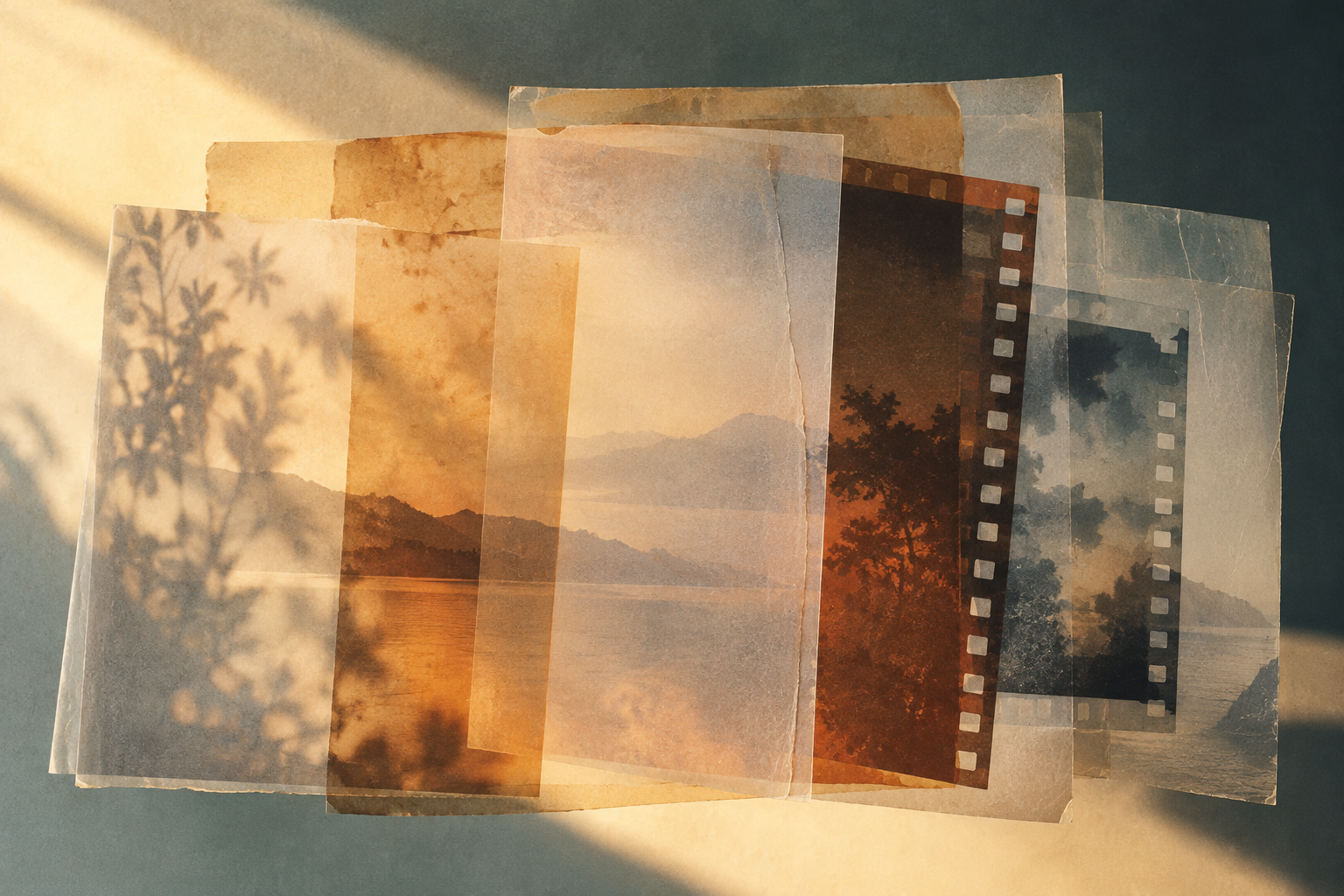
Contemporary photography has ceased to be viewed merely as an optical record, becoming instead an object with a complex material biography. In current museums and archives, conservation no longer limits itself to the chemical stabilization of supports. It has expanded toward a comprehensive understanding of the 'cultural biography' of each piece. This transformation places the photographic object at the center of a debate on how institutions construct and preserve collective memory. Paper, film, or glass are not mere passive containers, but active agents in the transmission of historical and affective meaning.
The Evolution of the Conservation Approach
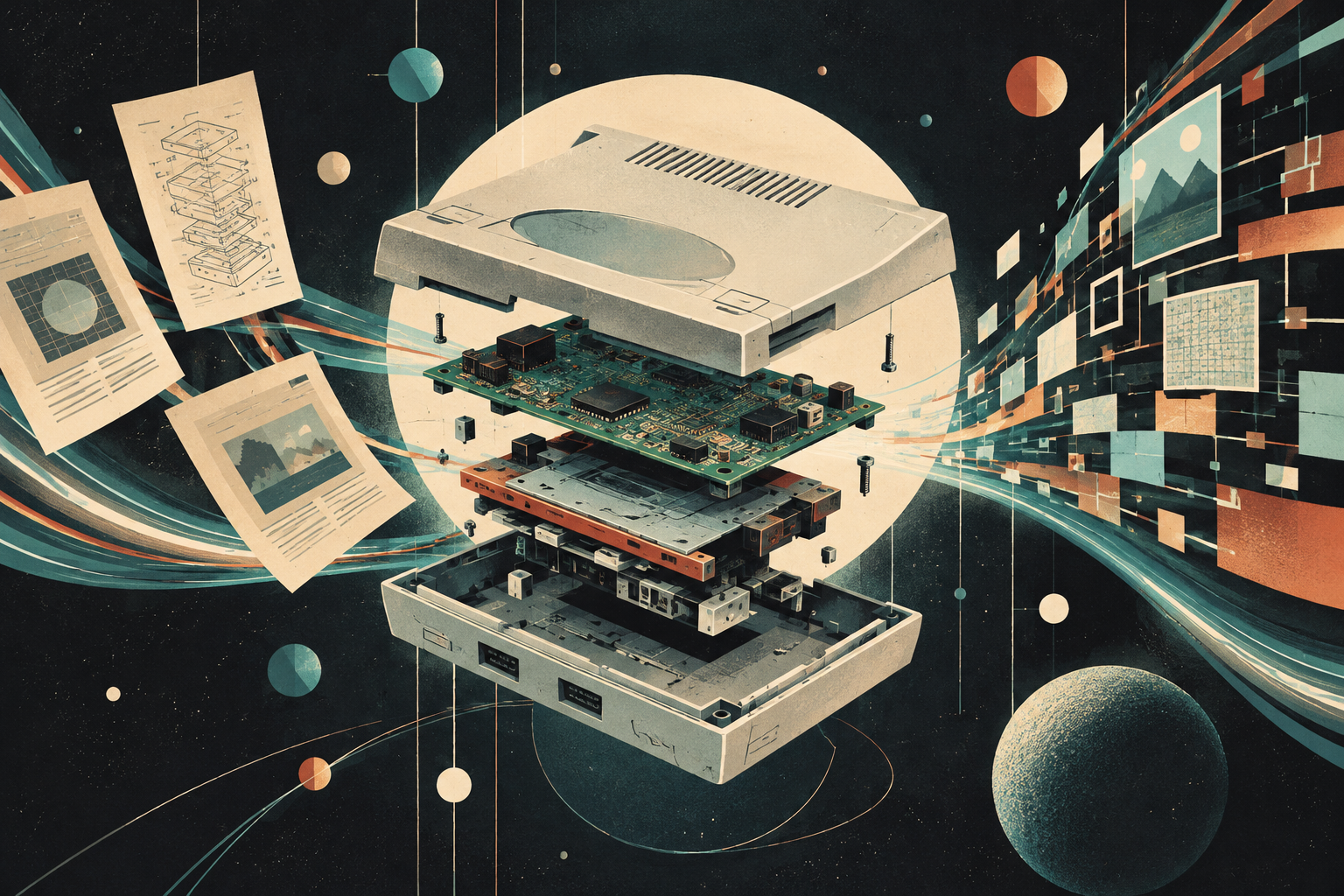
Traditionally, conservation focused on halting physical deterioration. Today, institutions integrate the identification of specific techniques and the analysis of the materialities involved. Training programs, such as those offered by the Museum of Museums in Mexico, emphasize the need to recognize degradation processes affecting the support. This technical approach is the foundation, but not the end. The goal is to understand how technique influences perception and the durability of the image. Materiality defines the viewer's experience and, therefore, preservation strategies must adapt to the intrinsic characteristics of each photographic medium.
The Role of Digitization
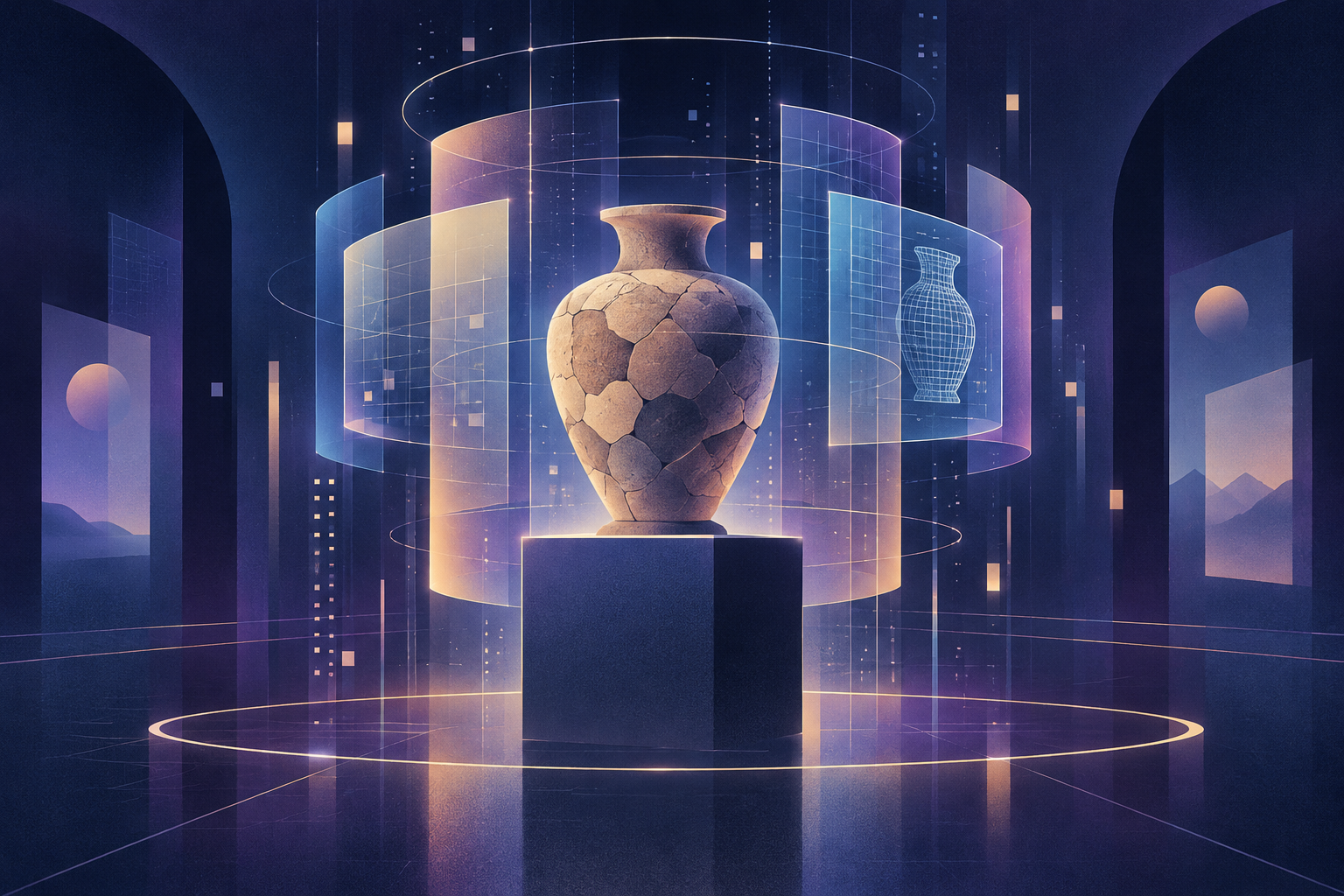
Digitization has introduced an additional layer of access, allowing archives to be 'living' and accessible to global audiences. Digital fund donation projects, such as those received by the Museum of Museums, aim to rescue individual and collective memories through old photographs. However, digitization does not replace the physical object. The digital archive acts as an interface, while the original object remains the primary source of historical truth. The tension between the digital and the physical is central in the current era, where the aesthetics of the database redefine how we understand culture in the museum space.
Context and Provenance
The construction of the museum narrative depends on the rigorous documentation of the provenance and context of each object. Conservators do not just treat the surface; they investigate the object's history. Applying criteria for documentation, inventory, and museum registration allows tracing the piece's trajectory. This interpretive work goes beyond the visual. It involves reconstructing the circumstances of creation, use, and circulation of the photograph. Without this context, the image loses its anchor in the social and cultural reality that originated it.
Affective Memory and Identity
Photographs preserve forms of affection, identity, and everyday life that were often not intended for a museum. Family videos and personal recordings are part of this intangible heritage. Photography captures moments and events that would otherwise be lost, contributing to the preservation of personal and collective history. This affective aspect is crucial for the cultural relevance of archives. Institutions recognize that memory is not just data, but a lived experience that connects people with their past.
Limits of Verification
Although digitization facilitates access, there are limits to what can be verified through digital copies. The original materiality contains information that does not always transfer to the digital format, such as textures, color variations, or specific damages. Furthermore, the interpretation of context can vary depending on the conservator's perspective. The 'cultural biography' is a narrative construction that requires constant critical judgment. There is no single absolute truth, but an interpretation grounded in available evidence and the institution's theoretical frameworks.
Conclusion
The conservation of photography is a constant dialogue between the fragility of the support and the resilience of the memory it carries. By integrating technique, context, and digitization, institutions do not just preserve objects, but construct cultural narratives. This process is dynamic and requires continuous adaptation to new technological and social challenges. Photography, as the skin of memory, remains a vital medium for understanding our shared history.
- Decade
- Contemporary
- Region
- Global
- Level
- Enthusiast
- Entities
- Museum, Museo de los Museos
Sources and references
- Fotografía y archivodoi.org · 2026-10-16
- 📸✨ Un nuevo fondo digital llega al Museo de los ...www.facebook.com · 2026-10-16
- preserva formas de afecto, identidad y vida cotidiana que ...www.facebook.com · 2026-10-16
- Curso Conservación de Técnicas Fotográficaswww.tiktok.com · 2026-10-16
- ¿Cómo se construye el relato de un museo? ¿Qué ...www.instagram.com · 2026-10-16
- 00-CONSERVACION FOTOGRAFIAwww.memoriachilena.gob.cl · 2026-10-16
- Relaciones sociales y relaciones digitales: repensando la ...translate.google.com · 2026-10-16