Preserving a work means more than preventing its material deterioration. In contemporary and digital art, it also matters to record the conditions, documents and relationships that allow us to understand what is being preserved. The available evidence points to two complementary approaches: institutional conservation work and the creation of digital resources that can widen access. Neither, on its own, resolves the central question: how can a work be transmitted without confusing the object, its representation and the context that gives them meaning?
A task that includes transmission
The Reina Sofía Museum is described as both a museum and an art centre, with the conservation and transmission of works among its objectives. This places conservation beyond an isolated technical operation: preservation also means making it possible for a work to remain known and understood. A UNESCO text on contemporary art museums mentions history, appreciation and workshop practice, noting that the balance among these categories varies. The excerpt does not offer a universal method, but it does make clear that workshop practice and historical interpretation are not identical activities.
This distinction matters especially when an object depends on materials or technologies that may stop functioning. In such cases, cultural continuity cannot be secured simply by keeping a piece in good condition. It is also necessary to document what is known about it and how it relates to its time and practices. Documentation does not replace material conservation; it helps ensure that conservation does not reduce a work to an object detached from its history.
The problem of what changes
The label “retro” brings together objects and practices from different backgrounds; it does not describe a single technical category. Likewise, “digital” can refer to works, archives or representations with different requirements. The supplied evidence lists no formats, protocols or specific digital artworks, so it cannot establish how each technical problem is resolved. It does support a broader point: when technology is part of a work, preserving its physical support may not be enough to transmit what made it function or how it was read.
It is therefore useful to distinguish between preserving an object and preserving the conditions for interpreting it. A piece may survive while information about its provenance, use or presentation is lost. Conversely, extensive documentation may provide access to relevant information without keeping the object itself intact. Conservation is better understood as a combination of responsibilities than as a choice between material and archive.
The digital model as access and representation
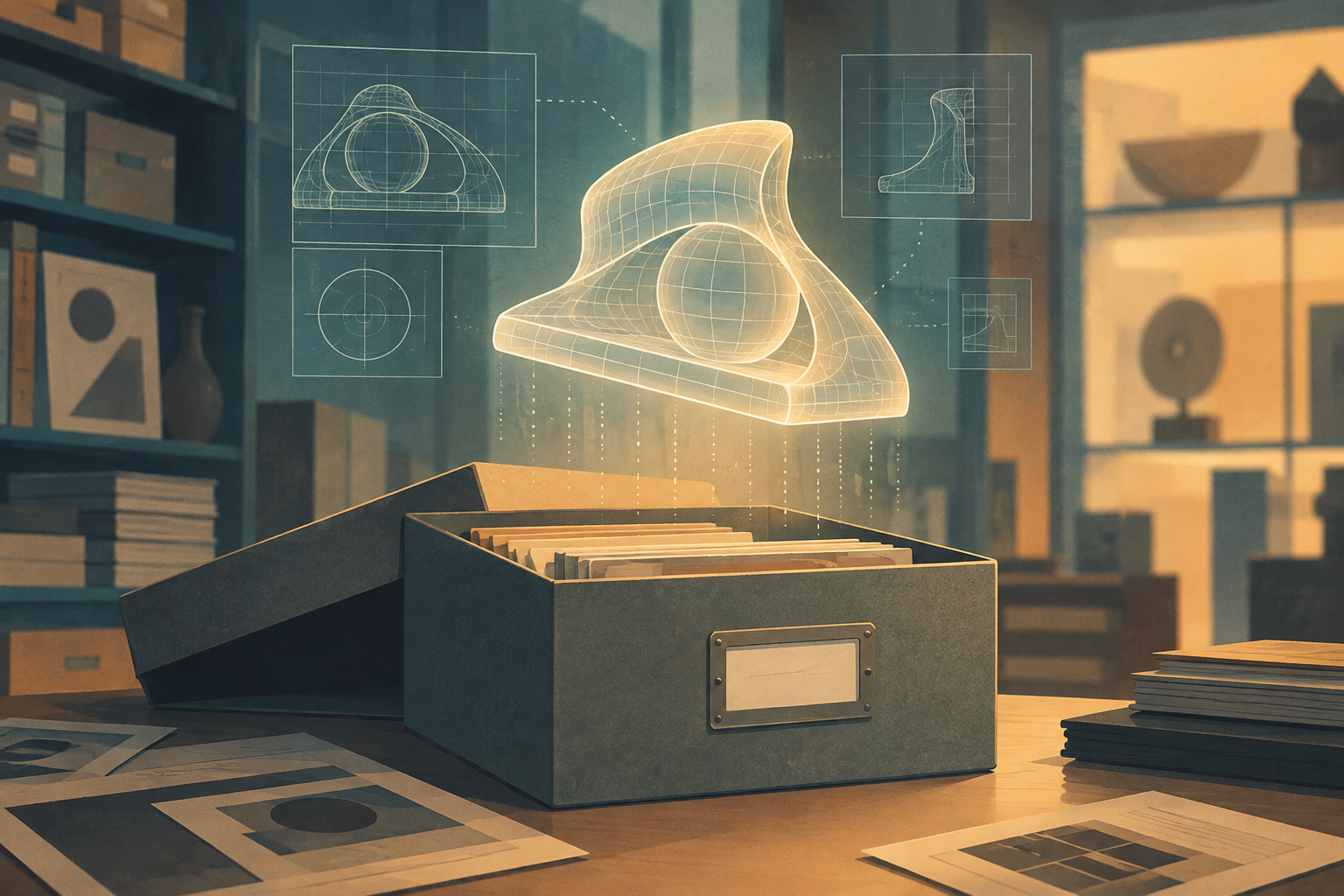
The example of Brazil’s Ipiranga Museum is presented as a digital conservation project using a large-scale 3D model. The associated source says the project could affect the culture of future generations and broaden access to heritage. This supports describing the model as a tool for representation and access; it does not prove that a digital replica preserves every quality of a building or object, or that it replaces the experience of encountering the original.
That distinction is cultural as well as technical. A model enables other forms of consultation, but it selects and translates what it represents. The ability to view a digital form does not automatically convey knowledge of an object’s materials, history of use or conservation circumstances. Expanded access should therefore be understood as a specific contribution, not as a complete solution to preservation.
Documentation completes conservation
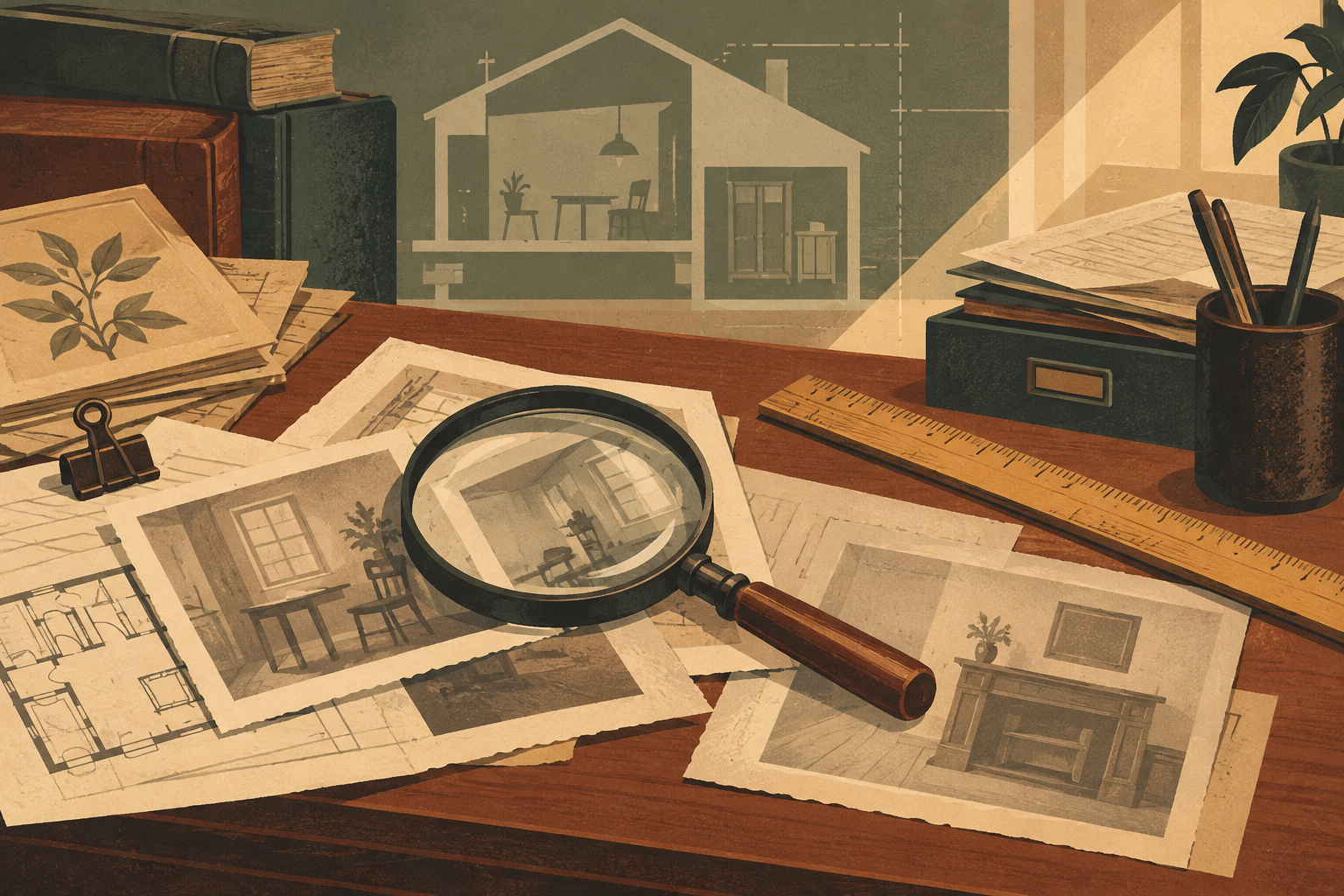
An excerpt on the conservation of electronic art mentions a bibliographic archive and an audiovisual archive that provide context and access to written and oral documentation and primary sources. The reference highlights how preservation can also involve bringing together testimony and documents that explain a work. It does not specify here which collections are included or what procedures they use. Its relevance to this discussion is more limited: it shows that documentary context forms part of the preservation strategies described.
Bringing together different sources does not erase the differences between them. A written document, an audiovisual record and an oral account do not provide the same kind of information. Treating them as interchangeable would obscure some of the very context conservation aims to retain. The task is to keep visible what kind of source is being consulted and what it can—and cannot—establish.
The limits of what can be claimed
The supplied sources are excerpts from pages and publications, not full reports on each project. They do not detail the materials preserved, restoration decisions, available resources or measurable outcomes of the cited examples. Nor do they demonstrate that every institution follows the same approach. It would therefore be unwise to present Ipiranga’s model as a general standard or to attribute specific procedures to the Reina Sofía that its excerpt does not describe.
What can be said is more precise: institutional conservation includes aims of transmission; museum work can balance history, appreciation and workshop practice; and digital and documentary resources can broaden access and context. These points support a critical interpretation, but they do not justify filling gaps with undocumented technical details.
Preservation also means stating what is transformed
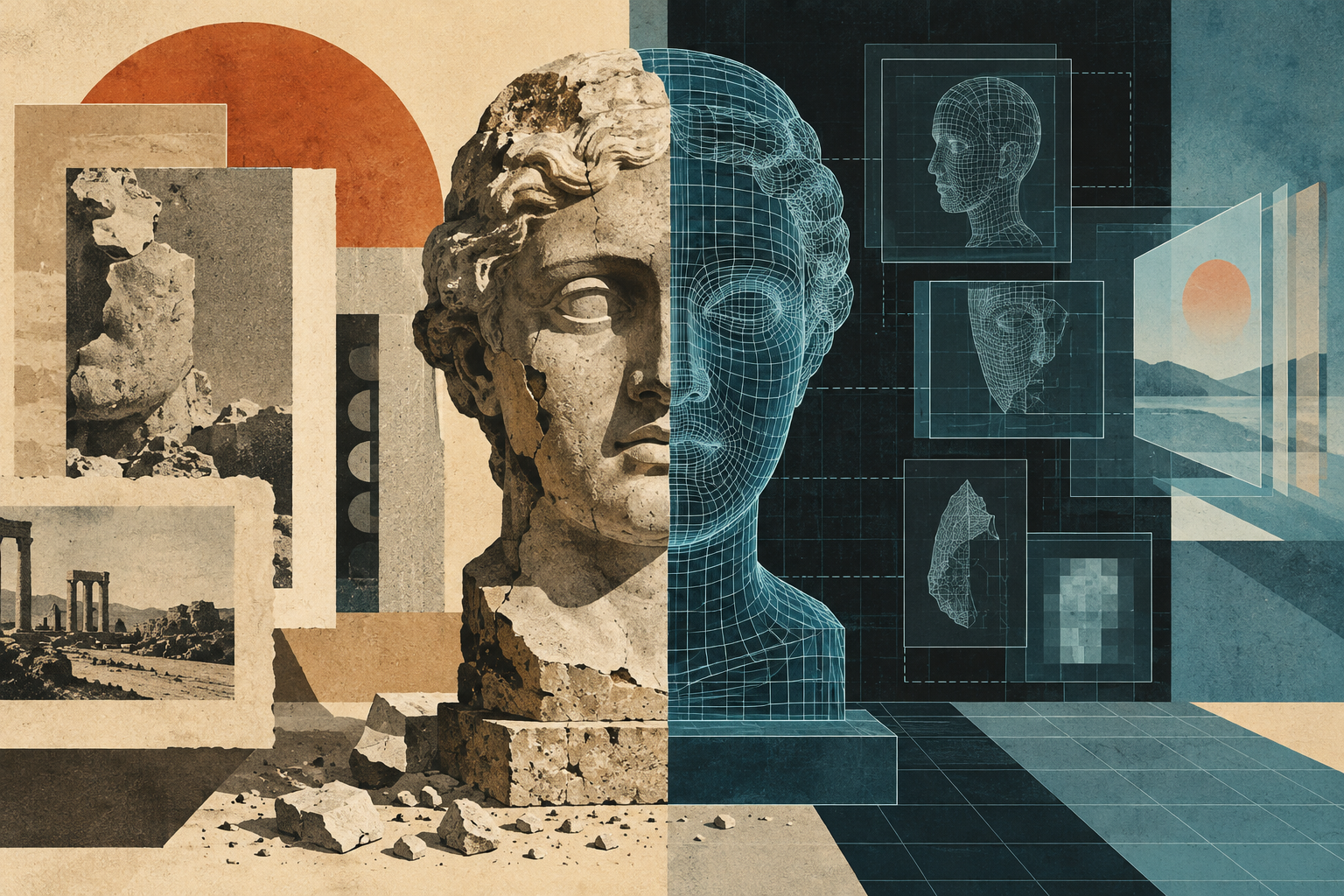
The dilemma is not a contest between a valuable original and a disposable copy. It asks which aspects of a work can be maintained, which are represented differently and what information is needed to make that difference legible. Material, function, documentation and access are connected, but they are not equivalent.
The practical conclusion is that digital models and documentary archives should be understood as complements to the preservation of objects, not automatic substitutes. For retro and digital heritage, preservation means caring for what remains while clearly explaining what changes. Without that distinction, an accessible representation can be mistaken for the complete work; with it, documentation helps transmit both the heritage and the limits of our knowledge about it.
- Decade
- Contemporary
- Region
- Global
- Level
- Enthusiast
- Entities
- Museum, Museo Reina Sofía
Sources and references
- DEPARTAMENTO DE CONSERVACIÓN-RESTAURACIÓN ...www.academia.edu · 2026-10-18
- Museo de Arte y Diseño Contemporáneo: orígenes, desarrollo institucional y contexto de un museo en movimientodoi.org · 2026-10-18
- De casa quinta a Museo. Plan de conservación preventiva para una colección de arte moderno y contemporáneo en el Museo Blanesdoi.org · 2026-10-18
- Restauración de la República y de su museo: mesa redondaunesdoc.unesco.org · 2026-10-18
- Conservación digital del Museo Ipiranga en Brasilwww.autodesk.com · 2026-10-18
- conservación del arte electrónico: ¿qué preservar y cómo ...www.annetteweintraub.com · 2026-10-18
- Prácticas divergentes de preservación del arte de los medioswww.jstor.org · 2026-10-18