A device does not explain itself
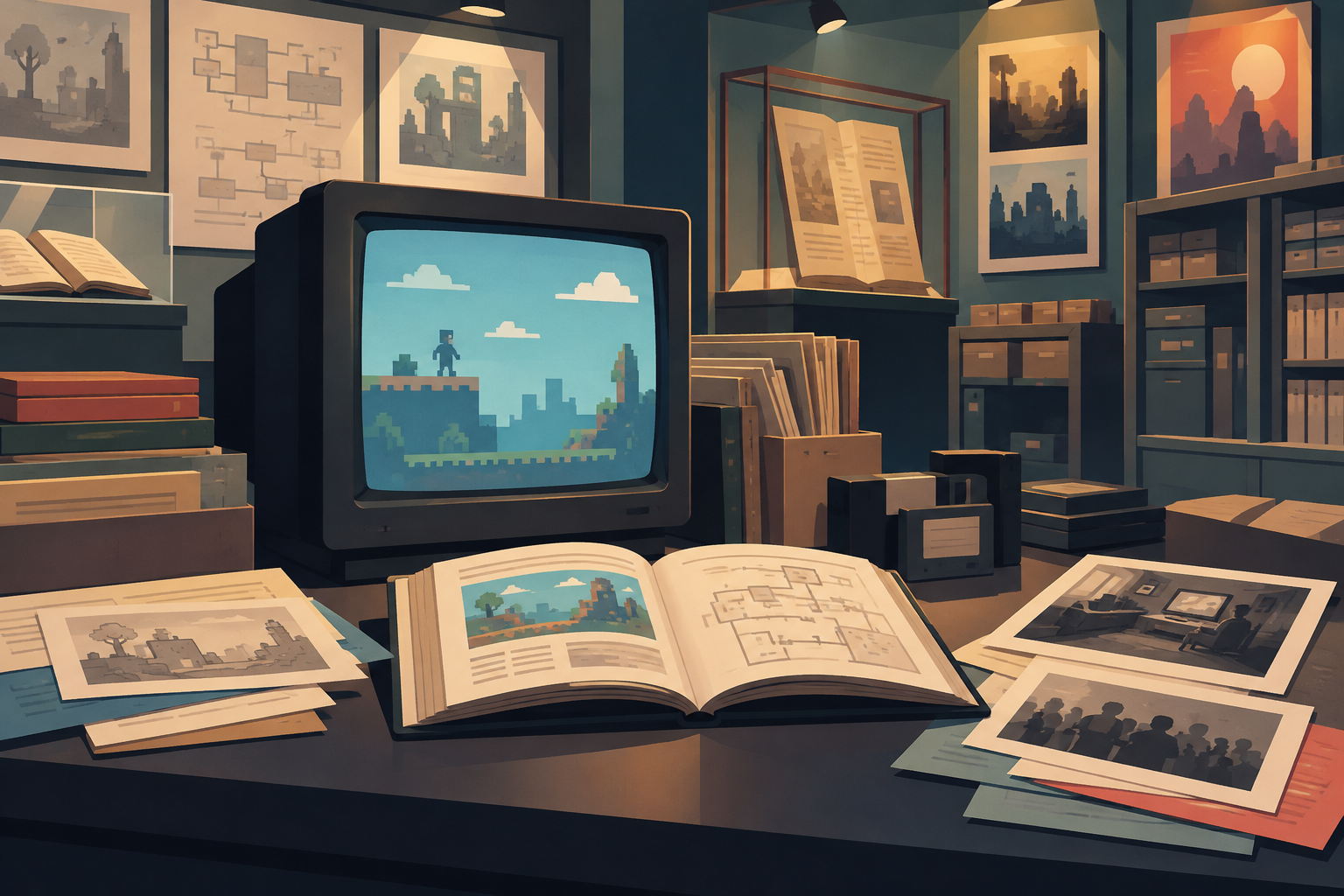
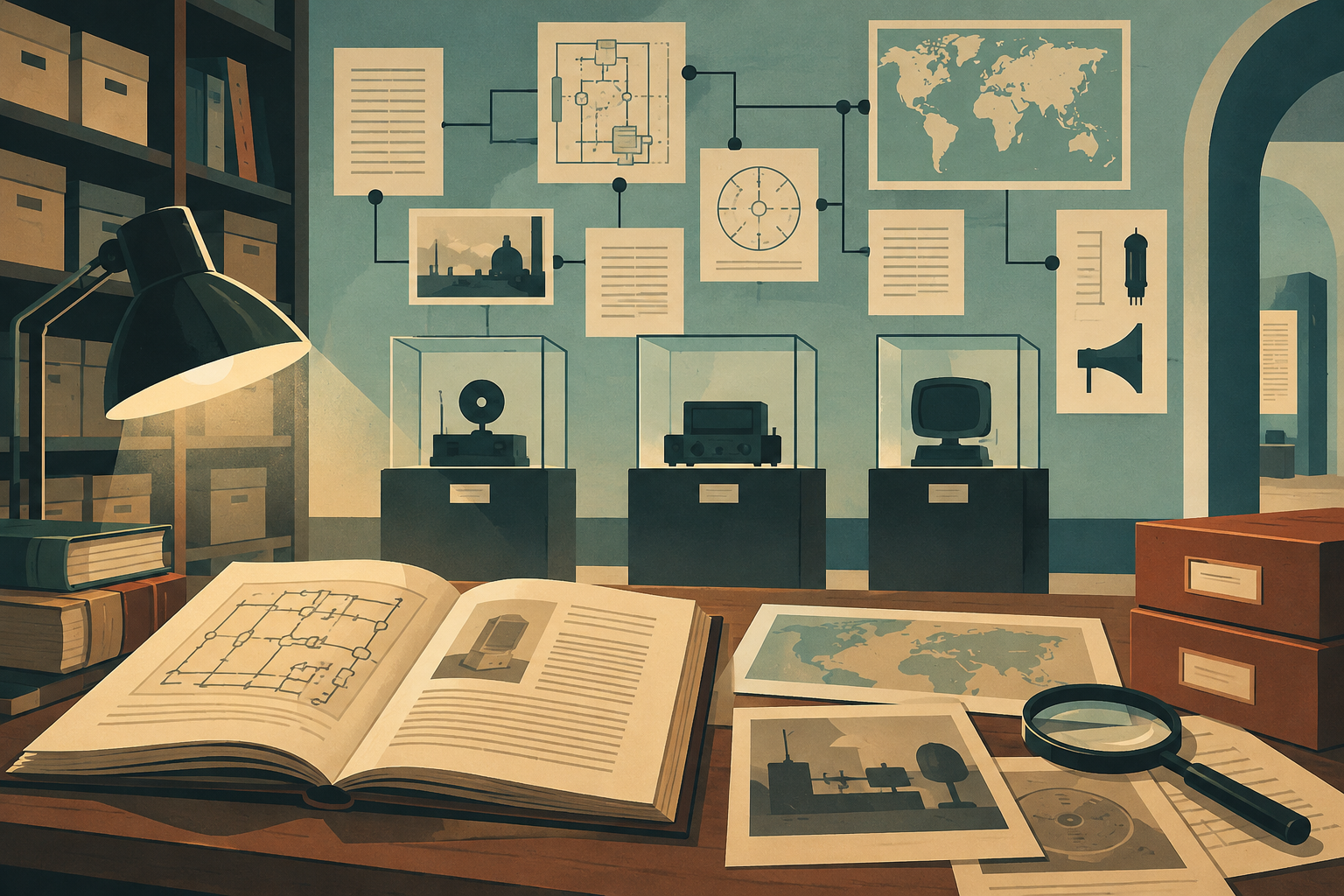
A technological object preserved in a museum may reveal materials, form and components. On its own, however, it does not necessarily explain what it was used for, what it promised to its purchasers, or what its practical limitations were. Answering those questions requires documents and context as well as the object.
Research on archives in science and technology museums emphasizes the role of archives in preservation and dissemination. The National Museum of Science and Technology (MUNCYT) describes its archive as organizing, processing and storing historical and administrative documentation. This places the archive within the museum’s work, rather than treating it as an ornamental add-on.
Documentation and collections
Documents can help establish connections between objects and the institution that preserves them. For example, the description of the National Archaeological Museum’s Historical Archive says that it aims to facilitate public access and provide information tools that are continually reviewed and updated. This is a reference for museum archival practice, although it gives no examples of specific devices.
A careful reading means distinguishing what a source allows us to claim from what it merely invites us to investigate. An administrative record may document institutional activities; a historical archive may provide research tools. The evidence available here does not identify manuals or advertisements for a particular device, so it cannot establish their specific messages, functions or user experiences.
Preservation also means access
Preservation is not limited to keeping documents in storage. The article on archives in science and technology museums connects their role with preservation and dissemination; MUNCYT also describes work in arrangement and document processing. Taken together, these descriptions support a specific point: preserving and organizing material are conditions that enable documentation to be consulted and used in research or public communication.
A book on preventive conservation in archives and libraries offers a broader framework of experiences, methods and policies. It does not deal specifically with technological devices, so it is useful as context for documentary conservation, not as evidence of how a particular object was used.
Digital tools do not remove the need for context
Research on 3D digitization of cultural heritage in museums presents digital technologies as tools for documentation, conservation and dissemination. This supports the observation that digital tools take part in heritage work. It does not, however, establish that a 3D model replaces an object, preserves all its properties, or resolves historical interpretation by itself.
Digital documentation should also be understood as part of a process: what is recorded and how it is described shape what people can consult. The sources provided do not detail technical protocols, formats, selection criteria or comparable outcomes. More specific conclusions would therefore require additional documentation.
What we can say—and what remains open
The sources support the claims that archives contribute to preservation and dissemination in science and technology museums; that MUNCYT organizes and stores historical and administrative documentation; and that 3D digitization is studied as a tool for museum heritage. They also show that archives may provide public-access research tools and that preventive conservation is a field of work in archives and libraries.
They are not enough to reconstruct a device’s everyday experience, its users’ expectations, or the gap between advertising and operation. Answering those questions would require locating documentation linked to identifiable objects—such as instructions, advertisements or usage records—and comparing it with the devices themselves. For now, the conclusion is narrower: understanding technology also means preserving and making legible the documentary traces around it.
- Decade
- Contemporary
- Region
- Spain
- Level
- Introduction
- Entities
- Museum, Museo Arqueológico Nacional
Sources and references
- Conservación preventiva de documentos en archivos y bibliotecas. Experiencias, metodologías y políticasopenalex.org · 2026-10-08
- El archivo en los museos de ciencias y tecnologías | Tábulapublicaciones.acal.es · 2026-10-08
- Archivo histórico - | Ministerio de Culturawww.man.es · 2026-10-08
- Archivomuncyt.es · 2026-10-08
- La digitalización 3D del patrimonio cultural en museosrevistaseug.ugr.es · 2026-10-08