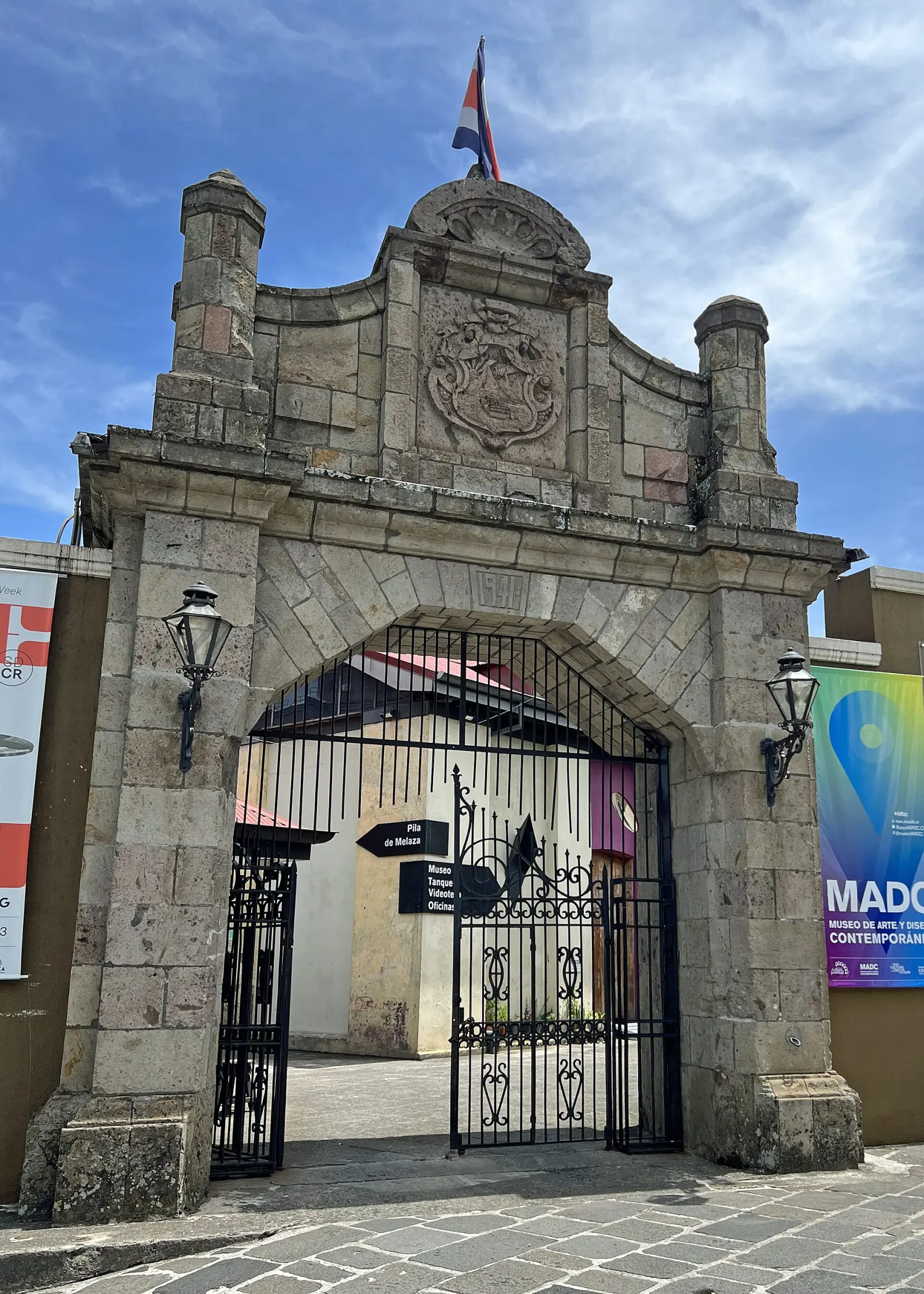
A museum founded amid institutional fragility
Costa Rica’s Museo de Arte y Diseño Contemporáneo (MADC) was founded in San José in 1994, in a Central American context where infrastructure for contemporary art was limited and institutional fragility shaped the field. Its distinctiveness lies in more than bringing works from different disciplines together: from the outset, the museum has had to define what it means for a public institution to connect art and design.
Daniel Soto Morúa’s article, published in ESCENA. Revista de las artes, examines the MADC’s trajectory within Costa Rican cultural policy. It considers the museum’s founding, programmes and curatorial strategies between 1994 and 2019, drawing on bibliography, institutional archives and cultural regulations. The study also critically incorporates the author’s experience as a former chief curator, treating it as a situated perspective to be tested and questioned rather than as a neutral account.
Art and design: a relationship that creates tension
The coexistence of art and design is at the heart of the MADC’s hybrid model. It does not simply place two fields side by side without changing either. The museum works with a boundary that may be permeable but does not disappear: what is recognized as art, which practices fall under design, and how their works circulate, are presented and acquire meaning.
In Soto Morúa’s analysis, the museum operates as a cultural-policy instrument that brings these fields into relation. That work affects its curatorial strategies and the circulation of works. Disciplinary tension is therefore not a problem the museum can settle once and for all; it is an active condition of its work, requiring categories to be revisited and decisions to be made about which relationships become visible in each programme.
The description of the MADC as a “museum in motion” captures this changing identity. It is not defined by an unchanging formula, but by negotiation among disciplines, regional context and institutional decisions. Its experimental character creates possibilities, while also exposing the fragility of the structures that support its projects and capacity to act.
A history shaped by reconfiguration
The period from 1994 to 2019 makes it possible to understand the museum’s development as a sequence of decisions, programmes and adjustments, rather than the linear execution of a single plan. The study connects this institutional history to Costa Rican cultural policy and to the regional conditions in which the MADC has operated. The museum’s relevance, then, does not lie in erasing the difference between art and design, but in working with that difference as a curatorial and institutional question.
The article concludes that the MADC has had a significant impact on the museum field in Costa Rica and Central America. This assessment sits alongside its recognition of structural vulnerabilities: the ability to experiment does not remove the conditions that may limit an institution’s continuity or room for action. The case helps distinguish innovation from automatic success. Creating new relationships between disciplines can be a substantial contribution while still depending on a fragile institutional foundation.
Changing the framework without erasing distinctions
The MADC is not a retro reinterpretation of a historical product, but a contemporary institution that works with inherited categories and places them in relation within a specific context. Its trajectory invites a broader understanding of museum innovation than simply adding new exhibition formats: innovation can also mean reconsidering how disciplines are organized, which practices are connected and which cultural and institutional conditions give those connections meaning.
In this process, design is not a decorative addition to an art collection; it is a constituent part of the museum’s identity. The MADC turns a disciplinary boundary into a space for work and debate. Its identity “in motion” names both this capacity for reconfiguration and the tension between experimental ambition and the vulnerabilities that accompany its development.
- Decade
- Contemporary
- Region
- Latin America
- Level
- Introduction
- Entities
- Museum, Museo de Arte y Diseño Contemporáneo, Museo de Arte y Diseño Contemporáneo (MADC)
Sources and references
- Conservación del patrimonio y sostenibilidad en museosdoi.org · 2026-11-02
- Museo de Arte y Diseño Contemporáneo: orígenes, desarrollo institucional y contexto de un museo en movimientodoi.org · 2026-11-02
- De casa quinta a Museo. Plan de conservación preventiva para una colección de arte moderno y contemporáneo en el Museo Blanesdoi.org · 2026-11-02
- Centro Cultural de San Marcoswww.facebook.com · 2026-11-02
- El proyecto FutureMuseum: ¡Aporta tu voz al futuro de los ...translate.google.com · 2026-11-02