DATABASE / SEARCH

Explore

Archive of technology, entertainment and everyday life

analysis · 1970

From Phonograph to Walkman: What Changes When Music Becomes Portable

A cautious reading of two documented moments in the history of recorded music: the Museu de la Música de Barcelona’s acquisition of phonographs and gramophones in 1970, and the Walkman’s introduction as a portable stereo player in 1979. The comparison highlights changes in scale and use without mistaking the available evidence for a complete history of the format.

Open story
analysis · contemporary

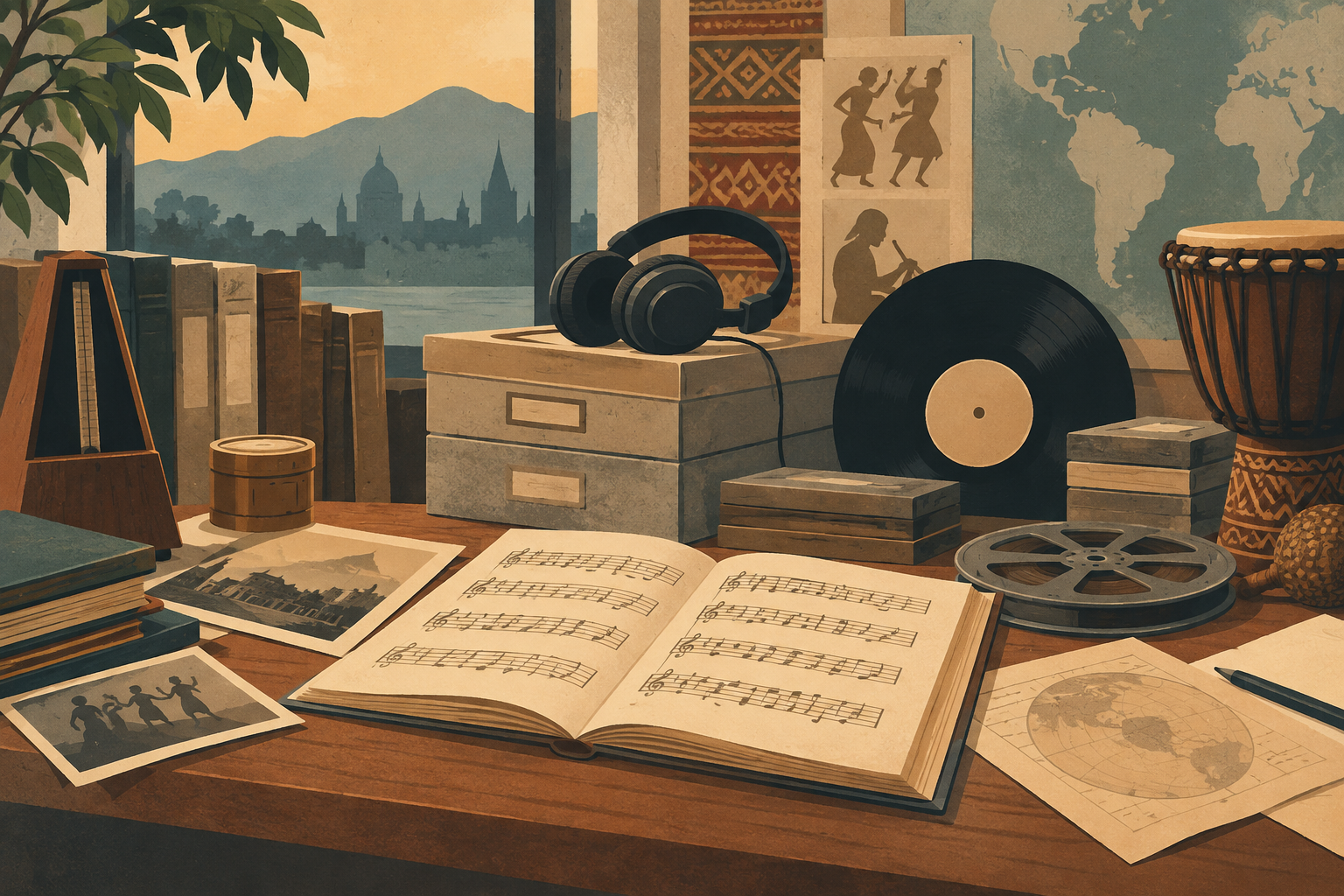
What Do We Preserve When We Preserve Music?

Music leaves traces in scores, recordings, archives and living practices. Looking at musical heritage shows why preservation must attend to documents as well as their contexts, uses and forms of dissemination.

Open story
analysis · 1970

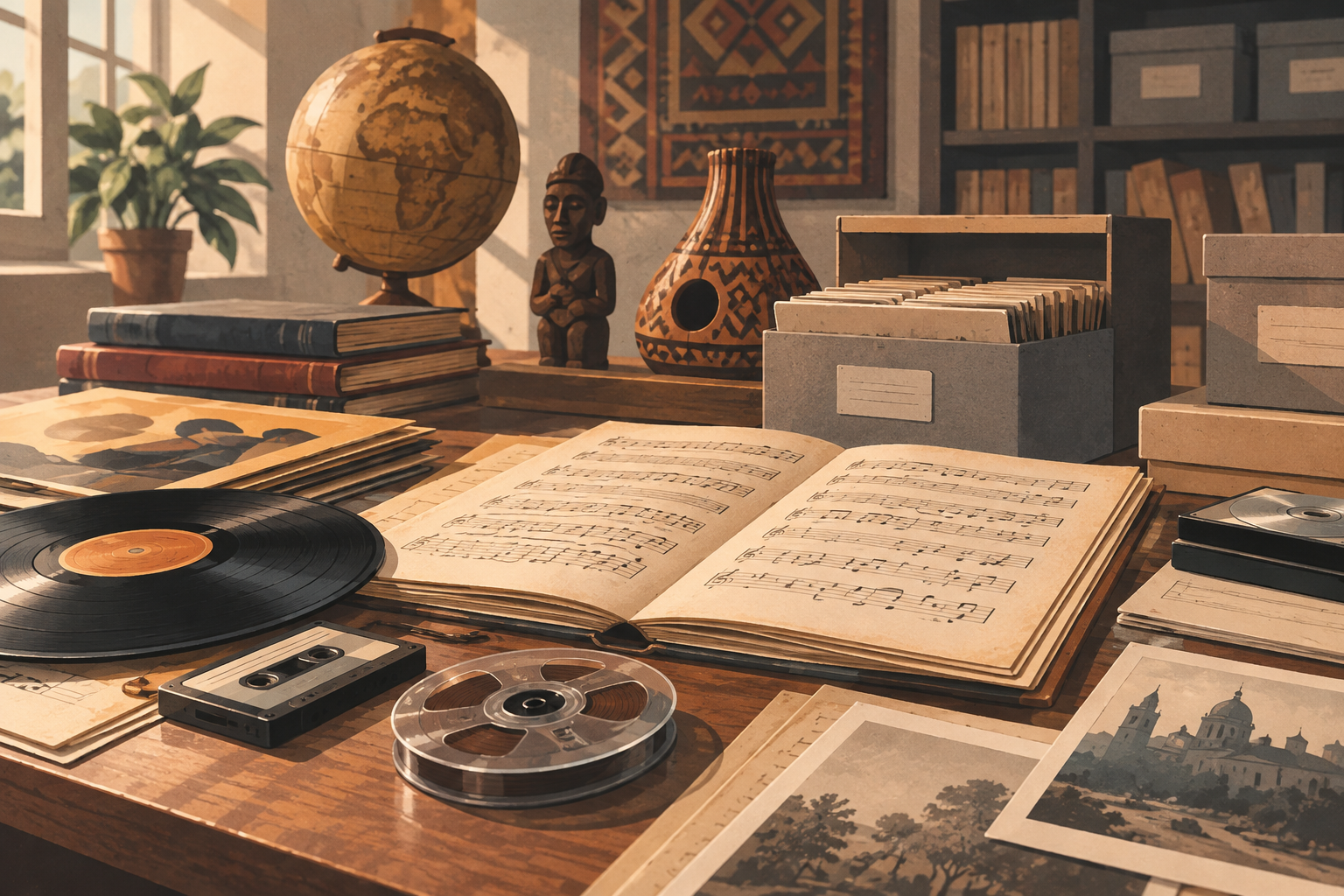
From Cassette to Smartphone: A Careful History of Portable Listening

The supplied sources outline a journey through music recording and playback in which the cassette, Walkman, MP3 players, distribution platforms, and smartphone changed the conditions of listening. The case also requires distinguishing popular chronologies from what these references actually allow us to establish.

Open story
analysis · contemporary

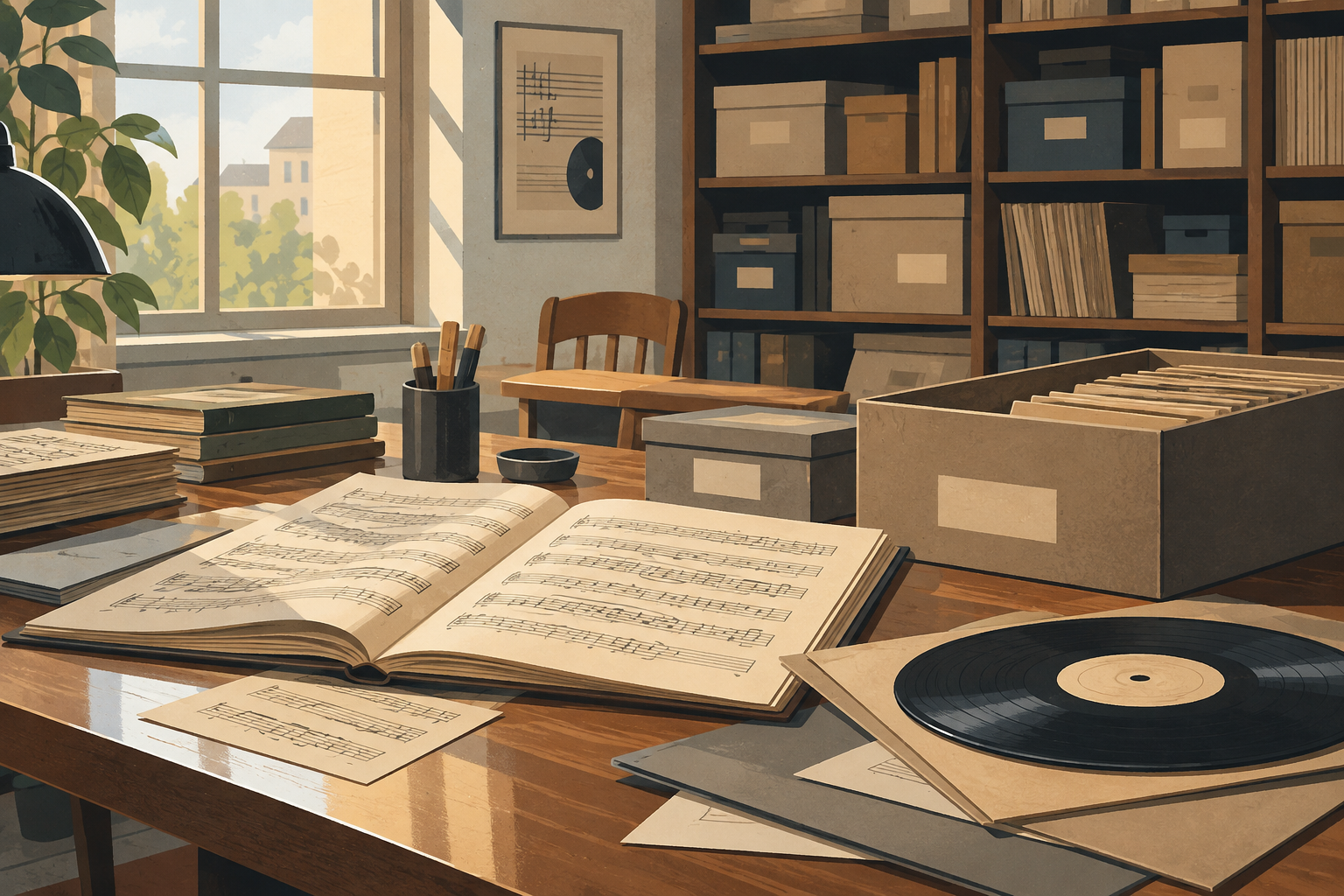
Preserving Music Is Not Just Storing Sound

Archives, scores, recorded media and documentation of musical activity form a heritage that requires context, cataloguing and routes of access. Drawing on institutional and academic sources, this analysis explains why preserving music is not simply a matter of digitisation.

Open story
analysis · 1970

Walkman: Private Listening in Public

The available evidence places the presentation of Sony’s Walkman in July 1979 and describes it as a portable stereo player associated with lightweight headphones. This analysis considers what that documentation supports, why the object matters to the cultural history of listening, and which questions require further sources.

Open story