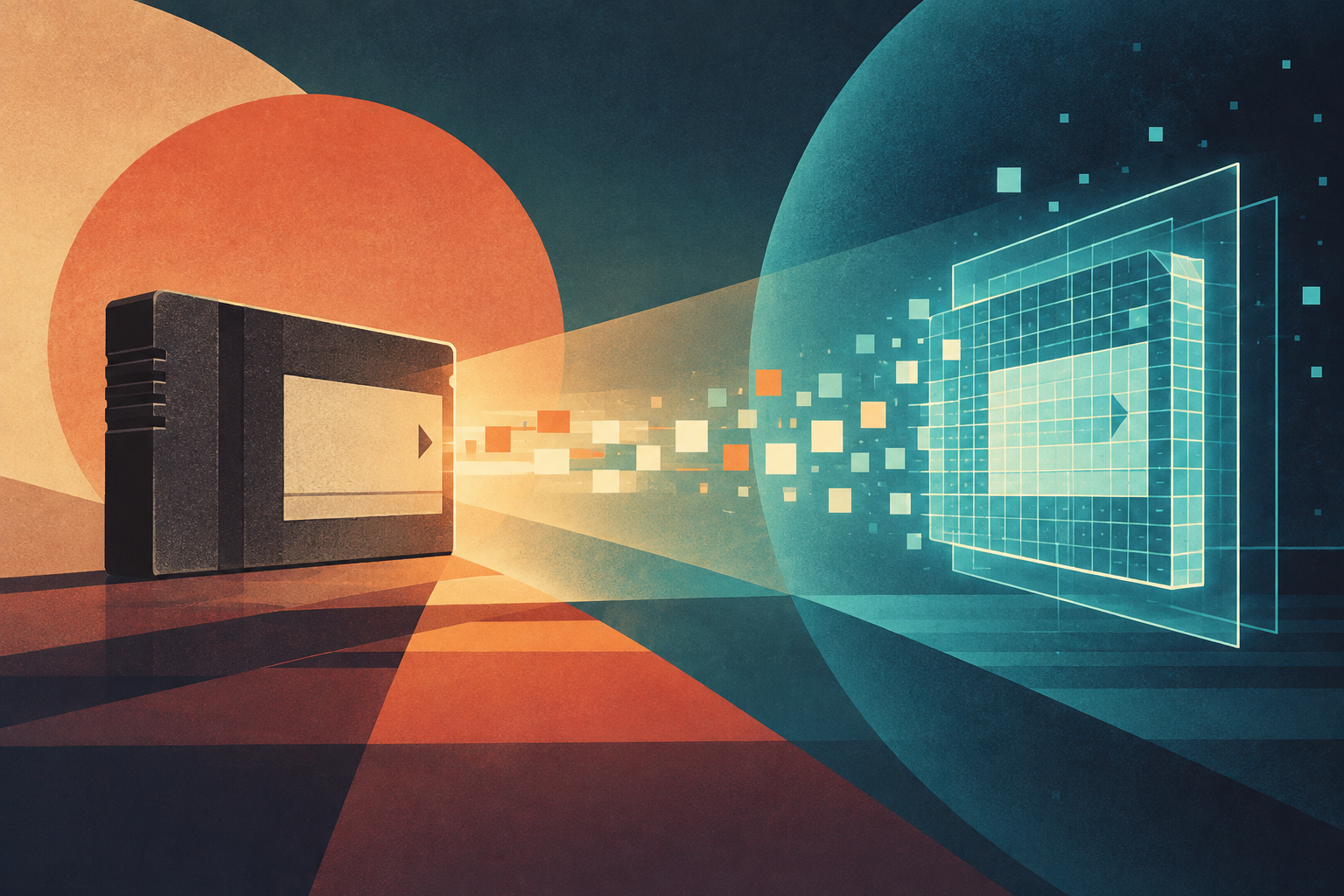
The preservation of retro objects has ceased to be an exclusively physical task to become an exercise of cultural interpretation. In the contemporary context, institutions do not only seek to maintain the material integrity of the pieces but also to ensure their accessibility and historical relevance. This paradigm shift is observed in museums that integrate digital archives and cultural contexts to define what is preserved and how. The goal is to prevent the object from becoming an isolated relic, transforming it into a living testimony of the era that saw it born.
The value of information over matter
The value of a retro object does not reside solely in its materiality, but in the information it carries about its historical context. Institutions like the Reina Sofía Museum, in its dual condition as a museum and art center, have among their objectives the conservation and transmission of works. This implies that preservation is not an end in itself, but a means to facilitate the understanding of art and culture. Evidence suggests that current museums seek to balance historical appreciation with knowledge transmission, using the object as a starting point for reflection.
Digitization as an access tool
Large-scale digitization offers new ways to access pieces without damaging them. Projects like the digital conservation of the Ipiranga Museum in Brazil, which uses a large-scale 3D model, demonstrate how technology can facilitate the study and dissemination of objects. This approach allows the public to interact with the pieces safely, reducing the risk of physical deterioration. 3D modeling thus becomes a key tool for preservation, allowing detailed documentation that complements the physical existence of the object.
The challenge of obsolete technology
One of the most significant challenges in the conservation of retro objects is technological obsolescence. When the original technology ceases to be functional, the question arises of what is preserved and how. In the case of electronic art, for example, conservation requires not only maintaining the hardware but also the bibliographic and audiovisual archives that provide context to the work. These archives provide access to written, oral, and primary source documentation, ensuring that the artist's intention and the context of creation are not lost.
Cultural context and collective memory
Each object custodied in a museum is a tangible testimony of history, cultures, and human experiences. Preserving also implies preserving the cultural context in which the object was created and used. This requires collaboration between conservators, historians, and curators to interpret the relevance of the piece. The archive becomes a space for reflection where conservation theory is applied to solve practical problems of access and memory, ensuring that the object remains relevant for future generations.
Balance between theory and practice
The conservation of contemporary and retro art requires a balance between theory and practice. Seminars and conferences, such as the VI Seminar on Contemporary Art Conservation, address how to reflect in theory and solve in practice. This approach allows conservation professionals to develop strategies adapted to the specific needs of each object. Collaboration between institutions and experts is fundamental to sharing knowledge and best practices, thereby improving the quality of preservation.
The future of retro preservation
The future of retro object preservation will depend on the ability of institutions to integrate technology and cultural context. Digitization and digital archives will become increasingly important tools to ensure the accessibility and relevance of the pieces. However, the challenge will remain to define what is preserved and how, especially in a world where technology changes rapidly. The archive will become a dynamic space where memory and innovation meet to preserve the cultural legacy.
- Decade
- Contemporary
- Region
- Global
- Level
- Enthusiast
- Entities
- Museum, Museo Reina Sofía, Museo Ipiranga
Sources and references
- DEPARTAMENTO DE CONSERVACIÓN-RESTAURACIÓN ...www.academia.edu · 2026-10-18
- Museo de Arte y Diseño Contemporáneo: orígenes, desarrollo institucional y contexto de un museo en movimientodoi.org · 2026-10-18
- Conservación digital del Museo Ipiranga en Brasilwww.autodesk.com · 2026-10-18
- Museo del Carmen Altowww.facebook.com · 2026-10-18
- conservación del arte electrónico: ¿qué preservar y cómo ...www.annetteweintraub.com · 2026-10-18
- Centro de Documentación de Artes Visuales ...www.instagram.com · 2026-10-18