An archive begins with what survived
Everyday life rarely reaches a museum as a complete story. It may appear in papers gathered by an institution, objects added to a collection, or photographs and testimonies preserved by individuals and communities. Each body of material can prompt questions, but it also sets limits: it speaks through what was produced, kept, selected, and described.
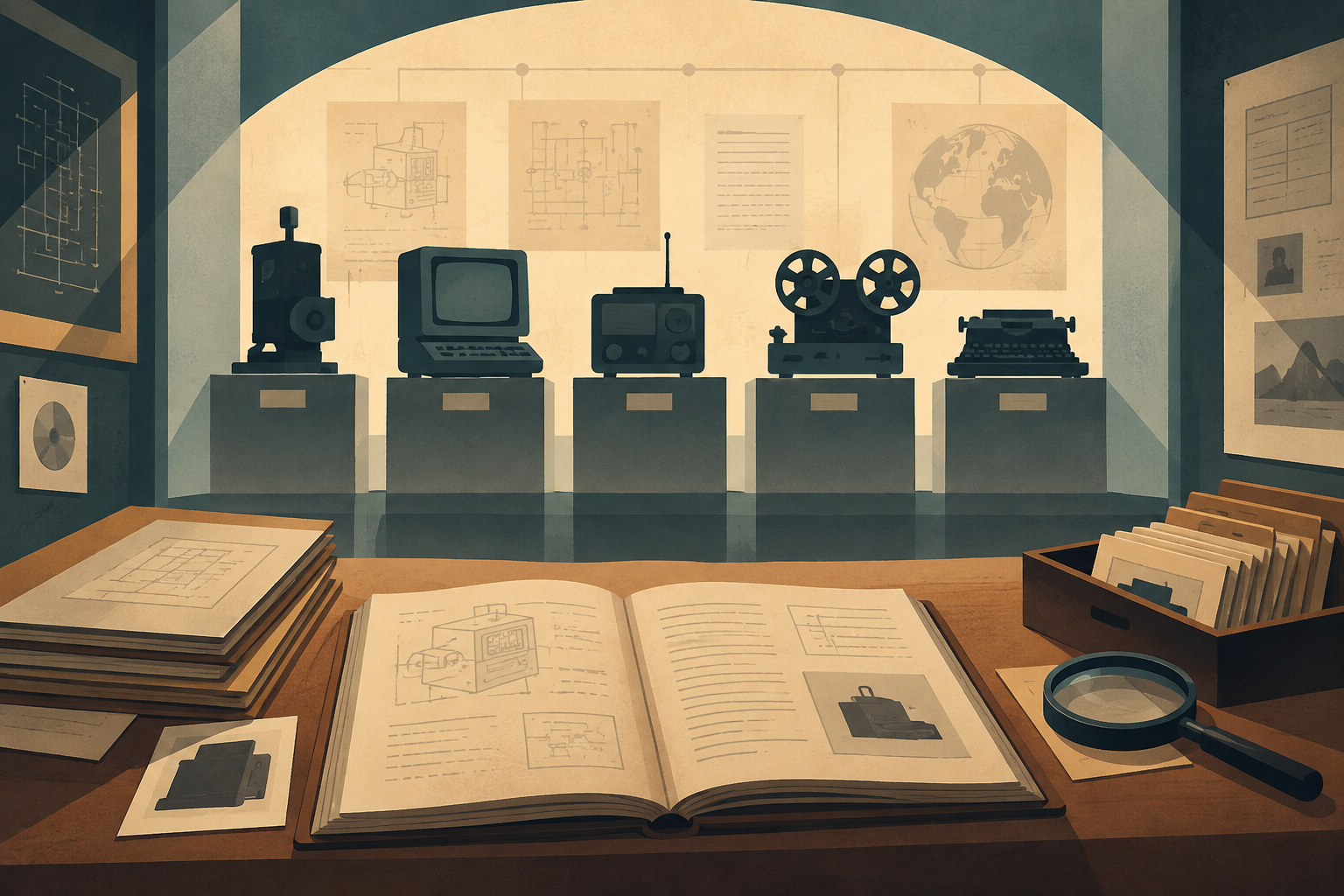
Institutional archives offer one point of entry. The Museo Nacional del Prado says its archive holds seven documentary fonds, the largest consisting of records produced and received by the museum itself. The Museo Arqueológico Nacional, in turn, describes institutional documentation as reflecting the people who shaped the museum, its collections, and its activities. These are descriptions of particular archives, not complete accounts of everyone who worked there or visited its galleries.
An object is not a routine
The collections of the Museu Valencià d’Etnologia describe their objects as material culture charged with cultural meanings. That description encourages a careful reading: a preserved object may help investigate meanings and practices, but its presence alone does not establish who used it, how often, or under what circumstances.
The same caution applies to household objects, clothing, toys, and furniture—categories mentioned in RetroPause’s article on everyday life in archives and museums. Their appearance may invite us to imagine family scenes; without documents that place them in context, those scenes remain interpretation. Historical accounts gain strength when objects are connected to provenance, annotations, images, or other available testimony, rather than treating one item as a portrait of an entire era.
People, institutions, and silences
Archives also reflect decisions about preservation and organization. The Museo Cerralbo says its archive took shape as such in 1924, following the museum’s foundation and the state’s acceptance of the marquis’s testamentary legacy. This helps date the formation of that institutional archive; it does not justify assuming that every everyday experience associated with the house was recorded or has survived.
Who appears in the documents matters especially when studying social practices. An academic article on private letters in the Archivo General de Indias addresses everyday life and women’s history in Guanajuato. Its title and available metadata identify a corpus and a research perspective; by themselves, they do not support generalizations about all women, households, or groups in the region. Reading a situated source means keeping its scale in view.
The social world is preserved too
Everyday life is not confined to domestic interiors. Institutions may preserve records of their activities and collections of objects, enabling research into relationships between people, places, and practices. A study of the social function of the archive at the Museo Provincial Hogar de la Memoria describes museums and archives as institutions serving the community. Another publication, on the Museo de la Memoria Histórica Universitaria de la BUAP, connects the museum with the materialization of everyday life. The supplied information identifies these studies’ subjects, but does not warrant attributing more detailed findings to them.
This framework makes it possible to investigate places and groups without turning them into universal types. A practice documented in private letters, an institutional archive, or an ethnological collection belongs first to that body of evidence and its context. Comparing it with other cases can raise questions, but similarities do not prove identical experiences.
Photographs and testimony: context, not consensus
Photographs and testimonies can complement objects and documents when information survives that helps place them in context. Even so, an image shows a frame and a moment; testimony expresses a particular experience. Neither should automatically be treated as a description of what an entire neighborhood, generation, or family experienced.
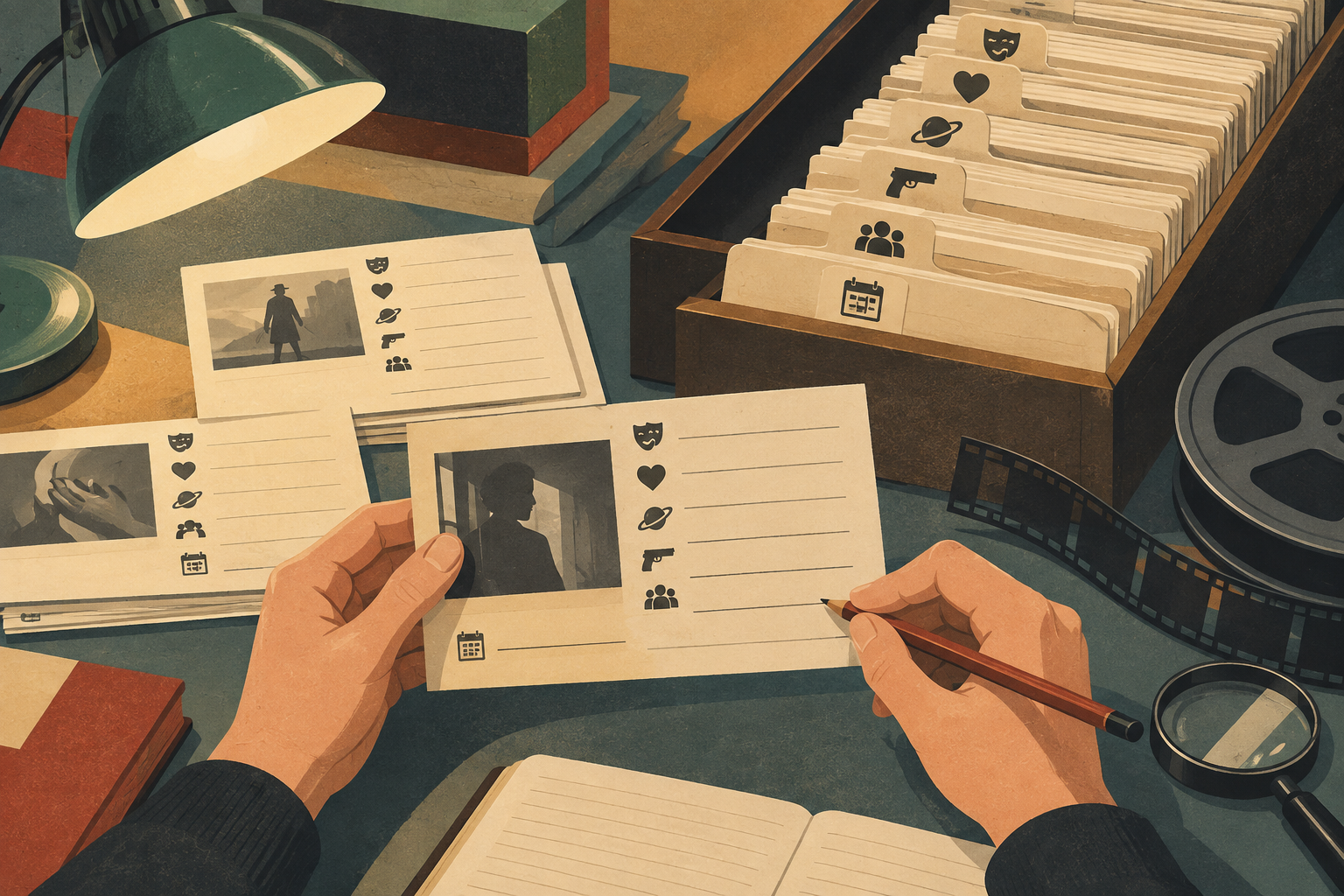
Research should ask who made the record, which people or activities it includes, what contextual information survives, and what falls outside it. If the consulted sources do not provide those details, uncertainty should remain explicit. This is not an editorial weakness: it separates what can be verified from what has been imagined.
A partial history, better grounded
Museums and archives do not reconstruct a complete routine simply by preserving objects or documents. Their value lies in evidence that can be read with context and attribution: a particular documentary fonds, a described collection, a private letter, or an institution whose archival history is known.
The useful question is not whether an item represents everyday life in general, but what it can show about a particular group, place, and practice—and where its limits lie. In this way, everyday objects cease to function as nostalgic scenery and become starting points for careful social history: plural, localized, and attentive both to what was preserved and to what cannot be claimed.
- Decade
- Contemporary
- Region
- Global
- Level
- Introduction
- Entities
- Museo Cerralbo, Museum, Museo Arqueológico Nacional
Sources and references
- Vida cotidiana e historia de mujeres. Guanajuato en las cartas privadas del Archivo General de Indias de Sevilladoi.org · 2026-10-02
- El Museo de la Memoria Histórica Universitaria de la BUAP: reificando la vida cotidianadoi.org · 2026-10-02
- La vida cotidiana entra en el archivo: qué pueden contar los ...www.retropause.com · 2026-10-02
- Archivo - Museo Nacional del Pradowww.museodelprado.es · 2026-10-02
- Archivo histórico - | Ministerio de Culturawww.man.es · 2026-10-02
- Archivo - Museo Cerralbowww.cultura.gob.es · 2026-10-02
- Coleccionesletno.dival.es · 2026-10-02
- El archivo y su función social en el Museo Provincial Hogar ...dialnet.unirioja.es · 2026-10-02