The traditional conception of the museum as a temple dedicated to the preservation of high-value artistic or historical objects is undergoing redefinition. Current evidence points to a significant curatorial shift towards the inclusion of everyday life. This change is not merely aesthetic but responds to a need to expand the scope of cultural heritage to encompass the texture of human existence, including groups historically marginalized by official narratives. This article analyzes how this integration transforms the function of the archive and redefines the role of cultural institutions in contemporary society.
From unique piece to community record
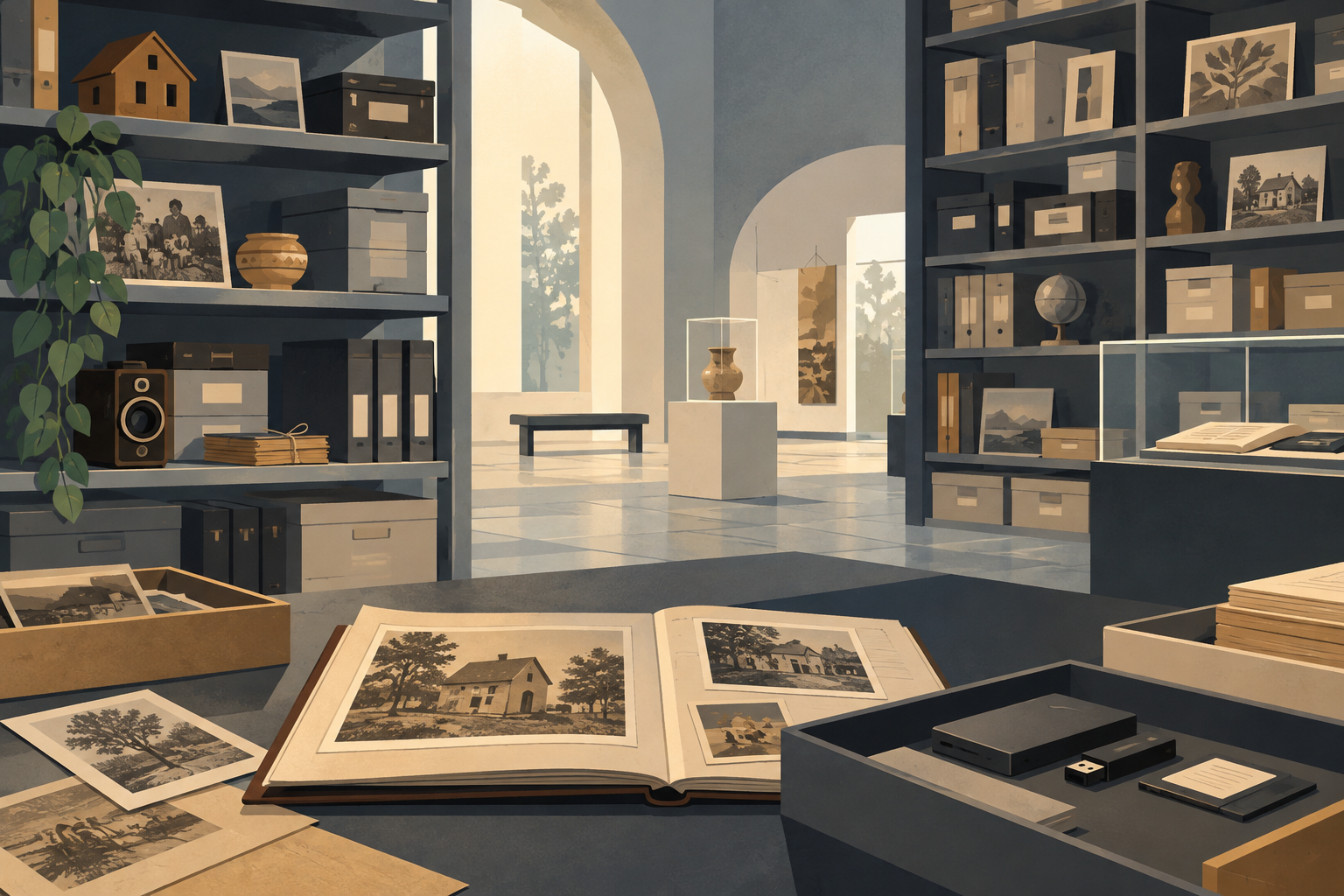
Historically, museology focused on the conservation of exceptional artifacts. However, institutions like the Osorno Municipal Historical Museum in Chile illustrate this evolution. Founded in 1946, this space does not only safeguard prehistoric vestiges or objects from the Mapuche-Huilliche culture, but also preserves municipal documents, photographs, and records of the daily life of local communities. This diversity of collections reflects an inclusive approach that seeks to represent local identity in its complexity, beyond major historical milestones.
Memory as a living space
Current museums are increasingly defined as living spaces where collective memory is built, transmitted, and resignified. This vision surpasses the idea of the museum as a static repository. By incorporating elements of daily life, institutions facilitate a continuous dialogue between the past and the present. The preservation of forms of affection and identity, such as family videos or domestic recordings, becomes an act of cultural safeguarding that validates the subjective experience of communities.
The archive as a means of connection
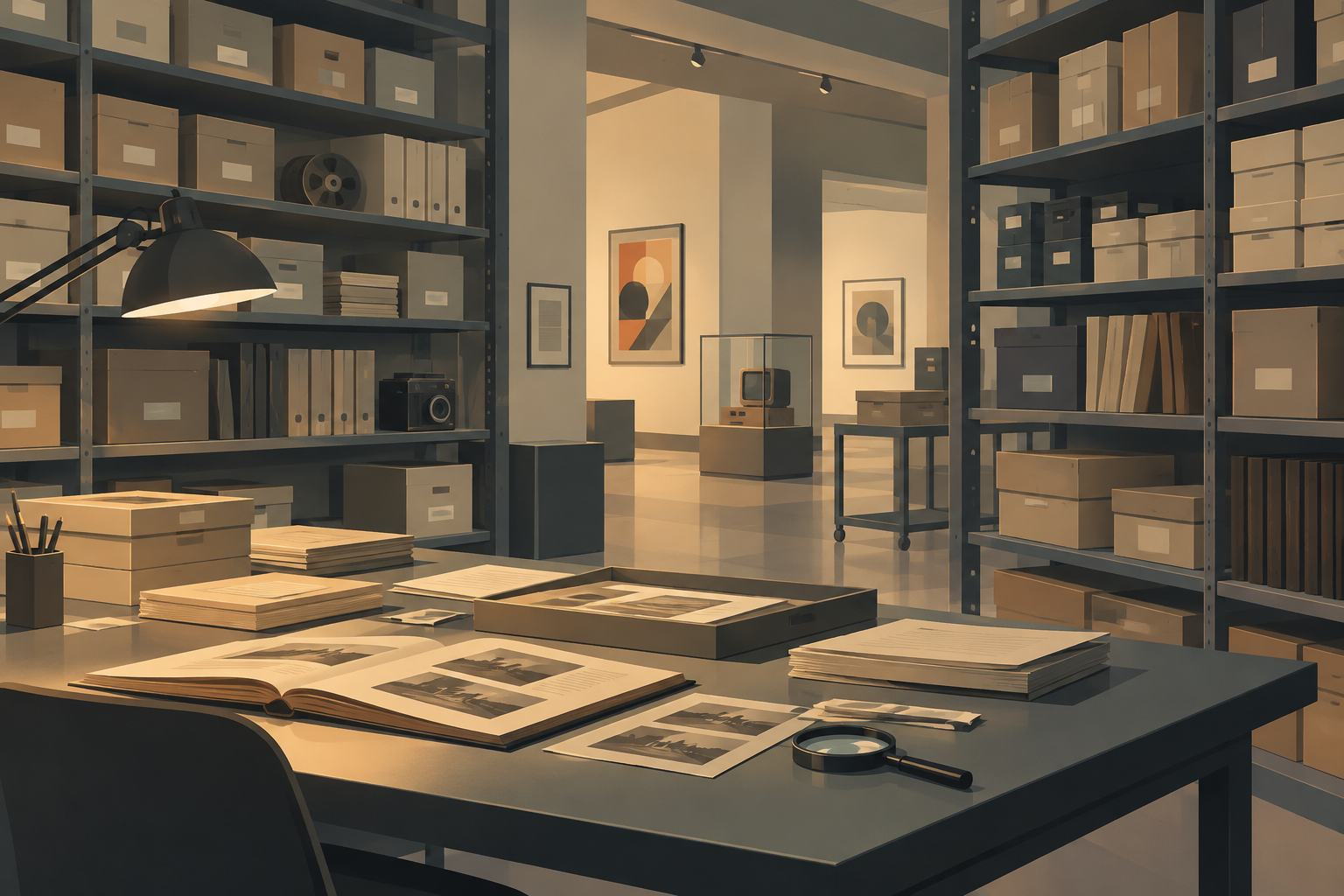
The archive ceases to be a place of passive storage to become an active means of connection between generations. Digital remains and photographic records offer a glimpse into the lives of people who are often ignored or oppressed in traditional histories. By making these materials accessible, museums allow current communities to recognize their own roots and understand the evolution of their social environment. This mediating role is crucial for maintaining the relevance of cultural heritage in the 21st century.
Challenges in conservation and mediation
The integration of everyday elements into the museum discourse poses technical and ethical challenges. It requires new conservation strategies suitable for diverse formats, from paper documents to ephemeral digital supports. Furthermore, mediation must be able to contextualize these objects without imposing a single narrative, allowing communities to interpret their own legacy. Accessibility and relevance to current communities are fundamental criteria in this process.
The role of cultural institutions
Entities that identify and classify cultural assets safeguard them so that they are preserved and become objects of study. In the case of everyday life, this role expands to include facilitating emotional experiences and reflection on the present. The Osorno Museum, for example, has developed a pedagogical and participatory line that invites reflection on the memory and present of the city, projecting itself beyond the simple safeguarding of ancient objects.
Implications for local identity
The inclusion of everyday life in museums strengthens local identity by validating the stories of communities that have shaped the territory. This practice allows for a deeper appreciation of the cultures present in a specific area. By connecting individual experiences with collective memory, museums contribute to social cohesion and the understanding of cultural diversity. This approach is particularly relevant in contexts where official history has excluded certain groups.
Conclusion
The transformation of the museum into a space that preserves everyday life represents a significant advance in cultural practice. By integrating domestic and social memory, cultural institutions expand their reach and become more relevant to current communities. This approach not only preserves the past but also fosters an active dialogue about the present and the future, ensuring that cultural heritage is a living and accessible resource for all.
- Decade
- Contemporary
- Region
- Global
- Level
- Introduction
- Entities
- Museum, Museo Histórico Municipal de Osorno
Sources and references
- Georas Museo Internet ESPANOLlaw.yale.edu · 2026-10-19
- El potencial de los museos en la conservación del patrimonio culturalopenalex.org · 2026-10-19
- preserva formas de afecto, identidad y vida cotidiana que ...www.facebook.com · 2026-10-19
- Dentro del museo, permanecen resguardados objetos que ...www.instagram.com · 2026-10-19
- Patrimonio culturales.wikipedia.org · 2026-10-19
- Museo Histórico Municipal de Osornoes.wikipedia.org · 2026-10-19