RetroPauseFashion
Thematic archive · Fashion

Fashion and the ways we expressed who we were

Clothing, accessories and styles tell stories of identity. This section looks at how garments are used and what they are made from, beyond trends, approaching fashion as a social practice.

Start here

Readings to help you find your bearings.

Analysis · NOW

The Fabric of Memory: Clothing as a Social Archive

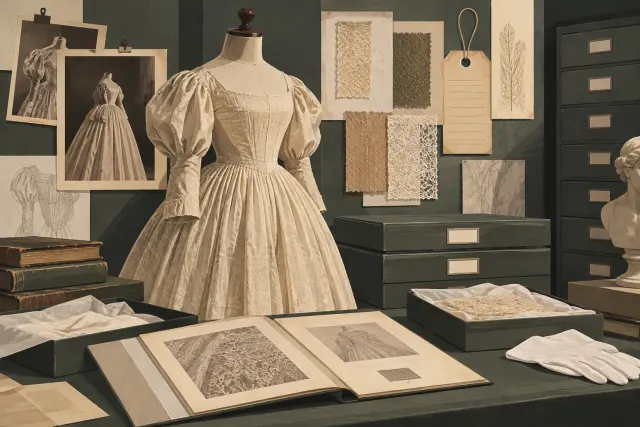
Beyond aesthetics, garments preserved in museums and archives function as documents recording social practices. This analysis examines how academic and cultural institutions reinterpret fashion as material culture, distinguishing everyday use from advertising narratives.

Open story
Fashion

A story in context

Photographs, magazines and preserved garments make it possible to study fashion as a social practice without assuming that everyone wore the same things.

This section investigates clothing. Design and Music connect its languages and scenes without replacing the history of the garments themselves.

Choose your path

Three perspectives on the archive.

Featured dossier

Heisei retro: objects that hold memories and invite new discoveries

Heisei retro brings together objects and practices from Japan between 1989 and 2019, but it belongs not only to those who lived through the era. Tamagotchi, stickers, purikura, anime and music show how a reissue can revive not just a design, but ways of playing, making and sharing.

Read article

Documented milestones

  1. 1815

    The Spanish peineta arrives in Buenos Aires

    The Spanish peineta was introduced in Buenos Aires around 1815 and became a precursor to the Río de la Plata peinetón.

    Read article
  2. 1820

    Start of documented use of the peinetón in Buenos Aires

    The documented period of use of the peinetón, a monumental hair ornament, among women in Buenos Aires begins, extending until 1837.

    Read article
  3. 1824

    Interest grows in larger, more elaborate combs

    From 1824, interest in larger, more elaborate models began to grow, a development that led to the peinetón.

    Read article
  4. 1829

    Start of documented use of the peinetón in Buenos Aires

    Sources place the rise of the peinetón, a large-sized hairpin, between 1829-1830 and 1836-1837 in the fashion of the porteños.

    Read article
  5. 1830

    The peinetón reaches its peak

    The peinetón reached its peak between 1830 and 1837 as a striking accessory in women’s fashion in Buenos Aires and Montevideo.

    Read article

Latest additions

Contemporary

Heisei retro: objects that hold memories and invite new discoveries

Heisei retro brings together objects and practices from Japan between 1989 and 2019, but it belongs not only to those who lived through the era. Tamagotchi, stickers, purikura, anime and music show how a reissue can revive not just a design, but ways of playing, making and sharing.

Before 1950

The Peinetón and the Contest over Public Space in the River Plate

In Buenos Aires and Montevideo, the peinetón turned an ornamental comb into a sign of fashion, status and belonging. Its manufacture, imagery and controversies reveal how dress made women visible—and brought their presence in the streets into question—in the 1820s and 1830s.

2000s

2000s Fashion: Diverse Styles and a New Circulation of Trends

From low-rise jeans to boho and skinny styles, 2000s fashion brought together distinct aesthetics. Celebrity photography, television and early forms of online shopping made certain garments more visible and sped up their passage from image to consumption.

2000s

2000s Fashion: Garments, Scenes and Trends in Circulation

From low-rise jeans and boho style to silhouettes linked with indie music and hip-hop, 2000s fashion brought together varied trends. The internet, e-commerce and designer collaborations with mass retailers accelerated their circulation, though runway and celebrity images alone cannot represent how everyone dressed.

Sources for the selected readings

Editorial review ·