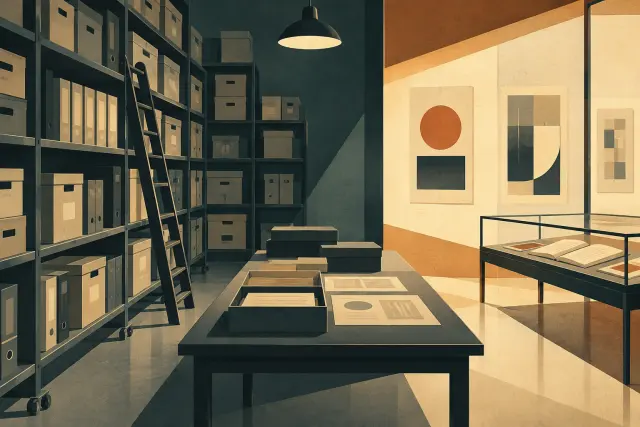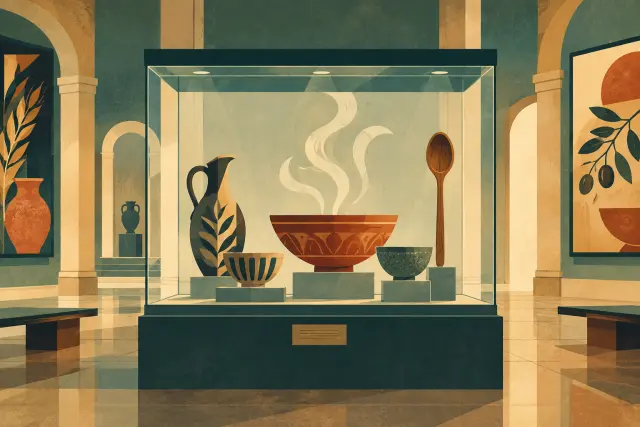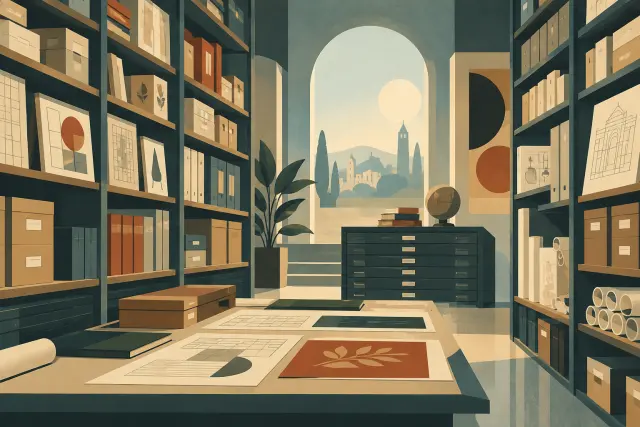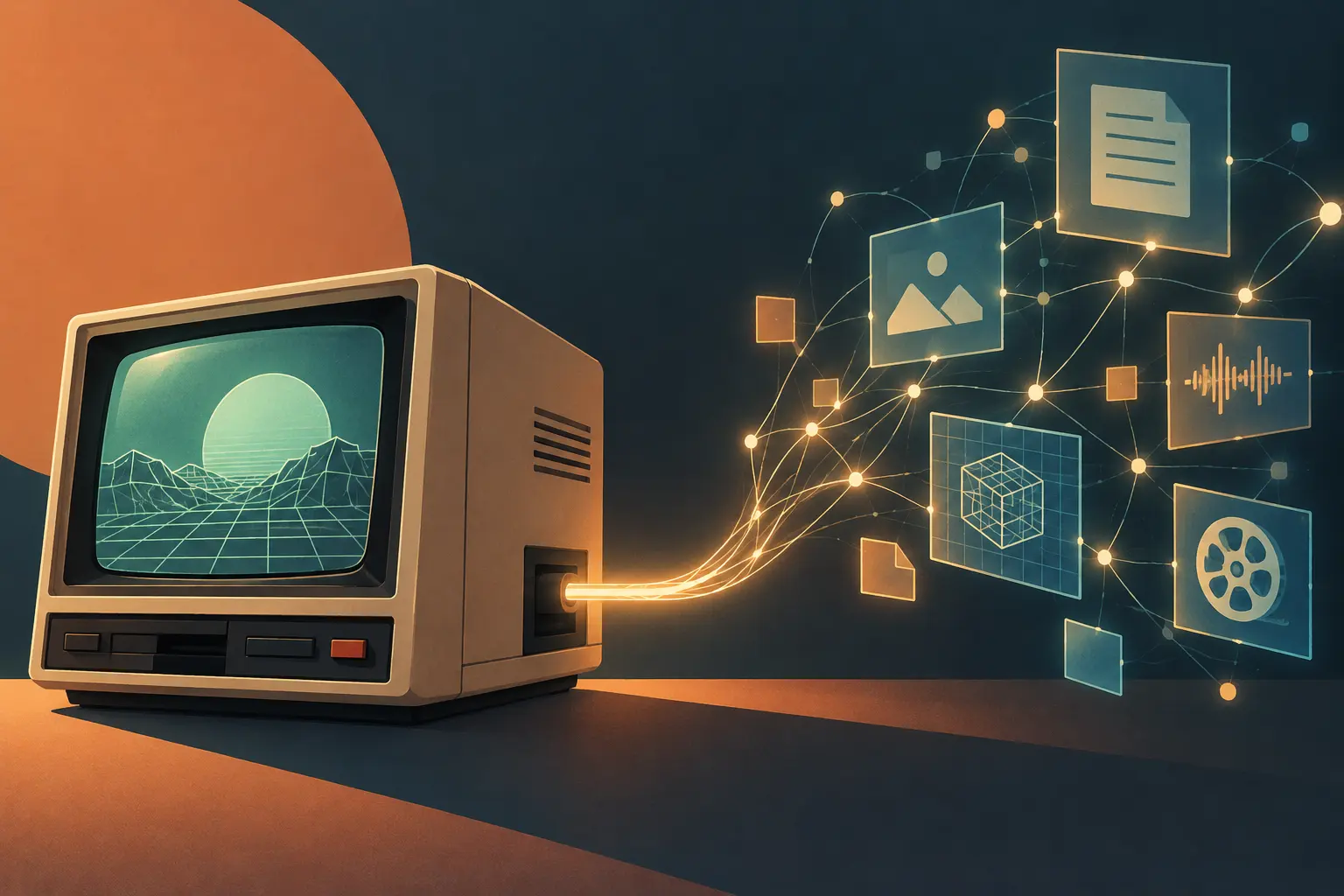
The preservation of retro objects in the 21st century has evolved beyond mere physical custody. Traditionally, the focus was on maintaining the material integrity of a console, a computer, or a design piece. However, available evidence suggests that museums and archives are adopting strategies that integrate digital documentation as an essential part of heritage. This paradigm shift implies that the cultural value of a piece does not reside solely in its tangible existence, but also in the network of data that surrounds and contextualizes it.
From Matter to Data
The physical object remains the anchor, but its meaning expands through layers of digital information. Current technology allows documenting the state of an object, its historical use, and its cultural impact. This documentation creates a layer of information that complements the physical piece, allowing access to contexts that would otherwise be lost. It is not about replacing the original, but about expanding the reference framework to understand its historical and social relevance.
The Role of Cultural Institutions
Institutions such as the Reina Sofía Museum have highlighted the importance of the conservation and transmission of artworks. This principle, traditionally applied to painting or sculpture, is now extending to digital culture and technological objects. The museum is no longer just an exhibition space, but a center for information management. Contemporary conservation thus becomes an act of cultural mediation, where technology serves to preserve collective memory and facilitate access to it.
Challenges in Electronic Art Conservation
The conservation of electronic objects raises complex questions about exactly what to preserve. Is it the hardware, the software, or the user experience? Sources indicate that bibliographic and audiovisual archives are being created that provide context and access to written, oral, and primary source documentation. This approach recognizes that the user experience is as important as the device itself. Digitization allows capturing interactions that would be impossible to faithfully reproduce without exhaustive documentation.
Fashion and Design Archives as Models
Fashion and design archives offer an instructive model for the conservation of retro objects. These archives function as academic resources that maintain creativity and technical innovation, not just as deposits of old objects. Experts maintain these resources understanding their historical and technical value. This academic perspective helps define which elements of a retro object should be prioritized in digital documentation, ensuring that both form and function are captured.
The Object as a Network Node
The retro object is becoming a node within a data network. This network includes its history, its production context, and its reception by the public. This transformation redefines the role of the collector and the museum, which must now manage not only objects, but also digital information flows. Accessibility to this data allows for a deeper understanding of how objects have influenced culture and society over time.
Limits of Digital Verification
Although digitization offers powerful tools, there are limits to what can be verified through digital means. The sensory experience of a physical object, its weight, texture, and sound, cannot be completely replicated in a digital file. Furthermore, technological obsolescence poses challenges for long-term access to documented data. It is crucial to maintain a hybrid strategy that values both the physical piece and its digital documentation, recognizing the limitations of each medium.
Conclusion
The integration of digital memory into the conservation of retro objects represents a necessary evolution in cultural heritage management. By expanding the focus beyond matter, museums and collectors can preserve not only the form, but also the meaning and context of these objects. This approach ensures that the material culture of the past remains relevant and accessible for future generations, transforming conservation into a dynamic and multidimensional process.
- Decade
- Contemporary
- Region
- Global
- Level
- Enthusiast
- Entities
- Museum, Museo Reina Sofía
Sources and references
- DEPARTAMENTO DE CONSERVACIÓN-RESTAURACIÓN ...www.academia.edu · 2026-10-22
- Museo de Arte y Diseño Contemporáneo: orígenes, desarrollo institucional y contexto de un museo en movimientodoi.org · 2026-10-22
- Conservación digital del Museo Ipiranga en Brasilwww.autodesk.com · 2026-10-22
- Museo del Carmen Altowww.facebook.com · 2026-10-22
- conservación del arte electrónico: ¿qué preservar y cómo ...www.annetteweintraub.com · 2026-10-22
- Explorando el papel de los archivos de moda: Preservar y ...translate.google.com · 2026-10-22