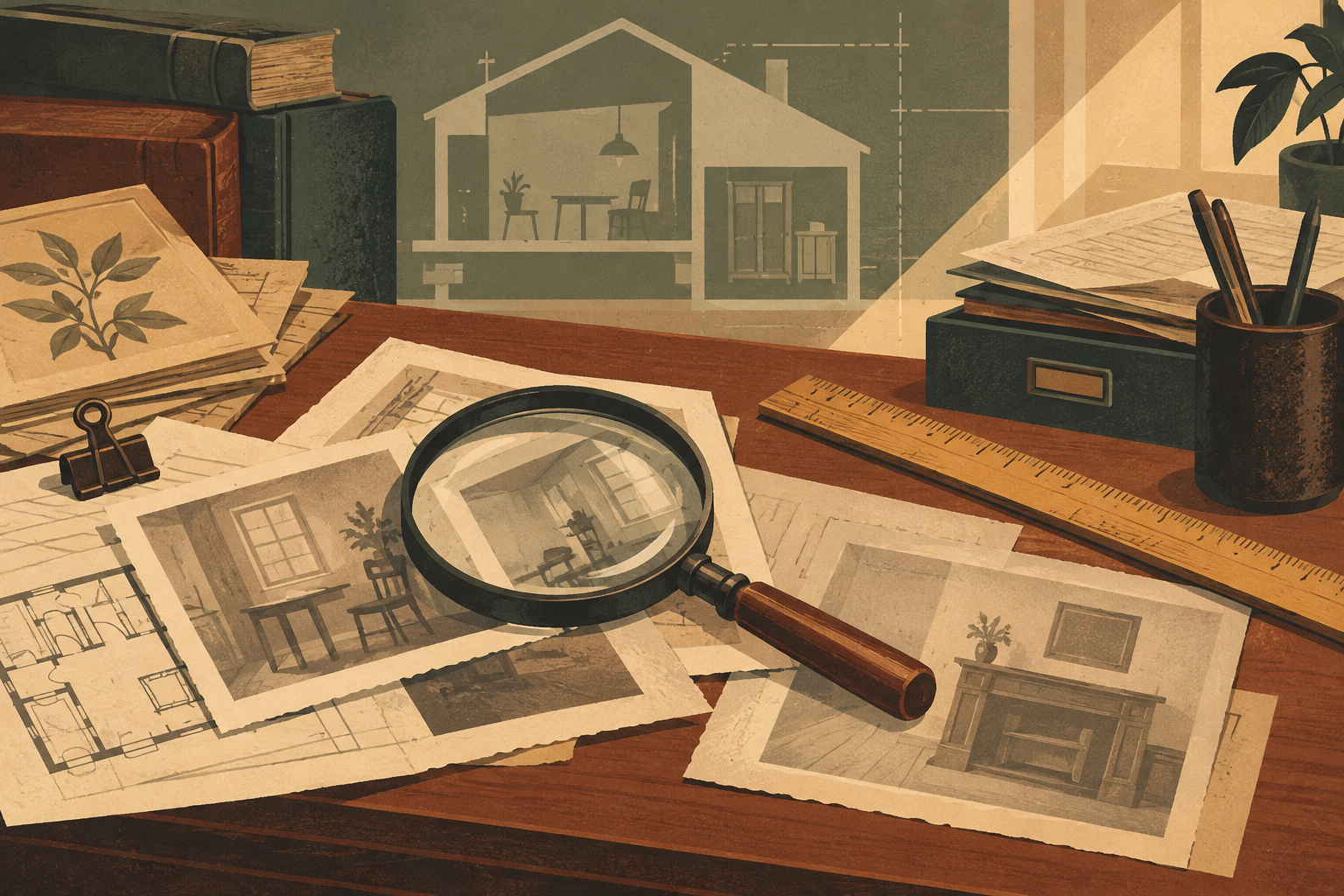
The temptation to recreate a domestic past from isolated objects is common in cultural research and museography. However, the mere visual coexistence of furniture and utensils does not constitute proof of their joint use. This article examines the technical criteria that allow distinguishing between what can be affirmed with certainty and what remains in the realm of hypothesis, using heritage documentation guidelines as a reference framework.
The foundation of heritage registration
The Manual for the Documentation of Heritage Collections establishes that documentation work is articulated in two integrated areas: registration and vocabulary standardization. This distinction is fundamental because it separates the physical identification of the object from its conceptual categorization. Without standardized terminology, descriptions become ambiguous and hinder comparison between different collections or institutions. Standardization is not a mere bureaucratic exercise, but a tool that makes information readable and usable by other researchers in the future.
Description and cultural context
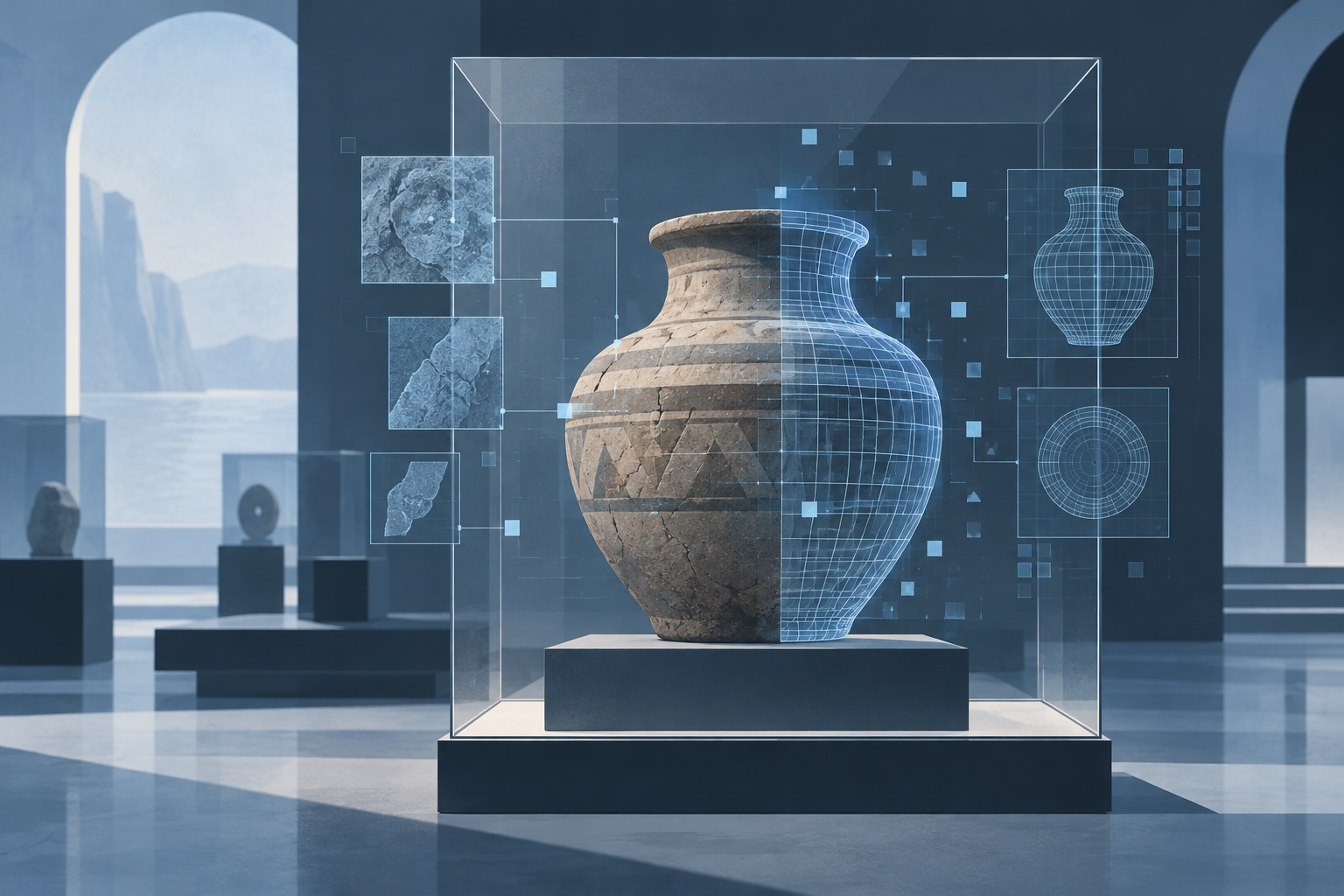
The Sefardi Museum’s preventive conservation plan emphasizes the need to pay special attention to descriptions, measurements, dates, and cultural context. This approach suggests that an object is not fully understood without its temporal and social anchoring. Measuring and dating are acts of precision that limit speculation, while reasoned classification helps situate the piece within a system of values and uses. However, this methodology identifies the piece but does not necessarily reconstruct the scene in which it was located.
The role of preventive conservation
Ibermuseos’ guide for the elaboration of conservation plans introduces a crucial nuance: the analysis of the cultural asset must include the context that may influence its condition. This implies recognizing that objects do not exist in a vacuum but are subject to environmental and handling factors. When studying an interior, this perspective forces consideration of how conservation conditions may have altered the position or state of elements, adding a layer of complexity to any attempt at historical reconstruction.
Risk management and loss of association
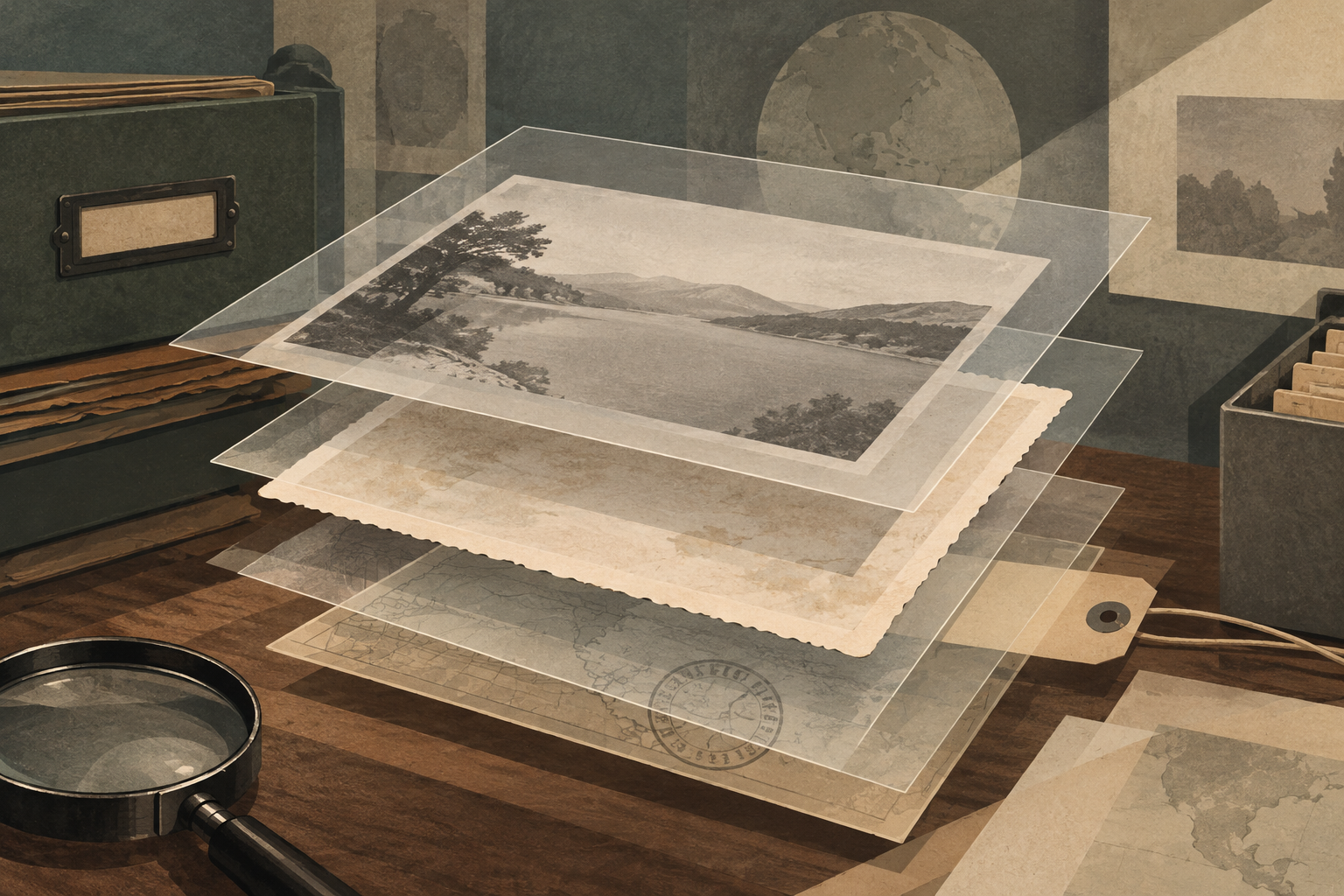
ICCROM’s guide on risk management for museum heritage warns of phenomena such as the dissociation of documents. In the context of a home, this translates into the loss of the original relationship between objects and their environment. When a piece of furniture is moved or a document is separated from its folder, a link is broken that subsequent documentation must attempt to reconstruct. Preventing such damage is as important as physical restoration, as the integrity of the context is part of the heritage’s value.
The architectural vision and the object
A UNESCO document notes that some architects and designers see museums as a means to highlight objects, often from a valuable but limited perspective. This observation reminds us that architecture and design have shaped the world we live in, but conservation requires going beyond aesthetics. Design has improved our lives in ways we can barely imagine, but its study requires a clear separation between the designer’s intention and the reality of everyday use.
Limits of available evidence
It is important to recognize that the cited sources provide general principles of documentation and conservation, not specific data on a particular interior. There is no detailed domestic chronology or list of objects with verified location in the provided evidence. Therefore, any claim about how a specific home looked or functioned must be based on additional sources not included here. Intellectual honesty requires pointing out these gaps rather than filling them with assumptions.
Methodological conclusion
The reconstruction of domestic spaces is an interpretive exercise that must be strictly bounded by documentary evidence. Registration, description, and conservation protocols offer the necessary tools to assess the reliability of sources, but they do not guarantee an exact recreation of the past. The goal is not to create a perfect image, but to establish a working framework that allows distinguishing between documented facts and reasonable speculations, thereby preserving the integrity of cultural heritage for future generations.
- Decade
- Contemporary
- Region
- Global
- Level
- Introduction
- Entities
- Museum, Museo Sefardí
Sources and references
- Manual de Documentación - de Colecciones Patrimonialeswww.cdbp.gob.cl · 2026-10-17
- PLAN CONSERVACIÓN PREVENTIVA MUSEO SEFARDÍwww.cultura.gob.es · 2026-10-17
- Guía para la Elaboración e Implantación de Planes de ...www.ibermuseos.org · 2026-10-17
- Guía de Gestión de Riesgos para el Patrimonio Museológicowww.iccrom.org · 2026-10-17
- La Conservación: el porvenir del pasadounesdoc.unesco.org · 2026-10-17
- Diseño y patrimonio cultural: cómo asegurar la conservación ...turia.uv.es · 2026-10-17